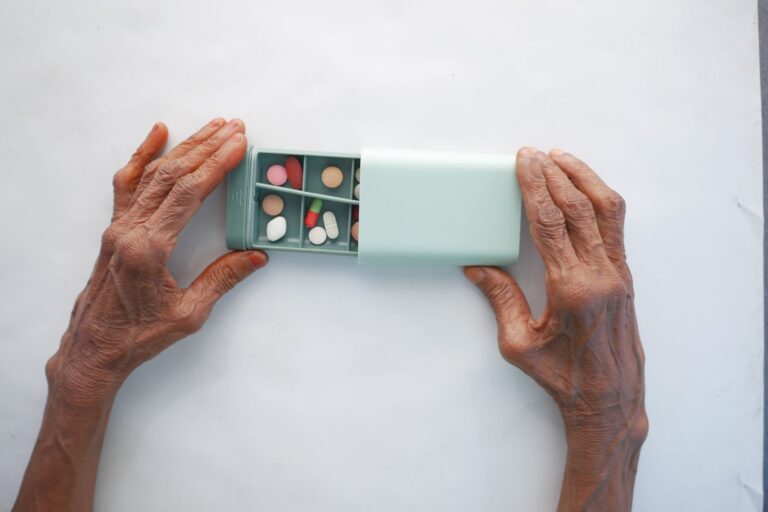
New antibiotic sits at the center of this dementia and brain health question.
In December 2012, the FDA approved bedaquiline — sold under the brand name Sirturo — marking the first new tuberculosis drug to reach patients in nearly fifty years. That approval broke a drought stretching back to 1963 and opened the door to treating forms of TB that had become resistant to older medications. For the estimated 1.25 million people killed by TB each year worldwide, and for the families and caregivers who watch loved ones struggle with prolonged, toxic treatment regimens, this was not a small thing. It was a turning point.
Since then, the science has moved faster than most people realize. Delamanid followed in 2014, and pretomanid received FDA approval in August 2019 — only the third anti-TB drug approved in over four decades. Together, these medications now form the backbone of shorter, all-oral regimens that are replacing the grueling 18-to-24-month treatment courses that once defined drug-resistant TB care. In January 2025, the landmark endTB trial published results in the New England Journal of Medicine showing that new 9-month regimens could cure 85 to 90 percent of patients with multidrug-resistant TB. This article covers what these drugs actually do, how the new treatment regimens work, what the latest clinical evidence shows, and why any of this matters if you are caring for someone with cognitive decline or dementia.
Table of Contents
- Why Was a New Antibiotic for Drug-Resistant TB the First Approved in 50 Years?
- How the BPaL Regimen Changed Drug-Resistant TB Treatment
- What the endTB Trial Results Mean for Patients and Caregivers
- TB Risk in Dementia Care Settings and What Families Should Know
- Drug Interactions and Cognitive Side Effects to Watch For
- Next-Generation TB Drugs in the Pipeline
- What the Future of TB Treatment Means for Vulnerable Populations
- Conclusion
- Frequently Asked Questions
Why Was a New Antibiotic for Drug-Resistant TB the First Approved in 50 Years?
The short answer is that TB drug development stalled because the disease was considered a problem of the developing world, and pharmaceutical companies saw little profit in pursuing it. From 1963 until 2012, no new class of anti-TB drug made it through approval. During that half-century gap, TB bacteria did what bacteria do — they evolved resistance. Multidrug-resistant TB, or MDR-TB, became resistant to the two most powerful first-line drugs, rifampicin and isoniazid. Extensively drug-resistant TB, XDR-TB, added resistance to fluoroquinolones and injectable agents on top of that. Treatment for XDR-TB before the new drugs arrived cured only 2 to 22 percent of patients, depending on the study and the setting.
Those are dismal numbers for any disease. Bedaquiline, developed by Janssen (a Johnson & Johnson subsidiary), works through a mechanism unlike any prior TB drug — it inhibits the mycobacterial ATP synthase, essentially cutting off the energy supply the bacterium needs to survive. That novel mechanism is precisely why it works against strains that have developed resistance to older drugs. Pretomanid, developed by the nonprofit TB Alliance, attacks TB through a different pathway and is particularly effective against dormant bacteria that hide in oxygen-deprived environments in the lungs. The arrival of these drugs did not just add options to the medicine cabinet. It made fundamentally different treatment strategies possible.

How the BPaL Regimen Changed Drug-Resistant TB Treatment
The real breakthrough was not any single drug but the combination known as BPaL — bedaquiline, pretomanid, and linezolid — given as an all-oral regimen over roughly six months. Before BPaL, patients with XDR-TB faced 18 to 24 months of treatment that often included painful daily injections, severe side effects like permanent hearing loss, and cure rates that rarely climbed above 20 percent. The Nix-TB trial, conducted in South Africa where drug-resistant TB hits hardest, demonstrated that BPaL cured approximately 90 percent of XDR-TB patients. That is not an incremental improvement. It is a transformation. However, BPaL is not without serious limitations.
Linezolid, one of the three drugs in the regimen, carries significant toxicity risks including peripheral neuropathy and bone marrow suppression. Patients on linezolid need regular blood monitoring, and some develop nerve damage that can be permanent. For older adults, and particularly for people already living with dementia or cognitive impairment, these side effects demand careful attention. Peripheral neuropathy can worsen balance and increase fall risk in someone whose coordination is already compromised. If a patient cannot reliably report new symptoms — tingling in the feet, changes in vision — caregivers and clinicians need to be especially vigilant about scheduled blood work and neurological checks. The updated ATS/CDC/ERS/IDSA clinical guidelines published in January 2025 now formally recommend all-oral, shorter regimens containing bedaquiline, pretomanid, and linezolid, with or without moxifloxacin, for eligible patients with drug-resistant TB. This represents a major shift in official treatment guidance and reflects the strength of the clinical evidence accumulated over the past several years.
What the endTB Trial Results Mean for Patients and Caregivers
The endTB clinical trial, whose results were published January 29, 2025, in the New England Journal of Medicine, is one of the largest and most rigorous studies ever conducted on drug-resistant TB treatment. The trial identified three new 9-month, all-oral regimens for multidrug-resistant and rifampicin-resistant TB, using combinations drawn from bedaquiline, delamanid, clofazimine, linezolid, moxifloxacin or levofloxacin, and pyrazinamide. Cure rates across the three experimental arms ranged from 85 to 90 percent, compared with 81 percent in the control arm. Cutting treatment from 18-plus months down to 9 months is not just a matter of convenience.
For someone caring for a parent or spouse with dementia who also contracts TB — a scenario more common in congregate care settings than many people realize — shorter treatment means fewer months of managing complex medication schedules alongside cognitive decline. It means fewer drug interactions to monitor, fewer clinic visits to arrange transportation for, and a faster return to whatever stability the household had before the TB diagnosis. The endTB trial also found that cardiotoxicity, specifically QT prolongation, was infrequent and mainly occurred when clofazimine was paired with another QT-prolonging drug. That is important safety information, but it also underscores the need for cardiac monitoring, particularly in older patients who may already be on medications that affect heart rhythm.

TB Risk in Dementia Care Settings and What Families Should Know
Tuberculosis spreads through the air, and any setting where people live in close quarters carries elevated risk. Nursing homes, memory care facilities, and long-term care settings are not immune to TB outbreaks, and residents with dementia are particularly vulnerable. Their immune systems are often weakened by age, malnutrition, or concurrent illness. They may not be able to articulate symptoms like a persistent cough, night sweats, or unexplained weight loss — all hallmarks of active TB. Staff turnover in care facilities can mean inconsistent screening.
A 2019 TB outbreak in a Virginia long-term care facility infected multiple residents before it was identified, illustrating how quickly the disease can move through a population that cannot advocate for its own health. The tradeoff families face is this: the new shorter regimens are vastly better than what existed before, but they still require strict adherence. A person with moderate-to-advanced dementia cannot manage a multi-drug TB regimen independently. Someone has to ensure the pills are taken on schedule, watch for side effects, and get the patient to monitoring appointments. Directly observed therapy, where a healthcare worker watches the patient swallow each dose, remains the standard of care for TB treatment and is even more critical when cognitive impairment is part of the picture. Families should ask care facilities about their TB screening protocols, their plans for managing an active case, and whether staff are trained to administer and monitor TB treatment in residents who cannot self-report symptoms.
Drug Interactions and Cognitive Side Effects to Watch For
One of the less-discussed complications of TB treatment in people with dementia is the potential for drug interactions with medications commonly used in cognitive care. Linezolid, a key component of the BPaL regimen, is a weak monoamine oxidase inhibitor. That means it can interact dangerously with certain antidepressants, including SSRIs and SNRIs, which are frequently prescribed to manage behavioral symptoms of dementia. Serotonin syndrome — a potentially life-threatening condition — is a real risk if these medications overlap without careful management. Bedaquiline and delamanid both carry warnings about QT prolongation, an abnormality in the heart’s electrical activity that can lead to dangerous arrhythmias. Several medications used in dementia care, including certain antipsychotics like haloperidol and some antiemetics, also prolong the QT interval. Stacking these drugs without electrocardiogram monitoring is dangerous.
The endTB trial data showed that cardiotoxicity was manageable when monitored, but that monitoring must actually happen. For caregivers, the practical warning is this: if your loved one is diagnosed with drug-resistant TB, bring a complete medication list — including over-the-counter supplements — to every appointment, and insist on a thorough interaction check before any TB regimen begins. Do not assume the TB specialist knows what the neurologist prescribed, or vice versa. Cognitive side effects from TB drugs themselves are not well-studied in dementia populations, largely because clinical trials typically exclude people with significant cognitive impairment. Linezolid-associated peripheral neuropathy can mimic or worsen symptoms of vascular dementia. Cycloserine, an older TB drug still sometimes used in resistant cases, is known to cause confusion, psychosis, and seizures. If a patient with dementia suddenly worsens during TB treatment, medication side effects should be on the differential alongside disease progression.
Next-Generation TB Drugs in the Pipeline
The current drugs are not the end of the story. Sudapyridine, also known as WX-081, is a next-generation diarylquinoline that works through a similar mechanism as bedaquiline but appears to have a better safety profile, particularly regarding cardiac effects.
It is currently in Phase III clinical trials in China. Sorfequiline, designated TBAJ-876, is another next-generation candidate planned for a Phase III trial in 2026 as part of the SPaL regimen, combining it with pretomanid and linezolid. Neither drug is approved yet, but both represent the possibility of regimens that are not only shorter and more effective but also safer — a meaningful consideration for older and more medically complex patients.
What the Future of TB Treatment Means for Vulnerable Populations
The trajectory of TB treatment is bending toward shorter courses, fewer side effects, and oral-only regimens. That arc matters enormously for people who cannot easily tolerate the old injectable-heavy, years-long protocols — including the elderly, the immunocompromised, and those living with cognitive impairment. If next-generation drugs like sudapyridine prove out in Phase III trials, we may see regimens that are safer for the populations most likely to be exposed in congregate living settings.
But access remains uneven. The newest regimens are available in well-resourced health systems, yet many long-term care facilities, particularly in lower-income regions, still rely on older protocols. Advocacy matters. Families and caregivers should ask about BPaL and the endTB-validated regimens by name, push for cardiac and neurological monitoring, and not accept “we’ve always done it this way” as an answer when newer, evidence-based options exist.
Conclusion
The approval of bedaquiline in 2012 ended a half-century of stagnation in TB drug development, and the years since have delivered genuinely transformative treatment options. The BPaL regimen cures roughly 90 percent of XDR-TB patients in six months. The endTB trial has validated 9-month regimens with cure rates of 85 to 90 percent for MDR-TB. Updated 2025 guidelines from the ATS, CDC, ERS, and IDSA now formally endorse these approaches. For families navigating dementia care, these advances mean that a TB diagnosis, while serious, is no longer the near-hopeless scenario it was a decade ago.
What has not changed is the need for vigilance. TB thrives in the gaps — gaps in screening, gaps in communication between specialists, gaps in monitoring for drug interactions and side effects. If someone you care for lives in a congregate setting or has a weakened immune system, know the signs of TB, know the questions to ask, and know that better treatments exist. The science has finally caught up. The challenge now is making sure the care does too.
Frequently Asked Questions
Can someone with dementia be treated for drug-resistant TB?
Yes. The newer all-oral regimens like BPaL are feasible for people with dementia, but they require supervised administration and close monitoring for side effects, especially peripheral neuropathy and cardiac effects. Directly observed therapy is essential.
How long does drug-resistant TB treatment take now?
With current regimens, treatment for XDR-TB can be completed in approximately 6 months using BPaL, and MDR-TB can be treated in 9 months using endTB-validated regimens. This is down from 18 to 24 months with older protocols.
Are TB drugs safe to combine with dementia medications?
Not always without precaution. Linezolid can interact with SSRIs and SNRIs, risking serotonin syndrome. Bedaquiline and delamanid prolong the QT interval, as do some antipsychotics used in dementia care. A thorough medication interaction review is critical before starting treatment.
Is TB common in nursing homes and memory care facilities?
TB outbreaks in long-term care facilities do occur, though they are not routine. Residents with weakened immune systems are at higher risk. Families should ask about screening protocols and outbreak response plans.
What is the cure rate for drug-resistant TB with newer treatments?
The BPaL regimen cures approximately 90 percent of XDR-TB patients. The endTB trial showed cure rates of 85 to 90 percent for MDR/RR-TB with 9-month regimens, compared to 81 percent in the control arm.
You Might Also Like
- This Drug Approved for One Condition Treats 12 Others Off-Label
- The Medication Approved by FDA That Is Still Being Studied for Safety
- The Drug Approved for Dogs That Human Trials Are Now Testing
For more, see Alzheimer’s Association — caregiving.