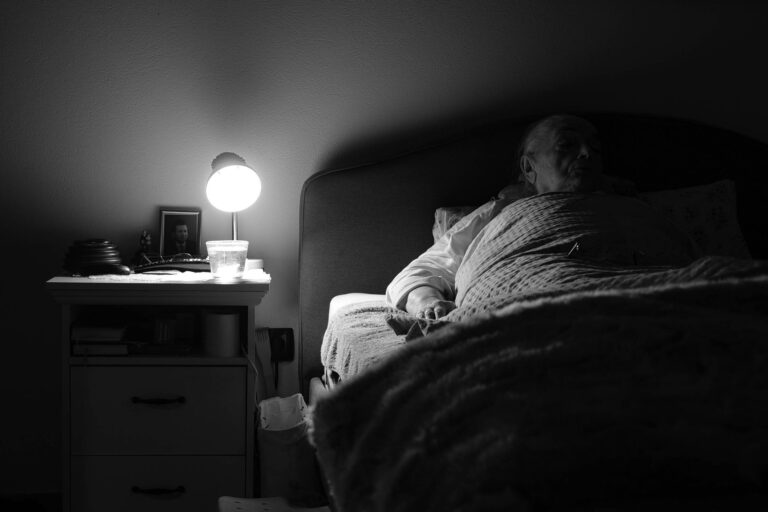
Gabapentin, a medication originally developed to treat epilepsy, is now one of the most commonly prescribed drugs for anxiety in the United States, despite never receiving FDA approval for that purpose. Doctors are writing millions of off-label gabapentin prescriptions each year for generalized anxiety, social anxiety, and the kind of chronic worry that keeps people staring at the ceiling at three in the morning. For older adults, particularly those living with dementia or mild cognitive impairment, this trend raises serious questions, because gabapentin carries real risks for aging brains that prescribers don’t always discuss.
The spread of off-label gabapentin use has been driven by a combination of factors: growing reluctance to prescribe benzodiazepines like Xanax and Ativan, a genuine need for alternatives in patients who can’t tolerate SSRIs, and a body of small clinical studies suggesting gabapentin can take the edge off anxiety without the same addiction profile as older sedatives. A 72-year-old woman with early-stage Alzheimer’s, for example, might be started on gabapentin after her family reports increasing agitation and worry, because her neurologist wants to avoid benzodiazepines, which are strongly linked to falls and worsening confusion in dementia patients. But whether gabapentin is truly safer for this population is a more complicated question than many realize. This article examines what the evidence actually shows about gabapentin for anxiety, why it’s being prescribed so aggressively, what the specific risks are for people with dementia and other forms of cognitive decline, and what alternatives deserve consideration before reaching for this particular prescription pad.
Table of Contents
- Why Is Off-Label Gabapentin Use for Anxiety Spreading So Fast?
- How Gabapentin Affects the Aging Brain and Cognitive Function
- Gabapentin in Dementia Care Settings and Residential Facilities
- Comparing Gabapentin to Other Anxiety Treatments for Older Adults
- Withdrawal, Dependence, and the Risk of Stopping Gabapentin Abruptly
- What Caregivers Should Ask Before a Loved One Starts Gabapentin
- Where Off-Label Gabapentin Use Goes From Here
- Conclusion
- Frequently Asked Questions
Why Is Off-Label Gabapentin Use for Anxiety Spreading So Fast?
The short answer is that psychiatry has a limited toolkit, and gabapentin filled a vacuum. When the medical community began pulling back from benzodiazepines in the mid-2010s, driven by mounting evidence of dependence, overdose deaths, and cognitive harm in older adults, clinicians needed something to offer anxious patients. Gabapentin seemed appealing because it was already widely used, generally considered well-tolerated, and wasn’t classified as a controlled substance in most states at the time. Prescriptions surged. Between 2012 and 2022, gabapentin climbed from the tenth most prescribed medication in the U.S. to the fifth, with anxiety-related prescriptions making up a substantial portion of that growth.
The evidence supporting this off-label use, however, is thinner than many patients assume. Most of the studies showing gabapentin’s effectiveness for anxiety are small, short-term, and focused on specific populations, particularly people undergoing alcohol withdrawal or surgery. For generalized anxiety disorder, the data is largely observational or drawn from case series rather than the kind of large randomized controlled trials the FDA would require for formal approval. Compared to SSRIs like sertraline or SNRIs like venlafaxine, which have robust evidence for anxiety treatment, gabapentin’s track record is more anecdotal than scientific. What makes this especially relevant to brain health is that gabapentin’s mechanism isn’t fully understood. It binds to calcium channels in the nervous system and appears to reduce excitatory neurotransmitter release, which likely explains its calming effects. But that same dampening action has implications for memory, attention, and processing speed, which are the very cognitive domains already under assault in dementia.

How Gabapentin Affects the Aging Brain and Cognitive Function
Gabapentin’s most common side effects, including dizziness, drowsiness, and difficulty concentrating, are inconveniences for a healthy 35-year-old. For a 78-year-old with vascular dementia, those same side effects can be destabilizing. Studies published in the Journal of the American Geriatrics Society have found that gabapentinoids, a class that includes both gabapentin and its cousin pregabalin, are associated with increased fall risk in older adults, with some analyses suggesting a 30 to 40 percent higher likelihood of falls compared to matched controls not taking the medication. Falls are the leading cause of injury-related death in people over 65, and for dementia patients whose judgment and spatial awareness are already compromised, that elevated risk compounds dangerously. Beyond falls, there’s growing concern about gabapentin’s direct effects on cognition.
A 2023 retrospective study in Neurology found that older adults taking gabapentinoids showed faster decline on standardized cognitive assessments over a two-year period compared to those on other pain or anxiety medications. The effect was most pronounced in patients who were already on the spectrum of mild cognitive impairment. This doesn’t prove gabapentin causes dementia, but it suggests the drug may accelerate decline in brains that are already vulnerable. However, if a patient’s anxiety is so severe that it’s causing sleep deprivation, refusal to eat, or constant agitation that exhausts caregivers, untreated anxiety itself damages cognitive function. Chronic stress hormones, particularly cortisol, are neurotoxic at sustained high levels. So the calculation isn’t simply “gabapentin bad, no gabapentin good.” It’s a question of whether the cognitive cost of the drug is less than the cognitive cost of unmanaged anxiety, and that calculation changes from patient to patient.
Gabapentin in Dementia Care Settings and Residential Facilities
In nursing homes and memory care facilities, gabapentin has become something of a go-to medication for behavioral symptoms that don’t fit neatly into other treatment categories. When a resident with Lewy body dementia becomes anxious and restless in the late afternoon, or when a person with frontotemporal dementia develops compulsive worry patterns, gabapentin often appears on the medication administration record. Part of this is practical: antipsychotics carry a black box warning for increased mortality in dementia patients, benzodiazepines are increasingly scrutinized by regulators, and non-pharmacological interventions, while effective, require staffing levels that many facilities don’t have. A specific pattern that geriatric psychiatrists describe is what might be called diagnostic creep. A resident is started on gabapentin 100 milligrams at bedtime for restless legs or neuropathic pain.
A month later, the dose is increased because the patient seems calmer on it, and the prescriber notes “anxiety” as an additional indication. By three months, the patient is on 600 or 900 milligrams daily, and nobody has revisited whether the anxiety component was ever properly assessed. This incremental escalation is particularly common in long-term care, where medication reviews can be infrequent and multiple providers may be adjusting doses independently. The Centers for Medicare and Medicaid Services has focused regulatory attention on antipsychotic use in nursing homes for over a decade, successfully driving those prescriptions down. Some critics have argued that gabapentin and other sedating medications have simply absorbed the demand, creating a pharmacological shell game where the paperwork looks better but patients are still being chemically managed. Whether that characterization is fair depends on the facility, but the concern is worth examining honestly.

Comparing Gabapentin to Other Anxiety Treatments for Older Adults
For older adults with or at risk for dementia, the comparison between anxiety medications involves a series of imperfect tradeoffs. SSRIs like sertraline and escitalopram remain the first-line recommendation from most geriatric psychiatry guidelines. They have strong evidence for anxiety, a relatively favorable side effect profile in older adults, and don’t carry the same sedation or fall risks as gabapentin. The catch is that SSRIs take four to six weeks to reach full effect, can cause initial worsening of anxiety, and may increase fall risk through their own mechanism by causing hyponatremia, or low sodium, which is more common in elderly patients. Buspirone is another option that deserves more attention than it typically receives. It’s FDA-approved for generalized anxiety, has minimal sedation, no addiction potential, and no meaningful cognitive side effects.
Its reputation suffers because it works slowly, sometimes taking two to three weeks, and because it was heavily marketed in the 1990s and then largely forgotten in favor of SSRIs. For a dementia patient with chronic, low-grade anxiety, buspirone’s gentle profile may be preferable to gabapentin’s heavier sedation, but it won’t help much with acute agitation. Non-pharmacological approaches deserve mention not as platitudes but as genuinely evidence-based interventions. Structured daily routines, music therapy, light exposure in the morning, and caregiver communication training have all shown measurable reductions in anxiety-related behaviors in dementia populations. The limitation is real-world implementation: a family caregiver managing everything alone, or a memory care unit running short-staffed, may not have the bandwidth to execute these strategies consistently. Medication fills the gap, for better or worse, and that’s part of why gabapentin prescriptions keep climbing.
Withdrawal, Dependence, and the Risk of Stopping Gabapentin Abruptly
One of gabapentin’s original selling points was that it wasn’t supposed to be habit-forming. That claim has aged poorly. While gabapentin doesn’t produce the same rapid physical dependence as benzodiazepines, abrupt discontinuation after regular use can trigger withdrawal symptoms including rebound anxiety, insomnia, nausea, sweating, and in rare cases, seizures. For a person with dementia who may not be able to articulate what they’re experiencing, withdrawal can present as sudden behavioral deterioration that gets attributed to disease progression rather than medication change. The timeline matters. Someone who has taken gabapentin 300 milligrams at bedtime for two weeks can likely stop without much trouble.
Someone who has been on 1,800 milligrams daily for a year needs a gradual taper, typically reducing by no more than 300 milligrams every five to seven days. Clinicians managing dementia patients should be especially cautious about this because transitions between care settings, hospital admissions, or changes in pharmacy supply can inadvertently interrupt gabapentin without anyone flagging it as a medication that requires tapering. There’s also a growing issue of gabapentin misuse that’s worth noting, though it applies less to the dementia population. In younger populations, gabapentin has become a drug of diversion, particularly among people using opioids, because it enhances the euphoric effects. Several states have reclassified gabapentin as a Schedule V controlled substance in response. This regulatory shift has made some prescribers more hesitant about gabapentin across the board, which paradoxically may benefit older adults if it prompts more careful consideration before starting the medication.

What Caregivers Should Ask Before a Loved One Starts Gabapentin
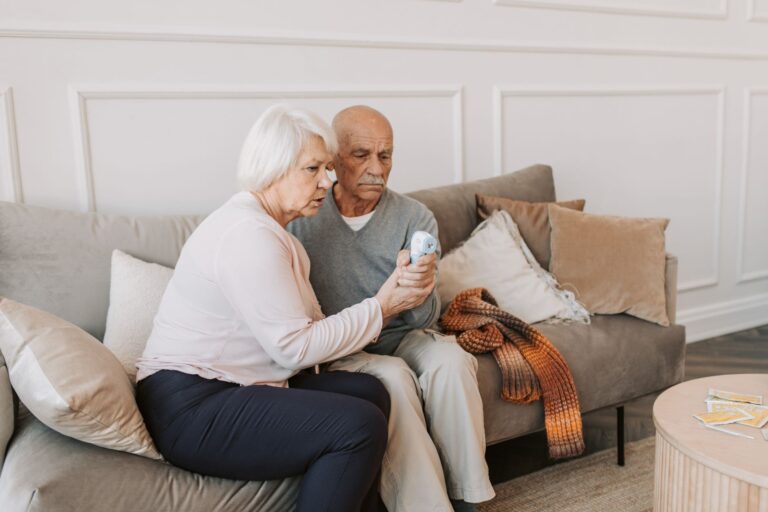
Family members and caregivers are often the last line of defense against inappropriate prescribing, particularly in dementia care where the patient may not be able to advocate for themselves. Before accepting a gabapentin prescription for anxiety, ask the prescriber three specific questions. First, has a non-pharmacological approach been tried or at least considered? Second, why gabapentin rather than an SSRI, buspirone, or another first-line treatment? And third, what is the plan for reassessing whether the medication is helping, and on what timeline? A practical example: if a neurologist recommends gabapentin for a parent with moderate Alzheimer’s who has been increasingly anxious, request a specific follow-up in two to four weeks to evaluate whether the anxiety has actually improved or whether the patient has simply become more sedated.
Sedation and anxiety relief are not the same thing. A person who sleeps 14 hours a day and stares blankly during waking hours isn’t less anxious; they’re less conscious. Good prescribers welcome these questions; resistance to them is itself a signal worth paying attention to.
Where Off-Label Gabapentin Use Goes From Here
The trajectory of gabapentin prescribing is likely to face correction in the coming years. Several large observational studies are underway examining gabapentinoid safety in older adults, and preliminary results suggest the risks have been underappreciated. The American Geriatrics Society’s Beers Criteria, which lists medications that are potentially inappropriate for older adults, has been adding increasingly specific cautions about gabapentinoids, and a future update may recommend against their use in patients with cognitive impairment.
At the same time, the pharmaceutical pipeline for anxiety treatments has been stagnant for decades, and there is real clinical need for medications that work differently from existing options. If gabapentin’s off-label expansion forces the field to grapple more honestly with the gaps in anxiety treatment for older adults, and with the tendency to substitute one imperfect medication for another without addressing root causes, then this chapter of prescribing history may ultimately push the field toward better solutions. But for families navigating dementia care right now, the practical takeaway is simpler: gabapentin is not a benign medication, its use for anxiety is not well-supported by rigorous evidence in older populations, and it deserves the same scrutiny as any other psychoactive drug being given to a vulnerable brain.
Conclusion
Gabapentin’s rapid adoption as an anxiety treatment reflects a genuine clinical dilemma: older adults and people with dementia need options for managing anxiety that don’t carry the well-documented dangers of benzodiazepines, and the alternatives that do exist work slowly or imperfectly. But off-label enthusiasm has outpaced the evidence, and the specific risks gabapentin poses to aging brains, including increased falls, potential cognitive acceleration, sedation masquerading as symptom relief, and underrecognized withdrawal, demand more careful prescribing than the current trend suggests. For caregivers and families, the most important step is staying engaged in medication decisions rather than deferring entirely to providers.
Ask why gabapentin was chosen, what the measurable goal is, and when the prescription will be reassessed. Advocate for non-drug approaches as first-line strategies when they’re feasible. And if gabapentin is started, watch for signs that it’s causing more fog than it’s resolving fear. The goal of treating anxiety in dementia is to improve quality of life, not just to make behavioral symptoms less visible to everyone else in the room.
Frequently Asked Questions
Is gabapentin FDA-approved for anxiety?
No. Gabapentin is FDA-approved only for epilepsy and postherpetic neuralgia (nerve pain after shingles). All use for anxiety is off-label, meaning doctors can legally prescribe it based on their clinical judgment, but it has not undergone the rigorous approval process for anxiety indications.
Can gabapentin make dementia worse?
Possibly. Research suggests gabapentinoids may accelerate cognitive decline in people who already have mild cognitive impairment, and the sedation and dizziness they cause can mimic or worsen dementia symptoms. This doesn’t mean gabapentin causes dementia, but it may not be a neutral player in an already declining brain.
How long does gabapentin take to work for anxiety?
Some people notice a calming effect within hours of the first dose, particularly at higher doses. However, the full anxiolytic effect typically develops over one to two weeks of consistent use. This is faster than SSRIs but slower than benzodiazepines.
Is gabapentin safer than Xanax for elderly patients?
It avoids some of benzodiazepines’ worst risks, including severe respiratory depression and rapid physical dependence, but it’s not risk-free. Gabapentin still causes sedation, dizziness, and falls in older adults. Calling it “safe” would be misleading; “less dangerous in some specific ways” is more accurate.
Can you stop gabapentin suddenly?
You should not stop gabapentin abruptly after regular use, especially at higher doses. Sudden discontinuation can cause withdrawal symptoms including rebound anxiety, insomnia, and rarely seizures. Always taper under medical supervision.
What are better alternatives to gabapentin for anxiety in older adults?
SSRIs like sertraline, buspirone, and structured non-pharmacological interventions (routine, music therapy, caregiver communication strategies) are generally recommended before gabapentin in older adults. The best choice depends on the specific patient, their other medications, and the nature of their anxiety.