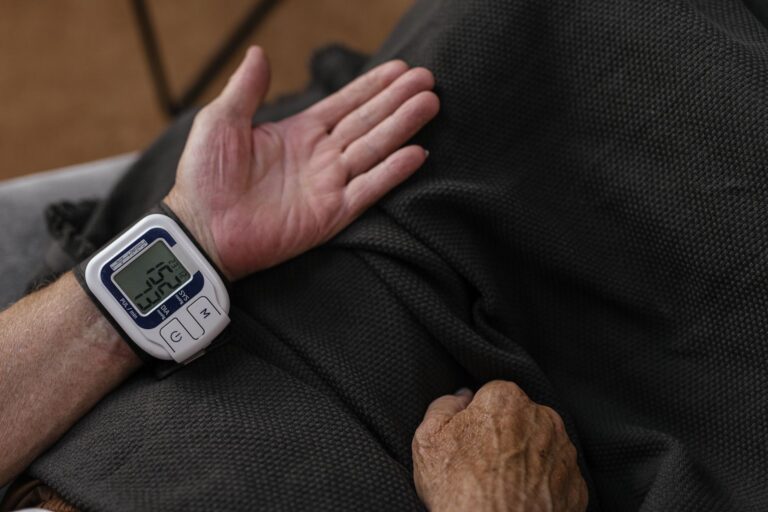
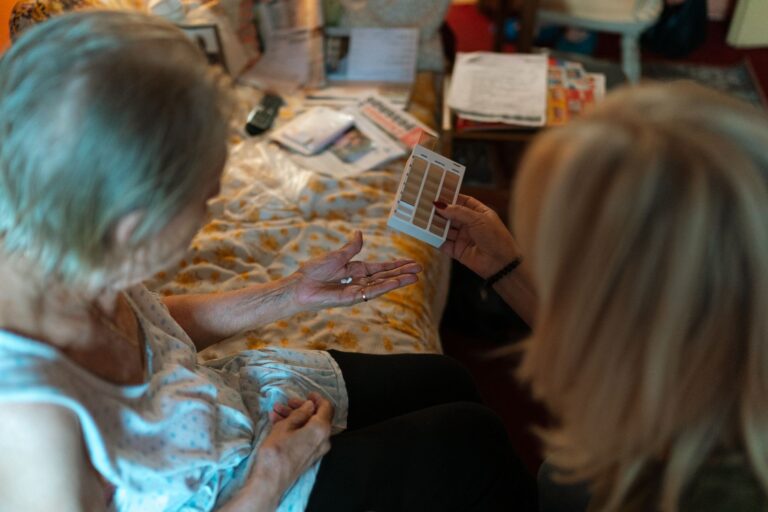
The celebrity weight loss drug that mainstream medicine has embraced is the GLP-1 receptor agonist — a class of medications originally developed for Type 2 diabetes that now represents one of the most significant pharmaceutical crossovers in modern history. Sold under brand names like Ozempic, Wegovy, Mounjaro, and Zepbound, these drugs mimic a gut hormone called GLP-1 to suppress appetite and slow gastric emptying. What started as whispered Hollywood gossip has become a legitimate medical revolution, with the FDA approving the first oral GLP-1 pill for chronic weight management in December 2025 and researchers now investigating these drugs for conditions ranging from heart disease and kidney failure to addiction and sleep apnea. For those of us focused on brain health and dementia care, this story matters more than it might first appear. Obesity, cardiovascular disease, and metabolic dysfunction are all established risk factors for cognitive decline.
Any drug class that meaningfully addresses these conditions has potential downstream implications for the aging brain. Oprah Winfrey, Serena Williams, Amy Schumer, Chrissy Teigen, and Vanessa Williams have all spoken publicly about using these medications — and their openness has helped shift the conversation from vanity to genuine medical intervention. But the real story is not who is taking these drugs. It is what the clinical data says they can do, who can actually afford them, and where the science is headed next. This article covers how GLP-1 drugs work and why they have moved beyond weight loss, what the clinical trial numbers actually show, who is talking about them and why that matters, how pricing and insurance coverage stand in 2026, and what emerging research could mean for brain health and aging.
Table of Contents
- What Are GLP-1 Weight Loss Drugs and Why Is Mainstream Medicine Paying Attention?
- Which Celebrities Have Used GLP-1 Drugs — and Why Their Honesty Matters for Patients
- Beyond Weight Loss — The Expanding Medical Applications That Affect Brain Health
- The Real Cost of GLP-1 Drugs in 2026 — Pricing, Insurance, and Access
- Side Effects, Limitations, and Who Should Think Twice
- The Oral GLP-1 Pill — A Game Changer for Older Adults
- What Is Coming Next — And What It Could Mean for Dementia Prevention
- Conclusion
- Frequently Asked Questions
What Are GLP-1 Weight Loss Drugs and Why Is Mainstream Medicine Paying Attention?
GLP-1 receptor agonists work by mimicking glucagon-like peptide-1, a hormone your gut naturally releases after eating. When you inject semaglutide (the active ingredient in Ozempic and Wegovy) or tirzepatide (Mounjaro and Zepbound), the drug tells your brain you are full, slows the rate at which food leaves your stomach, and improves insulin sensitivity. The result is that people eat less without the white-knuckle willpower that derailed so many previous approaches to weight management. In clinical trials, oral semaglutide at 25 mg achieved 16.6 percent mean weight loss at 64 weeks compared to just 2.7 percent for placebo. One-third of adherent participants lost at least 20 percent of their body weight. Tirzepatide can push results above 20 percent, and a next-generation triple agonist called retatrutide has shown average weight loss of up to 24 percent in early trials. What got mainstream medicine’s attention was not the weight loss alone — it was the cardiovascular data. Large-scale trials demonstrated a 12 to 26 percent reduction in major adverse cardiovascular events, including heart attack, stroke, and cardiovascular death. That is a meaningful reduction, comparable to what statins achieved when they first entered widespread use.
For a drug class that also helps people lose significant weight, the combination proved irresistible to cardiologists, endocrinologists, and primary care physicians alike. The FDA has since approved Zepbound for obstructive sleep apnea and Ozempic for slowing chronic kidney disease progression in patients with Type 2 diabetes. Studies on addiction, liver disease, and other metabolic conditions are underway. The distinction between a “celebrity fad” and a legitimate medical tool has collapsed. These are not diet pills in the old sense — stimulants that revved your heart and carried serious risks. GLP-1 drugs address the underlying hormonal and metabolic machinery that governs appetite and energy storage. However, they are not without side effects. Nausea, vomiting, and gastrointestinal discomfort are common, particularly during dose escalation. And the weight tends to come back if you stop taking the medication, which raises real questions about long-term use, cost, and access.

Which Celebrities Have Used GLP-1 Drugs — and Why Their Honesty Matters for Patients
Celebrity endorsements are often dismissed as superficial, but in this case, public disclosure has served a genuine medical purpose. Oprah Winfrey confirmed in late 2025 that she had been using a GLP-1 drug for several years after decades of publicly documented yo-yo dieting. For millions of people who watched Winfrey struggle with weight over a 30-year career, her acknowledgment that willpower alone was not enough carried real weight. Serena Williams opened up about losing 31 pounds with the help of a GLP-1 medication. Amy Schumer revealed in March 2025 that she was taking Mounjaro and described it as a “really good experience.” Chrissy Teigen disclosed she turned to Ozempic following her 2020 miscarriage, and Vanessa Williams started Mounjaro when she began going through menopause. These disclosures matter because they chip away at the shame that has historically surrounded weight loss medication.
For older adults managing cognitive health, maintaining a healthy weight is not cosmetic — it is clinical. Obesity in midlife is associated with increased dementia risk, and the metabolic inflammation that accompanies excess weight can accelerate neurodegeneration. When high-profile figures speak openly about using medically supervised pharmacotherapy rather than crash diets or unregulated supplements, it normalizes the conversation for everyone else. However, celebrity stories also come with a warning. What works for a wealthy public figure with a personal physician, a nutritionist, and a trainer may not translate directly to a 72-year-old on a fixed income managing multiple chronic conditions. The drug is the same, but the support system around it is not. Patients considering GLP-1 therapy should work closely with their own doctors rather than drawing conclusions from Instagram posts or talk-show segments, no matter how well-intentioned.
Beyond Weight Loss — The Expanding Medical Applications That Affect Brain Health
The most exciting developments in GLP-1 research have nothing to do with fitting into smaller clothes. Researchers are finding that these drugs affect the body in ways that extend well beyond appetite suppression, and several of those effects intersect directly with brain health and dementia risk. The cardiovascular benefits alone — a 12 to 26 percent reduction in major adverse events like heart attack and stroke — are relevant to cognitive aging because vascular damage is one of the primary drivers of vascular dementia, the second most common form of dementia after Alzheimer’s disease. Fewer strokes means fewer cases of post-stroke cognitive impairment. Zepbound’s FDA approval for obstructive sleep apnea adds another layer. Sleep apnea disrupts the brain’s glymphatic system — the waste-clearance process that removes amyloid-beta and tau proteins during deep sleep. Patients on GLP-1 drugs have reported decreased reliance on CPAP machines, which suggests genuine improvement in airway function rather than mere symptom management.
For the dementia care community, anything that improves sleep quality in older adults deserves close attention. Meanwhile, Ozempic’s approval for slowing chronic kidney disease in Type 2 diabetes patients addresses yet another systemic condition linked to cognitive decline, since kidney dysfunction can accelerate vascular damage throughout the body, including the brain. Perhaps the most surprising finding involves addiction. Studies show that GLP-1 users are less likely to develop substance-use disorders. Novo Nordisk is studying the effects on alcohol consumption, and Eli Lilly is testing a drug on alcohol, tobacco, and opioid use disorders. The GLP-1 receptor is present in brain regions associated with reward and motivation, which may explain why some patients report reduced cravings not just for food but for alcohol and nicotine as well. For caregivers and clinicians managing older adults who struggle with alcohol misuse — a frequently under-discussed contributor to cognitive decline — this line of research could eventually open new treatment pathways.

The Real Cost of GLP-1 Drugs in 2026 — Pricing, Insurance, and Access
The clinical promise of GLP-1 drugs runs headlong into a brutal economic reality. The TrumpRx program has made Ozempic, Wegovy, and Zepbound available for approximately 350 dollars per month, with the oral Wegovy lowest dose starting at 149 dollars per month through savings programs. Medicare has negotiated prices of around 245 dollars per month with copays around 50 dollars, and a broader Medicare coverage pilot is expected to begin in mid-to-late 2026. For older adults already on Medicare, this pilot could be a turning point — but it has not arrived yet, and the timeline remains uncertain. The bigger problem is commercial insurance. Coverage for weight-loss use has actually worsened rather than improved.
According to tracking data from GoodRx, 56 percent of people — more than 109 million Americans — have no insurance coverage for Zepbound, and Wegovy coverage gaps increased 42 percent compared to 2025. This means that even as the medical establishment increasingly recognizes GLP-1 drugs as legitimate treatments for obesity and its downstream consequences, insurers are pulling back. The result is a two-tier system where affluent patients and those with generous employer plans get access while everyone else is left behind. For families managing dementia care, the financial calculus is especially painful. Caregiving costs are already enormous — the Alzheimer’s Association estimates that unpaid caregivers provide billions of dollars in uncompensated labor annually. Adding 350 dollars per month for a GLP-1 drug that might reduce cardiovascular and metabolic risk factors is a significant additional burden. Patients and caregivers should explore manufacturer savings programs, check whether their specific insurance plan covers these medications when prescribed for diabetes or cardiovascular risk rather than weight loss alone, and ask their physicians about clinical trial enrollment as another route to access.
Side Effects, Limitations, and Who Should Think Twice
GLP-1 drugs are not appropriate for everyone, and the enthusiasm surrounding them should not obscure their limitations. The most common side effects are gastrointestinal — nausea, vomiting, diarrhea, and constipation affect a substantial percentage of users, particularly during the early weeks of treatment and during dose escalation. For older adults, especially those who are already underweight or at risk of malnutrition, the appetite suppression can be dangerous rather than helpful. Muscle mass loss is a documented concern: when people lose weight rapidly, they tend to lose both fat and lean muscle, and in older adults, that muscle loss can accelerate frailty, increase fall risk, and worsen functional independence. Another critical limitation is what happens when you stop. The weight tends to return, often quickly, once the medication is discontinued.
This creates a long-term dependency question that medicine has not fully resolved. If a 68-year-old starts a GLP-1 drug to reduce cardiovascular risk factors, is the expectation that they remain on it indefinitely? What happens if insurance coverage changes, or the patient develops a contraindication, or supply shortages disrupt access? These are not hypothetical concerns — GLP-1 supply chains have already experienced significant disruptions in recent years. For people living with dementia or mild cognitive impairment, there is an additional practical consideration. GLP-1 drugs require either regular self-injection or consistent daily pill-taking. Cognitive impairment can make medication adherence difficult, and the gastrointestinal side effects may be harder to manage for someone who cannot clearly communicate their discomfort. Caregivers considering these drugs for a loved one with cognitive decline should have candid conversations with their medical team about whether the potential metabolic benefits outweigh the practical challenges.

The Oral GLP-1 Pill — A Game Changer for Older Adults
On December 22, 2025, the FDA approved oral Wegovy — the first GLP-1 pill approved for chronic weight management — marking a significant shift in how these medications can be delivered. The pill became available in pharmacies in early January 2026, with a starting dose available for 149 dollars per month through savings programs. For older adults who are uncomfortable with self-injection or who lack the dexterity to handle syringes, the oral formulation removes a meaningful barrier to treatment. Eli Lilly’s orforglipron, another oral GLP-1, has been submitted to the FDA for review as well, which could introduce competition and potentially drive prices down further.
The pill form is not without its own challenges, though. Oral semaglutide must be taken on an empty stomach with a small amount of water, and patients need to wait at least 30 minutes before eating, drinking, or taking other medications. For older adults managing complex multi-drug regimens, this adds a layer of scheduling complexity. Still, for many patients and caregivers, swallowing a daily pill is far preferable to a weekly injection, and broader adoption could accelerate the research into neurological and cognitive benefits that the dementia care community is watching closely.
What Is Coming Next — And What It Could Mean for Dementia Prevention
The GLP-1 pipeline is moving fast. Retatrutide, a triple agonist targeting GLP-1, GIP, and glucagon receptors simultaneously, showed average weight loss of up to 24 percent in early trials — a figure that surpasses current options. Combination therapies targeting GLP-1 alongside amylin analogs and glucagon receptor agonists are also in development, aiming for even greater metabolic impact with potentially fewer side effects. If these next-generation drugs deliver on their early promise, the question for brain health researchers will shift from whether metabolic intervention can reduce dementia risk to how much it can reduce that risk and at what stage of life the intervention matters most.
Preliminary research into GLP-1 receptor activity in the brain suggests these drugs may have direct neuroprotective effects beyond their indirect benefits through weight loss and cardiovascular improvement. GLP-1 receptors are found throughout the central nervous system, and animal studies have shown reduced neuroinflammation and improved neuronal survival with GLP-1 agonist treatment. Human trials specifically targeting cognitive outcomes are still in early stages, but the convergence of metabolic, cardiovascular, and neurological evidence has made this one of the most closely watched areas in dementia prevention research. The coming years will determine whether the celebrity weight loss drug turns out to be something far more consequential — a tool that helps protect the aging brain.
Conclusion
GLP-1 receptor agonists have completed a remarkable journey from diabetes medication to celebrity weight loss phenomenon to mainstream medical tool. The clinical data supports their use: 16 to 24 percent body weight reduction depending on the drug, significant cardiovascular risk reduction, FDA approvals for sleep apnea and kidney disease, and promising research into addiction and liver disease. The approval of oral Wegovy in late 2025 removed the injection barrier, and the emergence of next-generation drugs like retatrutide promises even greater efficacy. For the dementia care community, the intersection of metabolic health, cardiovascular protection, sleep quality, and potential direct neuroprotective effects makes this drug class impossible to ignore. The obstacles remain real. Insurance coverage is worsening even as clinical evidence strengthens.
Costs, though declining, are still substantial for people on fixed incomes. Side effects and muscle mass loss require careful monitoring in older adults. And the long-term implications of indefinite use are still being studied. But for individuals managing midlife metabolic risk factors that contribute to cognitive decline, a conversation with their physician about GLP-1 therapy is increasingly well-supported by science. This is no longer about looking like a celebrity. It is about what modern pharmacology can do for the body — and potentially the brain — as we age.
Frequently Asked Questions
Can GLP-1 drugs like Ozempic or Wegovy prevent dementia?
There is no approved use of GLP-1 drugs for dementia prevention, and no completed large-scale human trials have demonstrated a direct cognitive benefit. However, these drugs address several established dementia risk factors — obesity, cardiovascular disease, sleep apnea, and metabolic dysfunction — which is why researchers are actively investigating potential neuroprotective effects. Animal studies have shown promise, but human cognitive outcome trials are still in early stages.
Are GLP-1 drugs safe for older adults over 70?
GLP-1 drugs have been used in older adults, but they require careful medical supervision. The primary concerns are muscle mass loss, which can increase frailty and fall risk, and gastrointestinal side effects that may lead to dehydration or malnutrition. Older adults considering these drugs should discuss the risks and benefits with their physician, particularly if they are already at a healthy weight or managing multiple medications.
How much do GLP-1 drugs cost in 2026 without insurance?
Through the TrumpRx program, Ozempic, Wegovy, and Zepbound are available for approximately 350 dollars per month. The oral Wegovy starting dose is available for 149 dollars per month through savings programs. Medicare has negotiated prices of around 245 dollars per month with copays of about 50 dollars, though a broader coverage pilot is not expected until mid-to-late 2026. Commercial insurance coverage has actually declined, with over 109 million Americans lacking coverage for Zepbound.
What is the difference between Ozempic, Wegovy, Mounjaro, and Zepbound?
Ozempic and Wegovy both contain semaglutide, made by Novo Nordisk. Ozempic is approved for Type 2 diabetes, while Wegovy is approved for chronic weight management. Mounjaro and Zepbound both contain tirzepatide, made by Eli Lilly. Mounjaro is approved for diabetes, and Zepbound is approved for weight management and obstructive sleep apnea. Tirzepatide targets both GLP-1 and GIP receptors, while semaglutide targets GLP-1 alone, which may account for tirzepatide’s slightly greater weight loss in some studies.
Will GLP-1 drugs be available as a pill instead of an injection?
Yes. The FDA approved oral Wegovy (semaglutide in pill form) on December 22, 2025, and it has been available in pharmacies since early January 2026. Eli Lilly has also submitted orforglipron, its own oral GLP-1, to the FDA for review. The oral form must be taken on an empty stomach with water, and patients must wait 30 minutes before eating or taking other medications.
You Might Also Like
- The Drug That Reverses Opioid Overdose in 2 Minutes — Now OTC
- The Mood Disorder Drug Approved Just for Premenstrual Dysphoric Disorder
- The Cancer Drug Only Available if You Have This Specific Gene Mutation
For more, see National Institute on Aging.