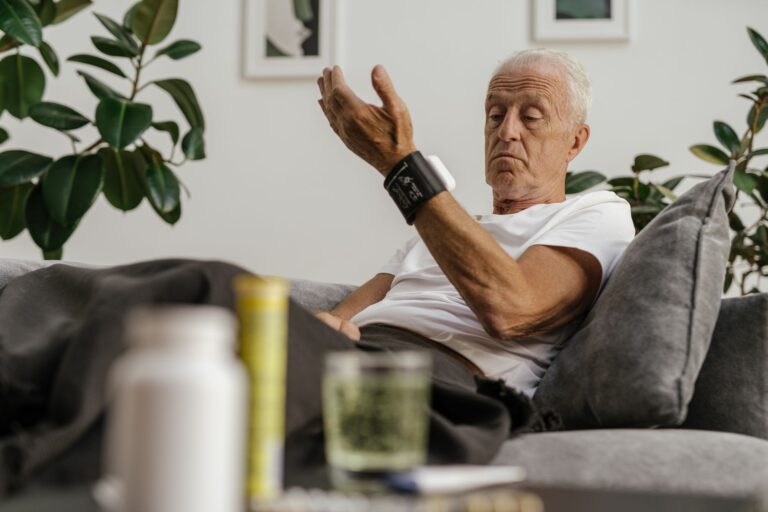
Supplement influencers sits at the center of this dementia and brain health question.
Doctors are sounding the alarm because a wave of social media influencers is aggressively marketing peptides, high-dose vitamins, and other unregulated supplements directly to consumers — products that carry real risks including contamination with toxic heavy metals, dangerous interactions with medical treatments, and in the case of peptides like BPC-157, a theoretical mechanism that could fuel tumor growth. The FDA banned more than 12 peptides in late 2023, including BPC-157, TB-500, CJC-1295, and thymosin, yet these substances continue to flood TikTok and Instagram feeds, repackaged as muscle builders, weight-loss aids, and anti-aging miracles by creators who often have undisclosed financial ties to the companies selling them. The problem extends well beyond peptides.
A study of intensively advertised supplements on Instagram found that two-thirds exceeded the recommended maximum daily intake set by the European Food Safety Authority, and influencers almost never disclosed the health risks of those excessive doses. Meanwhile, the Fred Hutchinson Cancer Center reported in February 2026 that large clinical trials show many common dietary supplements offer little proven benefit for cancer prevention and may actually increase cancer risk. For anyone concerned about brain health, cognitive decline, or dementia prevention, the implications are serious: unvetted supplements promoted by people with no medical training are not just ineffective — they can be genuinely dangerous. This article examines why physicians describe the current supplement landscape as “the Wild West,” what specific risks peptides and high-dose vitamins pose, how financial conflicts drive influencer marketing, and what you can do to protect yourself and your loved ones from products that have no business being sold as health solutions.
Table of Contents
- What Are the Peptides That Have Doctors So Alarmed?
- How Contaminated Are These Products, and What Does That Mean for Your Health?
- The Financial Machine Behind Influencer Supplement Marketing
- What Does the Science Actually Say About Supplements and Brain Health?
- Why the FDA Struggles to Keep Up with Supplement Risks
- What Happened When Law Enforcement Got Involved
- Where This Is Headed and What to Watch For
- Conclusion
- Frequently Asked Questions
What Are the Peptides That Have Doctors So Alarmed?
The peptide at the center of this controversy is BPC-157, a synthetic chain of amino acids that influencers claim can heal injuries, reduce inflammation, and even sharpen cognitive function. What they rarely mention is that nearly all existing research on BPC-157 comes from a single group of researchers in Croatia, that the substance has never been approved for human use by the FDA, and that the U.S. Anti-Doping Agency has flagged it as a prohibited substance for athletes due to its experimental status and unknown safety profile. A February 2026 investigation by STAT news laid out the “big claims and scant evidence” behind BPC-157’s popularity, noting the enormous gap between what influencers promise and what science has actually demonstrated. The biological mechanism that makes BPC-157 appealing is also what makes it frightening to oncologists. BPC-157 promotes angiogenesis — the growth of new blood vessels.
That sounds beneficial for healing, but angiogenesis is also the primary mechanism tumors use to establish blood supply, metastasize, and invade other parts of the body. For someone with an undiagnosed cancer, or a family history of cancer, injecting a substance that stimulates blood vessel growth is a gamble with stakes most influencers never acknowledge. This is especially concerning for older adults — the demographic most at risk for both dementia and cancer — who may turn to these products hoping for neuroprotective benefits that have never been established in human trials. Beyond BPC-157, the FDA’s ban covered substances like TB-500, CJC-1295, and thymosin, all of which were being sold through compounding pharmacies and online retailers with minimal oversight. In 2026, the FDA issued a peptide reclassification that further restricted compounding of certain peptides and emphasized the need for physician oversight. Yet enforcement remains inconsistent, and the products remain widely available through gray-market channels that label them as “research chemicals” to sidestep regulation.

How Contaminated Are These Products, and What Does That Mean for Your Health?
Even if a peptide had proven benefits — and to be clear, most have not been validated in human clinical trials — the products actually reaching consumers are a different problem entirely. Independent laboratory testing of black-market peptide products has found contamination with toxic heavy metals, including arsenic and lead, sometimes at ten times the acceptable limit for injectable drugs. These are not pills being swallowed and partially filtered by the digestive system. Many peptide products are injected, meaning contaminants enter the bloodstream directly. The scope of contamination is not limited to peptides. A 2010 Government Accountability Office report found trace amounts of lead, arsenic, mercury, cadmium, or pesticides in 93 percent of 40 tested supplements — a staggering contamination rate that predates the current influencer-driven boom by more than a decade. The supplement industry has grown enormously since then, but the regulatory framework has not kept pace.
Under current U.S. law, supplements are regulated more like foods than drugs. No premarket approval for safety or efficacy is required. Manufacturers are not even required to tell the FDA the names or ingredients of their products before putting them on store shelves or shipping them to customers. However, it is worth noting that contamination risk varies significantly by product type and source. Supplements purchased from established, reputable manufacturers who voluntarily submit to third-party testing (look for USP, NSF, or ConsumerLab seals) carry lower risk than products bought through social media shops or unverified online retailers. If you or a family member currently takes a supplement recommended by a physician and sourced from a verified manufacturer, the contamination concern is lower — though not zero. The alarm from doctors is directed primarily at the unregulated, influencer-promoted pipeline where quality control is essentially nonexistent.
The Financial Machine Behind Influencer Supplement Marketing
Follow the money, and the influencer supplement pipeline starts to make more sense. Influencer marketing now accounts for over 30 percent of digital marketing expenditure in the supplement industry, and supplement sales on tiktok Shop alone topped one billion dollars in 2026, with 32 percent of brands now selling through the platform — up from 17 percent the prior year. These are not casual product mentions. They are coordinated marketing campaigns built on affiliate programs, discount codes, and revenue-sharing arrangements that give influencers a direct financial incentive to promote products regardless of their safety or efficacy. The Department of Justice has already demonstrated that it takes this pipeline seriously. Federal prosecutors pursued Tailor Made Compounding LLC, forcing the company to forfeit $1.79 million for selling unapproved peptide products.
But enforcement actions like this are rare relative to the scale of the market. Many influencers — and, more troublingly, some healthcare professionals — maintain financial ties with supplement companies without adequate disclosure. A viewer watching a fitness influencer inject BPC-157 on camera has no way of knowing whether that person is sharing a genuine experience or performing a paid advertisement disguised as personal testimony. For families navigating dementia care, this financial dynamic is particularly predatory. Caregivers desperate for anything that might slow cognitive decline are vulnerable targets for marketing that promises brain-boosting benefits from unproven compounds. When an influencer with a million followers says a peptide “changed my brain fog,” the emotional pull for a caregiver watching a parent deteriorate is immense — and the influencer’s affiliate commission creates zero incentive to mention the lack of evidence or the FDA ban.

What Does the Science Actually Say About Supplements and Brain Health?
The contrast between supplement marketing claims and clinical evidence is stark. The Fred Hutchinson Cancer Center’s February 2026 report found that large clinical trials show many common dietary supplements offer little proven benefit for cancer prevention, and some may actually increase cancer risk. The same pattern holds for cognitive health: while certain nutrients are essential for brain function, the leap from “your brain needs vitamin D” to “taking 50,000 IU of vitamin D3 will prevent dementia” is not supported by rigorous evidence. Vitamin D3 is widely sold in those massive doses with no premarket FDA safety review required, yet excessive vitamin D intake can cause hypercalcemia, kidney damage, and other serious complications. The tradeoff that doctors want patients to understand is straightforward.
A balanced diet rich in omega-3 fatty acids, antioxidants, and B vitamins — combined with regular exercise, adequate sleep, and social engagement — has far more evidence behind it for brain health than any supplement stack promoted on Instagram. Supplements can play a role when a specific, diagnosed deficiency exists, but that requires blood work and a physician’s guidance, not an influencer’s discount code. The Fred Hutchinson researchers also warned that some supplements can interfere with active cancer treatments, reducing their effectiveness — a risk that applies equally to anyone undergoing treatment for neurological conditions. For older adults and their caregivers, the practical comparison is this: a Mediterranean-style diet and 30 minutes of daily walking have been associated with meaningful reductions in dementia risk across multiple large-scale studies. A peptide injection sourced from an unregulated online seller has been associated with heavy metal contamination and an FDA ban. The evidence-based choice is not ambiguous.
Why the FDA Struggles to Keep Up with Supplement Risks
The regulatory gap at the heart of this crisis was built into law decades ago. Under the Dietary Supplement Health and Education Act of 1994, supplements entered a regulatory category closer to food than to pharmaceuticals. The practical result is that the FDA generally cannot act until consumers are already suffering ill effects. A drug company must prove its product is safe and effective before selling it. A supplement company can sell first and face consequences later — if regulators ever catch up. This reactive model is especially dangerous in the age of social media marketing, where a single viral TikTok can drive millions of dollars in sales within days.
By the time the FDA identifies a safety signal, investigates, and issues a warning, hundreds of thousands of consumers may have already purchased and used the product. The 2026 peptide reclassification was a step toward closing this gap, but doctors and public health advocates argue it does not go far enough. The fundamental problem remains: the burden of proof falls on regulators to demonstrate harm, not on manufacturers to demonstrate safety. For anyone with a loved one living with dementia or cognitive impairment, this regulatory reality demands extra caution. Cognitive decline can make it harder for individuals to critically evaluate marketing claims, and caregivers may not always be aware of what supplements are being purchased or consumed. If your family member is ordering supplements through social media platforms, it is worth reviewing those purchases and discussing them with their physician — not because all supplements are dangerous, but because the current system provides almost no guardrails against the ones that are.

What Happened When Law Enforcement Got Involved
The prosecution of Tailor Made Compounding LLC offers a window into how the enforcement side works — and how limited it remains. The DOJ forced the company to forfeit $1.79 million for selling unapproved peptide products, a significant penalty for a single company but a drop in the bucket relative to a market now generating over a billion dollars annually through TikTok Shop alone.
The case demonstrated that federal prosecutors are willing to pursue supplement fraud, but it also underscored how difficult it is to police an industry where new sellers and products appear faster than regulators can investigate them. NPR reported in February 2026 that influencers continue promoting banned peptides openly on social media platforms, suggesting that neither the FDA bans nor the DOJ prosecution have meaningfully deterred the market. Doctors describe the situation as “the Wild West” — a label that reflects not just the lack of regulation, but the absence of standardized dosing, purity controls, or any reliable way for consumers to know what they are actually putting into their bodies.
Where This Is Headed and What to Watch For
The trajectory of the influencer supplement market suggests the problem will get worse before it gets better. TikTok Shop supplement sales nearly doubled their brand participation in a single year, and the financial incentives for influencers to promote these products continue to grow.
Legislative efforts to reform supplement regulation have historically stalled against industry lobbying, though the FDA’s 2026 peptide reclassification and increased DOJ enforcement signal at least some appetite for tighter oversight. For the brain health and dementia care community, the most important development to watch is whether the FDA expands its enforcement actions beyond peptides to address the broader ecosystem of high-dose vitamins and unproven cognitive supplements marketed to older adults. In the meantime, the best protection remains the least glamorous advice in medicine: talk to your doctor before taking anything new, demand to see the clinical trial evidence, and be deeply skeptical of anyone who profits from your purchase.
Conclusion
The supplement industry’s collision with influencer culture has created a public health problem that existing regulations were never designed to handle. From peptides contaminated with heavy metals to vitamin doses that exceed safe limits by orders of magnitude, the products being pushed through social media carry risks that most consumers never hear about — because the people selling them have every financial incentive to stay quiet. For families dealing with dementia and cognitive decline, the stakes are especially high, as desperation for effective treatments makes people vulnerable to marketing that substitutes hope for evidence. The path forward requires both systemic change and individual vigilance.
Support efforts to strengthen FDA oversight of supplements, but do not wait for policy to catch up. Talk to physicians about any supplement your family member is taking or considering. Look for third-party testing seals. And treat any health claim delivered through a social media discount code with the skepticism it deserves. The brain health interventions with the strongest evidence behind them — physical activity, social connection, cognitive engagement, and a balanced diet — do not require an affiliate link.
Frequently Asked Questions
Is BPC-157 legal to buy in the United States?
The FDA banned BPC-157 and several other peptides in late 2023, and further restricted their compounding in 2026. However, they remain available through gray-market sellers who label them as “research chemicals.” Purchasing and injecting these products carries both legal ambiguity and serious health risks, including contamination with heavy metals found at up to ten times acceptable limits.
Can supplements help prevent dementia or cognitive decline?
Large clinical trials have not demonstrated that common dietary supplements prevent cognitive decline in people who are not deficient in specific nutrients. If blood work reveals a deficiency in vitamin B12, vitamin D, or another nutrient important for brain health, supplementation under medical supervision can be appropriate. But megadose supplements marketed on social media are not a substitute for evidence-based interventions.
How can I tell if a supplement is safe?
Look for products that carry third-party testing seals from USP, NSF International, or ConsumerLab. These organizations independently verify that a product contains what its label claims and is free of harmful contaminants. However, even third-party-tested supplements should be discussed with a physician, particularly for older adults taking prescription medications.
Why doesn’t the FDA just ban unsafe supplements?
Under current U.S. law, supplements are regulated more like foods than drugs. Manufacturers do not need premarket approval and are not even required to register their ingredients with the FDA. The agency generally cannot act until a product has already caused harm, which means enforcement is inherently reactive rather than preventive.
Are all influencer-promoted supplements dangerous?
Not all, but the financial incentives create systemic risk. Influencer marketing accounts for over 30 percent of digital marketing spending in the supplement industry, and many promoters have undisclosed affiliate arrangements. The two-thirds of intensively advertised supplements on Instagram that exceeded safe dosage limits suggest the problem is widespread, not isolated to a few bad actors.
You Might Also Like
- Why Your Doctor Hates That You’re Taking This Popular Supplement
- Vitamin K2 and D3 Together: Why Some Doctors Now Recommend the Combo
- The Zinc Supplement Proven to Shorten Colds — Dose and Timing Matter
For more, see Alzheimer’s Association.