For the roughly 476,000 Americans diagnosed with Lyme disease each year, the standard prescription sounds straightforward: take antibiotics for two to three weeks, and the infection clears. But for somewhere between 10 and 20 percent of those patients — potentially 47,600 to 95,200 people annually — the standard course of antibiotics is not enough. They finish treatment, test negative for active infection, and still find themselves unable to think clearly, unable to shake bone-deep fatigue, or unable to move through a day without widespread pain. This condition, formally called Post-Treatment Lyme Disease Syndrome, represents one of the more frustrating gaps in modern infectious disease medicine: we know how to kill the bacterium, but we do not fully understand why so many patients remain sick afterward.
A 2022 study from the Johns Hopkins Lyme Disease Research Center found that even among patients diagnosed early and treated promptly — the best-case scenario — 14 percent still developed persistent symptoms lasting six months or longer. That statistic challenges the common reassurance that catching Lyme early guarantees a clean recovery. Breakthrough research from Northwestern University in 2025 has begun to explain why, pointing to bacterial remnants that linger in the body and drive inflammation long after the infection itself is gone. This article examines what happens when standard Lyme treatment falls short, what the latest science reveals about persistent symptoms, and what options — proven and experimental — are available to patients who find themselves stuck in a cycle of illness that antibiotics alone cannot resolve.
Table of Contents
- Why Does Standard Lyme Disease Treatment Fail for So Many Patients?
- Bacterial Ghosts — What Northwestern’s 2025 Research Reveals About Persistent Inflammation
- The Persistence Problem — Biofilms, L-Forms, and Why Borrelia Is Hard to Eradicate
- Extended Antibiotics — What the Clinical Trials Actually Show
- New Drug Candidates and Clinical Trials Offer Cautious Hope
- The National Push for Better Answers
- What Persistent Lyme Means for Brain Health
- Conclusion
- Frequently Asked Questions
Why Does Standard Lyme Disease Treatment Fail for So Many Patients?
The CDC-recommended treatment for early Lyme disease is oral antibiotics — typically doxycycline for 10 to 14 days, or amoxicillin or cefuroxime for 14 to 21 days. More complex presentations, including neurologic Lyme disease and late Lyme arthritis, may require 14 to 28 days of antibiotics, sometimes administered intravenously with ceftriaxone. By conventional metrics, these regimens work: the vast majority of patients clear the active Borrelia burgdorferi infection. The problem is that clearing the infection and restoring the patient to health are not always the same thing. The symptoms that persist — cognitive dysfunction often described as brain fog, crushing fatigue, and musculoskeletal pain — overlap significantly with symptoms seen in other post-infectious syndromes. For readers of a brain health publication, the cognitive dimension is particularly relevant. Patients report difficulty with word retrieval, short-term memory, processing speed, and concentration.
These are not vague complaints. They interfere with work, relationships, and daily functioning in ways that can mimic early neurodegenerative conditions, sometimes leading to misdiagnosis or the dismissal of symptoms as psychological. The distinction matters: Post-Treatment Lyme Disease Syndrome is a recognized medical entity, not a diagnosis of exclusion or a catchall for unexplained fatigue. What separates PTLDS from a simple slow recovery is duration and severity. By definition, symptoms must persist for six months or more after completion of appropriate antibiotic therapy. Compared to someone recovering from a bad flu who feels run down for a few weeks, PTLDS patients describe a qualitatively different experience — one where cognitive and physical function remain substantially impaired months into what should be recovery. The question researchers have been chasing is whether this represents residual damage, an ongoing immune process, or something else entirely.
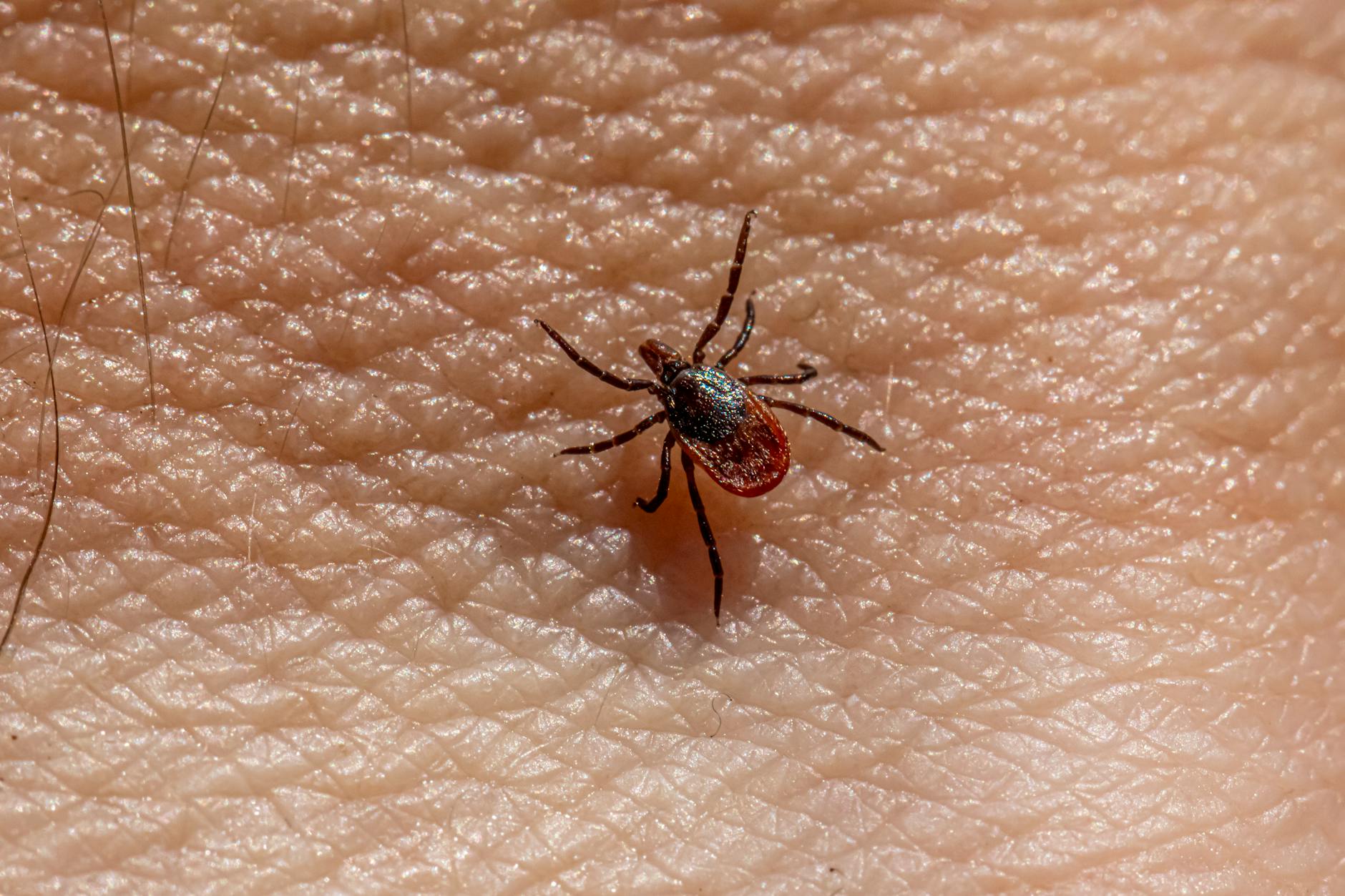
Bacterial Ghosts — What Northwestern’s 2025 Research Reveals About Persistent Inflammation
In May 2025, researchers at Northwestern University published findings that may fundamentally change how we understand Post-Treatment Lyme Disease Syndrome. The team, led by McClune and colleagues, discovered that fragments of the Lyme bacterium’s cell wall — specifically a structural molecule called peptidoglycan — persist in the body even after antibiotics successfully kill the bacteria. In mouse models, these fragments accumulated in the liver and joints. Critically, the researchers also found peptidoglycan fragments in the joint fluid of human Lyme arthritis patients, confirming that this is not just an animal phenomenon. What makes these fragments so problematic is their chemical structure. The peptidoglycan from Borrelia burgdorferi is modified by sugars originating from the tick itself during transmission. These tick-derived sugar modifications make the fragments structurally unique — essentially unrecognizable to the human body’s normal cellular cleanup machinery.
Unable to break down and clear these fragments, the immune system instead mounts a sustained inflammatory response against them. The result is persistent immune activation driven not by living bacteria but by molecular debris that the body cannot process. This is a critical distinction: it means that additional antibiotics aimed at killing bacteria would be targeting an enemy that is already dead. However, this finding does not mean that every patient with lingering symptoms after Lyme treatment is experiencing peptidoglycan-driven inflammation. The research was conducted primarily in mouse models with confirmation in a limited number of human joint fluid samples. Whether peptidoglycan persistence explains the full spectrum of PTLDS symptoms — including the cognitive dysfunction and fatigue that are most debilitating for many patients — remains an open question. Patients and clinicians should be cautious about over-extrapolating from these early results, even as they represent a genuine advance in understanding the biology of persistent Lyme symptoms.
The Persistence Problem — Biofilms, L-Forms, and Why Borrelia Is Hard to Eradicate
Beyond the peptidoglycan story, emerging research from 2026 has added another layer of complexity to the treatment puzzle. Scientists have found evidence that under antibiotic pressure, Borrelia burgdorferi can shift into alternative survival forms. These include cell-wall-deficient variants — sometimes called L-forms or cyst forms — that are metabolically quieter than the normal spirochete form of the bacterium. In this dormant-like state, the bacteria become significantly harder to kill with standard antibiotics, which generally target actively dividing organisms. Additionally, Borrelia has been observed forming biofilms — structured communities of bacteria encased in a protective matrix that shields them from both antibiotics and immune attack. Biofilm formation is a well-documented survival strategy across many bacterial species, from the plaque on teeth to chronic wound infections. What makes Borrelia’s biofilm capacity particularly concerning is that standard laboratory culture methods may fail to detect these forms, meaning a patient could test negative for active infection while harboring reservoirs of viable but dormant organisms.
This raises an uncomfortable clinical scenario. A patient completes standard antibiotic therapy. Standard tests show no active infection. Symptoms persist. The current guidelines — reasonably, based on available trial data — recommend against further antibiotic courses. But if a subset of patients harbor persister cells embedded in biofilms or hiding in cell-wall-deficient forms, the clinical picture becomes more nuanced than “the infection is gone, so the antibiotics worked.” It is important to note that this research is still in early stages, and the clinical significance of these persister forms in humans has not been definitively established through controlled trials. The gap between laboratory observation and proven clinical relevance remains wide.

Extended Antibiotics — What the Clinical Trials Actually Show
Given the suffering of PTLDS patients, extended antibiotic therapy seems like an obvious solution to test. Researchers have done exactly that, and the results are sobering. Five of six randomized controlled trials conducted between 2001 and 2008 evaluating extended antibiotic courses — some lasting up to three months — found no sustained benefit in their primary outcome measures for patients with persistent Lyme symptoms. A major randomized trial published in the New England Journal of Medicine confirmed that longer-term antibiotic treatment did not provide additional health-related quality of life benefits beyond shorter-term treatment. These findings create a genuine dilemma. On one side, the IDSA, AAN, and ACR jointly recommend against prolonged antibiotic therapy for PTLDS, citing the lack of proven benefit and real risks of harm.
Those risks are not trivial: extended antibiotic use carries the possibility of Clostridioides difficile infection — a potentially life-threatening intestinal condition — along with contributions to broader antibiotic resistance, allergic reactions, and complications from intravenous catheter lines in patients receiving IV antibiotics. On the other side, patients who are genuinely suffering often feel abandoned by a medical system that tells them the infection is gone but offers no effective alternative treatment for their ongoing symptoms. The tradeoff is stark. Extended antibiotics carry documented risks with no proven sustained benefit in controlled trials, yet the absence of effective alternatives leaves patients in limbo. Some clinicians practicing outside mainstream guidelines do prescribe extended courses, sometimes for months or years. Whether individual patients experience genuine improvement from these regimens or benefit from placebo effects, the natural fluctuation of symptoms, or other factors remains unclear without better-designed studies. What is clear is that simply repeating the same antibiotic strategy for longer periods has not, in rigorous testing, solved the problem.
New Drug Candidates and Clinical Trials Offer Cautious Hope
The recognition that current treatments are inadequate for a significant minority of Lyme patients has spurred new research. In 2025, Northwestern scientists made a potentially significant pharmacological discovery: piperacillin, a penicillin-class antibiotic already approved by the FDA for other uses, effectively cured Lyme disease in mice at 100 times less than the effective dose of doxycycline, the current first-line treatment. This dramatic difference in potency suggests that current antibiotics may not be optimally matched to the biology of Borrelia burgdorferi, and that better drug options may already exist within the existing pharmacopeia. The piperacillin finding emerged from a broader screening effort by Gabby and colleagues, who tested nearly 500 FDA-approved drugs to identify candidates that might outperform current Lyme treatments. Using drugs that are already approved for human use could significantly shorten the path from discovery to clinical availability, since safety profiles are already established.
However, mouse results do not automatically translate to human efficacy, and no clinical trials of piperacillin for Lyme disease in humans have been reported yet. Meanwhile, SUNY Upstate Medical University, working through the Columbia Clinical Trials Network, has launched a pilot study testing a novel ceftriaxone dosing regimen for patients with persistent symptoms after Lyme treatment. The study is enrolling 20 patients across sites in New York and New Jersey. A pilot study of this size cannot provide definitive answers, but it can establish safety, generate preliminary efficacy signals, and inform the design of larger trials. Patients interested in participating should be aware that pilot studies are exploratory — they are a first step, not a guarantee of access to a proven treatment.

The National Push for Better Answers
The scope of the problem has attracted attention beyond individual research labs. The National Academies of Sciences, Engineering, and Medicine has an active project specifically aimed at charting a path toward new treatments for Lyme infection-associated chronic illnesses. This institutional involvement signals that the medical establishment increasingly recognizes PTLDS as a legitimate, urgent public health problem rather than a fringe concern.
The project’s focus on symptom-targeted therapies — rather than solely on eradicating the bacterium — represents a meaningful shift in approach. For a condition that affects tens of thousands of new patients annually and has resisted solution through conventional antibiotic strategies, this kind of coordinated, multi-institution effort may be necessary to break through the current impasse. The involvement of the National Academies also lends credibility to patient advocacy efforts and may help secure the federal research funding needed for larger clinical trials.
What Persistent Lyme Means for Brain Health
For those concerned with cognitive health and dementia prevention, the intersection of Lyme disease and brain function deserves particular attention. The cognitive symptoms of PTLDS — impaired memory, reduced processing speed, difficulty with executive function — overlap with early presentations of neurodegenerative disease. Emerging understanding of how persistent bacterial fragments drive chronic inflammation has parallels with broader research into neuroinflammation as a contributor to Alzheimer’s disease and other dementias.
While no causal link between PTLDS and dementia has been established, the shared inflammatory mechanisms suggest that better understanding of one condition may inform the other. As research progresses, the most promising direction appears to be a dual approach: developing better antimicrobial strategies to prevent persistence in the first place, and simultaneously developing anti-inflammatory or immune-modulating therapies to address the downstream consequences when prevention fails. For patients currently living with PTLDS, staying engaged with evidence-based information, participating in clinical trials when possible, and working with physicians who take their symptoms seriously remain the most productive paths forward.
Conclusion
The standard two-to-three-week course of antibiotics for Lyme disease works for most patients, but it fails a significant minority — somewhere between 10 and 20 percent — leaving them with debilitating cognitive, physical, and neurological symptoms that can persist for months or years. The 2025 discovery of persistent bacterial cell wall fragments that drive ongoing inflammation offers the most compelling biological explanation to date for why these patients remain sick, while emerging evidence of bacterial persister forms and biofilms suggests the picture may be even more complex than a single mechanism can explain.
The current treatment landscape is defined by an uncomfortable gap: extended antibiotics have not proven effective in controlled trials, yet no approved alternatives exist for PTLDS patients. New drug candidates like piperacillin, active clinical trials testing novel dosing strategies, and the National Academies’ coordinated push for symptom-targeted therapies represent genuine reasons for cautious optimism. For patients navigating this uncertain terrain, the most important step is finding a clinician who acknowledges the reality of persistent symptoms while remaining grounded in evidence — someone willing to say both “your suffering is real” and “we need better science to know how to help you.”.
Frequently Asked Questions
What is the difference between Post-Treatment Lyme Disease Syndrome and “chronic Lyme disease”?
Post-Treatment Lyme Disease Syndrome (PTLDS) is a medically recognized condition defined by persistent symptoms lasting six or more months after completion of standard, guideline-recommended antibiotic treatment for a confirmed Lyme diagnosis. “Chronic Lyme disease” is a broader, less precisely defined term sometimes used by patients and certain clinicians but not formally recognized by the CDC or IDSA. PTLDS has specific diagnostic criteria; chronic Lyme disease does not.
Should I ask my doctor for a longer course of antibiotics if my Lyme symptoms persist?
You should discuss your symptoms openly with your physician, but be aware that five of six randomized controlled trials found no sustained benefit from extended antibiotic courses for persistent Lyme symptoms, and prolonged antibiotics carry real risks including C. difficile infection and antibiotic resistance. Current IDSA/AAN/ACR guidelines recommend against additional antibiotic courses unless there is objective evidence of reinfection or treatment failure.
Can Lyme disease cause permanent brain damage or increase dementia risk?
There is currently no established causal link between Lyme disease and dementia. However, the cognitive symptoms of PTLDS — brain fog, memory problems, and slowed processing — can be severe and persistent. Research into neuroinflammation as a shared mechanism between post-infectious syndromes and neurodegenerative disease is ongoing, but it is too early to draw definitive conclusions about long-term dementia risk from Lyme disease.
Are there clinical trials I can join for new Lyme disease treatments?
Yes. SUNY Upstate Medical University is currently running a pilot study testing a novel ceftriaxone dosing regimen for patients with persistent post-treatment Lyme symptoms, with sites in New York and New Jersey. Additional trials may be listed on ClinicalTrials.gov. Consult your physician before enrolling in any study.
What did the 2025 Northwestern research actually find?
Researchers discovered that fragments of the Lyme bacterium’s cell wall (peptidoglycan) persist in the body after antibiotics kill the bacteria. These fragments, modified by tick-derived sugars, cannot be broken down by human tissues and act as persistent inflammatory triggers. This was demonstrated in mice and confirmed in human joint fluid samples, offering a potential explanation for why symptoms continue after the infection is cleared.
You Might Also Like
- 10 Early Warning Signs of Degenerative Disc Disease
- 8 Common Mistakes People Make When Treating Herniated Disc Pain
- 7 Physical Therapy Techniques Doctors Use to Treat Bulging Discs Without Surgery
For more, see Alzheimer’s Association — clinical trials.