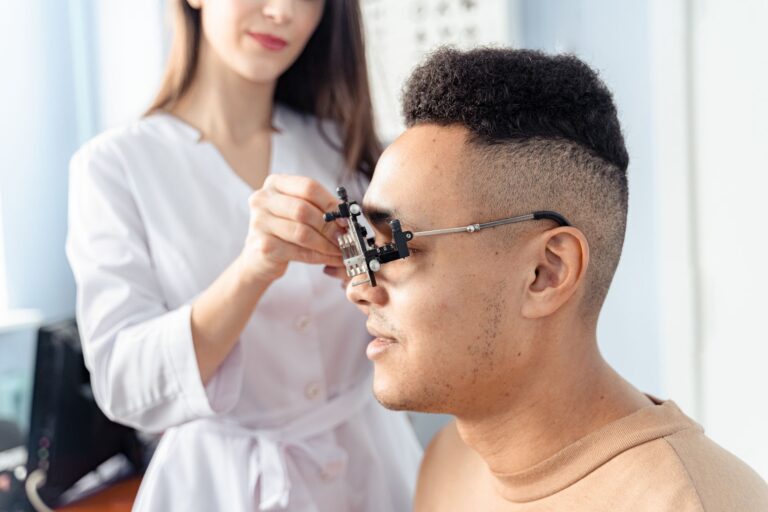
Physical therapy sits at the center of this dementia and brain health question.
For a broader overview, see our dementia treatment and medications guide.
7 Physical Therapy: this caregiver-focused guide explains what 7 physical therapy means in plain English, the day-to-day implications for families, and when to bring it up with a clinician. If you arrived here looking for a quick orientation on 7 physical therapy, the table of contents below points to the section you need; the full guide picks up after it.
Table of contents
- Table of Contents
- What Is the McKenzie Method and Why Do Doctors Recommend It First for Bulging Discs?
- How Manual Therapy and Spinal Mobilization Reduce Disc-Related Pain
- Core Stabilization Exercises That Protect a Bulging Disc
- Spinal Traction Versus Dry Needling — Comparing Two Different Treatment Approaches
- Neural Mobilization — When Nerve Pain Persists Despite Other Treatments
- Electrotherapy, Ultrasound, and Laser Therapy as Supporting Treatments
- When Physical Therapy Is Enough and When Surgery Becomes Necessary
Physical therapy remains one of the most effective ways to treat a bulging disc without going under the knife, and the numbers back this up. Between 70 and 90 percent of patients with bulging discs recover through physical therapy alone, according to published clinical data. The seven techniques most commonly used by doctors and physical therapists include the McKenzie Method, manual therapy, core stabilization exercises, spinal traction, dry needling, neural mobilization, and electrotherapy modalities like ultrasound and TENS. Many patients begin feeling meaningful relief within two to six weeks, with approximately 80 percent experiencing benefits within four to six weeks of starting conservative treatment. Consider someone like a 52-year-old office worker diagnosed with a lumbar disc bulge pressing on the L5 nerve root. Rather than scheduling surgery, her orthopedist refers her to a physical therapist who combines McKenzie extension exercises with nerve glides and core strengthening.
Within six weeks, her sciatica has largely resolved. This scenario plays out routinely in clinics across the country and is well supported by research published in The Spine Journal showing that up to 90 percent of patients improve without surgery within six weeks of appropriate management. This article breaks down each of the seven physical therapy techniques, explains what the research actually says about their effectiveness, and covers when surgery might still be necessary. For those navigating brain health and aging-related concerns, understanding non-surgical spine treatments is particularly relevant. Chronic pain from spinal conditions can accelerate cognitive decline, disrupt sleep, and limit the physical activity that protects brain health. Keeping the spine functional without the risks of surgery and general anesthesia is often the smarter long-term play.
Table of Contents
- What Is the McKenzie Method and Why Do Doctors Recommend It First for Bulging Discs?
- How Manual Therapy and Spinal Mobilization Reduce Disc-Related Pain
- Core Stabilization Exercises That Protect a Bulging Disc
- Spinal Traction Versus Dry Needling — Comparing Two Different Treatment Approaches
- Neural Mobilization — When Nerve Pain Persists Despite Other Treatments
- Electrotherapy, Ultrasound, and Laser Therapy as Supporting Treatments
- When Physical Therapy Is Enough and When Surgery Becomes Necessary
- Conclusion
- Frequently Asked Questions
What Is the McKenzie Method and Why Do Doctors Recommend It First for Bulging Discs?
The McKenzie Method, formally known as Mechanical Diagnosis and Therapy, is often the first physical therapy technique doctors prescribe for bulging discs because it empowers patients to manage their own symptoms. The approach centers on postural correction and repeated end-range extension exercises performed multiple times throughout the day. A study of 60 patients with confirmed disc bulges found that after McKenzie therapy, spinal mobility normalized to 87.1 percent of average values in the cervical spine, 66.7 percent in the thoracic spine, and 95 percent in the lumbar region. The same study documented a significant decrease in Oswestry Disability Index scores and measurable reduction in herniation size on follow-up imaging. What sets the McKenzie Method apart from other approaches is its track record in head-to-head comparisons. Systematic reviews have found it superior to other physical therapy methods for disability reduction from four weeks to six months, and for both pain and disability outcomes from day one through six months.
The self-management component is a major advantage. Rather than relying solely on in-clinic visits, patients learn a series of directional preference exercises, most commonly prone press-ups for lumbar disc bulges, that they perform at home several times daily. However, the McKenzie Method is not universally appropriate. Patients with spinal stenosis or those whose symptoms worsen with extension movements may need a flexion-based approach instead. A trained McKenzie-certified therapist will assess directional preference during the initial evaluation. If extension makes your leg pain travel further down the leg rather than centralizing toward the spine, the therapist will modify the program accordingly.

How Manual Therapy and Spinal Mobilization Reduce Disc-Related Pain
Manual therapy encompasses hands-on techniques including spinal mobilization, joint manipulation, soft tissue work, and neurodynamic mobilization of the lower extremities. Clinical guidelines recommend manual therapy as a first-line conservative approach before considering surgical intervention for disc herniation. The evidence supports its use for decreasing pain and improving functional deficits, particularly when combined with active exercise programs rather than used in isolation. A typical manual therapy session for a bulging disc might include joint mobilizations applied to the lumbar spine, thoracic spine, and hip, along with soft tissue mobilization of the paraspinal muscles and nerve glides targeting the sciatic nerve. The thoracic and hip components matter because restrictions in these adjacent regions force the lumbar spine to compensate, placing additional stress on the bulging disc.
Addressing the entire kinetic chain reduces the mechanical load on the injured segment. There is an important limitation to understand. Manual therapy provides temporary pain relief and improved mobility, but without concurrent strengthening and movement retraining, the benefits tend to fade. Patients who receive only passive manual treatment without progressing to active exercise programs often experience symptom recurrence. The best outcomes occur when manual therapy is used to create a window of reduced pain that allows the patient to participate more fully in therapeutic exercise. If your therapist is only doing hands-on work visit after visit without transitioning you toward independent exercise, that is a red flag worth discussing.
Core Stabilization Exercises That Protect a Bulging Disc
core stabilization and therapeutic exercise form the backbone of any bulging disc rehabilitation program. Research supports trunk coordination, core stability, and resistive exercise programs for improving muscular strength, flexibility, endurance, pain levels, and disability scores. The specific exercises considered safe and effective for disc bulge patients include prone press-ups, glute bridges, bird-dogs, core bracing techniques, and gentle walking. These movements strengthen the muscles that act as a natural brace for the spine without placing dangerous loads on the compromised disc. A well-designed program includes both strength training and cardiovascular conditioning components. The strength work targets the deep stabilizers, particularly the multifidus and transversus abdominis, which research has shown atrophy rapidly after a disc injury.
Walking is typically the first cardiovascular exercise introduced because it promotes gentle spinal motion, increases blood flow to the disc, and can be dosed precisely by adjusting duration and pace. For example, a patient might start with three ten-minute walks daily and progress over several weeks to 30 to 45 minutes of continuous walking. The critical mistake many patients make is returning to heavy lifting or high-impact exercise too quickly after symptoms improve. A bulging disc may feel better long before the surrounding musculature has rebuilt the strength and endurance needed to protect it under load. Rushing back to deadlifts, running, or even aggressive yoga poses like deep forward folds can re-aggravate the disc. Most physical therapists recommend at least eight to twelve weeks of progressive loading before returning to demanding physical activities, and some patients need longer depending on the severity of the bulge and their baseline fitness.

Spinal Traction Versus Dry Needling — Comparing Two Different Treatment Approaches
Spinal traction, also called decompression therapy, works on a straightforward mechanical principle. By creating negative intradiscal pressure, traction aims to retract bulging disc material away from compressed nerves. This can be performed manually by a physical therapist applying a sustained pull to the legs or pelvis, or through mechanical decompression devices that deliver precise, programmable force. Systematic reviews list traction among recommended conservative treatments to try before considering surgery, though the evidence for traction as a standalone treatment is more modest than for exercise-based approaches. Dry needling takes a completely different approach to the same problem. Rather than targeting the disc itself, dry needling addresses the muscle spasm and myofascial trigger points in the paraspinal muscles that develop as a secondary response to disc compression.
Thin needles are inserted into these trigger points to release the sustained muscle contraction that contributes to pain and further compresses the affected spinal segment. Dry needling is included in evidence-based conservative treatment protocols for lumbar disc herniation with radiculopathy. The tradeoff between these two techniques often comes down to the patient’s primary symptom driver. If the dominant problem is nerve compression from the disc bulge itself, traction may offer more direct relief. If the patient’s pain is heavily influenced by protective muscle guarding and spasm, which is common in the acute phase, dry needling can break that pain-spasm cycle more effectively. Many therapists use both in combination, applying dry needling to release muscle tension before performing traction with less resistance from tight musculature. Neither technique replaces the need for active rehabilitation exercises.
Neural Mobilization — When Nerve Pain Persists Despite Other Treatments
Neural mobilization, commonly called nerve gliding or nerve flossing, specifically targets the irritated or compressed nerves affected by a bulging disc. The sciatic nerve is the most frequent target in lumbar disc cases. These techniques involve carefully sequenced movements that gently slide the nerve through its surrounding tissues, aiming to restore normal nerve movement and reduce the neural tension caused by disc protrusion. Systematic reviews recommend neural mobilization as part of comprehensive non-surgical management for disc herniation. A typical sciatic nerve glide involves lying on the back, holding the thigh at 90 degrees, and slowly straightening and bending the knee while flexing and extending the ankle in alternating fashion. The movement should produce a gentle pulling sensation, not sharp pain.
When performed correctly and consistently, nerve glides can reduce the hypersensitivity that keeps the nerve firing pain signals even as the disc itself begins to heal. The critical warning with neural mobilization is that aggressive stretching of an acutely inflamed nerve can make symptoms significantly worse. Patients who aggressively stretch into pain, thinking they need to push through resistance, risk increasing nerve inflammation and swelling. This is especially important for older adults or anyone with diabetes or other conditions that compromise nerve health. Neural mobilization should always begin gently and progress gradually. If symptoms increase or leg pain spreads further from the spine after nerve glides, the technique needs to be modified or temporarily discontinued. A skilled therapist will know the difference between therapeutic tension and harmful overstretching.

Electrotherapy, Ultrasound, and Laser Therapy as Supporting Treatments
Therapeutic ultrasound, laser therapy, and electrical stimulation such as TENS units are used as adjunctive pain management tools alongside the active therapies described above. These modalities reduce inflammation and promote tissue healing around the affected disc. Clinical management guidelines recommend them as supplements to, not replacements for, exercise-based rehabilitation. A patient might receive fifteen minutes of therapeutic ultrasound over the paraspinal muscles before performing their McKenzie exercises, for instance, allowing them to move with less discomfort during the active portion of their session.
The honest assessment of these passive modalities is that they should represent a diminishing fraction of treatment time as rehabilitation progresses. In the first week or two after an acute disc flare, they can meaningfully reduce pain and muscle spasm enough for the patient to begin moving. But a therapy program that remains heavily reliant on ultrasound and TENS at the six-week mark is not following best evidence. These tools open the door to recovery. The active techniques, the exercises, the movement retraining, and the gradual return to function, are what walk through it.
When Physical Therapy Is Enough and When Surgery Becomes Necessary
The landmark SPORT trial, one of the largest studies comparing surgical and non-surgical treatment for disc herniation, offers a nuanced picture. At four years, surgical patients reported 79.2 percent major improvement compared with 51.7 percent in the non-operative group. That gap sounds significant until you examine the timeline more closely. By two years, pain and physical function scores were comparable between the two groups. Surgery got patients to the finish line faster, but most non-surgical patients arrived at a similar destination.
This finding reinforces why most spine specialists now recommend a minimum of six weeks of dedicated physical therapy before discussing surgical options. The patients who ultimately need surgery tend to have progressive neurological deficits, such as worsening leg weakness or loss of bladder and bowel control, which represent genuine emergencies. For the vast majority of bulging disc patients, the combination of techniques outlined in this article, tailored to their specific presentation by a skilled physical therapist, will resolve the problem without an operating room. As the population ages and the intersection of spinal health with cognitive well-being becomes better understood, keeping people active and pain-free through conservative management is not just a spine issue. It is a brain health issue.
Conclusion
The seven physical therapy techniques used to treat bulging discs without surgery, spanning the McKenzie Method, manual therapy, core stabilization, spinal traction, dry needling, neural mobilization, and electrotherapy modalities, represent a well-researched and effective treatment pathway for the majority of patients. The statistics consistently show that 70 to 90 percent of people recover without surgical intervention, and most begin experiencing relief within two to six weeks of starting a structured physical therapy program. The key is receiving the right combination of techniques matched to your specific symptoms, applied in the right sequence, and progressed appropriately over time. If you or someone you care for is dealing with a bulging disc, the first step is a thorough evaluation by a physical therapist trained in spinal rehabilitation.
Bring any imaging reports you have, describe exactly what movements and positions make your symptoms better or worse, and be prepared to commit to a home exercise program. The research is clear that passive treatments alone are insufficient. Recovery requires active participation. For those managing aging-related health concerns alongside spinal issues, remember that resolving chronic pain is one of the most impactful things you can do to protect sleep quality, maintain physical activity levels, and support long-term cognitive function.
Frequently Asked Questions
How long does physical therapy take to work for a bulging disc?
Most patients begin noticing improvement within two to six weeks, with approximately 80 percent experiencing meaningful benefits within four to six weeks of consistent conservative treatment. Full recovery typically takes a few months depending on the severity of the bulge and how consistently the patient follows the prescribed exercise program.
Can a bulging disc heal completely without surgery?
Yes. Research shows that 70 to 90 percent of patients with bulging discs recover with physical therapy alone. The body can reabsorb disc material over time, and strengthening the surrounding musculature reduces the mechanical stress that caused the bulge in the first place.
Is it safe to exercise with a bulging disc?
Specific exercises prescribed by a physical therapist are not only safe but essential for recovery. Safe options include prone press-ups, glute bridges, bird-dogs, core bracing, and gentle walking. The key is avoiding movements that increase leg pain or cause symptoms to spread further from the spine. High-impact activities and heavy lifting should be avoided until cleared by your therapist.
What is the difference between a bulging disc and a herniated disc?
A bulging disc extends beyond its normal boundary but the outer layer remains intact. A herniated disc involves a tear in the outer layer that allows inner material to leak out. Both conditions are treated with the same physical therapy techniques, though herniations may take longer to resolve and are somewhat more likely to require surgical intervention if conservative treatment fails.
When should I consider surgery instead of physical therapy?
Surgery becomes a serious consideration if you develop progressive neurological deficits such as worsening leg weakness, foot drop, or loss of bladder or bowel control. These symptoms suggest significant nerve compromise that may not resolve with conservative care alone. For most other presentations, at least six weeks of dedicated physical therapy is recommended before discussing surgical options.
You Might Also Like
- 9 Physical Therapy Exercises Doctors Use to Stabilize a Herniated Disc Without Surgery
- Dry Socket Treatment: The Drug That Kills the Pain in 10 Minutes
- New Drug Approved for Alcohol Use Disorder — First in 20 Years
Sources used for this 7 Physical Therapy guide
- National Institute on Aging — Alzheimer’s and related dementias
- Alzheimer’s Association
- Mayo Clinic — Dementia
This article is informational and not medical advice. See our Editorial Policy for how we research and review content. Last reviewed June 6, 2026.
For more, see Alzheimer’s Association — clinical trials.