Seborrheic dermatitis sits at the center of this dementia and brain health question.
For a broader overview, see our caregiver daily support guide.
Seborrheic Dermatitis Shampoo: this caregiver-focused guide explains what seborrheic dermatitis shampoo means in plain English, the day-to-day implications for families, and when to bring it up with a clinician. If you arrived here looking for a quick orientation on seborrheic dermatitis shampoo, the table of contents below points to the section you need; the full guide picks up after it.
Table of contents
- Table of Contents
- Which Antifungal Shampoo Ingredients Actually Work Against Seborrheic Dermatitis?
- What the Head-to-Head Clinical Trials Actually Show
- Dermatologist Recommendations and How Severity Guides Treatment Choice
- Cost, Access, and Practical Tradeoffs Between Antifungal Shampoos
- Common Mistakes and Limitations of Antifungal Shampoo Treatment
- Seborrheic Dermatitis and Overall Health Connections
- Emerging Therapies and What the Future Holds
Ketoconazole is the most clinically effective antifungal shampoo ingredient for seborrheic dermatitis, particularly for moderate-to-severe cases. In a multicenter randomized controlled trial of 331 patients, ketoconazole 2% achieved a 73% clinical response rate, statistically outperforming zinc pyrithione’s 67% response rate. If you have been cycling through drugstore dandruff shampoos without relief, the answer backed by the strongest clinical evidence points to ketoconazole-based formulations like Nizoral A-D as the place to start. That said, “which antifungal actually works” is not a single answer for every person.
Severity matters. Someone with mild flaking and occasional itchiness may do perfectly well with a zinc pyrithione shampoo and never need a prescription. Someone dealing with thick, stubborn scale across the scalp and behind the ears will likely need the stronger antifungal punch that ketoconazole delivers. This article breaks down the four major antifungal ingredients head to head, walks through what the clinical trials actually found, and covers practical considerations like cost, availability, and emerging therapies that may change treatment in the coming years.
Table of Contents
- Which Antifungal Shampoo Ingredients Actually Work Against Seborrheic Dermatitis?
- What the Head-to-Head Clinical Trials Actually Show
- Dermatologist Recommendations and How Severity Guides Treatment Choice
- Cost, Access, and Practical Tradeoffs Between Antifungal Shampoos
- Common Mistakes and Limitations of Antifungal Shampoo Treatment
- Seborrheic Dermatitis and Overall Health Connections
- Emerging Therapies and What the Future Holds
- Conclusion
- Frequently Asked Questions
Which Antifungal Shampoo Ingredients Actually Work Against Seborrheic Dermatitis?
Four active ingredients dominate the seborrheic dermatitis shampoo market, and they work through fundamentally different mechanisms. Ketoconazole inhibits fungal growth at remarkably low concentrations, between 0.001 and 1 micrograms per milliliter, and achieves higher drug concentration in the stratum corneum (the outermost skin layer) than other antifungals like miconazole. This is significant because seborrheic dermatitis is driven by an overgrowth of Malassezia yeast on the skin surface, so getting antifungal medication concentrated right where the yeast lives is half the battle. Zinc pyrithione offers antimicrobial, antifungal, and anti-inflammatory properties in one package, making it a solid multitasker for milder presentations. Selenium sulfide takes a different approach entirely, working by exfoliating affected skin and inhibiting sebum production through its effect on thymine binding to epidermal cell DNA.
Ciclopirox olamine rounds out the group by chelating metal ions, especially iron, which disrupts the metabolism of Malassezia species broadly. The practical difference between these ingredients comes down to potency versus accessibility. Ketoconazole at the prescription-strength 2% concentration is the most potent, but the 1% version available over the counter in products like Nizoral A-D still outperforms many alternatives. Zinc pyrithione is found in widely available brands like Head and Shoulders and Vanicream, costs less, and requires no prescription. However, if you are in Europe, zinc pyrithione was banned in cosmetic products by the EU in 2022 due to environmental concerns, which significantly limits your options there. Selenium sulfide at 1% is available over the counter in products like Selsun Blue, while the stronger 2.5% concentration requires a prescription.
What the Head-to-Head Clinical Trials Actually Show
The strongest evidence for comparing these ingredients comes from randomized controlled trials that tested them directly against each other, not just against placebo. In a multicenter RCT involving 331 patients with severe scalp seborrheic dermatitis, ketoconazole 2% shampoo achieved a 73% clinical response rate compared to 67% for zinc pyrithione 1%. That difference was statistically significant, meaning it was not attributable to chance. Separately, a double-blind, placebo-controlled trial of 246 patients found ketoconazole used twice weekly for four weeks was statistically superior to selenium sulfide 2.5% for moderate-to-severe dandruff. However, the picture changes when you look at maintenance therapy rather than acute treatment.
A study of 400 patients comparing zinc pyrithione and selenium sulfide for maintaining remission after initial clearing found no statistically significant difference between the two. this is an important distinction: ketoconazole may be the best at knocking down a bad flare, but once your scalp is under control, a less potent (and often cheaper) ingredient may be equally effective at keeping it that way. If your dermatologist prescribes ketoconazole to get a stubborn flare under control and then switches you to zinc pyrithione for maintenance, that is a clinically rational strategy, not a downgrade. A 2025 study also showed promising results for combination therapy. Selenium sulfide 1% paired with salicylic acid 0.9% reduced severe dandruff cases from 28.4% to just 3.2% after four weeks, with 90.5% of participants reporting only mild or no dandruff. This suggests that combining an antifungal with a keratolytic agent like salicylic acid can meaningfully boost outcomes, even at lower antifungal concentrations.
Dermatologist Recommendations and How Severity Guides Treatment Choice
Dermatologists do not treat all seborrheic dermatitis the same way, and neither should you. Northwestern Medicine’s guidelines draw a clear line: for mild-to-moderate cases, zinc pyrithione, salicylic acid, and selenium sulfide are effective and more affordable options. For moderate-to-severe cases, ketoconazole is generally the recommended first-line treatment. The American Academy of Dermatology also suggests washing affected body areas with pyrithione zinc soaps, acknowledging that seborrheic dermatitis frequently extends beyond the scalp to the face, chest, and skin folds. Ketoconazole shampoo is widely considered the gold standard in antifungal hair care and is frequently the first dermatologist recommendation for stubborn scalp conditions.
Nizoral A-D, the 1% over-the-counter formulation, is consistently cited as a top pick across dermatology resources. But here is a practical consideration many articles skip: you should not use ketoconazole daily for extended periods unless directed by a doctor. Most protocols call for twice-weekly use. Using it more aggressively can dry out the scalp and paradoxically increase flaking. If you find yourself needing it daily just to keep symptoms at bay, that is a signal to see a dermatologist rather than escalate on your own.

Cost, Access, and Practical Tradeoffs Between Antifungal Shampoos
Choosing a shampoo is not purely a clinical decision. A prescription ketoconazole 2% shampoo with insurance copay can cost more than a bottle of Head and Shoulders that lasts twice as long. For someone with mild seborrheic dermatitis who responds well to zinc pyrithione, spending extra on ketoconazole offers marginal benefit at higher cost. The 6-percentage-point difference in clinical response rates between ketoconazole and zinc pyrithione (73% versus 67%) is statistically significant in a trial but may not be clinically meaningful for someone whose flaking clears with either product.
Ciclopirox olamine deserves mention as an alternative with broad-spectrum antifungal activity comparable to ketoconazole, but it is only available by prescription. It is worth asking about if ketoconazole causes irritation or if you suspect your seborrheic dermatitis involves a wider range of fungal species. The tradeoff is straightforward: ciclopirox requires a doctor visit and prescription, whereas Nizoral A-D is sitting on the pharmacy shelf. For most people, starting with OTC options and escalating only if needed makes the most practical sense. Europeans dealing with the zinc pyrithione ban may find that selenium sulfide becomes their primary OTC option, with ketoconazole 1% or ciclopirox as prescription alternatives.
Common Mistakes and Limitations of Antifungal Shampoo Treatment
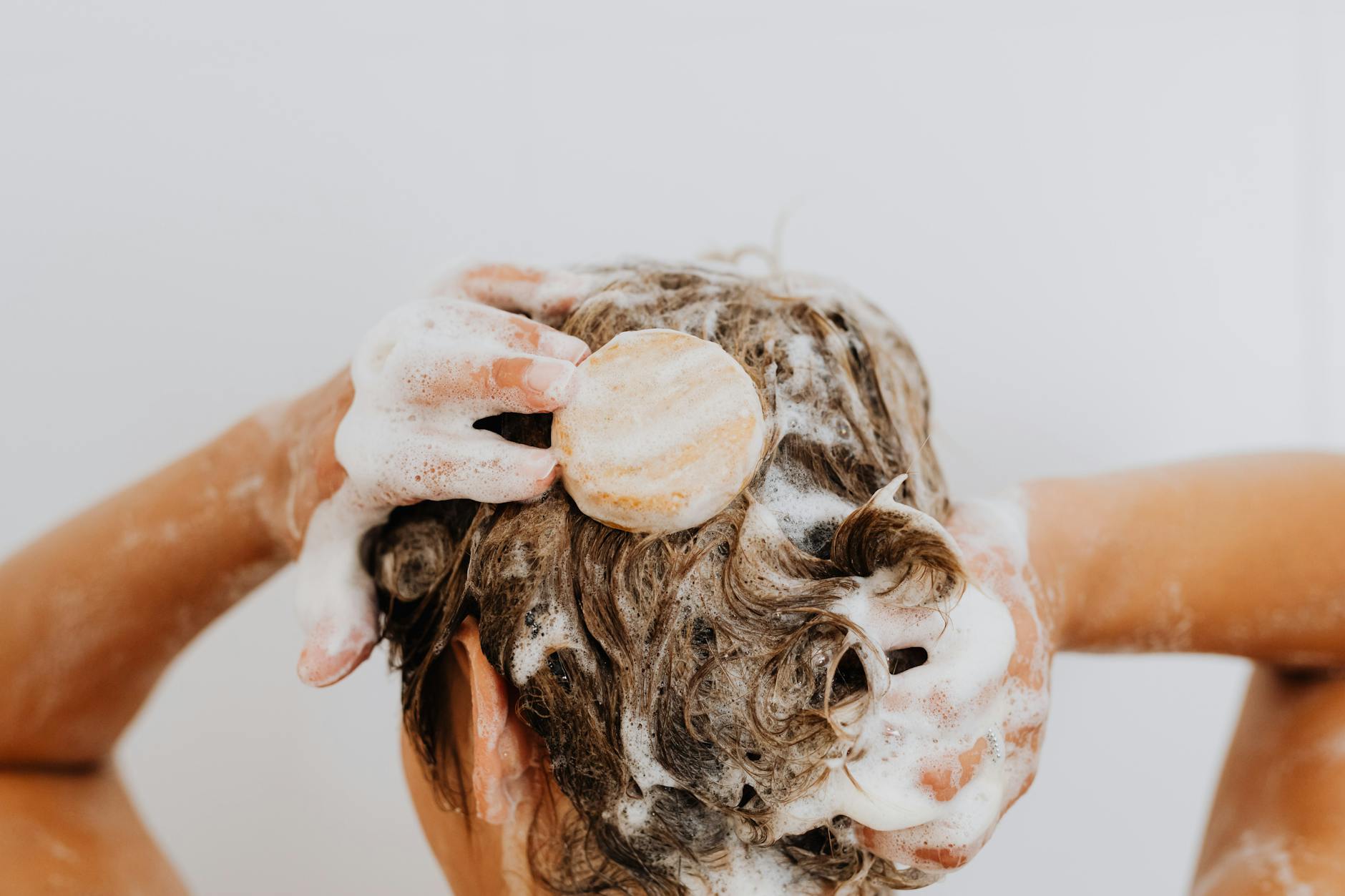
The most common mistake people make with medicated shampoos is not leaving them on long enough. These are not regular shampoos. Most antifungal shampoos need to sit on the scalp for three to five minutes before rinsing to allow the active ingredient time to penetrate the stratum corneum. Lathering and immediately rinsing reduces the product to an expensive conditioner. The second most common mistake is stopping treatment as soon as symptoms improve. Seborrheic dermatitis is a chronic, relapsing condition.
The Malassezia yeast is a normal part of your skin flora, and it does not leave permanently. Most dermatologists recommend tapering to a maintenance schedule rather than stopping outright. There are also cases where antifungal shampoos alone will not get the job done. If you have thick, adherent scale, you may need a keratolytic agent like salicylic acid or coal tar to break up the scale first so the antifungal can actually reach the skin surface. The 2025 study combining selenium sulfide with salicylic acid supports this layered approach. Additionally, seborrheic dermatitis on the face and body often requires different formulations altogether, as shampoo-strength products can be too harsh for facial skin. If your condition extends beyond the scalp, a dermatologist can prescribe lower-concentration creams or foams designed for sensitive areas.

Seborrheic Dermatitis and Overall Health Connections
Seborrheic dermatitis flares are frequently linked to stress, immune suppression, and neurological conditions. The condition is notably more prevalent and more severe in people with Parkinson’s disease, and it is also common in individuals recovering from stroke or living with other neurological disorders.
This connection is not coincidental. The nervous system plays a role in regulating sebum production and immune responses in the skin, and when neurological function is compromised, seborrheic dermatitis often worsens. For caregivers managing skin symptoms in someone with cognitive decline or neurological disease, it is worth flagging persistent scalp issues to their neurologist as well as their dermatologist, since flares can sometimes signal broader changes in health status.
Emerging Therapies and What the Future Holds
The antifungal shampoo landscape may look quite different within the next few years. Researchers are currently investigating PDE4 inhibitors, topical and oral JAK inhibitors, probiotics, and microbiome-targeted therapies for seborrheic dermatitis, with early results showing particular promise for refractory cases and facial involvement that does not respond well to traditional antifungals.
Microbiome-targeted approaches are especially interesting because they aim to rebalance the skin’s microbial ecosystem rather than simply killing Malassezia, which could theoretically reduce the relapse rates that plague current treatments. These emerging therapies are still under investigation and not yet widely available, but they represent a meaningful shift in thinking about seborrheic dermatitis as a condition rooted in immune dysregulation and microbial imbalance rather than simple fungal overgrowth. For people who have cycled through every antifungal shampoo without lasting relief, these newer approaches may eventually offer an alternative path forward.
Conclusion
The clinical evidence consistently puts ketoconazole at the top of the antifungal shampoo hierarchy for seborrheic dermatitis, with a 73% response rate in severe cases and demonstrated superiority over both zinc pyrithione and selenium sulfide in head-to-head trials. For mild cases, zinc pyrithione and selenium sulfide remain effective, affordable, and widely available first options. The most practical approach for most people is to start with an OTC zinc pyrithione or selenium sulfide product, escalate to ketoconazole 1% (Nizoral A-D) if symptoms persist, and see a dermatologist for prescription-strength options like ketoconazole 2% or ciclopirox if over-the-counter products fall short.
Whatever you use, leave it on for the full recommended contact time, stick with a maintenance schedule after your flare clears, and consider combining your antifungal with a keratolytic ingredient like salicylic acid for stubborn cases. Seborrheic dermatitis is a chronic condition that requires ongoing management, not a one-time fix. If your current routine is not working after four to six weeks of consistent use, do not keep guessing at the pharmacy. A dermatologist can identify the right ingredient, concentration, and treatment schedule based on your specific case.
Frequently Asked Questions
How often should I use antifungal shampoo for seborrheic dermatitis?
Most dermatologists recommend using medicated shampoo two to three times per week during active flares, then tapering to once or twice weekly for maintenance. Ketoconazole shampoos in particular are typically directed for twice-weekly use. Daily use is generally not recommended unless specifically instructed by a doctor, as it can cause dryness and irritation.
Can I use two different antifungal shampoos at the same time?
Some dermatologists do recommend alternating between two medicated shampoos with different active ingredients, particularly for stubborn cases. For example, you might alternate ketoconazole one wash with a zinc pyrithione product the next. However, using two different medicated products in the same wash session is generally unnecessary and can increase the risk of scalp irritation.
Why did my seborrheic dermatitis come back after the shampoo worked?
Seborrheic dermatitis is a chronic, relapsing condition driven by Malassezia yeast that naturally lives on skin. Antifungal shampoos control the yeast overgrowth but do not permanently eliminate the organism. Flares commonly return with stress, seasonal changes, illness, or when treatment is stopped. This is why maintenance therapy, even after symptoms resolve, is recommended.
Is prescription ketoconazole 2% significantly better than over-the-counter 1%?
The prescription 2% concentration has more clinical trial data supporting its use in moderate-to-severe cases, but the 1% OTC formulation (Nizoral A-D) is still effective for many people with mild-to-moderate symptoms. The difference matters most for severe or resistant cases. Starting with the 1% version is reasonable before pursuing a prescription.
Are natural or herbal antifungal shampoos effective for seborrheic dermatitis?
Tea tree oil and other botanical antifungals have some limited evidence of activity against Malassezia, but they have not been tested in the large-scale randomized controlled trials that support ketoconazole, zinc pyrithione, and selenium sulfide. If you prefer a natural approach, tea tree oil shampoo at 5% concentration has the most supporting data, but it should not be considered equivalent to clinically proven antifungal ingredients for moderate-to-severe disease.
You Might Also Like
- The Antibiotic Dentists Prescribe That’s Causing More Harm Than Good
- Dry Socket Treatment: The Drug That Kills the Pain in 10 Minutes
- The Fluoride Treatment Debate: What the Research Actually Shows
Sources used for this Seborrheic Dermatitis Shampoo guide
- National Institute on Aging — Alzheimer’s and related dementias
- Alzheimer’s Association
- Mayo Clinic — Dementia
This article is informational and not medical advice. See our Editorial Policy for how we research and review content. Last reviewed May 30, 2026.
For more, see National Institute on Aging.