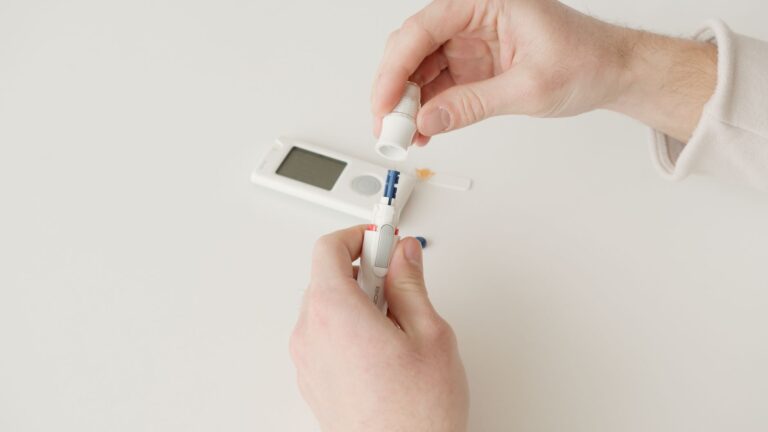
Cancels out sits at the center of this dementia and brain health question.
St. John’s Wort is the single most dangerous over-the-counter supplement you can take alongside prescription medications, and most people who buy it have no idea. This herbal remedy, sold in every pharmacy and grocery store in America, has 657 known drug interactions — 300 of them classified as major. It can neutralize blood thinners, render organ transplant drugs ineffective, cause birth control to fail, and trigger a potentially fatal condition called serotonin syndrome when mixed with common antidepressants. If you or someone you care for takes any prescription medication, this is not a theoretical risk. It is a well-documented, clinically verified threat. But St.
John’s Wort is far from the only offender. Calcium and iron supplements can block thyroid medication absorption so thoroughly that only 26% of patients on those supplements achieve normal thyroid levels. Vitamin K in common multivitamins directly counteracts blood thinners like warfarin. And the FDA has been issuing recalls and warning letters about supplements secretly laced with undeclared prescription drugs. This article breaks down the worst supplement-drug interactions, explains why they happen at a biological level, and gives you practical steps to protect yourself or a loved one — particularly those managing complex medication regimens for dementia, heart disease, or other chronic conditions. For families navigating dementia care, where patients often take multiple prescriptions and may also receive supplements recommended by well-meaning relatives, understanding these interactions is not optional. It is essential to preventing medical emergencies.
Table of Contents
- Which Supplement Is Most Likely to Cancel Out Your Prescription Medication?
- How Calcium and Iron Supplements Silently Sabotage Thyroid Treatment
- The Warfarin Problem — When 90% of Common Supplements Pose a Risk
- How to Check for Supplement-Drug Interactions Before It Is Too Late
- The Supplements the FDA Cannot Fully Regulate — And Why That Should Worry You
- Serotonin Syndrome — The Emergency Nobody Expects
- What Needs to Change — And What You Can Do Now
- Conclusion
- Frequently Asked Questions
Which Supplement Is Most Likely to Cancel Out Your Prescription Medication?
St. John’s Wort tops every pharmacologist’s list, and the mechanism is worth understanding. This plant extract activates something called the pregnane-X-receptor, or PXR, in your liver. Think of PXR as a master switch that controls how fast your body metabolizes drugs. When St. John’s Wort flips that switch on, your liver goes into overdrive, breaking down medications far more rapidly than intended. The drug gets flushed from your system before it ever has a chance to work. It is not that St. John’s Wort blocks the medication — it accelerates your body’s disposal of it. The list of medications affected reads like a pharmacy inventory.
According to the Mayo Clinic, St. John’s Wort reduces or cancels out warfarin, cyclosporine (the drug that keeps transplanted organs from being rejected), HIV protease inhibitors, digoxin for heart conditions, theophylline for asthma, oral contraceptives, tacrolimus, simvastatin for cholesterol, alprazolam for anxiety, and venlafaxine for depression. For someone recovering from an organ transplant, taking St. John’s Wort could literally cause their body to reject the new organ. For someone on blood thinners after a stroke, it could leave them unprotected against another clot. What makes this particularly insidious is the rebound effect. According to Australia’s Therapeutic Goods Administration, when patients stop taking St. John’s Wort, the medications their body had been rapidly clearing suddenly have nowhere to go. Plasma concentrations spike, sometimes to toxic levels. So the danger is not only in starting St. John’s Wort — it is also in stopping it abruptly without medical supervision.
How Calcium and Iron Supplements Silently Sabotage Thyroid Treatment
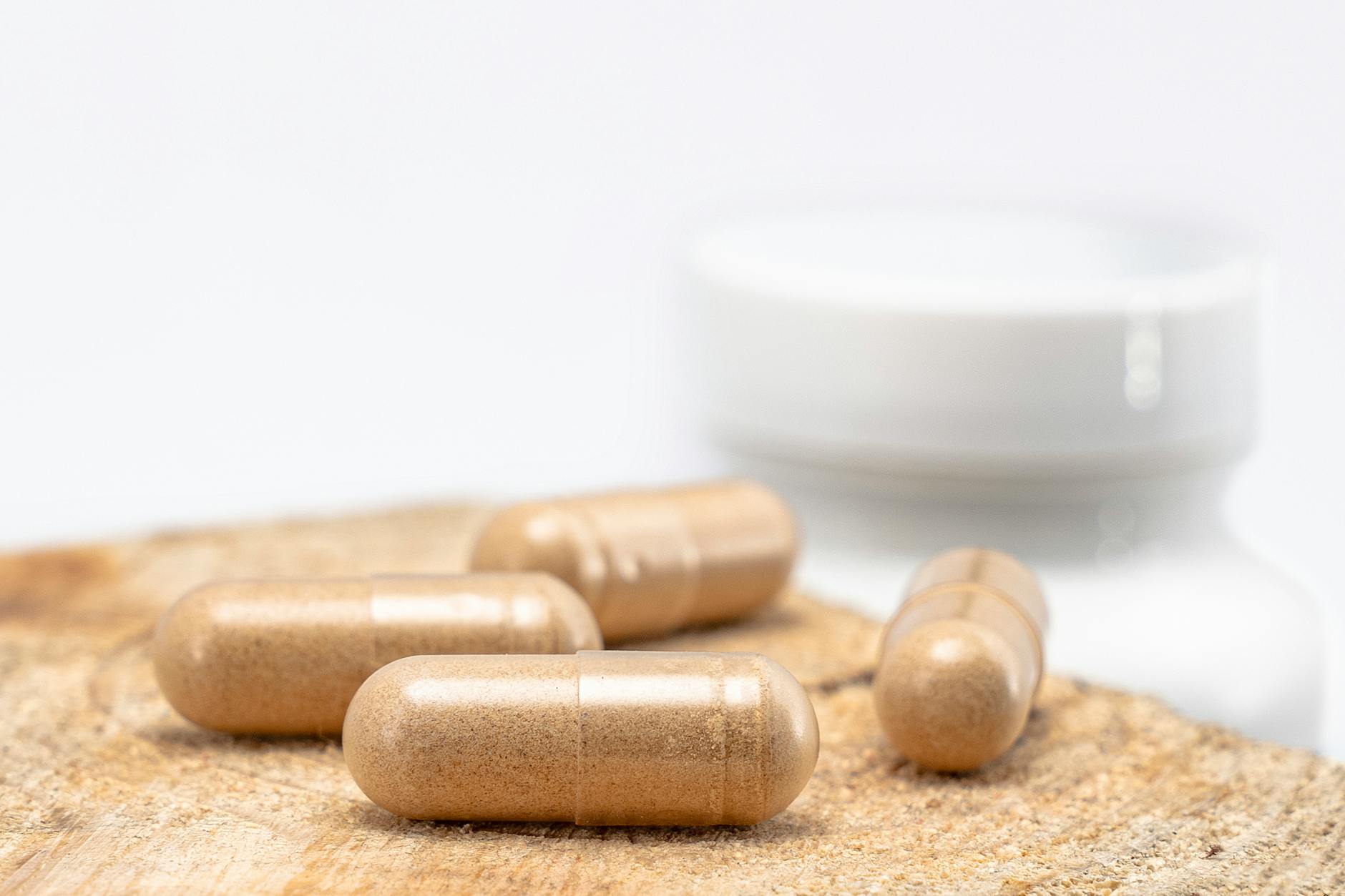
Millions of Americans take levothyroxine for hypothyroidism, and millions of those same people take calcium or iron supplements. The problem is that calcium carbonate forms an insoluble complex with levothyroxine in the gut — a chemical bond that the body simply cannot absorb. The thyroid medication passes through without ever reaching the bloodstream. Even calcium citrate, often marketed as the gentler alternative, still cuts absorption by over 20% when taken too close to the thyroid pill, according to the Mayo Clinic. The clinical data is stark. In a study of 19 hypothyroid patients who took tablet levothyroxine alongside calcium or iron supplements, only 26% achieved normal TSH levels. When those same patients switched to liquid levothyroxine at identical doses — bypassing the gut interaction — 95% achieved normal levels.
That gap is enormous. It means nearly three out of four patients on the tablet form were walking around with undertreated thyroid conditions, experiencing fatigue, weight gain, brain fog, and depression that their doctors may have attributed to other causes. However, this does not mean you have to choose between your thyroid medication and your bone health. The fix is timing. Endocrinologists recommend taking levothyroxine first thing in the morning on an empty stomach, then waiting at least two to three hours before taking calcium or iron supplements. A 2020 study found that iron actually caused more frequent dose adjustments than calcium in thyroid patients, so if you take iron, that separation window is especially critical. For dementia caregivers managing a loved one’s pill schedule, writing this gap into the daily routine can make the difference between a medication that works and one that does nothing.
The Warfarin Problem — When 90% of Common Supplements Pose a Risk
Warfarin is one of the most widely prescribed blood thinners in the world, and it is also one of the most sensitive to supplement interference. According to research published in Innovations in Clinical Rhythm Management, 90% of the top 10 most commonly used supplements have been reported to interact with warfarin therapy. Broaden that to the top 40 supplements, and 67.5% demonstrate a direct or indirect interaction. If you are on warfarin, the odds that something in your medicine cabinet is affecting it are disturbingly high. The interactions cut both ways, which is what makes them so dangerous. Vitamin K, found in alfalfa, green tea, and many standard multivitamins, directly counteracts warfarin’s blood-thinning effect.
Taking a vitamin K-rich supplement can effectively undo the medication, leaving you vulnerable to blood clots, stroke, or pulmonary embolism. But garlic, ginger, and ginkgo biloba do the exact opposite — they enhance warfarin’s effect, pushing your blood too far toward the thin side and increasing the risk of dangerous, uncontrolled bleeding. According to UC San Diego Health, ginkgo biloba in particular increases bleeding risk when combined with anticoagulants. For older adults with dementia or cognitive decline who may be on warfarin for atrial fibrillation or post-stroke prevention, this is a minefield. A well-intentioned family member who adds a ginkgo biloba supplement hoping to improve memory could inadvertently cause a brain hemorrhage. This is not alarmist language — it is the clinical reality that pharmacists and cardiologists deal with regularly. Any supplement change for someone on warfarin should go through their prescribing physician first, without exception.
How to Check for Supplement-Drug Interactions Before It Is Too Late
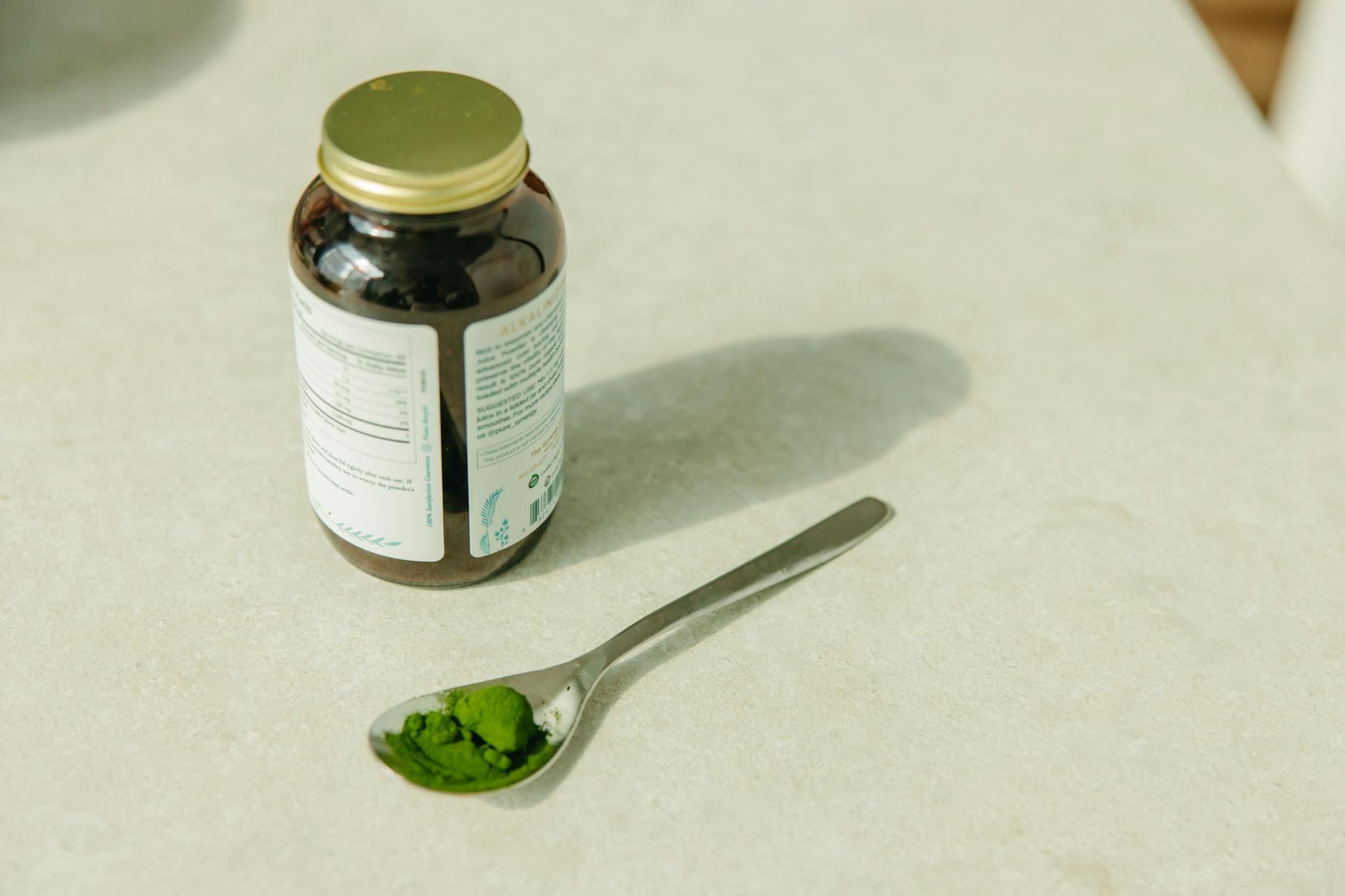
The first and most important step is disclosure. Bring every supplement bottle to your next doctor’s appointment or pharmacy visit — not just prescription medications. Studies consistently show that patients underreport supplement use because they do not consider herbs and vitamins to be “real” medications. Your pharmacist can run an interaction check in minutes, and this single conversation could prevent a hospitalization. For those managing medications for a family member with dementia, create a master medication list that includes every supplement, vitamin, herbal tea, and over-the-counter product they take. Compare every item against their prescriptions. Free interaction checkers are available through major medical databases, but they are not a substitute for a pharmacist’s judgment, especially when someone is on five or more medications.
The tradeoff with eliminating a supplement is real — if your loved one takes calcium for osteoporosis and levothyroxine for thyroid disease, you do not stop the calcium. You separate them by three hours and monitor TSH levels. If they take St. John’s Wort for mild depression, the calculus is different — the interaction risk with most prescription drugs is severe enough that discontinuation, under medical supervision to avoid rebound toxicity, is usually the right call. The key distinction is between supplements that require timing adjustments and supplements that should not be combined with certain prescriptions at all. Calcium and iron fall into the first category. St. John’s Wort, for patients on antidepressants, blood thinners, or immunosuppressants, falls squarely into the second.
The Supplements the FDA Cannot Fully Regulate — And Why That Should Worry You
Beyond known herbal interactions, there is a darker problem: supplements that contain undeclared pharmaceutical drugs. In 2025, the FDA issued a nationwide recall of a supplement called “MR.7 SUPER 700000,” distributed between August and November of that year, because it contained undeclared sildenafil and tadalafil. These are the active ingredients in Viagra and Cialis. For anyone taking nitrate heart medications like nitroglycerin, combining them with these hidden drugs can cause a life-threatening drop in blood pressure. The person who bought that supplement had no way of knowing what was actually in it. That same year, in November 2025, the FDA sent a warning letter to 123Herbals about supplements containing undeclared meloxicam — a prescription anti-inflammatory associated with blood clots, heart attacks, and strokes.
And in December 2025, the FDA proposed reducing how often supplement warning labels appear on packaging, a move that drew immediate concern from clinicians and patient safety advocates. The regulatory direction, at least for now, appears to be loosening rather than tightening. For dementia caregivers, this means extra vigilance. Patients with cognitive decline are particularly vulnerable because they may not be able to report unusual symptoms, read warning labels, or remember what they have taken. If a supplement causes an adverse reaction — dizziness, confusion, bleeding — those symptoms can easily be mistaken for progression of the dementia itself rather than a drug interaction. Stick with supplements from manufacturers that voluntarily submit to third-party testing, and treat any new supplement with the same caution you would give a new prescription.
Serotonin Syndrome — The Emergency Nobody Expects
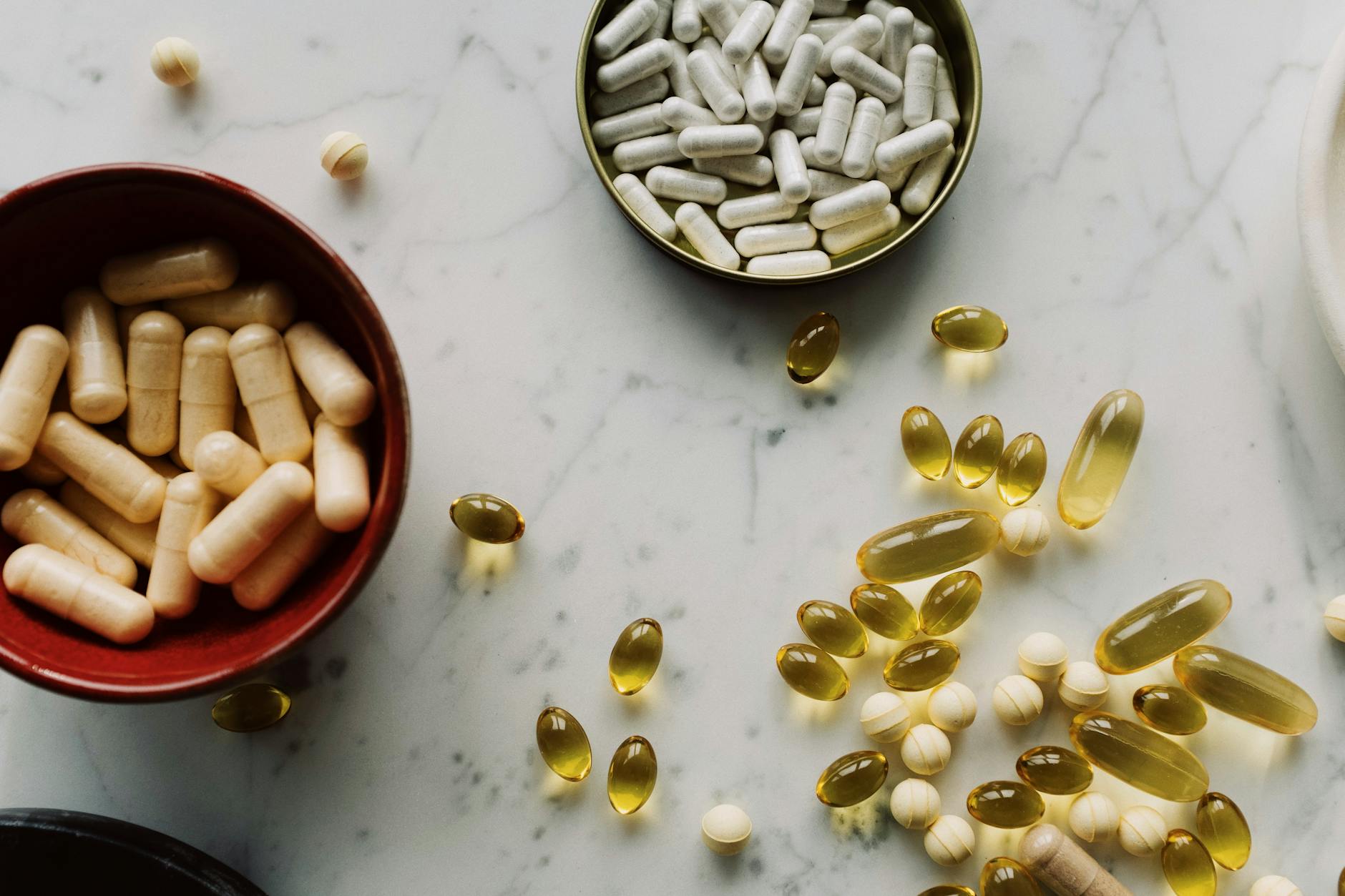
One of the most acute dangers of supplement-drug interactions is serotonin syndrome, and it is most commonly triggered by combining St. John’s Wort with prescription antidepressants, particularly SSRIs and triptans used for migraines. Serotonin syndrome occurs when serotonin levels in the brain spike to dangerous heights, causing agitation, rapid heart rate, high blood pressure, dilated pupils, muscle twitching, and in severe cases, seizures and death. According to GoodRx, St.
John’s Wort is one of the most common non-prescription triggers for this condition. The scenario plays out with alarming regularity: a person on an SSRI for depression feels it is not working well enough, reads online that St. John’s Wort is a “natural antidepressant,” and starts taking it alongside their prescription. Within days, they may experience symptoms that send them to the emergency room. For older adults with dementia who may also be prescribed antidepressants for behavioral symptoms, the risk is compounded by the fact that early signs of serotonin syndrome — confusion, agitation, restlessness — overlap heavily with dementia symptoms and may not be recognized until the condition becomes critical.
What Needs to Change — And What You Can Do Now
The supplement industry in the United States operates under fundamentally different rules than the pharmaceutical industry. Supplements do not need to prove they are safe or effective before reaching store shelves. The FDA can only act after a problem is reported — after someone has already been harmed. With the agency’s December 2025 proposal to reduce warning label frequency, the burden of safety falls even more heavily on patients, families, and healthcare providers.
The most protective step you can take today is simple but rarely done: tell every doctor and pharmacist about every supplement in the household. For dementia care specifically, assign one person to be the medication gatekeeper — someone who maintains the master list, approves any changes, and communicates with the care team. The interaction between a five-dollar bottle of St. John’s Wort and a life-sustaining prescription is not a minor inconvenience. It is, in documented cases, the difference between a medication that saves a life and one that never had a chance to work.
Conclusion
The supplement that cancels out your prescription medication is not a fringe product or a rare herbal extract. It is St. John’s Wort, available in every drugstore, with 657 documented drug interactions and the proven ability to neutralize blood thinners, transplant drugs, antidepressants, heart medications, and birth control. But the problem extends well beyond a single herb. Calcium and iron block thyroid medication. Vitamin K counteracts warfarin. Garlic and ginkgo increase bleeding risk.
And the FDA has found supplements on store shelves secretly containing prescription drugs that can cause fatal blood pressure drops. If you take away one thing from this article, let it be this: supplements are not harmless because they are natural, and they are not safe because they are sold without a prescription. For anyone managing medications — especially families caring for someone with dementia or multiple chronic conditions — a complete medication review that includes every supplement is not a suggestion. It is a necessity. Talk to your pharmacist. Bring the bottles. And never add a supplement to a medication regimen without checking for interactions first.
Frequently Asked Questions
Can I take St. John’s Wort if I am not on any prescription medications?
If you are genuinely not taking any prescription drugs, the direct interaction risk is eliminated. However, be aware that if you start a prescription later, you will need to disclose your St. John’s Wort use immediately, and stopping it abruptly can cause rebound effects where new medications suddenly hit your system at higher-than-expected levels.
How long should I wait between taking thyroid medication and calcium or iron supplements?
At least two to three hours. Take levothyroxine first thing in the morning on an empty stomach, then take calcium or iron supplements at lunch or later. If you take iron, be especially careful — research shows iron causes more frequent thyroid dose adjustments than calcium.
My multivitamin has vitamin K in it. Should I stop taking it if I am on warfarin?
Do not stop or start anything without talking to your doctor first. The key with vitamin K and warfarin is consistency — your warfarin dose is calibrated based on your current vitamin K intake. Sudden changes in either direction can destabilize your blood clotting levels. Your doctor may adjust your warfarin dose rather than eliminating the multivitamin.
Are “natural” or “herbal” supplements safer than synthetic ones?
No. The word “natural” has no regulatory meaning when it comes to safety. St. John’s Wort is entirely natural and has 300 major drug interactions. The FDA has also found supposedly natural supplements that secretly contained synthetic prescription drugs. Judge supplements by their interaction profiles, not their marketing language.
Can a pharmacist check supplement interactions, or do I need to see my doctor?
Pharmacists are specifically trained in drug interactions and can check supplement-drug interactions quickly. In many cases, your pharmacist is the best first resource because they have access to interaction databases and can review your complete medication profile on the spot. For complex cases involving multiple prescriptions, they may recommend a follow-up with your prescribing physician.
You Might Also Like
- Your Grapefruit Habit Could Be Making Your Medication Deadly
- The Migraine Prevention Drug That Also Treats Depression
- The OAB Drug That Causes Memory Problems — New Warning From FDA
For more, see NIH MedlinePlus — cognitive testing.