A drug called ulixacaltamide, developed by Praxis Precision Medicines, is poised to become the first medication ever specifically designed and approved for essential tremor — and clinical trials show it starts working in as little as two weeks. The company submitted its New Drug Application to the FDA in February 2026 after two successful Phase 3 trials demonstrated significant tremor reduction compared to placebo, with no drug-related serious adverse events. If approved, ulixacaltamide would end a decades-long drought in which the only FDA-approved medication for essential tremor was propranolol, a beta-blocker that was never actually designed to treat tremor in the first place.
For the roughly 7 million Americans living with essential tremor — a number that climbs sharply with age — this is not the only promising development. High-intensity focused ultrasound, or HIFU, already offers same-day relief by targeting the brain’s tremor circuits without a single incision, and new FDA-cleared wearable devices are reaching patients who want non-drug options. But ulixacaltamide stands apart because it attacks the root neurological mechanism of essential tremor rather than borrowing a drug from another condition and hoping it helps. This article breaks down what the clinical data actually shows for ulixacaltamide, how HIFU compares as an immediate-relief option, what the new wearable devices can and cannot do, and what questions patients should be asking their neurologists right now.
Table of Contents
- How Does Ulixacaltamide Work Differently Than Current Essential Tremor Drugs?
- What HIFU Offers That Medication Cannot
- Wearable Devices Are Offering a Third Path for Tremor Management
- Comparing Your Options — Medication, HIFU, or Wearable Device
- What the Clinical Trials Do Not Tell You
- The Scale of Unmet Need in Essential Tremor Treatment
- What Comes Next for Essential Tremor Patients
- Conclusion
- Frequently Asked Questions
How Does Ulixacaltamide Work Differently Than Current Essential Tremor Drugs?
Ulixacaltamide is a highly selective T-type calcium channel inhibitor. In plain terms, it blocks abnormal neuronal burst firing in the cerebello-thalamo-cortical circuit — the specific brain pathway responsible for generating tremor. this is a fundamentally different approach from propranolol, which lowers heart rate and blood pressure system-wide and only dampens tremor as a secondary effect. The distinction matters because propranolol fails to provide adequate relief for many patients and comes with cardiovascular side effects that have nothing to do with tremor. The FDA granted ulixacaltamide Breakthrough Therapy Designation in December 2025, a status reserved for drugs that show substantial improvement over existing treatments for serious conditions. The designation was based on the Essential3 clinical trial program, which included two Phase 3 studies.
In Study 1, 473 patients were randomized evenly, and those receiving ulixacaltamide improved their modified Activities of Daily Living scores by 4.3 points compared to just 1.7 points for placebo — a statistically significant difference with a p-value below 0.0001. Treatment effects appeared as early as Week 2 and held steady through the full 12-week study period. Study 2 used a randomized withdrawal design with 238 patients, and the results reinforced the first trial’s findings: 55 percent of patients maintained their response on ulixacaltamide versus only 33 percent on placebo. The most common side effects occurring in 10 percent or more of participants were constipation, dizziness, euphoric mood, brain fog, headache, paraesthesia, and insomnia. Notably, there were no drug-related serious adverse events reported across either study. However, these trials ran for 12 weeks — long-term safety data over years of use does not yet exist, and that is something patients and physicians will need to weigh carefully.

What HIFU Offers That Medication Cannot
For patients who need immediate, dramatic tremor reduction — not in two weeks, but today — high-intensity focused ultrasound is already fda–approved and delivering results. HIFU is a non-invasive, same-day procedure that uses focused ultrasonic waves to create a small, precise lesion deep in the thalamus, disrupting the brain circuit that generates tremor. Patients walk in with debilitating hand tremor and walk out the same day with their hands steady enough to drink from a glass or sign their name. The numbers are striking. Clinical trials have shown HIFU reduces tremors by up to 92 percent, and five-year follow-up data from the University of Virginia found that participants maintained greater than 70 percent tremor reduction with no progressive or delayed complications. In a 15-patient cohort, 33 percent achieved complete tremor resolution, 47 percent achieved 50 to 99 percent reduction, and 13 percent experienced no improvement. Dr.
Zion Zibly at Yale Medicine has performed nearly 300 HIFU procedures over the past decade using the Insightec Exablate Neuro platform, which the FDA has approved for medication-refractory essential tremor, tremor-dominant Parkinson’s disease, and bilateral treatment. However, HIFU is not a universal solution. It is typically reserved for patients who have already tried medications without adequate relief — meaning it is a second-line treatment, not a first option. The procedure creates a permanent brain lesion, which is irreversible. While serious complications are uncommon, some patients experience persistent numbness or balance issues. And roughly 1 in 8 patients in the published cohort saw no improvement at all, so it is not a guarantee. Patients considering HIFU should understand that it works best for hand tremor specifically and may not address tremor in other parts of the body.
Wearable Devices Are Offering a Third Path for Tremor Management
Between daily medication and a brain procedure, a new category of treatment is emerging: FDA-cleared wearable devices that use electrical nerve stimulation to calm tremor in real time. The Felix NeuroAI Wristband became the first AI-powered wearable cleared by the FDA for essential tremor, with prescription availability beginning in select US regions in 2025 and a nationwide rollout expected in 2026. A second device, the Encora X1, uses closed-loop AI technology worn on the wrist to sense the patient’s specific tremor rhythm and deliver personalized nerve stimulation calibrated to that pattern. These devices occupy a useful middle ground. They are non-invasive, reversible, and can be turned on or off as needed — something neither ulixacaltamide nor HIFU can claim.
For a patient whose tremor is mild enough that medication side effects are not worth it, or someone waiting for ulixacaltamide to potentially reach the market, a wearable could bridge the gap. They also appeal to patients who are understandably hesitant about brain procedures. The limitation is that these devices are still new, and large-scale, long-term efficacy data is limited compared to what exists for HIFU or even propranolol. They require a prescription, they need to be worn consistently, and their effectiveness varies from person to person. They are best thought of as a complement to other treatments rather than a standalone cure. A patient with severe tremor that prevents them from eating independently is unlikely to find a wristband sufficient on its own.

Comparing Your Options — Medication, HIFU, or Wearable Device
The choice between ulixacaltamide (assuming approval), HIFU, and wearable devices depends on tremor severity, risk tolerance, and how quickly a patient needs relief. Propranolol remains the current first-line medication, but its limitations are well documented — it helps only about half of patients, the effect often diminishes over time, and it can cause fatigue, low blood pressure, and sexual dysfunction. If ulixacaltamide receives FDA approval, it would likely become the new first-line drug, given its mechanism targets tremor directly and its clinical trial profile showed meaningful improvement with manageable side effects. HIFU is the most dramatic option in terms of speed and magnitude of relief, but it is permanent and irreversible. It makes the most sense for patients with moderate-to-severe hand tremor who have not responded well to medication. The five-year durability data is reassuring, but patients need to accept the small risk of complications and the fact that a lesion cannot be undone.
Wearable devices carry the least risk of all three options but also tend to provide the most modest relief. They work best for mild-to-moderate tremor and for patients who prefer non-pharmaceutical, non-surgical approaches. A practical consideration: ulixacaltamide does not yet have an FDA approval or a PDUFA date, so it is not available to patients today. HIFU is available now at specialized centers. Wearable devices are available by prescription in limited regions with broader access expected this year. Patients who need relief now have two proven options, with a potentially transformative third on the horizon.
What the Clinical Trials Do Not Tell You
The ulixacaltamide trials are genuinely promising, but patients and caregivers should understand their limitations. Both Phase 3 studies ran for 12 weeks, which means we have strong short-term data but no published results on what happens after a year or five years of daily use. Will the drug maintain its efficacy? Will new side effects emerge with chronic use? These are open questions. The side effect profile — particularly euphoric mood and brain fog — also warrants attention, especially in older adults who may already be managing cognitive concerns. It is worth noting that euphoric mood as a side effect, while it sounds benign, raises questions about the drug’s mechanism and its potential for misuse or psychological dependence. The FDA will likely scrutinize this during its review.
Brain fog is also a meaningful concern for elderly patients, the very population most affected by essential tremor. A drug that steadies your hand but clouds your thinking may not represent a clear improvement in quality of life for everyone. For HIFU, the main caution is irreversibility and the fact that not every patient responds. The 13 percent non-response rate in published cohorts means roughly 1 in 8 patients undergo a permanent brain procedure without benefit. Patients should seek out experienced practitioners — the nearly 300 procedures Dr. Zibly has performed at Yale represent the kind of volume that correlates with better outcomes in surgical specialties.
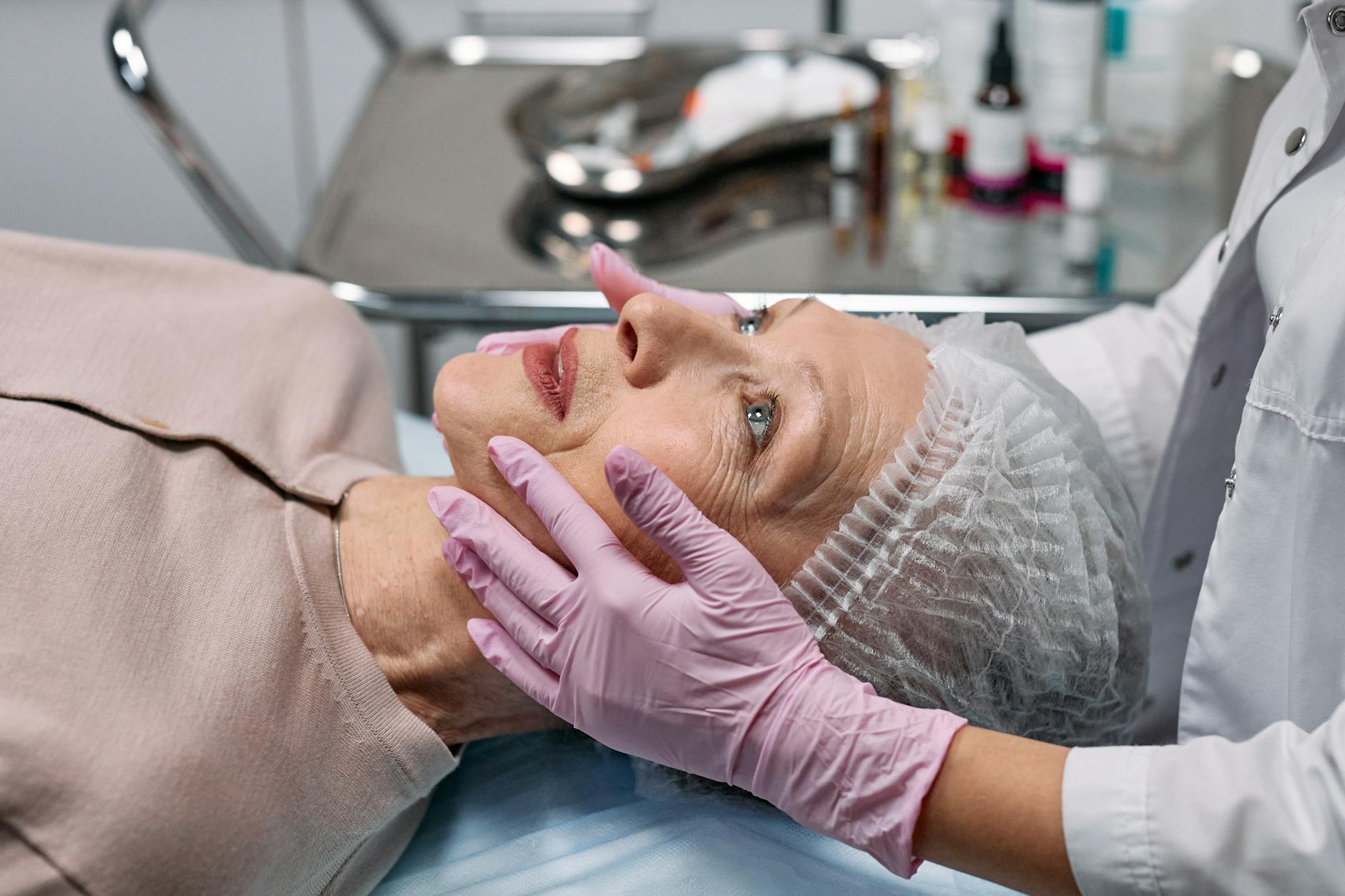
The Scale of Unmet Need in Essential Tremor Treatment
Essential tremor affects approximately 7 million people in the United States — about 2.2 percent of the population — and roughly 25 million people worldwide. Prevalence increases significantly with age, making this a condition that disproportionately affects older adults who are often already managing multiple health conditions. Despite these numbers, essential tremor has historically received far less research funding and pharmaceutical attention than Parkinson’s disease, even though it is considerably more common.
The fact that propranolol, a drug approved in 1967 for hypertension, remained the only FDA-approved option for essential tremor until now speaks to how neglected this condition has been by the pharmaceutical industry. Ulixacaltamide’s development — and the FDA’s Breakthrough Therapy Designation — signals a shift. Whether it leads to a wave of further essential tremor-specific drug development remains to be seen, but the commercial interest from Praxis Precision Medicines suggests the market is finally being taken seriously.
What Comes Next for Essential Tremor Patients
The next major milestone is the FDA’s decision on ulixacaltamide. With the NDA submitted in February 2026, the agency will assign a PDUFA date — the deadline by which it must make an approval decision. If approved, the drug could reach patients within months of that decision, though insurance coverage and pricing will determine how accessible it actually is.
Meanwhile, HIFU technology continues to advance, with bilateral treatment now FDA-approved for patients who need both hands addressed, and wearable device companies are expanding availability nationally. For patients and caregivers watching these developments, the practical advice is straightforward: talk to a movement disorder specialist, not just a general neurologist. Essential tremor treatment is evolving rapidly, and specialists are most likely to know which options are available now, which clinical trials are enrolling, and which combination of treatments makes sense for a given patient’s severity and goals. The days of being told to just live with it — or to take a heart medication and hope for the best — are ending.
Conclusion
Essential tremor treatment is undergoing its most significant transformation in decades. Ulixacaltamide, if approved, would be the first drug purpose-built for the condition, with Phase 3 data showing meaningful improvement in daily functioning within two weeks and a manageable side effect profile. HIFU already offers immediate, dramatic relief for medication-refractory patients, with five-year data supporting its durability.
And FDA-cleared wearable devices are providing a new non-invasive option for patients who want tremor management without pills or procedures. The key takeaway for the 7 million Americans affected by essential tremor is that waiting is no longer the only option, and settling for inadequate treatment is no longer necessary. Each of these approaches has real limitations — ulixacaltamide is not yet approved, HIFU is irreversible, and wearables provide modest relief — but together they represent a genuine shift from a single borrowed beta-blocker to a range of targeted therapies. Patients should consult a movement disorder specialist to discuss which current or emerging option fits their specific situation.
Frequently Asked Questions
When will ulixacaltamide be available to patients?
Praxis Precision Medicines submitted its New Drug Application to the FDA in February 2026, but a PDUFA decision date has not yet been assigned. If approved, it could become available within months of the FDA’s decision, though exact timing depends on the review process, manufacturing, and insurance negotiations.
Is HIFU covered by insurance for essential tremor?
Medicare and many private insurers do cover HIFU for medication-refractory essential tremor, but coverage varies by plan and region. Patients should verify coverage with their insurer before scheduling the procedure, and they may need documentation showing that medications have been tried and failed.
Can I use a wearable device while also taking medication for essential tremor?
Yes, wearable devices like the Felix NeuroAI Wristband and the Encora X1 are generally designed to be used alongside existing medications. However, because they require a prescription, your neurologist should coordinate all treatments to avoid potential interactions or redundancies.
Does essential tremor lead to dementia or Parkinson’s disease?
Essential tremor is a distinct condition from Parkinson’s disease, though some research has suggested a slightly elevated risk of dementia in people with long-standing essential tremor. The relationship is not fully understood, and having essential tremor does not mean a person will develop either condition.
How do I know if my tremor is severe enough for HIFU?
HIFU is typically recommended for patients with moderate-to-severe essential tremor who have not responded adequately to at least one medication. A movement disorder specialist can assess your tremor severity using standardized rating scales and help determine whether you are a candidate.
What is the difference between essential tremor and Parkinson’s tremor?
Essential tremor most commonly occurs during movement — such as when reaching for a cup or writing — while Parkinson’s tremor typically occurs at rest. Essential tremor usually affects both hands and sometimes the head or voice, while Parkinson’s tremor often starts on one side of the body and is accompanied by other motor symptoms like stiffness and slowness.