Blood pressure sits at the center of this dementia and brain health question.
Several blood pressure drugs, most notably a class called ARBs, are being actively studied as potential tools for preventing or slowing Alzheimer’s disease. The most targeted effort right now is the HEART trial, an Alzheimer’s Association-funded study testing telmisartan specifically in middle-aged African Americans who have high blood pressure and a parent with Alzheimer’s. A 2022 population-based study already found that moderate to high telmisartan exposure was associated with a 23% reduced incidence of Alzheimer’s in African Americans, giving researchers reason to believe this cheap, generic blood pressure pill might do far more than manage hypertension.
This is not a fringe idea. A meta-analysis of six longitudinal studies tracking more than 31,000 adults over age 55 found that treating high blood pressure reduced dementia risk by 12% and Alzheimer’s risk by 16%, regardless of which antihypertensive drug was used. Repurposed medications, including blood pressure drugs, now represent a full third of all agents in the Alzheimer’s treatment pipeline. In this article, we will walk through the specific drugs under investigation, the clinical trials producing real data, who stands to benefit, and what these findings actually mean for people living with or at risk for dementia.
Table of Contents
- Which Blood Pressure Drugs Are Being Studied as Alzheimer’s Prevention?
- How Telmisartan May Reduce Alzheimer’s Risk in African Americans
- Candesartan and the Case for Neuroprotection Beyond Blood Pressure
- What the Large Epidemiological Studies Tell Us About Blood Pressure and Dementia Risk
- Why Nilvadipine’s Failure Still Taught Us Something
- Repurposed Drugs and the Alzheimer’s Pipeline
- What Comes Next in Blood Pressure and Brain Health Research
- Conclusion
- Frequently Asked Questions
Which Blood Pressure Drugs Are Being Studied as Alzheimer’s Prevention?
The drugs attracting the most attention belong to a class called angiotensin receptor blockers, or ARBs. Telmisartan, candesartan, and losartan have all been tested in clinical trials for their effects on cognition and brain health. Telmisartan is being studied through the HEART trial, which enrolled 66 middle-aged African Americans with high blood pressure and a parent with Alzheimer’s. Participants were randomized to receive 20 mg, 40 mg, or a placebo for eight months. The trial is specifically designed for African Americans, a population that faces disproportionately higher Alzheimer’s risk but has been historically underrepresented in clinical research. Candesartan is being studied through the CEDAR trial, a Phase 2 study launched in 2016 that tested the drug in 77 participants with mild cognitive impairment who had PET or cerebrospinal fluid evidence of brain amyloid.
What makes CEDAR particularly interesting is that participants did not have high blood pressure. A randomized trial showed candesartan had positive neurocognitive effects independent of its blood-pressure-lowering action, which suggests the drug may have direct neuroprotective properties unrelated to cardiovascular health. Meanwhile, losartan was tested in the RADAR trial, the first randomized controlled trial to compare losartan against a placebo specifically on cognition and brain atrophy measured by MRI in patients with mild-to-moderate Alzheimer’s. Beyond ARBs, the calcium channel blocker nilvadipine was tested in the NILVAD trial, the largest study of its kind with 511 participants across 23 centers in nine European countries. There are currently five ongoing clinical trials testing ARBs for Alzheimer’s, two of which are funded by the Alzheimer’s Drug Discovery Foundation. The research is no longer a question of whether blood pressure drugs might protect the brain. The question is which ones, in whom, and through what mechanisms.
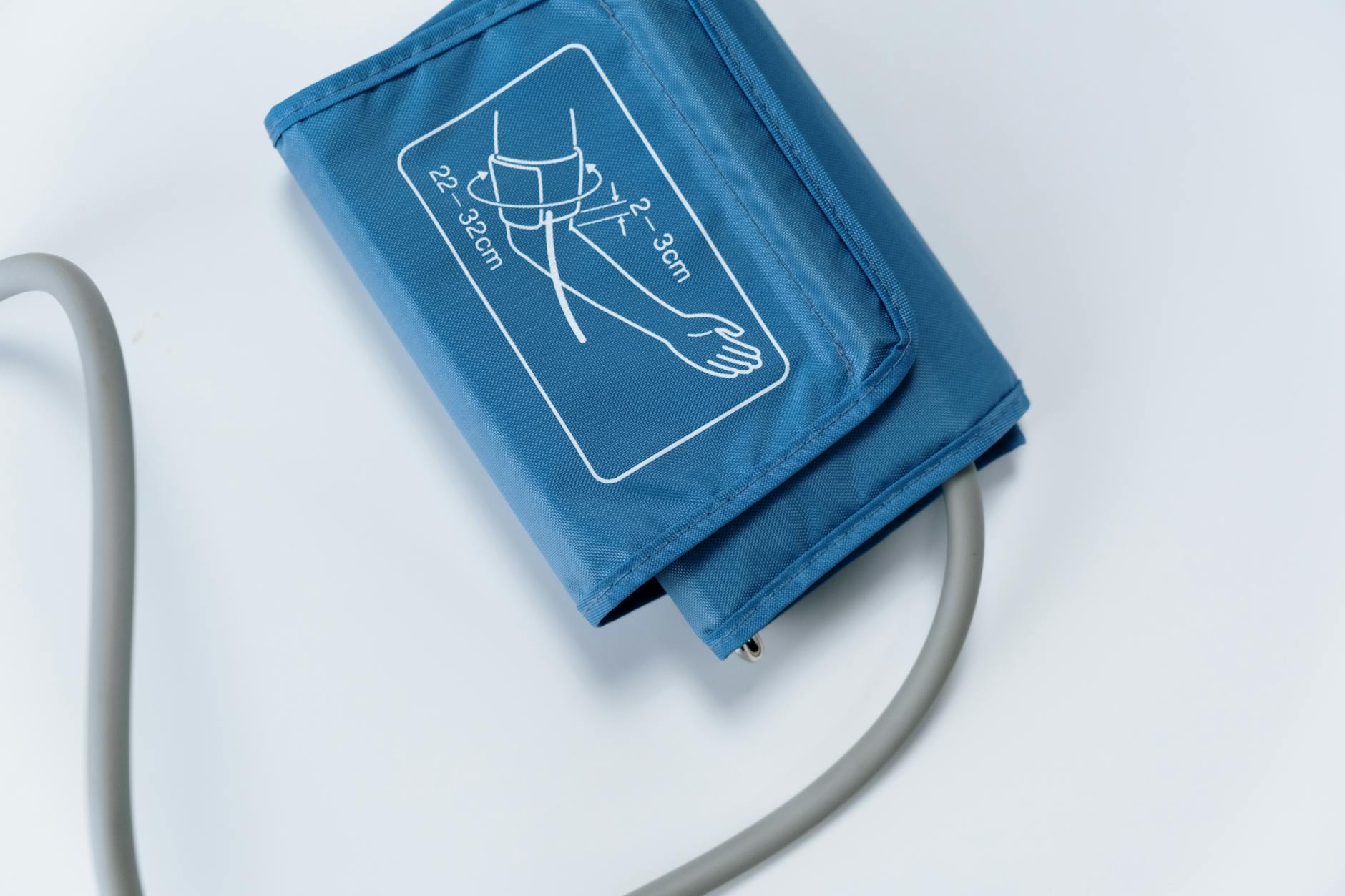
How Telmisartan May Reduce Alzheimer’s Risk in African Americans
Telmisartan’s potential as an Alzheimer’s prevention agent came to light through population-level data. A 2022 study found that moderate to high exposure to telmisartan was associated with a 23% reduced incidence of Alzheimer’s in African Americans, with a hazard ratio of 0.77. That same protective association was not found in non-Hispanic European Americans, which raises a critical point: the drug’s benefit may be population-specific. Researchers believe telmisartan works by controlling blood flow to the brain, protecting capillary blood vessels, and reducing plaque formation, all mechanisms that would address the vascular contributions to Alzheimer’s that may be more pronounced in African Americans due to higher rates of hypertension. However, it is important to keep expectations grounded.
The HEART trial is a Phase 1b study, meaning it is designed primarily to assess safety, tolerability, and biological signals rather than to prove that telmisartan prevents Alzheimer’s outright. With only 66 participants and an eight-month window, the trial cannot deliver the kind of definitive evidence that would change clinical practice. If the results are promising, larger and longer Phase 2 and Phase 3 trials would need to follow, a process that could take years. There is also a broader limitation worth noting. The population-based study that found the 23% risk reduction was observational, not experimental. People taking telmisartan may differ from those taking other blood pressure medications in ways that could influence their Alzheimer’s risk, such as overall health status, access to care, or genetic factors. The clinical trial is meant to address exactly these kinds of confounding variables, but until it reports results, the association remains suggestive rather than conclusive.
Candesartan and the Case for Neuroprotection Beyond Blood Pressure
The CEDAR trial introduced a provocative idea into the Alzheimer’s research landscape: that an ARB could protect the brain even in people who do not have high blood pressure. This distinction matters because it shifts the conversation from blood pressure management as a secondary benefit to direct neuroprotection as a primary mechanism. If candesartan’s cognitive benefits are truly independent of its cardiovascular effects, the drug could potentially be useful for a much broader population of people at risk for Alzheimer’s, not just those with hypertension. A randomized trial confirmed that candesartan produced positive neurocognitive effects in participants without hypertension, a finding that has spurred two additional trials funded by the Alzheimer’s Drug Discovery Foundation: SARTAN-AD and a continuation of CEDAR.
The working hypothesis is that ARBs may reduce neuroinflammation and improve cerebrovascular function through pathways that have nothing to do with lowering blood pressure readings on a cuff. For families watching a loved one’s cognition decline, this research offers a different kind of hope, one rooted in repurposing drugs that have been safely used for decades rather than waiting for entirely new molecules to clear regulatory hurdles. That said, the CEDAR trial enrolled only 77 participants, and the results are preliminary. Neuroprotection is notoriously difficult to prove in clinical settings because cognitive decline is gradual and influenced by dozens of variables. Larger trials will need to replicate these findings before candesartan could be recommended off-label for cognitive protection.

What the Large Epidemiological Studies Tell Us About Blood Pressure and Dementia Risk
For people who want numbers, the epidemiological evidence is substantial. A meta-analysis of six longitudinal studies following more than 31,000 adults over age 55 found that treating high blood pressure reduced dementia risk by 12% and Alzheimer’s risk by 16%, and these benefits held regardless of which antihypertensive drug class was used. This suggests that the simple act of controlling blood pressure, with whatever medication works for a given patient, offers some degree of brain protection. A 2025 study of 33,995 individuals in rural China went further. Researchers found that intensive blood pressure control achieved a 15% reduction in dementia and a 16% reduction in cognitive impairment.
The study was described as the first to report a statistically significant reduction in all-cause dementia associated with antihypertensive treatment, an important milestone because previous trials like SPRINT-MIND had shown trends but not reached statistical significance for dementia as a primary endpoint. Separately, a 2025 study from USC and the University of Washington found that combining statins with antihypertensives lowered Alzheimer’s risk by 21%, suggesting that addressing multiple cardiovascular risk factors simultaneously may have compounding benefits. The tradeoff to consider is that aggressive blood pressure lowering carries its own risks, particularly in older adults. Excessive blood pressure reduction can cause dizziness, falls, kidney problems, and fainting, all of which carry serious consequences for elderly patients. The optimal blood pressure target for brain health may not be the same as the target for heart health, and that balance has not been definitively established. Among antihypertensive drug classes, some research suggests beta blockers may be particularly protective against dementia, but the evidence is not strong enough to recommend switching medications solely for cognitive benefit.
Why Nilvadipine’s Failure Still Taught Us Something
The NILVAD trial was, by the numbers, a failure. The Phase III study of the calcium channel blocker nilvadipine enrolled 511 participants with mild-to-moderate Alzheimer’s across 23 centers in nine European countries and ran for 18 months. The primary outcome was negative, meaning nilvadipine did not produce a statistically significant benefit in the overall study population. For anyone hoping calcium channel blockers would be the answer, this was a disappointment. But the trial produced important secondary findings.
Nilvadipine increased hippocampal blood flow by approximately 20% compared to placebo, a meaningful result because the hippocampus is the brain region most associated with memory and one of the first areas damaged by Alzheimer’s. Additionally, a subgroup analysis found that patients with very mild Alzheimer’s showed less cognitive decline on memory tests. This pattern, where a drug fails in moderate disease but shows a signal in early disease, has shown up repeatedly in Alzheimer’s research and reinforces the idea that intervention timing may be just as important as the intervention itself. The lesson from NILVAD is a warning for patients and families: do not dismiss a drug class because one trial was negative, but also do not assume that a blood pressure medication will meaningfully slow Alzheimer’s once symptoms are already moderate. The window for benefit may be narrow, and the drugs that work in prevention may not work in treatment. This distinction is critical for setting realistic expectations.

Repurposed Drugs and the Alzheimer’s Pipeline
The interest in blood pressure drugs for Alzheimer’s is part of a larger trend toward drug repurposing. As of 2025, there are 138 novel drugs in 182 clinical trials for Alzheimer’s, up 9% from 2024, spanning more than 4,500 sites with over 50,000 participants. Repurposed agents, including antihypertensives, now represent 33% of all pipeline agents. Four prevention trials are currently in Phase 3.
Repurposing has practical advantages. These are drugs with decades of safety data, established manufacturing processes, and often generic pricing. Telmisartan, for instance, costs a few dollars a month. If it proves to prevent Alzheimer’s in even a subset of at-risk patients, the public health implications would be enormous, particularly for communities with limited access to expensive new biologics like the anti-amyloid antibodies lecanemab and donanemab, which can cost tens of thousands of dollars per year and require regular infusions.
What Comes Next in Blood Pressure and Brain Health Research
The next few years will be decisive. The HEART trial results, once published, will determine whether telmisartan moves into larger trials in African American populations. The SARTAN-AD and CEDAR follow-up trials will clarify whether candesartan’s neuroprotective effects hold up in bigger and more diverse groups. And the epidemiological evidence will continue to accumulate, particularly as large-scale population studies in China and other countries report long-term cognitive outcomes from intensive blood pressure treatment.
For now, the practical takeaway is straightforward. If you have high blood pressure, treating it is one of the most evidence-backed steps you can take to protect your brain, with a 12% to 16% reduction in dementia risk across multiple studies. Combining blood pressure treatment with statin therapy may push that benefit to 21%. Whether specific ARBs offer additional neuroprotective advantages beyond blood pressure control is a question that the current generation of clinical trials is designed to answer.
Conclusion
The research connecting blood pressure drugs to Alzheimer’s prevention has moved well beyond hypothesis. Multiple clinical trials are testing specific ARBs like telmisartan, candesartan, and losartan for their effects on cognition and brain health, and the epidemiological data consistently shows that controlling hypertension reduces dementia risk. The NILVAD trial taught us that timing matters, the HEART trial is centering a historically underserved population, and the CEDAR trial suggests some of these drugs may protect the brain through mechanisms that have nothing to do with blood pressure. None of this means you should change your medication without talking to your doctor.
But if you or a family member is managing both hypertension and Alzheimer’s risk, these findings are worth discussing at your next appointment. Ask whether an ARB might be appropriate. Ask about combination therapy with a statin. And pay attention to the clinical trial results that will be emerging over the coming years, because the answers to some of the biggest questions in Alzheimer’s prevention may already be sitting in medicine cabinets around the world.
Frequently Asked Questions
Can blood pressure medication prevent Alzheimer’s disease?
Large studies suggest treating high blood pressure reduces Alzheimer’s risk by approximately 16%. However, no blood pressure drug has been proven to prevent Alzheimer’s outright. Clinical trials are ongoing to determine whether specific ARBs like telmisartan and candesartan offer brain protection beyond their blood-pressure-lowering effects.
Which blood pressure drugs are being studied for Alzheimer’s?
The ARBs telmisartan, candesartan, and losartan are the most actively studied, along with the calcium channel blocker nilvadipine. There are currently five ongoing clinical trials testing ARBs for Alzheimer’s disease.
Why is telmisartan being studied specifically in African Americans?
African Americans face a disproportionately higher risk of Alzheimer’s and higher rates of hypertension. A 2022 population-based study found telmisartan was associated with a 23% reduced Alzheimer’s incidence in African Americans but not in non-Hispanic European Americans, suggesting a population-specific protective effect.
Should I switch my blood pressure medication to an ARB for brain protection?
Do not change medications without consulting your doctor. The evidence for ARBs’ neuroprotective effects is promising but preliminary. The most important step is making sure your blood pressure is well controlled, regardless of which drug class is used.
Does lowering blood pressure too much increase dementia risk?
Aggressive blood pressure lowering can cause dizziness, falls, and other complications in older adults. However, the 2025 study from China showed intensive blood pressure control reduced dementia risk by 15%. The optimal target for brain health versus heart health has not been definitively established, so work with your physician to find the right balance.
You Might Also Like
- This Psoriasis Drug Is So Effective It’s Changing the Standard of Care
- The New Alzheimer’s Drug That’s Actually Slowing the Disease — Not Just Managing It
- The Antiviral Drug Doctors Are Using Off-Label for Long COVID
For more, see National Institute on Aging.