The FDA approved Gazyva (obinutuzumab) on October 20, 2025, for adult patients with active lupus nephritis — making it only the third drug ever greenlit specifically for this devastating kidney complication of lupus. Manufactured by Roche and Genentech, the approval marks the first new targeted therapy for lupus nephritis since voclosporin (Lupkynis) arrived in 2021, and it offers a dosing schedule that may prove more manageable for patients already juggling multiple medications. For the estimated 750,000 Americans living with lupus nephritis, this is a concrete step forward after decades of limited pharmaceutical options.
But Gazyva is not the only development worth watching. Biogen’s litifilimab received FDA Breakthrough Therapy Designation in January 2026 for cutaneous lupus erythematosus — a skin-dominant form of the disease that currently has zero targeted treatments on the market. Meanwhile, AstraZeneca is seeking FDA approval for a self-injectable version of anifrolumab (Saphnelo) for systemic lupus, with a decision expected in early 2026. This article covers what each of these therapies does, how they compare, what limitations patients should know about, and why readers of a brain health publication should be paying attention to lupus research in the first place.
Table of Contents
- What Is the New Lupus Drug That Just Got Approval, and Why Is It the First of Its Kind in Years?
- Lupus Nephritis Treatment Options — How Does Gazyva Compare to Existing Drugs?
- Litifilimab and the Unmet Need in Cutaneous Lupus
- Self-Injectable Lupus Treatment — What the Saphnelo Subcutaneous Formulation Means for Patients
- Why a Brain Health Audience Should Care About Lupus Research
- The Scale of the Lupus Treatment Pipeline
- What Comes Next for Lupus Treatment
- Conclusion
- Frequently Asked Questions
What Is the New Lupus Drug That Just Got Approval, and Why Is It the First of Its Kind in Years?
Gazyva is a Type II engineered humanized monoclonal antibody that targets CD20, a protein found on the surface of B cells. In lupus nephritis, the immune system’s B cells attack the kidneys, causing inflammation and progressive damage that can lead to end-stage kidney disease and the need for dialysis. By depleting these disease-causing B cells, Gazyva limits the autoimmune assault on kidney tissue. The drug was already approved for certain blood cancers, but its new indication for lupus nephritis represents a meaningful expansion into autoimmune territory. The approval was based on the REGENCY trial, which enrolled 271 patients with active lupus nephritis. Among those treated with Gazyva plus standard therapy, 46.4 percent achieved complete renal response at 76 weeks, compared with 33.1 percent of patients receiving placebo plus standard therapy.
That difference — roughly 13 percentage points — may not sound dramatic in isolation, but in a disease where complete renal response has historically been difficult to achieve, it represents a clinically significant gain. To put this in context, before belimumab’s approval in 2020, physicians had no FDA-approved targeted therapies for lupus nephritis at all. Patients relied on broad immunosuppressants like mycophenolate and cyclophosphamide, drugs that suppress the entire immune system rather than targeting specific pathways. What also sets Gazyva apart is its dosing convenience. Patients receive four initial infusions in the first year, then move to twice-yearly dosing. After the first infusion, eligible patients can receive a shorter 90-minute infusion rather than the longer sessions typical of many biologic therapies. For patients who are already managing multiple appointments and medications, a treatment that requires fewer visits over time could make meaningful difference in daily life.

Lupus Nephritis Treatment Options — How Does Gazyva Compare to Existing Drugs?
With Gazyva’s arrival, patients with lupus nephritis now have three FDA-approved targeted therapies to discuss with their doctors. Belimumab (Benlysta), approved in 2020, works by blocking B-lymphocyte stimulator protein, reducing the survival of autoreactive B cells. Voclosporin (Lupkynis), approved in 2021, is a calcineurin inhibitor taken orally twice daily that suppresses T-cell activation. Gazyva takes a different approach entirely, directly depleting B cells through CD20 targeting. Each drug attacks lupus nephritis through a different mechanism, which means physicians may have options for patients who do not respond to one therapy or who experience intolerable side effects. However, it is important to understand that none of these drugs is a standalone cure.
All three are approved for use in combination with standard background therapy — typically mycophenolate mofetil and corticosteroids. Patients should not expect to replace their existing regimen with a single biologic. Additionally, because Gazyva depletes B cells, it suppresses part of the immune system, which can increase vulnerability to infections. The REGENCY trial data showed the treatment was generally well tolerated, but any immunosuppressive therapy carries risk, particularly for patients who are already on multiple immune-modulating drugs. If a patient has a history of serious or chronic infections, the calculus around starting a B-cell-depleting therapy becomes more complicated and requires careful discussion with a rheumatologist or nephrologist. The choice between these three options will depend on individual patient factors: disease severity, prior treatment history, tolerance for infusions versus oral medication, insurance coverage, and the presence of other lupus manifestations beyond the kidneys. There is no single best drug — there are tradeoffs with each.
Litifilimab and the Unmet Need in Cutaneous Lupus
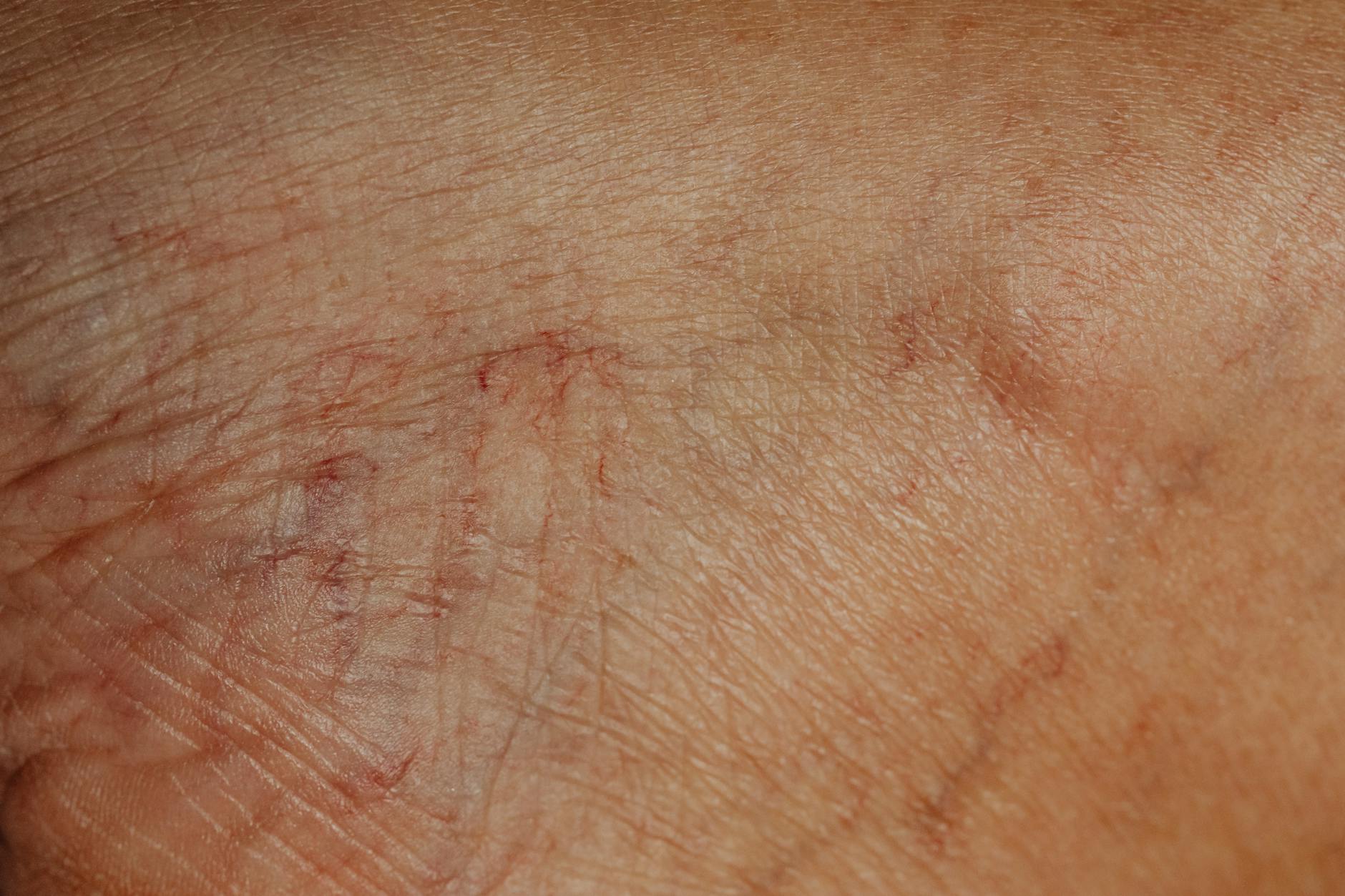
While lupus nephritis has now gained three targeted therapies, cutaneous lupus erythematosus has none. Skin involvement is one of the most common and visible manifestations of lupus, causing rashes, lesions, scarring, and hair loss that can significantly affect quality of life. The FDA’s decision to grant Breakthrough Therapy Designation to Biogen’s litifilimab on January 28, 2026, acknowledges this glaring gap. The designation is not an approval — it is a regulatory pathway that speeds development and review for drugs that address serious conditions with unmet medical need. Litifilimab is a first-in-class therapy that targets blood dendritic cell antigen 2 (BDCA2), a receptor on plasmacytoid dendritic cells. These cells are thought to play a central role in driving the interferon pathway that fuels lupus skin disease.
In the Phase 2 LILAC study, litifilimab demonstrated a reduction in skin disease activity compared with placebo. Biogen’s Phase 3 AMETHYST trial is now underway, with data expected in 2027. Two additional Phase 3 studies evaluating litifilimab in systemic lupus erythematosus are expected to report results in the fourth quarter of 2026. For patients who have managed cutaneous lupus with antimalarials like hydroxychloroquine, topical steroids, and sun avoidance — often with incomplete relief — the prospect of a targeted biologic is significant. But the caveat is timing. Breakthrough Therapy Designation speeds things up, but approval is still likely years away, and Phase 3 results could differ from Phase 2 findings. Patients should be aware of the progress without assuming imminent availability.
Self-Injectable Lupus Treatment — What the Saphnelo Subcutaneous Formulation Means for Patients
AstraZeneca is pursuing FDA approval for a subcutaneous injectable formulation of anifrolumab, marketed as Saphnelo, for systemic lupus erythematosus. The intravenous version of Saphnelo is already approved in the United States and targets the type I interferon receptor, blocking a key driver of lupus inflammation. The new formulation would come as a pre-filled pen for self-administration at home — a model already authorized in Europe. The practical difference matters more than it might seem on paper. Intravenous Saphnelo requires patients to visit an infusion center every four weeks.
A self-injectable pen would eliminate those visits entirely, saving time and reducing the logistical burden that can lead to missed doses and treatment gaps. For patients in rural areas or those with mobility limitations, the difference between a clinic infusion and a home injection can determine whether they stay on therapy at all. The FDA regulatory decision is anticipated in the first half of 2026. The tradeoff, however, is that self-administration removes the clinical oversight that comes with infusion center visits. Patients who inject at home will need thorough training on proper technique, recognition of injection site reactions, and awareness of when to seek medical attention. Physicians will need to assess whether each patient is a good candidate for self-administration versus supervised infusion, particularly for those who are newly diagnosed or have a history of severe reactions.
Why a Brain Health Audience Should Care About Lupus Research
Lupus is not typically discussed on brain health platforms, but the overlap is more substantial than most people realize. Neuropsychiatric lupus affects an estimated 20 to 40 percent of systemic lupus patients and can manifest as cognitive dysfunction, memory impairment, confusion, seizures, and psychosis. Some lupus patients develop what is colloquially called “lupus fog” — a pattern of cognitive difficulties that can mimic early dementia symptoms and lead to misdiagnosis, particularly in older adults. The autoimmune inflammation that drives lupus can directly affect the central nervous system, damaging blood vessels in the brain, triggering vasculitis, and contributing to white matter changes visible on MRI. For caregivers and families already navigating dementia or cognitive decline, understanding that autoimmune conditions can produce overlapping symptoms is critical.
A patient whose cognitive difficulties stem from uncontrolled lupus may respond to immunosuppressive therapy rather than dementia-specific interventions — but only if the underlying cause is correctly identified. There is an important limitation to flag here. The new lupus drugs discussed in this article — Gazyva, litifilimab, and Saphnelo — are targeted at kidney, skin, and systemic disease respectively. None has been specifically studied for neuropsychiatric lupus. Whether better control of systemic inflammation translates into improved cognitive outcomes remains an open research question. Patients experiencing both lupus and cognitive symptoms should work with both a rheumatologist and a neurologist to ensure their treatment plan addresses both dimensions.

The Scale of the Lupus Treatment Pipeline
The approvals and designations discussed above are not isolated events. As of 2025, over 140 lupus therapies from more than 120 companies are in clinical trials. Lupus affects approximately 1.5 million Americans and up to 5 million people worldwide, with lupus nephritis developing in up to 50 percent of those with systemic lupus.
For decades, the pharmaceutical pipeline for lupus was notoriously thin — the disease’s complexity and heterogeneity made clinical trials difficult to design and even harder to succeed in. That picture has shifted. The success of belimumab, voclosporin, and now Gazyva has demonstrated that targeted therapies can meet regulatory endpoints in lupus trials, which in turn has attracted more investment and more candidates into the pipeline. For patients, this means the current wave of approvals is likely the beginning of a broader expansion in treatment options rather than a temporary spike.
What Comes Next for Lupus Treatment
The next twelve to eighteen months will be pivotal. The FDA decision on subcutaneous Saphnelo is expected in the first half of 2026. Biogen’s Phase 3 systemic lupus studies for litifilimab should read out in the fourth quarter of 2026, with the cutaneous lupus data following in 2027. Each of these milestones will clarify whether the current momentum translates into a genuinely transformed treatment landscape or whether setbacks in late-stage trials slow progress.
For patients, caregivers, and anyone tracking the intersection of autoimmune disease and brain health, the practical takeaway is straightforward: lupus treatment is no longer stagnant. The era of relying almost exclusively on broad immunosuppressants is ending. Targeted therapies with specific mechanisms and more manageable dosing schedules are arriving, and the pipeline behind them is deeper than it has ever been. Staying informed about these developments — and asking physicians about eligibility for new treatments or clinical trials — is one of the most concrete steps patients can take.
Conclusion
The FDA’s approval of Gazyva for lupus nephritis in October 2025, Biogen’s Breakthrough Therapy Designation for litifilimab in January 2026, and AstraZeneca’s pending application for self-injectable Saphnelo collectively represent the most significant period of lupus drug development in decades. For the millions of people living with lupus and its complications — including the cognitive and neurological effects that overlap with conditions covered on this site — these advances offer tangible new options after years of limited progress. None of these therapies is a cure, and each comes with tradeoffs in terms of mechanism, administration, cost, and side effects.
But the direction is clear. Patients should discuss these developments with their rheumatologists, ask about clinical trial eligibility where appropriate, and understand that treatment strategies for lupus are becoming more targeted and more individualized. For caregivers managing cognitive symptoms in someone with lupus, ensuring the autoimmune disease itself is optimally treated may be one of the most important — and most overlooked — steps toward better brain health outcomes.
Frequently Asked Questions
Is Gazyva a cure for lupus nephritis?
No. Gazyva is approved as an add-on to standard therapy for active lupus nephritis. It improves the rate of complete renal response but does not eliminate the disease. Patients will still need ongoing monitoring and likely additional medications.
When will litifilimab be available for cutaneous lupus?
Litifilimab received Breakthrough Therapy Designation in January 2026, but it is still in Phase 3 clinical trials. The earliest it could reach the market — assuming positive results and FDA approval — would likely be 2028 or later.
Can these new lupus drugs help with lupus-related cognitive problems?
None of the drugs discussed here has been specifically studied for neuropsychiatric lupus. However, better control of systemic lupus inflammation may indirectly benefit cognitive symptoms. Patients experiencing lupus fog or other cognitive issues should consult both a rheumatologist and a neurologist.
How does Gazyva differ from Benlysta and Lupkynis?
All three are approved for lupus nephritis but work through different mechanisms. Benlysta blocks B-lymphocyte stimulator protein, Lupkynis is a calcineurin inhibitor taken orally, and Gazyva depletes B cells by targeting CD20. The choice between them depends on individual patient factors including disease severity, prior treatments, and tolerance for infusions versus pills.
What is the self-injectable version of Saphnelo?
AstraZeneca is seeking FDA approval for a pre-filled pen formulation of anifrolumab (Saphnelo) that patients can inject at home, eliminating the need for monthly infusion center visits. It is already available in this form in Europe, and the FDA decision is expected in the first half of 2026.