Duloxetine, an antidepressant sold under the brand name Cymbalta, has become one of the most effective pharmaceutical treatments for fibromyalgia pain — not because it is a miracle drug, but because the painkillers most people reach for first simply do not work for this condition. In clinical trials, 51 to 55 percent of patients taking duloxetine achieved at least a 30 percent reduction in pain, a threshold considered clinically meaningful. Compare that to NSAIDs like ibuprofen and naproxen, which have not been found to be significantly better than placebo for fibromyalgia, or opioids, which have no clinical trial evidence supporting their use and are now considered contraindicated. For the millions living with fibromyalgia — many of whom also navigate cognitive difficulties sometimes called “fibro fog” that overlap with dementia-related concerns — this distinction matters enormously. The reason antidepressants work where traditional pain medications fail comes down to the nature of fibromyalgia itself.
This is not an inflammatory condition that responds to anti-inflammatory drugs or a tissue-damage problem that opioids can mask. It is a disorder of central pain processing, where the brain and spinal cord amplify pain signals. Antidepressants like duloxetine and milnacipran increase serotonin and norepinephrine levels, directly modulating those faulty pain pathways. A meta-analysis found that fibromyalgia patients on antidepressants were more than four times as likely to report overall improvement compared to placebo, with benefits extending beyond pain to sleep, fatigue, and general well-being. This article covers why conventional painkillers fail for fibromyalgia, which antidepressants carry FDA approval, how the older tricyclic amitriptyline compares, what the realistic expectations and side effects look like, and what current clinical guidelines recommend for a condition that affects both body and brain.
Table of Contents
- Why Are Antidepressants Better Than Pain Meds for Fibromyalgia?
- Duloxetine and Milnacipran — The Two FDA-Approved Antidepressants
- Amitriptyline — The Off-Label Veteran That Still Holds Up
- What Realistic Improvement Actually Looks Like
- Why Opioids Make Fibromyalgia Worse — A Critical Warning
- The Multimodal Approach — Medication Is Only One Piece
- Where Fibromyalgia Treatment Is Heading
- Conclusion
- Frequently Asked Questions
Why Are Antidepressants Better Than Pain Meds for Fibromyalgia?
The short answer is that fibromyalgia is a central sensitization disorder, not a peripheral pain problem. When someone sprains an ankle, inflammation occurs at the injury site, and NSAIDs reduce that local inflammation. When someone has post-surgical pain, opioids dampen the pain signal traveling from the wound to the brain. Fibromyalgia operates on an entirely different mechanism. The nervous system itself is misfiring — amplifying normal sensory input into painful signals, maintaining pain long after any initial trigger has resolved. NSAIDs cannot fix a problem that is not driven by inflammation, and opioids cannot reliably quiet a nervous system that has become hyperexcitable. A review in Arthritis Research and Therapy confirmed that NSAIDs have not been found significantly better than placebo for fibromyalgia. Corticosteroids, another common go-to for pain conditions, have similarly shown no effectiveness.
Opioids deserve particular attention because they remain widely prescribed despite the evidence against them. A 2016 paper published in Mayo Clinic Proceedings, titled “Opioid Use in Fibromyalgia: A Cautionary Tale,” found that observational studies consistently show patients on opioids having poorer outcomes than those on non-opioid treatments. Pure mu-opioid agonists such as codeine, fentanyl, and oxycodone are specifically contraindicated because fibromyalgia patients respond poorly to them and face the additional risk of opioid-induced hyperalgesia — a condition where the opioids themselves make pain worse over time. For someone already dealing with an amplified pain response, adding a drug that can further sensitize the nervous system is moving in exactly the wrong direction. Antidepressants, by contrast, target the neurotransmitter systems that regulate descending pain inhibition. Serotonin and norepinephrine are the brain’s own tools for turning down the volume on pain signals traveling up the spinal cord. When those systems are underactive — as they appear to be in fibromyalgia — boosting them with an SNRI like duloxetine or milnacipran can restore some of that natural pain-dampening function. this is why the drug class works: it addresses the actual mechanism of the disease rather than treating symptoms that arise from a completely different type of pathology.
Duloxetine and Milnacipran — The Two FDA-Approved Antidepressants
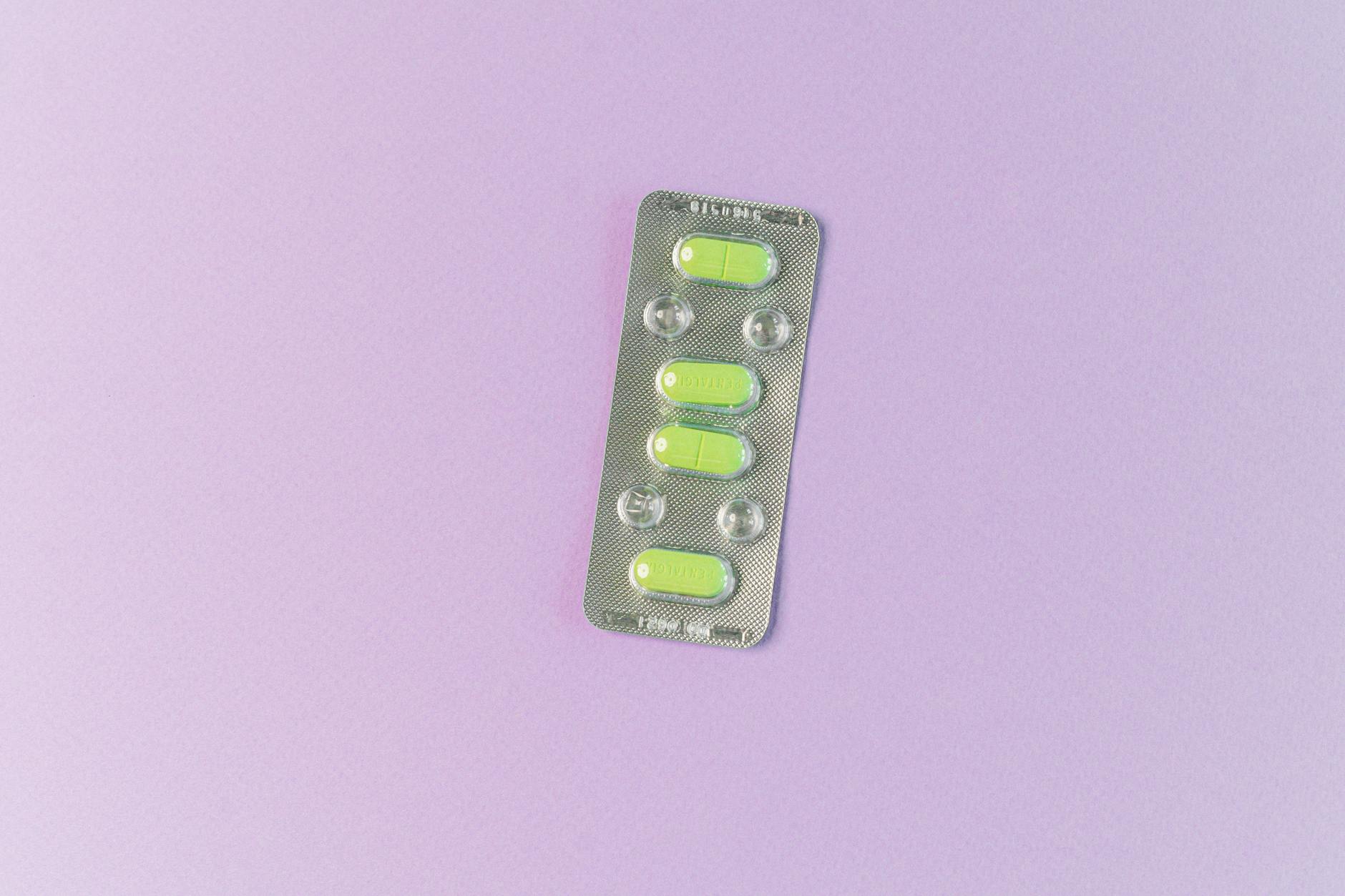
Only three drugs have ever received FDA approval specifically for fibromyalgia: duloxetine (Cymbalta), approved in June 2008; milnacipran (Savella), approved in January 2009; and pregabalin (Lyrica), which is an anticonvulsant rather than an antidepressant. that two of the three approved drugs are SNRIs tells you something about how central the serotonin-norepinephrine pathway is to this condition. Duloxetine is prescribed at a recommended dose of 60 mg once daily, typically starting at 30 mg for the first week to allow the body to adjust. At that dose, clinical trials showed roughly half of patients experiencing at least 30 percent pain improvement — a meaningful difference in daily functioning even if it does not eliminate the pain entirely. Milnacipran works through the same neurotransmitter pathway but has a somewhat different profile. At three months, about 32.8 percent of patients on milnacipran reported overall improvement compared to 17.3 percent on placebo — roughly twice the response rate.
However, there is an important caveat: at doses of 100 to 200 mg per day, milnacipran provides a 30 percent or greater pain reduction in only about 10 percent more patients than placebo, and it does not consistently achieve the more ambitious target of 50 percent pain relief. A Cochrane review made this limitation clear. Additionally, the dropout rate due to side effects runs between 23 and 26 percent on milnacipran versus 12 percent on placebo, with nausea being the most common reason patients stop taking it. The practical difference between these two SNRIs matters for treatment decisions. Duloxetine has a broader evidence base and is also approved for other conditions including depression, generalized anxiety disorder, and diabetic neuropathy, which means clinicians have more experience managing it. Milnacipran is only approved for fibromyalgia in the United States and has a slightly higher norepinephrine-to-serotonin ratio, which some clinicians believe makes it modestly better for pain but potentially harder to tolerate. However, if one SNRI does not work or causes intolerable side effects, switching to the other is a reasonable strategy — they are similar enough to share a mechanism but different enough that individual responses vary.