Nerve pain sits at the center of this dementia and brain health question.
The drug is gabapentin, sold under the brand name Neurontin, and it has quietly become one of the most misused medications in the United States. Originally approved to treat epilepsy and nerve pain, gabapentin is now involved in at least 5,000 overdose deaths per year — nearly always in combination with opioids. With over 73 million prescriptions written in 2023–2024 alone, gabapentin has saturated medicine cabinets across the country, and its potential for abuse has gone largely unaddressed at the federal level.
Unlike its chemical cousin pregabalin (Lyrica), which the DEA classifies as a Schedule V controlled substance, gabapentin carries no federal scheduling whatsoever. For families navigating dementia care and brain health, this matters more than you might think. Many older adults with neuropathy or chronic pain are prescribed gabapentin long-term, and the drug’s sedative effects, withdrawal risks, and potential for respiratory depression pose real dangers — particularly when combined with other medications common in elderly patients. This article covers how gabapentin went from a routine nerve pain prescription to a street drug known as “johnnies” and “gabbies,” why it’s fueling overdose deaths alongside opioids, what the FDA has done in response, and what caregivers and patients should watch for.
Table of Contents
- Why Is a Nerve Pain Drug Now Being Abused Like an Opioid?
- How Gabapentin Overdose Deaths Are Connected to the Opioid Crisis
- What Has the FDA Done About Gabapentin Abuse?
- What Caregivers and Patients Should Watch For
- The Global Picture — Gabapentin Misuse Is Not Just an American Problem
- Why Gabapentin Misuse Is Especially Concerning in Older Adults
- Where Regulation and Research Are Headed
- Conclusion
- Frequently Asked Questions
Why Is a Nerve Pain Drug Now Being Abused Like an Opioid?
Gabapentin produces a sedative, calming effect at prescribed doses. But when taken in large quantities — far beyond what a doctor would recommend — it can produce a dissociative, marijuana-like high. That alone would be concerning enough. What makes gabapentin particularly dangerous in the context of addiction is its interaction with opioids: it amplifies opioid euphoria, and research shows that 15% to 22% of people who abuse opioids also misuse gabapentin. On the street, gabapentin pills sell for less than a dollar each, making them cheap and easy to obtain. Perhaps most troubling is what gabapentin does to people in addiction recovery.
The drug can bypass the blocking effects of buprenorphine and other medications used to treat opioid use disorder, essentially allowing someone in a treatment program to get high while appearing compliant with their recovery plan. this has made gabapentin a sought-after substance in recovery communities and correctional facilities alike. A physician running a rural addiction clinic in Appalachia told STAT News that patients were arriving specifically asking for gabapentin by name — not for pain, but because they knew what it could do when combined with their other medications. The prescribing volume has made diversion easy. Because gabapentin is not a federally controlled substance, it does not trigger the same prescription monitoring alerts that opioids or benzodiazepines do. A patient can see multiple doctors and fill multiple prescriptions without raising red flags in most states. The sheer accessibility of the drug — sitting unmonitored in millions of households — has created a pipeline for misuse that regulators are only beginning to address.

How Gabapentin Overdose Deaths Are Connected to the Opioid Crisis
The overlap between gabapentin misuse and opioid deaths is staggering. Up to 90% of gabapentin-involved overdose deaths also involve opioids, according to data compiled by AboutLawsuits.com. This is not a coincidence — gabapentin and opioids together suppress the central nervous system in ways that neither drug does as effectively alone. The combination depresses breathing to a degree that can be fatal, especially in people with compromised lung function or sleep apnea. Researchers have warned explicitly that the global rise in gabapentin prescriptions for pain could mirror and further contribute to the existing opioid crisis.
A study published in PLOS Medicine found that the combination of gabapentin with opioids is associated with a substantial increase in the risk of opioid-related death. This is not a theoretical concern — it is showing up in coroner reports across the country. However, if a patient is taking gabapentin as prescribed at a normal dose and is not combining it with opioids, sedatives, or alcohol, the risk profile looks very different. The danger is dose-dependent and combination-dependent. This distinction matters for the millions of people who genuinely benefit from gabapentin for conditions like diabetic neuropathy or postherpetic neuralgia. The problem is not the drug itself in isolation — it is the volume at which it is prescribed, the lack of monitoring, and the deadly synergy with opioids.
What Has the FDA Done About Gabapentin Abuse?
In December 2019, the FDA took its most significant action on gabapentinoids to date, issuing a warning about serious, life-threatening respiratory depression from gabapentin and pregabalin. The warning specifically flagged the danger for patients using these drugs alongside opioids, as well as those with underlying respiratory conditions such as COPD. The agency required new label warnings on all gabapentinoid products and mandated that manufacturers conduct clinical trials evaluating the abuse potential of these drugs, particularly when combined with opioids. That 2019 warning came after years of mounting evidence and pressure from addiction medicine specialists, coroners, and state health departments.
But critics have argued the FDA’s response has been too slow and too narrow. The agency has not recommended federal scheduling for gabapentin, leaving that decision to individual states. As of 2022, only seven states — Alabama, Kentucky, Michigan, North Dakota, Tennessee, Virginia, and West Virginia — have reclassified gabapentin as a Schedule V controlled substance, requiring it to be tracked through prescription drug monitoring programs. Kentucky was among the first, driven by the state’s acute opioid crisis and the observation that gabapentin was turning up in a significant percentage of drug-related autopsies.

What Caregivers and Patients Should Watch For
For anyone managing a loved one’s medications — especially in the context of dementia care or chronic pain in older adults — gabapentin deserves more scrutiny than it typically receives. The drug causes sedation, dizziness, and cognitive dulling even at therapeutic doses, effects that can be mistaken for disease progression in a person with dementia. Falls are a real risk. Withdrawal from gabapentin after long-term use can cause seizures, anxiety, and insomnia, which means the drug should never be stopped abruptly without medical guidance. The tradeoff is real: gabapentin can be genuinely effective for nerve pain that does not respond well to other treatments, and for some patients it is safer than opioid-based alternatives.
But the decision to prescribe it should involve an honest conversation about the patient’s full medication list, any history of substance use, and whether the dose can be kept to the minimum effective level. If a doctor is prescribing gabapentin alongside an opioid, that combination now carries a specific FDA warning and should be treated with the same caution as any high-risk drug interaction. Ask the prescribing physician directly why both drugs are necessary and whether alternatives exist. Compared to pregabalin, gabapentin has a slower onset and lower potency milligram-for-milligram, which is partly why the DEA scheduled pregabalin but not gabapentin. However, gabapentin’s much higher prescribing volume means it is far more available and far more frequently involved in misuse cases. The lower perceived risk of gabapentin has, paradoxically, made it more dangerous at a population level.
The Global Picture — Gabapentin Misuse Is Not Just an American Problem
In the United Kingdom, prescriptions for pregabalin increased by 150% and gabapentin prescriptions surged by 350% between 2012 and 2017 — a trend that alarmed public health officials enough to prompt reclassification of both drugs as Class C controlled substances in the UK in 2019. That regulatory move was more aggressive than anything the United States has done at the federal level. More recent research has continued to raise alarms. A 2026 study published in the British Journal of Clinical Pharmacology analyzed adverse event data from Australia and found disproportionate reporting of pregabalin dependence, withdrawal symptoms, suicidality, and psychosis.
A 2025 case report in Frontiers in Psychiatry documented a case of pregabalin misuse leading to full-blown drug dependence. These are not isolated anecdotes — they reflect a pattern that addiction researchers have been tracking for over a decade. The warning here is straightforward: gabapentinoids are not benign, and the global medical community is still catching up to the reality of their misuse potential. Patients and caregivers should not assume that a drug is safe simply because it is not classified as a controlled substance in their jurisdiction.
Why Gabapentin Misuse Is Especially Concerning in Older Adults
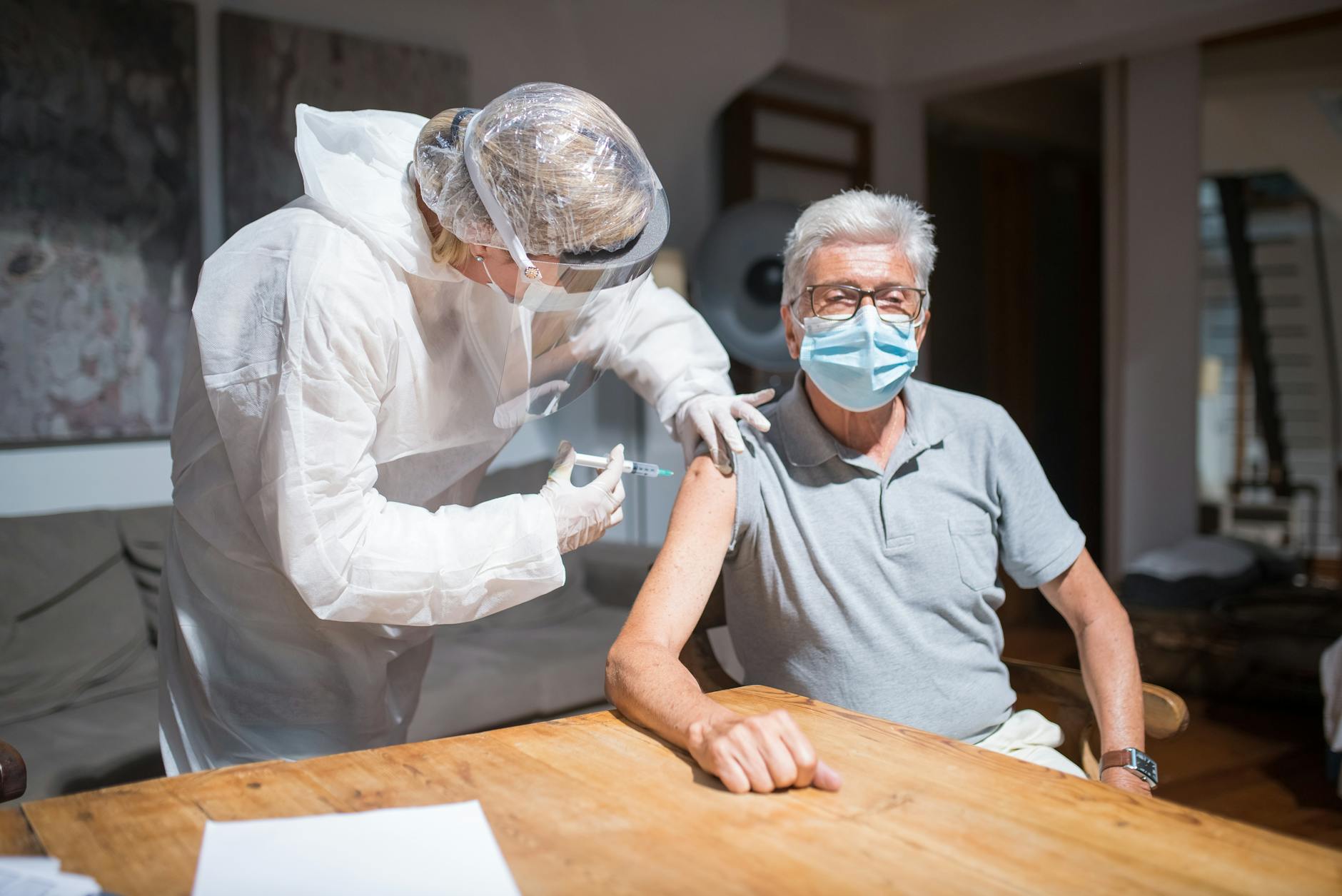
Older adults are the largest consumer group for gabapentin prescriptions, and they are also the most vulnerable to its side effects. A 75-year-old with diabetic neuropathy who is also taking a low-dose opioid for arthritis pain fits exactly the risk profile the FDA warned about in 2019 — respiratory depression from the combination of gabapentinoids and opioids, compounded by age-related decline in lung function.
In dementia care settings, gabapentin’s cognitive side effects can be particularly insidious, clouding an already compromised mind and making it harder for clinicians to assess disease progression accurately. Caregivers should review medication lists regularly with a pharmacist, not just the prescribing physician. Pharmacists are often better positioned to identify dangerous drug interactions and can flag when a gabapentin dose has been escalating without clear clinical justification.
Where Regulation and Research Are Headed
The trend is toward tighter control. More states are expected to schedule gabapentin if misuse data continues on its current trajectory, and the FDA’s mandated abuse-potential trials will eventually produce results that could shift federal policy. Pharmacy Times has noted growing consensus among pharmacists and regulators that the current unscheduled status of gabapentin is unsustainable given the drug’s role in overdose deaths.
For brain health and dementia care, the conversation is evolving too. As awareness grows about gabapentin’s cognitive effects and abuse potential, clinicians are being pushed to justify its use more carefully, explore non-pharmacological pain management options, and monitor patients more closely when the drug is deemed necessary. The next few years will likely bring clearer guidelines — but families and caregivers do not need to wait for regulatory action to start asking harder questions about this drug.
Conclusion
Gabapentin’s journey from a niche epilepsy medication to one of the most prescribed — and most misused — drugs in the country is a cautionary tale about what happens when a medication is assumed to be safe simply because it is not an opioid. With at least 5,000 overdose deaths per year involving the drug, an FDA respiratory depression warning on the books, and only seven states treating it as a controlled substance, the regulatory response has not kept pace with the crisis.
For families managing dementia care or chronic pain in older adults, the takeaway is practical: know what gabapentin is, understand why it is in your loved one’s medication regimen, ask whether the dose and the drug combination are truly necessary, and never stop the medication abruptly. This is a drug that helps many people — but it is not the harmless alternative to opioids that it was once assumed to be, and treating it with appropriate caution could save lives.
Frequently Asked Questions
Is gabapentin an opioid?
No. Gabapentin is an anticonvulsant and nerve pain medication, not an opioid. However, it enhances the effects of opioids and is frequently misused alongside them, which is why it has drawn comparisons to opioids in terms of abuse patterns.
Is gabapentin a controlled substance?
Not at the federal level. The DEA has not scheduled gabapentin, unlike its related drug pregabalin (Lyrica), which is Schedule V. However, seven states — Alabama, Kentucky, Michigan, North Dakota, Tennessee, Virginia, and West Virginia — have independently classified gabapentin as a Schedule V controlled substance.
Can you overdose on gabapentin alone?
Fatal overdose on gabapentin alone is uncommon but possible. The vast majority of gabapentin-involved overdose deaths — up to 90% — also involve opioids. The combination suppresses breathing far more than either drug alone.
What are the street names for gabapentin?
Gabapentin is known on the street as “johnnies” and “gabbies.” Pills typically sell for less than $1 each.
Should my elderly parent stop taking gabapentin?
Never stop gabapentin abruptly — doing so can cause seizures and severe withdrawal symptoms. If you have concerns about the drug’s side effects or its role in your loved one’s medication regimen, discuss tapering options with their physician and pharmacist.
What did the FDA warn about gabapentin?
In December 2019, the FDA warned that gabapentin and pregabalin can cause serious, life-threatening respiratory depression, especially when combined with opioids or used by patients with respiratory conditions. The agency required new label warnings and mandated clinical trials on abuse potential.
You Might Also Like
- The Antiviral Drug Doctors Are Using Off-Label for Long COVID
- Why Dermatologists Are Dropping Antibiotics for Acne — And Using This Instead
- The Exercise That’s Proven to Build Bone Density — No Drugs Needed
For more, see Alzheimer’s Association — medical tests.