Dropping antibiotics sits at the center of this dementia and brain health question.
Dermatologists are increasingly abandoning long-term antibiotic prescriptions for acne and turning instead to combination topical regimens built around benzoyl peroxide and retinoids. The shift, now codified in the 2024 updated guidelines from the American Academy of Dermatology, is driven by a straightforward problem: the bacteria that cause acne are becoming resistant to the drugs we have relied on for decades. Clindamycin resistance in Cutibacterium acnes has climbed from 25.5 percent between 1983 and 2014 to 35.4 percent between 2015 and 2023, according to a 2025 systematic review published in Frontiers in Microbiology. In some countries, the situation is far worse — in Jordan, 73 percent of C. acnes isolates are resistant to erythromycin, and in China, clarithromycin resistance reaches as high as 77 percent.
This matters beyond the dermatology clinic. Antibiotic resistance is a global health crisis, and acne treatment accounts for a significant share of antibiotic prescriptions written each year, with roughly 75 percent of dermatologist antibiotic prescriptions for acne being tetracycline-class drugs like doxycycline and minocycline. The AAD’s 2024 guidelines issued 18 evidence-based recommendations that emphasize limiting oral antibiotic courses and eliminating topical antibiotic monotherapy entirely. In its place, the guidelines endorse combination topical therapy, narrow-spectrum antibiotics when oral treatment is truly needed, and a new class of non-antibiotic drugs currently moving through clinical trials. This article examines why the old approach stopped working, what the new standard of care looks like, and how emerging treatments such as sarecycline and denifanstat could reshape acne management in the coming years — including what patients dealing with other chronic conditions should know about these changes.
Table of Contents
- Why Are Dermatologists Dropping Antibiotics for Acne Treatment?
- What the 2024 AAD Guidelines Actually Recommend Instead
- Sarecycline — A Narrow-Spectrum Alternative When Antibiotics Are Still Needed
- Denifanstat and the Non-Antibiotic Future of Acne Treatment
- The Gut-Brain Connection — Why Acne Antibiotic Overuse Matters for Brain Health
- Laser and Light-Based Treatments as Emerging Alternatives
- Where Acne Treatment Is Headed
- Conclusion
- Frequently Asked Questions
Why Are Dermatologists Dropping Antibiotics for Acne Treatment?
The core issue is bacterial adaptation. When antibiotics are prescribed for months or even years — a common practice in acne management — C. acnes populations develop resistance mutations that spread across communities. The 2025 Frontiers in Microbiology meta-analysis, which pooled data from studies spanning four decades, documented a clear upward trend. Many countries now report that over 50 percent of C. acnes strains are resistant to topical macrolides, which includes the erythromycin and clindamycin preparations that were once first-line treatments. That means for a growing number of patients, these medications simply do not work as prescribed.
The problem extends beyond the individual patient. A person treated with long-term antibiotics for acne can carry resistant bacteria that transfer to close contacts. This has consequences well beyond breakouts — resistant strains complicate treatment for more serious infections, including skin and soft tissue infections in elderly or immunocompromised patients. For anyone caring for a family member with compromised immunity, the implications are direct and personal. There is one notable exception: tetracycline resistance remains relatively low, at roughly 2.44 percent for doxycycline. This is precisely why doxycycline is still used when dermatologists determine that an oral antibiotic is genuinely necessary. But even here, the 2024 AAD guidelines stress that courses should be kept short and combined with other therapies to prevent resistance from developing further.
What the 2024 AAD Guidelines Actually Recommend Instead
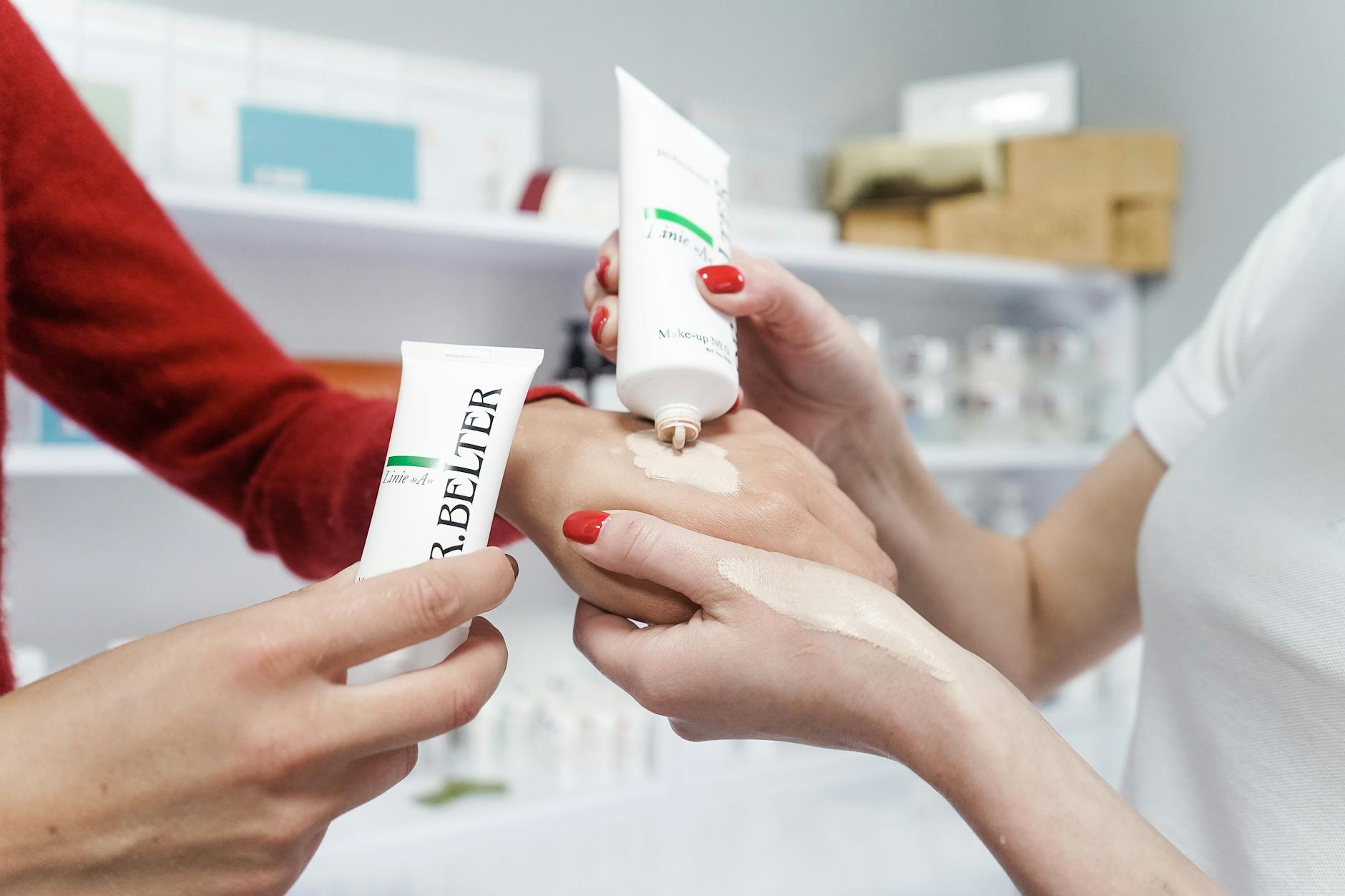
The American Academy of Dermatology’s 2024 update made several strong recommendations that change the practical standard of care. First, topical antibiotic monotherapy — applying clindamycin or erythromycin alone — is no longer recommended under any circumstance. If a topical antibiotic is used, it must be paired with benzoyl peroxide, which kills bacteria through oxidation rather than through mechanisms that breed resistance. Second, benzoyl peroxide and topical retinoids received strong endorsements as foundational treatments, either alone or in fixed-dose combination products. This combination approach works because it attacks acne through multiple pathways simultaneously. Retinoids normalize skin cell turnover and reduce clogged pores.
Benzoyl peroxide kills bacteria without fostering resistance. Together, they address both the root causes and the visible inflammation of acne without relying on antibiotics at all. For mild to moderate cases, this combination is now considered sufficient for most patients. However, if a patient has moderate to severe inflammatory acne that has not responded to topical therapy after an adequate trial — generally eight to twelve weeks — the guidelines still permit short courses of oral antibiotics, preferably doxycycline given its low resistance profile. The key word is short. The old model of prescribing six months or more of daily antibiotics is what the guidelines specifically aim to end. Patients who need more aggressive treatment beyond short antibiotic courses are generally directed toward isotretinoin, which is not an antibiotic and works by shrinking sebaceous glands.
Sarecycline — A Narrow-Spectrum Alternative When Antibiotics Are Still Needed
For patients who do require an oral antibiotic, sarecycline (marketed as Seysara) represents a more targeted option. FDA-approved in 2018, sarecycline is a narrow-spectrum tetracycline designed specifically for acne. Its narrower activity spectrum means it has four to eight times less impact on normal gut bacteria compared to broad-spectrum alternatives like doxycycline or minocycline. This matters because gut microbiome disruption from broad-spectrum antibiotics is linked to digestive issues, yeast infections, and potentially longer-term health consequences that researchers are still mapping. In Phase 3 clinical trials involving 2,002 patients, sarecycline achieved a 49.9 to 51.8 percent reduction in inflammatory lesions compared to 35.1 to 35.4 percent for placebo.
Those numbers show meaningful efficacy, though they also reveal an important limitation: even the best acne antibiotics only work for about half of inflammatory lesions in clinical trials. No single treatment clears acne completely for most people, which is why combination approaches remain essential regardless of which specific medications are chosen. Sarecycline does carry the same class-wide precautions as other tetracyclines, including sun sensitivity and the recommendation against use during pregnancy. It is also a branded medication, which means cost and insurance coverage can be barriers. Patients and their physicians need to weigh whether the narrower gut impact justifies the higher price point compared to generic doxycycline, especially for shorter treatment courses where gut disruption may be less of a concern.

Denifanstat and the Non-Antibiotic Future of Acne Treatment
Perhaps the most significant development in the acne pipeline is denifanstat (formerly known as ASC40), a completely non-antibiotic oral drug that takes an entirely different approach. Rather than killing bacteria, denifanstat targets fatty acid synthase, an enzyme called FASN that plays a role in sebum production. By reducing the oily secretions that feed C. acnes and clog pores, the drug addresses a root cause of acne without touching the microbiome at all. The Phase 3 trial results from China, involving 480 patients with moderate to severe acne, were striking. Treatment success rates with denifanstat were more than double those of placebo, with marked reductions in both inflammatory and non-inflammatory lesions.
Ascletis, the company developing the drug in China, completed a pre-New Drug Application consultation with China’s National Medical Products Administration in October 2025. There is no U.S. FDA timeline yet, which means American patients should not expect access in the near term. The tradeoff with denifanstat, as with any novel mechanism, is the limited long-term safety data. Phase 3 trials demonstrate efficacy and short-term safety, but post-marketing surveillance over years will be needed to understand the full risk profile of chronically inhibiting fatty acid synthase. For patients with acne who also have metabolic conditions or take medications that affect lipid metabolism, this will be a particularly important consideration. Still, the concept of treating acne without antibiotics at all represents a genuine paradigm shift if the drug reaches market approval.
The Gut-Brain Connection — Why Acne Antibiotic Overuse Matters for Brain Health
For readers of a brain health publication, the antibiotic resistance conversation intersects with a growing body of research on the gut-brain axis. Long-term antibiotic use disrupts the gut microbiome, and emerging evidence suggests that microbiome composition influences neuroinflammation, mood regulation, and possibly cognitive function over time. While the causal links between acne antibiotics and brain health outcomes have not been definitively established in large clinical trials, the theoretical concern is enough that many clinicians now factor gut health into prescribing decisions.
This is especially relevant for caregivers managing both a teenager’s acne and an older family member’s cognitive health in the same household. Broad-spectrum antibiotics taken by one household member can, through shared environments, contribute to resistant bacteria that later complicate infections in immunocompromised individuals — including those with dementia who may be more susceptible to skin infections and less able to communicate symptoms. A limitation worth stating plainly: no one should avoid necessary acne treatment out of fear of effects on brain health. The point is that the shift toward non-antibiotic acne treatments aligns with a broader principle of antibiotic stewardship that benefits entire households and communities, not just the person with breakouts.

Laser and Light-Based Treatments as Emerging Alternatives
For patients who cannot tolerate topical retinoids, refuse isotretinoin, or simply prefer non-pharmaceutical options, laser and light-based treatments are gaining traction. Advanced laser systems that target sebaceous glands directly are being studied as alternatives that could reduce oil production without systemic medication. These treatments are particularly appealing for patients with contraindications to standard therapies or those dealing with antibiotic-resistant acne strains.
The reality check is that most laser-based acne treatments remain expensive, require multiple sessions, and are not yet supported by the same depth of evidence as topical retinoids and benzoyl peroxide. Insurance coverage is inconsistent. For now, they occupy a niche role for patients who have exhausted conventional options rather than serving as a mainstream first-line treatment.
Where Acne Treatment Is Headed
The trajectory is clear: acne treatment is moving toward combination topical regimens as the default, with antibiotics reserved for short, targeted courses when truly necessary. If denifanstat or similar non-antibiotic oral drugs achieve regulatory approval in major markets, the role of antibiotics in acne could diminish dramatically within the next decade.
Narrow-spectrum options like sarecycline are already bridging the gap by offering antibiotic efficacy with a lighter microbiome footprint. For patients and caregivers, the practical takeaway is that anyone still on a months-long antibiotic regimen for acne should have a conversation with their dermatologist about whether the 2024 AAD guidelines suggest a different approach. The science has moved, the guidelines have been updated, and the alternatives — while not perfect — are substantially better understood than they were even five years ago.
Conclusion
The era of reflexively prescribing long-term antibiotics for acne is ending, driven by resistance rates that have made some of the most commonly used drugs ineffective for a third or more of patients. The 2024 AAD guidelines formalize what many dermatologists had already begun practicing: combination topical therapy with benzoyl peroxide and retinoids as the foundation, short antibiotic courses only when necessary, and a growing interest in non-antibiotic alternatives that address acne without contributing to the global resistance crisis.
For anyone managing acne alongside other health concerns — whether personal or within a caregiving role — the shift represents good news. Fewer unnecessary antibiotics means less gut disruption, less household exposure to resistant organisms, and a treatment model that is both more effective and more sustainable. Patients currently on long-term antibiotic therapy for acne should discuss the updated guidelines with their dermatologist to explore whether a transition to combination topical treatment or a narrow-spectrum alternative might be appropriate.
Frequently Asked Questions
Are antibiotics still used at all for acne?
Yes, but the 2024 AAD guidelines recommend limiting them to short courses, preferably doxycycline, and only for moderate to severe inflammatory acne that has not responded to topical therapy. Long-term antibiotic use for acne is no longer considered appropriate.
What is benzoyl peroxide and why is it now preferred over topical antibiotics?
Benzoyl peroxide is an over-the-counter topical treatment that kills acne-causing bacteria through oxidation. Unlike antibiotics, bacteria do not develop resistance to benzoyl peroxide, making it a sustainable long-term treatment. The AAD guidelines now require that any topical antibiotic be paired with benzoyl peroxide rather than used alone.
Is sarecycline better than doxycycline for acne?
Sarecycline has a narrower spectrum, meaning it disrupts fewer beneficial gut bacteria — four to eight times less impact than broader alternatives. However, doxycycline has a longer track record, is available as a generic, and has very low resistance rates at roughly 2.44 percent. The choice depends on individual factors including cost, duration of treatment, and gut health considerations.
When will denifanstat be available?
Denifanstat has completed Phase 3 trials in China and the developer consulted with China’s NMPA in October 2025 regarding a new drug application. There is no U.S. FDA timeline yet. Patients should not expect widespread availability in the near term.
Can long-term acne antibiotics affect brain health?
Research on the gut-brain axis suggests that microbiome disruption from long-term antibiotic use could influence neuroinflammation and mood regulation, though direct causal links to cognitive decline have not been established in large trials. The shift away from long-term antibiotics aligns with general principles of preserving microbiome health.
Should I stop my current antibiotic acne treatment immediately?
No. Never discontinue prescribed medication without consulting your dermatologist. The guidelines recommend a planned transition to alternative therapies, not abrupt discontinuation. Your dermatologist can design a tapering plan that incorporates topical combination therapy as antibiotics are phased out.
You Might Also Like
- The Antiviral Drug Doctors Are Using Off-Label for Long COVID
- The Exercise That’s Proven to Build Bone Density — No Drugs Needed
- Montelukast (Singulair) Black Box Warning: What Every Parent Must Know
For more, see Alzheimer’s Association — clinical trials.