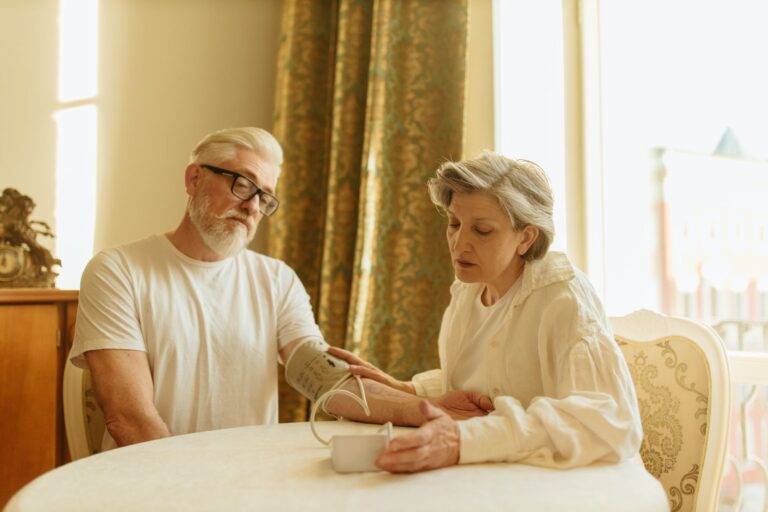
Prevents dementia sits at the center of this dementia and brain health question.
It is riboflavin — vitamin B2 — that emerged as the single most protective nutrient against dementia in a major 2025 study, with the highest dietary intake linked to a 49 percent lower risk of developing the disease. That finding, published in the European Journal of Clinical Nutrition by Kishida and colleagues, tracked 4,171 Japanese adults for more than 15 years and found that this overlooked B vitamin outperformed every other nutrient studied, including the more commonly discussed folate and vitamin B12. But B2 is not the only vitamin drawing serious scientific attention.
A large observational study out of the University of Exeter found that vitamin D supplementation was associated with 40 percent fewer dementia diagnoses over a decade, and a rigorous randomized trial from Mass General Brigham showed that a simple daily multivitamin slowed cognitive aging by roughly two years. The picture forming across multiple research teams and thousands of participants is that specific, affordable vitamins may offer meaningful protection against cognitive decline — though with important caveats about who benefits most and when supplementation actually helps. This article breaks down each of these studies in detail, examines where the evidence is strong and where it falls short, and offers practical guidance on what this research actually means for your daily routine.
Table of Contents
- What Does New Research Say About Vitamins That Prevent Dementia?
- Vitamin D and Dementia Risk — A 40 Percent Reduction With a Major Caveat
- The COSMOS Trial — Can a Daily Multivitamin Actually Slow Brain Aging?
- Which Vitamins Should You Actually Take for Brain Health?
- When Vitamin Supplementation Does Not Help — and Could Mislead
- Who Benefits Most From These Findings?
- Where Dementia-Vitamin Research Goes From Here
- Conclusion
- Frequently Asked Questions
What Does New Research Say About Vitamins That Prevent Dementia?
The strongest headline from recent dementia-nutrition research belongs to vitamin B2. In the CIRCS cohort study, trained dietitians assessed the diets of 4,171 adults in Japan aged 40 to 69 using standardized 24-hour dietary recall methods. Over a median follow-up of 15.4 years, 887 of those participants developed dementia severe enough to require daily care. When researchers compared dietary B-vitamin intake across the group, those consuming the most riboflavin had a 49 percent reduction in dementia risk compared to those consuming the least. that is a substantial effect size — larger than most pharmaceutical interventions currently available for Alzheimer’s prevention. Other B vitamins showed more modest results. Folate and vitamin B6 were each associated with roughly a 20 percent reduction in risk, which is still noteworthy but far less dramatic.
Vitamin B12, often the first nutrient people associate with brain health, showed no significant dietary association with dementia risk in this study. That last point is worth sitting with, because B12 supplementation is one of the most commonly recommended interventions for cognitive health in older adults. The CIRCS data does not mean B12 is unimportant for the brain — deficiency clearly causes neurological problems — but it does suggest that among people with adequate dietary intake, more B12 does not appear to add extra protection. The practical difference matters. Riboflavin is abundant in eggs, dairy, lean meats, almonds, and fortified cereals. Someone eating two eggs and a glass of milk daily is already consuming a meaningful amount of B2. Someone relying on a B12 supplement alone while neglecting dietary diversity may be missing the nutrient that actually moves the needle.

Vitamin D and Dementia Risk — A 40 Percent Reduction With a Major Caveat
Vitamin D has generated enormous interest in dementia prevention research, and a 2023 study published in Alzheimer’s & Dementia gave advocates strong ammunition. Researchers from the University of Exeter and the University of Calgary analyzed data from 12,388 participants enrolled through the US National Alzheimer’s Coordinating Center, all dementia-free at baseline with a mean age of 71. Among those who took vitamin D supplements — 37 percent of the group, or 4,637 people — the incidence of dementia over ten years was 40 percent lower than among non-supplementers. Of the 2,696 participants who eventually developed dementia, 75 percent had no prior vitamin D exposure, a striking imbalance. The effects were not uniform across the population. Women benefited significantly more than men, and those with normal cognition at baseline saw greater protective effects than those already showing mild cognitive impairment. This suggests that vitamin D may be more useful as a preventive measure than as an intervention once decline has begun — a pattern consistent with the broader understanding that dementia pathology starts decades before symptoms appear.
However, a 2025 Finnish randomized controlled trial threw cold water on the most enthusiastic interpretations. That study assigned 2,492 healthy participants to placebo, 1,600 IU per day, or 3,200 IU per day of vitamin D3 for up to five years. Dementia cases were 18 in the placebo group, 14 in the lower-dose group, and 13 in the higher-dose group — numerically favoring supplementation but not reaching statistical significance. The critical caveat: participants were already largely vitamin D-sufficient at baseline and were relatively young for dementia risk. In other words, giving vitamin D to people who already have enough of it did not produce a measurable benefit. This does not contradict the Exeter findings — it refines them. The people most likely to benefit from vitamin D supplementation are those who are deficient, which includes a large portion of older adults, people living at northern latitudes, those with darker skin, and individuals who spend little time outdoors.
The COSMOS Trial — Can a Daily Multivitamin Actually Slow Brain Aging?
The COSMOS trial, led by JoAnn Manson and Howard Sesso at Brigham and Women’s Hospital, asked a deceptively simple question: does taking a daily multivitamin slow cognitive decline? The answer, published in January 2024, was a qualified yes. In the in-person sub-study of 573 participants, and across a meta-analysis of more than 5,000 participants in three COSMOS cognition sub-studies, daily multivitamin use slowed global cognitive aging by the equivalent of approximately two years compared to placebo. The benefit was statistically significant and was particularly pronounced for episodic memory — the type of memory that allows you to recall specific events and experiences, and one of the first domains affected by Alzheimer’s disease. Two years of preserved cognitive function may sound modest on paper, but consider what it means in practice. For a 72-year-old beginning to notice that names slip away or that following complex conversations has become harder, two additional years of sharper memory could mean the difference between living independently and needing daily assistance. It could mean two more years of recognizing grandchildren, managing finances, or driving safely.
The COSMOS trial stands out because it was a randomized, placebo-controlled study — the gold standard that observational research cannot match. Still, it is worth noting that the multivitamin used contained a broad spectrum of nutrients, making it impossible to isolate which specific vitamins or minerals drove the cognitive benefit. It may have been the B vitamins. It may have been the vitamin D. It may have been the combination. For someone already eating a nutrient-rich diet, the marginal benefit of a multivitamin may be smaller than for someone with dietary gaps.
Which Vitamins Should You Actually Take for Brain Health?
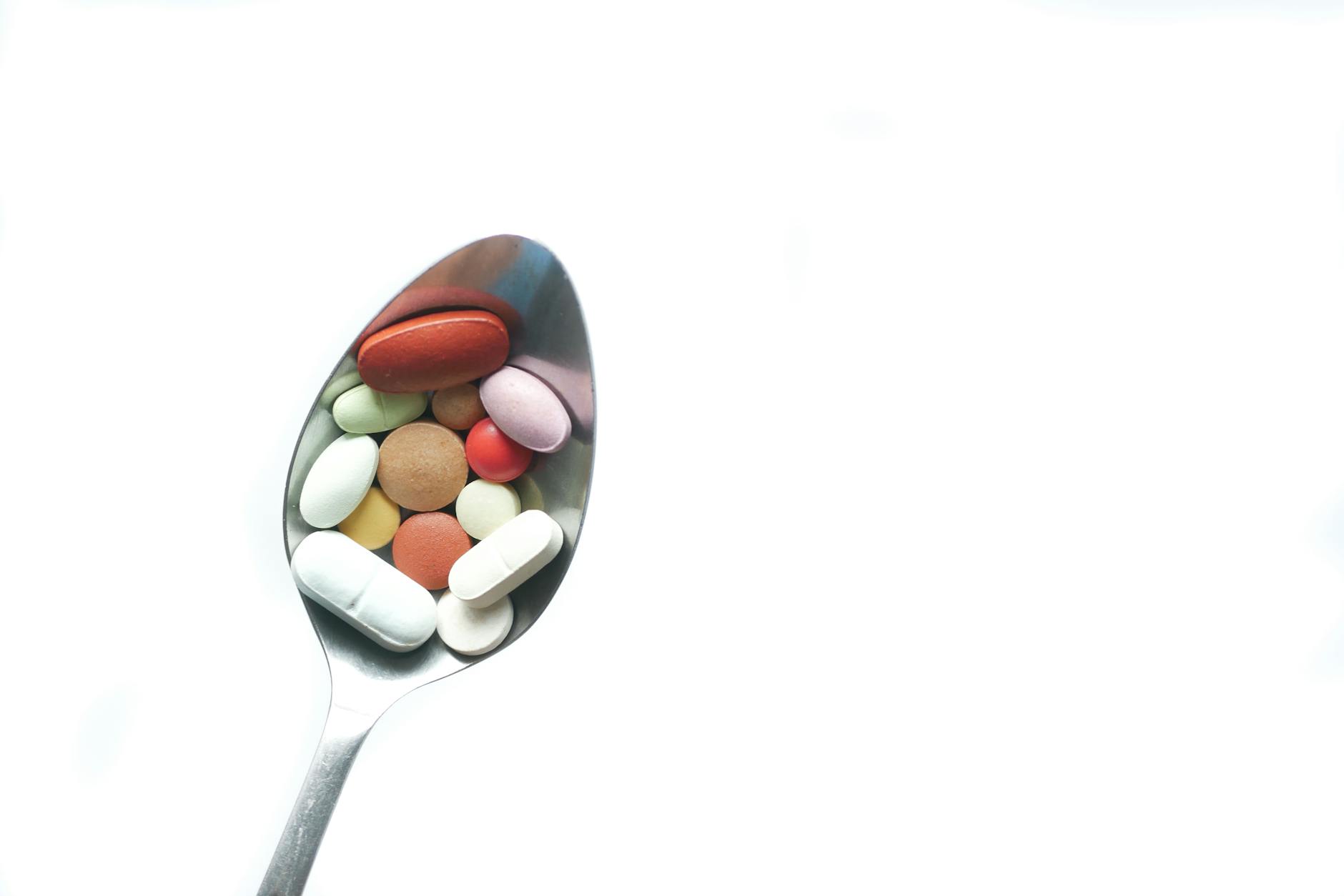
Choosing between individual supplements and a daily multivitamin involves real tradeoffs. A targeted approach — say, a B-complex plus vitamin D — allows you to match your supplementation to your specific risk factors and deficiencies. If bloodwork shows your vitamin D levels are below 30 ng/mL, a dedicated supplement at 1,000 to 2,000 IU daily addresses a known gap. If your diet is low in dairy and eggs, a B2 supplement or B-complex fills the riboflavin deficit that the CIRCS study flagged as critical. This approach avoids taking nutrients you do not need and lets you dose more precisely. A daily multivitamin, on the other hand, offers broad coverage with minimal decision-making.
The COSMOS trial demonstrated real cognitive benefits from this simple intervention, and for many people — particularly older adults who eat less, absorb nutrients less efficiently, or take medications that deplete specific vitamins — a multivitamin serves as nutritional insurance. The downside is that most multivitamins contain modest doses of each nutrient, which may not be sufficient to correct a significant deficiency in any single vitamin. The research does not support an either-or framing. A reasonable strategy based on the current evidence is to get a vitamin D level checked, supplement if deficient, ensure adequate dietary riboflavin through foods like eggs, dairy, and fortified grains, and consider a daily multivitamin as a baseline — particularly if you are over 60 or have dietary restrictions that limit nutrient variety. What the research does not support is megadosing any single vitamin in hopes of outsized brain benefits. The Finnish trial’s lack of significant results at 3,200 IU of vitamin D per day in already-sufficient adults is a useful reminder that more is not always better.
When Vitamin Supplementation Does Not Help — and Could Mislead
The most important limitation across all of this research is that no vitamin has been proven to reverse dementia once it has taken hold. The Exeter vitamin D study found weaker effects in people who already had mild cognitive impairment compared to those with normal cognition. The COSMOS multivitamin trial measured slowed decline, not recovery. The CIRCS riboflavin data tracked prevention of new dementia cases, not treatment of existing ones. If someone you love has already been diagnosed, adding riboflavin to their breakfast is unlikely to change the trajectory. There is also a risk that vitamin enthusiasm becomes a distraction from interventions with stronger evidence.
Physical exercise, management of cardiovascular risk factors like hypertension and diabetes, social engagement, cognitive stimulation, adequate sleep, and hearing loss treatment all have robust data supporting their roles in dementia prevention. A person who takes a multivitamin but remains sedentary, socially isolated, and uncontrolled on blood pressure is unlikely to see the benefits these studies describe. Vitamins appear to be one piece of a larger prevention puzzle, not a substitute for the rest of it. Finally, the quality of supplements matters and is poorly regulated in many countries. Third-party testing labels such as USP or NSF International provide some assurance that a product contains what it claims, but many popular brands have never undergone independent verification. Taking a supplement that contains less riboflavin or vitamin D than its label states — or one contaminated with heavy metals — offers the illusion of protection without the substance.

Who Benefits Most From These Findings?
The research points to specific populations who stand to gain the most. Women showed significantly greater benefit from vitamin D supplementation in the Exeter study, a finding that may relate to hormonal differences in vitamin D metabolism or to higher baseline rates of deficiency in older women. People with darker skin living at higher latitudes are at particular risk for vitamin D deficiency and represent an underserved group in dementia prevention conversations.
Older adults with limited diets — whether due to appetite loss, dental problems, economic constraints, or institutional food service — are more likely to have the kind of riboflavin and micronutrient gaps that the CIRCS and COSMOS studies suggest matter. If you are a caregiver for an aging parent who eats little and rarely goes outside, these findings are directly actionable. A conversation with their doctor about vitamin D levels and a B-complex supplement, combined with dietary adjustments to include more riboflavin-rich foods, represents a low-cost, low-risk intervention grounded in real evidence.
Where Dementia-Vitamin Research Goes From Here
The next several years should clarify many of the open questions. Larger randomized trials targeting vitamin D-deficient populations specifically — rather than the general population — would test whether the Exeter observational findings hold up under the most rigorous conditions. Replication of the CIRCS riboflavin results in non-Japanese populations would strengthen confidence that the B2 association is not driven by a dietary pattern unique to Japan.
And longer-term follow-up from the COSMOS trial will reveal whether the two-year cognitive benefit of multivitamins persists, grows, or plateaus over time. What seems increasingly clear is that the old framing of vitamins as irrelevant to dementia is outdated. The question is no longer whether nutrition matters for brain aging, but which nutrients matter most, for whom, and at what stage of life the intervention needs to begin. The answers are not yet complete, but they are far more specific than they were even five years ago.
Conclusion
The evidence from 2023 to 2025 identifies riboflavin as the single vitamin with the strongest observed association with dementia prevention — a 49 percent risk reduction in the CIRCS cohort — followed by vitamin D at 40 percent in the Exeter observational study and daily multivitamins showing a two-year slowing of cognitive aging in the COSMOS randomized trial. These are not miracle cures, and the caveats are real: observational studies cannot prove causation, the Finnish trial found no significant benefit for people already sufficient in vitamin D, and no supplement has been shown to reverse existing dementia. The practical takeaway is straightforward. Check your vitamin D levels.
Eat foods rich in riboflavin — eggs, dairy, almonds, fortified cereals. Consider a daily multivitamin, especially if you are over 60 or have dietary limitations. And do all of this alongside the lifestyle factors that carry even stronger evidence: regular exercise, blood pressure management, social connection, and mental engagement. Prevention is a portfolio, not a single bet, and these vitamins deserve a place in it.
Frequently Asked Questions
Is vitamin B2 the same as riboflavin?
Yes. Riboflavin is the chemical name for vitamin B2. It is found naturally in eggs, milk, yogurt, lean meats, almonds, and spinach, and is added to many fortified breads and cereals.
How much vitamin D should I take to reduce dementia risk?
The research does not establish a single optimal dose. The Exeter study tracked supplement users broadly, and the Finnish trial tested 1,600 IU and 3,200 IU per day without reaching statistical significance in already-sufficient adults. Most experts recommend getting your blood level tested and supplementing to reach 30 to 50 ng/mL, typically requiring 1,000 to 2,000 IU daily for deficient individuals.
Can vitamins help if someone already has dementia?
The current research focuses on prevention, not treatment. The Exeter vitamin D study showed weaker effects in those with mild cognitive impairment, and no study has demonstrated that vitamins reverse established dementia. Correcting a diagnosed deficiency is still medically important, but expectations for cognitive recovery should be tempered.
Does the COSMOS trial mean I should take Centrum Silver specifically?
The COSMOS trial used Centrum Silver as its multivitamin, so the results technically apply to that formulation. Whether other multivitamins would produce the same benefit is unknown, but the key ingredients — B vitamins, vitamin D, zinc, and other micronutrients — are common across most standard multivitamin brands.
Why did vitamin B12 not show a benefit in the Japanese study?
The CIRCS study found no association between dietary B12 intake and dementia risk, likely because outright B12 deficiency was uncommon in the study population. B12 deficiency does cause neurological damage, so maintaining adequate levels remains important — the finding simply suggests that extra B12 beyond sufficiency does not add further protection.
Are there risks to taking these vitamins?
At standard doses, riboflavin, vitamin D, and multivitamins are generally safe for most adults. Vitamin D toxicity can occur at very high doses sustained over months, typically above 10,000 IU daily, causing dangerously elevated calcium levels. Riboflavin is water-soluble and excess is excreted in urine with minimal risk. Always consult a doctor before starting new supplements, particularly if you take blood thinners or other medications.
You Might Also Like
- The Morning After Pill: What It Actually Does Inside Your Body
- Vitamin D Deficiency and Bone Loss: How Much Do You Really Need?
- This New Asthma Treatment Is Done Once — And Lasts Years
For more, see NIH MedlinePlus — cognitive testing.