A procedure called bronchial thermoplasty uses controlled heat to reduce excess smooth muscle tissue inside the airways — and after three outpatient sessions spaced a few weeks apart, the treatment is complete. It is not repeated. Clinical follow-up data show that the benefits last at least five to ten years, with patients experiencing dramatically fewer severe asthma attacks and emergency room visits. For the millions of people living with severe persistent asthma that refuses to respond adequately to inhalers and standard medications, this represents a fundamentally different approach: treat the underlying structural problem in the lungs rather than managing symptoms with daily drugs.
For readers of this site, the connection between respiratory health and brain health is more immediate than many people realize. Chronic oxygen deprivation from poorly controlled asthma has been linked in research to cognitive decline, and the stress of managing a severe chronic illness compounds dementia risk factors like sleep disruption and systemic inflammation. A treatment that meaningfully reduces the burden of severe asthma can have ripple effects far beyond the lungs. This article covers how bronchial thermoplasty works and what the long-term clinical data actually show, but also a newly approved injectable biologic called depemokimab that only requires two doses per year, emerging research on single-injection treatments during asthma attacks, and what all of this means for people who are managing both respiratory illness and concerns about cognitive health.
Table of Contents
- How Does a One-Time Asthma Treatment Work — And Can It Really Last Years?
- What the Long-Term Data Show — And One Major Limitation
- A Twice-Yearly Injection Enters the Picture
- Comparing Treatment Approaches — Procedure Versus Biologic
- The Respiratory-Brain Connection and Why This Matters for Dementia Risk
- A Single Injection During Attacks — An Emerging Approach
- What the Future Holds for Asthma Treatment
- Conclusion
- Frequently Asked Questions
How Does a One-Time Asthma Treatment Work — And Can It Really Last Years?
Bronchial thermoplasty, performed using the Alair System, delivers controlled thermal energy to the walls of the airways during a standard bronchoscopy — a procedure where a thin, flexible tube is guided into the lungs. The heat reduces the mass of smooth muscle tissue that lines the airways, which is the tissue responsible for the dangerous constriction that occurs during an asthma attack. The procedure is completed across three separate outpatient sessions, each about three weeks apart: one for the right lower lobe, one for the left lower lobe, and one for both upper lobes. After those three sessions, the treatment is finished. The FDA approved bronchial thermoplasty in 2010 for adults eighteen and older with severe persistent asthma whose symptoms are not adequately controlled by inhaled corticosteroids and long-acting beta-agonists.
The landmark AIR2 clinical trial found that roughly eighty percent of patients experienced improvement after the procedure, including a forty-eight percent decrease in severe asthma attacks over the five-year follow-up period. Emergency room visits dropped by seventy-eight percent over five years. These are not modest numbers — for someone who has been hospitalized multiple times a year for asthma exacerbations, this kind of reduction is life-altering. However, bronchial thermoplasty is not a cure. Patients still need to take their asthma medications after the procedure. What changes is the severity and frequency of attacks. Think of it as removing a significant amount of fuel from a fire that will still occasionally spark — the flames are smaller, less frequent, and far less likely to become an emergency.

What the Long-Term Data Show — And One Major Limitation
The strongest evidence for bronchial thermoplasty comes from extended follow-up studies of the original clinical trial participants. Five years after the procedure, the reductions in severe attacks and emergency visits remained durable, and data extending out to ten years continued to show sustained benefit. For a procedure that requires no ongoing treatment sessions, no refills, and no repeated clinic visits, this durability is remarkable when compared to the daily or monthly regimen most severe asthma patients follow. There is, however, a significant caveat.
Boston Scientific, the manufacturer of the Alair System used in bronchial thermoplasty, has reportedly discontinued product sales. This does not invalidate the clinical evidence — the procedure’s long-term safety and efficacy data remain published and peer-reviewed — but it does raise practical questions about access. If you are considering bronchial thermoplasty, you may need to find a center that still has the equipment and expertise, and availability could be limited depending on where you live. This situation illustrates a frustrating pattern in medicine: a treatment can have strong clinical evidence behind it and still face market-driven obstacles. For patients and caregivers, the takeaway is that bronchial thermoplasty remains a proven option worth discussing with a pulmonologist, but confirming that a nearby center can still perform the procedure is an essential early step.
A Twice-Yearly Injection Enters the Picture
In December 2025, the FDA approved depemokimab, marketed under the brand name Exdensur, as an add-on maintenance treatment for severe eosinophilic asthma in patients twelve and older. Developed by GSK, depemokimab is a biologic — a lab-engineered antibody — that targets interleukin-5, a protein involved in the inflammatory process that drives eosinophilic asthma. What makes this drug notable is its dosing schedule: one injection every six months, making it the longest dosing interval of any asthma biologic currently available. The clinical evidence comes from two Phase III trials, SWIFT-1 and SWIFT-2, which showed fifty-eight percent and forty-eight percent reductions in annualized asthma exacerbation rates compared to placebo over fifty-two weeks, respectively. The U.S.
commercial launch is expected in early 2026, and regulatory approvals from the UK’s MHRA have already been granted, with European Union approval anticipated in the first quarter of 2026. For someone managing severe asthma alongside dementia or caring for a person with both conditions, the difference between a monthly injection and a twice-yearly one is not trivial. Fewer clinic visits, fewer scheduling demands, and a dramatically simplified treatment calendar can reduce the cognitive and logistical burden on both patients and caregivers. This matters especially in households where the person managing asthma is also the primary caregiver for someone with dementia — or where the asthma patient themselves is experiencing cognitive decline.

Comparing Treatment Approaches — Procedure Versus Biologic
The choice between a structural intervention like bronchial thermoplasty and a biologic like depemokimab is not straightforward, and the two are not interchangeable. Bronchial thermoplasty physically reduces the smooth muscle that narrows airways, which means it addresses asthma at a mechanical level regardless of the underlying inflammatory subtype. Depemokimab, by contrast, specifically targets eosinophilic inflammation and would not be appropriate for someone whose severe asthma is driven by a different mechanism. Bronchial thermoplasty offers the appeal of a one-time intervention with years of documented benefit, but it requires three bronchoscopy sessions, carries short-term risks associated with any invasive procedure, and now faces questions of availability.
Depemokimab is far less invasive — a simple injection — and its twice-yearly schedule is manageable, but it is an ongoing treatment that must be continued indefinitely and only works for a specific asthma subtype. For older adults or people with cognitive impairment, the practical tradeoffs become particularly important. A one-time procedure eliminates the risk of missed doses or lapsed refills, which is a genuine concern for patients with early-stage dementia managing their own medications. On the other hand, a twice-yearly injection administered in a clinical setting may be easier to coordinate for someone who has a caregiver managing their appointments. There is no universal right answer — only the right answer for a particular patient’s circumstances.
The Respiratory-Brain Connection and Why This Matters for Dementia Risk
Poorly controlled asthma does not just affect the lungs. Repeated episodes of oxygen desaturation — the drops in blood oxygen that occur during severe asthma attacks — can contribute to cumulative damage in the brain over time. Research has established that chronic hypoxia is a risk factor for cognitive decline and vascular dementia. Add in the sleep disruption that accompanies nighttime asthma symptoms and the systemic inflammation that characterizes severe asthma, and you have a cluster of factors that are independently associated with increased dementia risk.
This means that any treatment that significantly reduces the frequency and severity of asthma exacerbations may offer protective benefits for the brain that go beyond the lungs. A forty-eight percent reduction in severe attacks, as seen with bronchial thermoplasty, translates to fewer episodes of dangerous oxygen deprivation, fewer nights of disrupted sleep, and a lower overall inflammatory burden. The warning here is against complacency. Receiving a one-time procedure or starting a biologic does not eliminate asthma, and it does not eliminate the associated cognitive risks entirely. Patients and caregivers should continue monitoring respiratory function, maintaining medication adherence for remaining prescriptions, and addressing other modifiable dementia risk factors — physical inactivity, social isolation, untreated hearing loss — alongside respiratory care.
A Single Injection During Attacks — An Emerging Approach
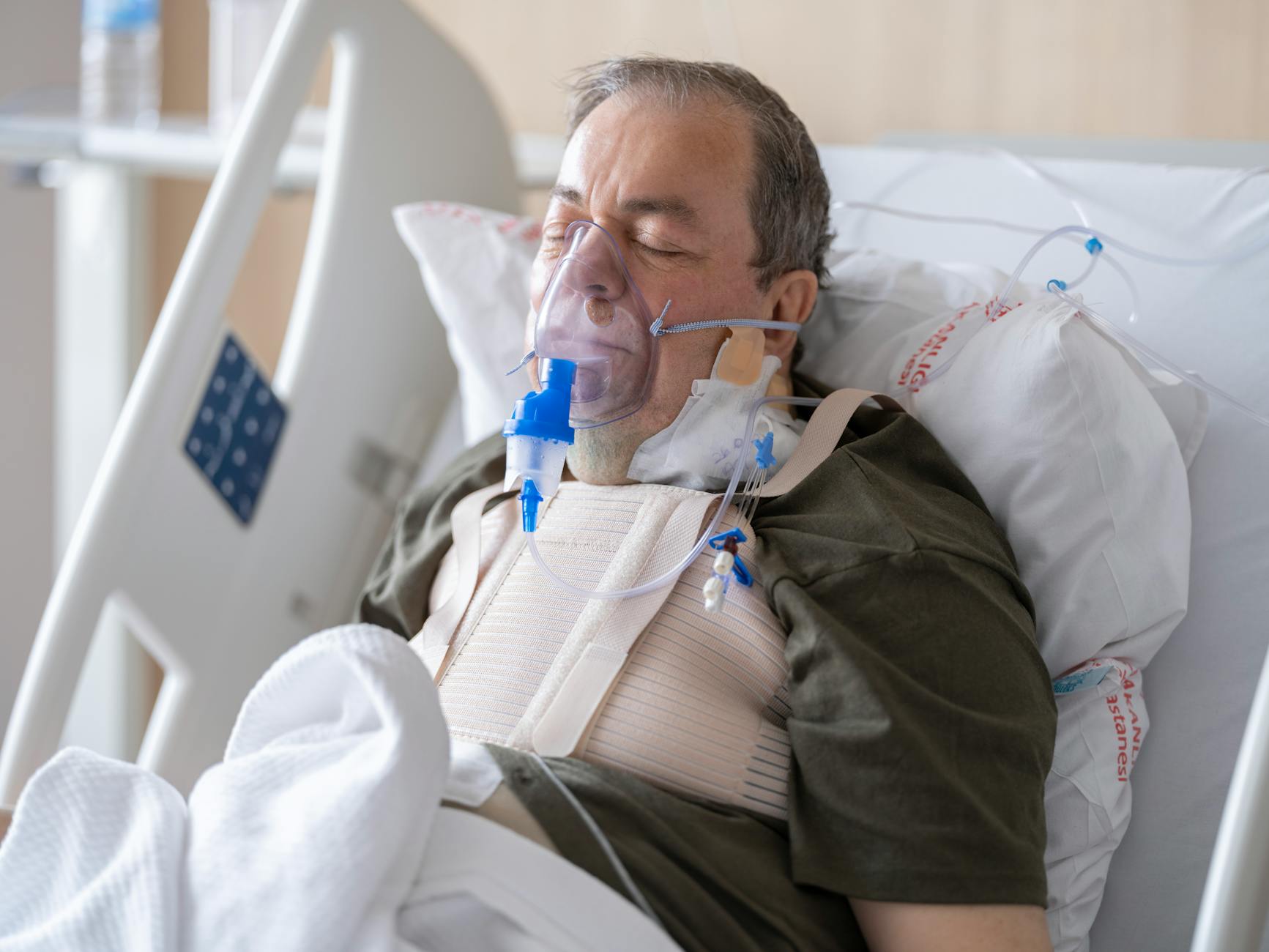
Beyond long-term maintenance treatments, there is promising research into acute interventions. Benralizumab, administered as a single injection during an asthma attack, was found to be thirty percent more effective than standard steroid tablets at reducing the need for further treatment.
Published in The Lancet Respiratory Medicine and described by researchers at King’s College London as potentially game-changing, this approach could reduce the reliance on oral corticosteroids — medications whose long-term side effects include bone loss, weight gain, and mood disturbances that can complicate dementia care. For caregivers managing a loved one who has both severe asthma and dementia, an emergency treatment option that works faster and more effectively than oral steroids — without requiring the patient to remember to take pills over several days — could be genuinely valuable in a crisis.
What the Future Holds for Asthma Treatment
Gene therapy for asthma remains in early research stages, with nanoparticle-based thymulin gene therapy showing near-complete resolution of allergic asthma pathology in animal models. No human clinical products are available yet, and it will likely be years before gene-based approaches reach patients. But the trajectory of asthma treatment is unmistakable: away from daily symptom management and toward less frequent, more targeted, and potentially curative interventions.
For people living at the intersection of respiratory disease and cognitive decline, each advance in reducing treatment complexity is meaningful. Every eliminated daily medication, every reduced clinic visit, every prevented emergency hospitalization frees up finite cognitive and caregiver resources for the challenges that dementia itself demands. The treatments arriving now — and those on the horizon — represent a quiet but significant shift in what it means to manage severe asthma across a lifetime.
Conclusion
Bronchial thermoplasty remains the closest thing to a one-time asthma treatment currently supported by long-term clinical evidence, with five-to-ten-year data showing sustained reductions in severe attacks and emergency visits. Depemokimab, newly approved and launching in 2026, offers a different kind of convenience — just two injections per year for severe eosinophilic asthma. Both approaches represent a move away from the daily burden of asthma management, which carries particular significance for older adults and anyone navigating the overlapping demands of respiratory illness and cognitive health.
If you or someone you care for is living with severe asthma that is not well-controlled on current medications, these options are worth a direct conversation with a pulmonologist. Ask specifically about eligibility for bronchial thermoplasty or biologic therapies, and make sure your care team understands the full picture — including any cognitive concerns. Reducing the respiratory burden is not just about breathing easier. It is about protecting the brain, simplifying daily life, and preserving the capacity to focus on what matters most.
Frequently Asked Questions
Is bronchial thermoplasty still available if the manufacturer has discontinued the product?
Some medical centers may still have the Alair System and the expertise to perform the procedure, but availability is increasingly limited. Contact major academic medical centers or specialized pulmonology programs to ask directly.
Can someone with dementia undergo bronchial thermoplasty?
The procedure requires three separate bronchoscopy sessions under sedation. A person with dementia would need a healthcare proxy or legal guardian to provide informed consent, and the care team would need to assess whether the patient can safely tolerate the procedure and post-procedure monitoring.
Is depemokimab appropriate for all types of severe asthma?
No. Depemokimab is specifically approved for severe eosinophilic asthma, which is characterized by elevated levels of eosinophils — a type of white blood cell. Blood tests can determine whether this subtype applies. It would not be effective for non-eosinophilic severe asthma.
How does poorly controlled asthma affect dementia risk?
Severe asthma attacks cause drops in blood oxygen levels, chronic systemic inflammation, and sleep disruption — all of which are independently associated with increased risk of cognitive decline and vascular dementia over time.
Will gene therapy for asthma be available soon?
Not in the near term. While animal studies using nanoparticle-based gene therapy have shown promising results, no human clinical products exist yet. This remains an area of active research likely years away from patient availability.