Asthma drug sits at the center of this dementia and brain health question.
The asthma drugs most likely to cause cataracts with long-term use are corticosteroids, both inhaled and oral. Inhaled corticosteroids such as fluticasone (Flovent), budesonide (Pulmicort), and beclomethasone (QVAR) have been linked to a roughly doubled risk of cataract development in long-term users, according to a systematic review and meta-analysis of 19 studies. Oral corticosteroids like prednisone carry an even steeper risk. For the millions of older adults managing both asthma and cognitive decline, this is not a trivial side effect. Vision loss from cataracts can accelerate confusion, increase fall risk, and deepen the isolation that already accompanies dementia.
Consider a 68-year-old woman who has used an inhaled corticosteroid for her asthma since her early fifties. She begins having trouble reading medication labels and navigating her home. Her family assumes these are signs of worsening dementia, but an eye exam reveals posterior subcapsular cataracts, the hallmark type caused by steroid exposure. Her vision problems were treatable all along. This scenario plays out more often than most caregivers realize. This article breaks down the specific risks tied to inhaled and oral corticosteroids, the dose thresholds that matter, what the most recent 2025 research tells us, and what caregivers and patients can actually do to protect both lung function and eyesight over the long haul.
Table of Contents
- Which Asthma Drugs Cause Cataracts With Long-Term Use?
- How Much Steroid Exposure Does It Take to Raise Cataract Risk?
- What Recent Research Reveals About Childhood Asthma and Later Cataract Risk
- Balancing Asthma Control Against Cataract Risk in Older Adults
- Why Steroid-Induced Cataracts Are Easily Missed in Dementia Patients
- Alternatives and Adjunct Therapies That May Reduce Steroid Dependence
- What Caregivers Should Watch For Going Forward
- Conclusion
- Frequently Asked Questions
Which Asthma Drugs Cause Cataracts With Long-Term Use?
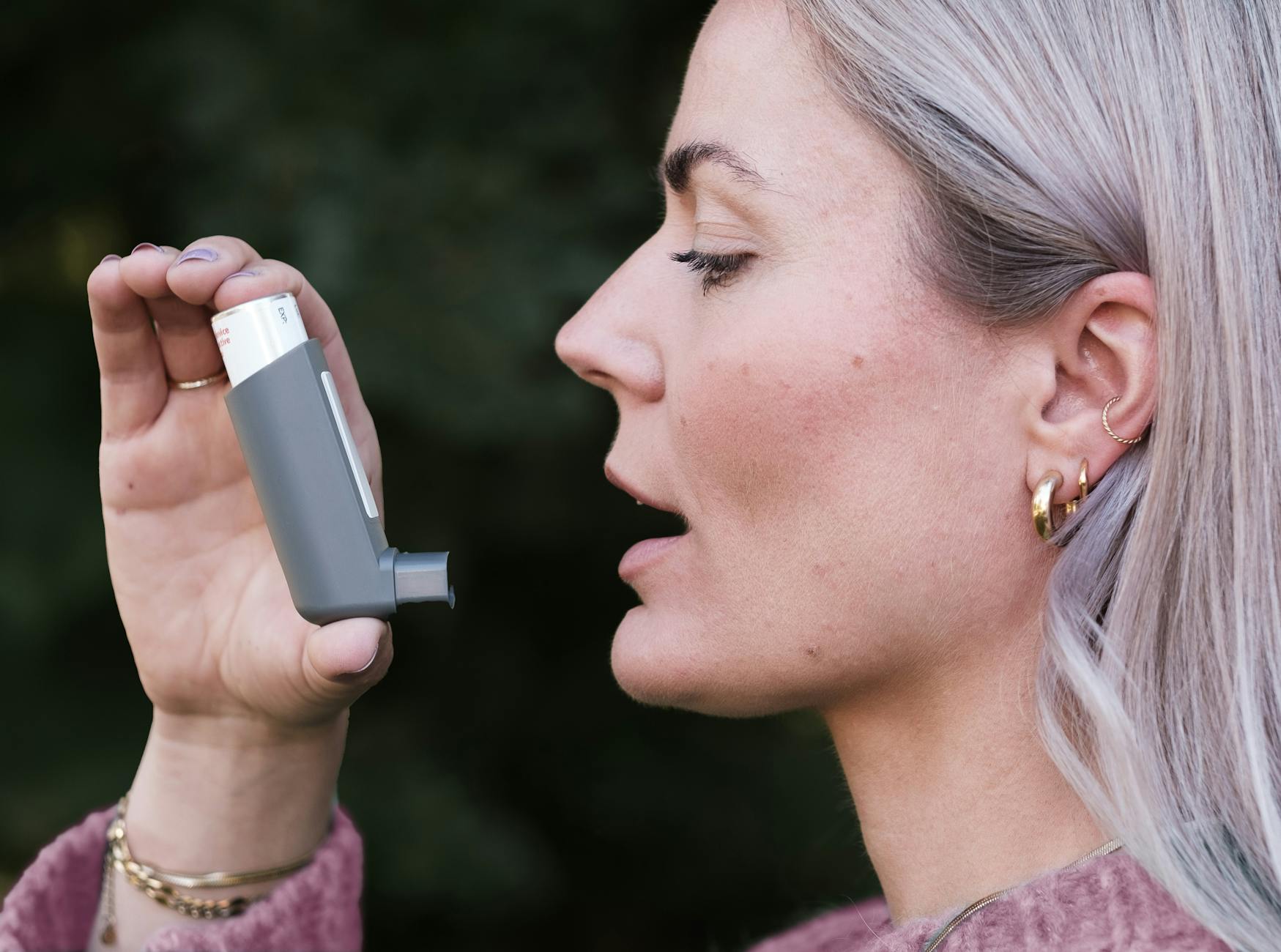
The culprits are corticosteroids, the anti-inflammatory drugs that form the backbone of persistent asthma treatment. Inhaled corticosteroids, commonly prescribed as daily maintenance therapy, include fluticasone, budesonide, beclomethasone, mometasone, and ciclesonide. These drugs reduce airway inflammation and prevent asthma attacks, but they also expose the lens of the eye to low-level steroid effects over months and years. Oral corticosteroids, particularly prednisone, are used for severe asthma flares and carry a substantially higher cataract risk because of their systemic absorption. The specific type of cataract linked to steroid use is the posterior subcapsular cataract, or PSC.
Unlike the age-related nuclear cataracts that develop gradually in most older adults, PSC cataracts form on the back surface of the lens and tend to interfere with reading and close-up vision earlier in their progression. Research shows that PSC cataracts are three times more prevalent in users of inhaled corticosteroids compared to non-users. For someone already coping with memory loss or confusion, a PSC cataract can make daily tasks dramatically harder without anyone connecting the decline to a medication side effect. It is worth noting that not all asthma medications carry this risk. Short-acting bronchodilators like albuterol, long-acting beta-agonists like salmeterol, leukotriene modifiers like montelukast, and biologic therapies like omalizumab do not have established links to cataract formation. The risk is specific to the corticosteroid component of asthma treatment.
How Much Steroid Exposure Does It Take to Raise Cataract Risk?
The relationship between corticosteroid dose and cataract development follows a clear dose-response pattern, but there is no perfectly safe threshold. Pooled data show that the risk of cataracts increases by approximately 25 percent for each 1,000 micrograms per day increase in beclomethasone-equivalent dose, with a pooled odds ratio of 1.25. Daily inhaled corticosteroid doses at or above 1,000 micrograms are associated with a statistically significant increase in cataract development and the likelihood of needing cataract surgery. However, even patients using what are considered low doses are not entirely in the clear. Research has found that daily doses of 500 micrograms or less still carried an increased risk of severe cataracts requiring surgical extraction.
This is an important caution for caregivers who might assume that a “low-dose” inhaler is free of long-term consequences. For an older adult with dementia who may have been on an inhaled steroid for a decade or more, even modest daily doses have had time to accumulate their effects on the lens. The combination of inhaled and oral steroids amplifies the danger considerably. Patients who use both face an odds ratio of 4.76 for developing posterior subcapsular cataracts compared to non-users. That is nearly a fivefold increase. If your loved one has been prescribed oral prednisone bursts on top of a daily inhaler during asthma flares, the cumulative steroid load may be higher than anyone has tracked.
What Recent Research Reveals About Childhood Asthma and Later Cataract Risk
A Danish register-based study reported in September 2025 in The Ophthalmologist brought new urgency to this issue. Researchers found that adults who had been treated with inhaled corticosteroids for childhood asthma faced a significantly elevated cataract risk later in life. Those treated with inhaled corticosteroids in adulthood had an odds ratio of 1.75 for cataracts. For those who used inhaled corticosteroids for five to ten years, the risk climbed to 2.17 times that of non-users. The researchers described this as a “previously underestimated” long-term risk. That language matters.
It means that even within the medical community, the connection between years of inhaled steroid use beginning in childhood and cataracts developing decades later was not fully appreciated until recently. For families caring for a parent or grandparent who has had asthma since youth and now also faces cognitive decline, this finding suggests that proactive eye screening should be part of their care plan, not an afterthought. Separately, studies in children and adolescents with severe asthma who used steroids for at least 365 days found that 29.1 percent, or seven out of 24 patients, developed posterior subcapsular cataracts. Among long-term adult prednisone users averaging 9.1 years of use, 27 percent developed PSC cataracts. These are not rare outcomes. They are happening in roughly one out of every four long-term steroid users.

Balancing Asthma Control Against Cataract Risk in Older Adults
Medical consensus still holds that the benefits of inhaled corticosteroids for asthma management outweigh the cataract risk for most patients. Uncontrolled asthma in an older adult can lead to hospitalizations, respiratory failure, and rapid functional decline, all of which are far more immediately dangerous than a slowly developing cataract. Stopping an inhaled steroid without medical guidance can trigger a severe asthma exacerbation, which in a person with dementia could be catastrophic. The practical tradeoff is not between using steroids and avoiding them entirely.
It is between using the lowest effective dose and defaulting to a higher dose out of convenience or habit. A prescriber who has not reassessed an older patient’s asthma regimen in years may be maintaining them on a dose that was appropriate during a period of poor control but is now higher than necessary. Step-down therapy, where the dose is gradually reduced while monitoring symptoms, is recommended by asthma guidelines but is frequently overlooked in patients with multiple comorbidities, especially those with dementia who may not clearly communicate their symptoms. For caregivers, the actionable step is to ask the prescribing physician two questions: Is this the lowest dose that will keep the asthma controlled? And when was the last time a step-down was attempted? These conversations can meaningfully reduce cumulative steroid exposure without sacrificing respiratory health.
Why Steroid-Induced Cataracts Are Easily Missed in Dementia Patients
One of the most dangerous aspects of steroid-induced cataracts in people with dementia is that the visual decline gets attributed to the dementia itself. A person who stops reading, has difficulty recognizing faces, or becomes more disoriented in unfamiliar settings may appear to be experiencing cognitive worsening when the actual problem is a treatable change in their vision. Posterior subcapsular cataracts are particularly insidious in this regard because they affect near vision and cause significant glare sensitivity, both of which interfere with the daily activities that caregivers use to gauge cognitive function. The standard recommendation for long-term corticosteroid users is regular eye examinations, ideally annually. But in practice, older adults with dementia are less likely to receive routine eye care.
Transportation barriers, difficulty cooperating with an eye exam, and the assumption that “nothing can be done” all conspire to delay detection. By the time a cataract is identified, it may have been contributing to behavioral changes, falls, or social withdrawal for months or years. Cataract surgery is generally safe and effective even in patients with mild to moderate dementia, though it requires careful coordination with anesthesia teams and post-operative care planning. The visual improvement after surgery can produce noticeable functional gains that families sometimes mistake for cognitive improvement. It is not that the dementia got better. It is that a correctable barrier was finally removed.

Alternatives and Adjunct Therapies That May Reduce Steroid Dependence
For some patients, newer asthma therapies may allow a reduction in corticosteroid use. Biologic medications such as omalizumab, mepolizumab, and dupilumab target specific inflammatory pathways and have enabled some patients with moderate-to-severe asthma to reduce or eliminate their inhaled steroid doses. These biologics do not carry the same cataract risk.
However, they are expensive, require injections, and are typically reserved for patients whose asthma is not well controlled on standard therapy. Long-acting muscarinic antagonists like tiotropium, originally developed for COPD, are now approved as add-on therapy for asthma and may allow steroid dose reduction in some cases. The key point for caregivers is that the asthma treatment landscape has expanded considerably, and a regimen that was set up ten years ago may not reflect current best options. A pulmonologist or asthma specialist, rather than a general practitioner alone, is often better positioned to evaluate whether steroid exposure can be safely minimized.
What Caregivers Should Watch For Going Forward
The 2025 Danish study signals a shift in how the medical community understands the long-term ocular consequences of inhaled corticosteroids. As more data emerge, screening guidelines for long-term steroid users may become more specific, particularly regarding the timing and frequency of eye exams. For now, the evidence strongly supports annual ophthalmologic evaluation for anyone who has used inhaled or oral corticosteroids for more than a year.
For families navigating both asthma and dementia in a loved one, the takeaway is straightforward: vision and cognition are deeply intertwined, steroid medications can quietly erode one while you are focused on the other, and regular eye exams are one of the simplest interventions available to protect quality of life. Do not wait for obvious visual complaints. A person with dementia may not be able to tell you their vision has changed, but their behavior will.
Conclusion
Inhaled and oral corticosteroids remain essential tools for managing asthma, but their long-term use carries a real and well-documented risk of cataract development, particularly the posterior subcapsular type. The risk increases with dose and duration, is amplified when inhaled and oral steroids are combined, and may be underestimated in patients who began steroid treatment in childhood.
For older adults with dementia, the consequences of undetected cataracts extend well beyond blurred vision, contributing to falls, confusion, behavioral changes, and misattributed cognitive decline. Caregivers should ensure that their loved one’s asthma regimen is periodically reviewed for dose optimization, request annual eye exams from an ophthalmologist, and remain alert to visual decline that may be masquerading as worsening dementia. The goal is not to avoid corticosteroids at all costs but to use them thoughtfully, at the lowest effective dose, with full awareness of what they can do to the eyes over time.
Frequently Asked Questions
Can inhaled corticosteroids cause cataracts even at low doses?
Yes. Research shows that even daily doses at or below 500 micrograms of beclomethasone equivalent are associated with an increased risk of cataracts severe enough to require surgical extraction. The risk is lower than with high doses, but it is not zero.
How long does it take for steroid-induced cataracts to develop?
There is no fixed timeline, but the 2025 Danish study found significantly elevated risk in adults who used inhaled corticosteroids for five to ten years. Among long-term oral prednisone users averaging about nine years of use, 27 percent developed posterior subcapsular cataracts.
Are steroid-induced cataracts different from age-related cataracts?
Yes. Steroid use is specifically linked to posterior subcapsular cataracts, which form on the back surface of the lens. These tend to affect near vision and cause glare problems earlier in their course than the nuclear cataracts that develop with normal aging.
Should my loved one stop using their asthma inhaler to avoid cataracts?
No. Stopping inhaled corticosteroids without medical supervision can trigger serious asthma flares. The medical consensus is that the benefits of asthma control outweigh the cataract risk for most patients. Instead, ask the prescriber whether the current dose is the lowest that will maintain control, and ensure regular eye exams are part of the care plan.
Can cataract surgery be performed on someone with dementia?
In most cases, yes. Cataract surgery is generally safe for patients with mild to moderate dementia, though it requires additional planning for anesthesia and post-operative care. The visual improvement can lead to meaningful functional gains.
Do non-steroid asthma medications cause cataracts?
No established link exists between cataracts and non-steroid asthma medications such as albuterol, salmeterol, montelukast, or biologic therapies like omalizumab and dupilumab.
You Might Also Like
- The Heart Medication That Works Better When You Take It at Night
- The Cancer Drug That Causes a Bizarre Skin Rash — But That’s Actually Good News
- Can Birth Control Pills Cause Blood Clots? A Doctor Explains the Real Risk
For more, see National Institute on Aging.