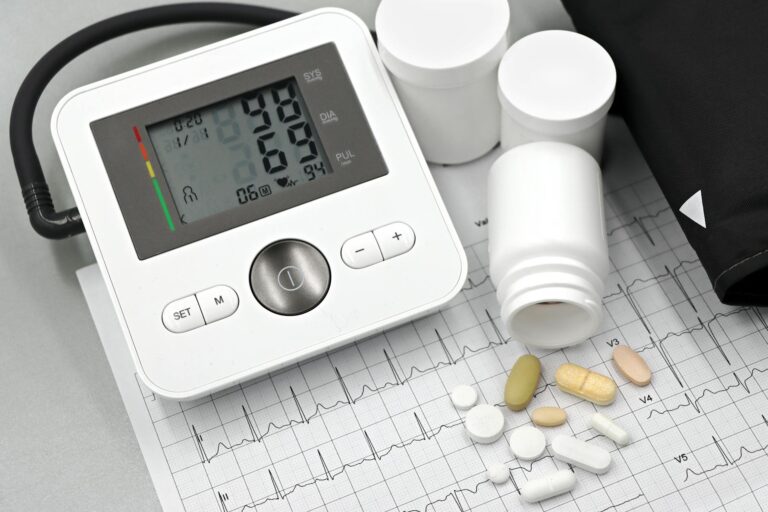
Vyvanse and Adderall are both amphetamine-based stimulants prescribed for attention deficit hyperactivity disorder, but they differ in one critical way: Vyvanse is a prodrug, meaning it must be metabolized by the body before it becomes active, while Adderall delivers amphetamine salts that take effect more directly. This distinction shapes nearly everything else about the two medications, from how quickly they kick in to how likely they are to be misused. For older adults managing ADHD alongside cognitive decline or dementia-related behavioral symptoms, understanding these differences is not academic — it can affect safety, side effect burden, and daily functioning. A psychiatrist treating a 68-year-old patient with a longtime ADHD diagnosis and early mild cognitive impairment, for instance, might favor Vyvanse’s smoother pharmacokinetic profile to avoid the peaks and valleys that can worsen anxiety or agitation.
But another clinician might choose Adderall IR for its dosing flexibility in a patient who only needs a few focused hours in the morning. Neither drug is inherently superior. The right choice depends on the individual’s medical history, other medications, cardiovascular risk, and what the prescriber is trying to achieve. This article breaks down the pharmacological differences between Vyvanse and Adderall, explores what psychiatrists actually weigh when choosing between them, examines safety considerations for aging brains, and addresses cost and access barriers that often drive the real-world decision more than clinical evidence does.
Table of Contents
- What Are the Real Pharmacological Differences Between Vyvanse and Adderall?
- Why Psychiatrists Disagree on Which Medication Is Better for Older Adults
- How Each Medication Interacts with Common Dementia Drugs
- Comparing the Side Effect Profiles in Practical Terms
- The Cost and Access Problem That Often Decides the Question
- When Neither Vyvanse nor Adderall Is the Right Answer
- What Ongoing Research May Change About These Choices
- Conclusion
- Frequently Asked Questions
What Are the Real Pharmacological Differences Between Vyvanse and Adderall?
adderall is a combination of four amphetamine salts — a mix of dextroamphetamine and levoamphetamine in a roughly 3:1 ratio. It comes in two formulations: immediate release, which typically lasts four to six hours, and extended release (Adderall XR), which uses a bead delivery system to provide roughly eight to twelve hours of coverage. Vyvanse, by contrast, contains lisdexamfetamine dimesylate, a chemically inactive compound that the body converts into dextroamphetamine through enzymatic hydrolysis in the blood. Because it requires this metabolic step, Vyvanse cannot be snorted or injected for a rapid high, which is one reason the Drug Enforcement Administration and prescribers have historically viewed it as carrying a somewhat lower abuse potential despite both being Schedule II controlled substances. The practical difference patients notice most is the onset and offset curve. Adderall IR hits relatively fast, often within 30 to 45 minutes, and fades noticeably.
Adderall XR has a two-phase release. Vyvanse tends to produce a more gradual ramp-up over one to two hours, sustains its effect for roughly 10 to 14 hours in many patients, and tapers more gently. For someone with dementia-related attention difficulties who also experiences sundowning or late-afternoon agitation, this pharmacokinetic profile matters. A medication that wears off abruptly in the late afternoon could potentially worsen evening behavioral symptoms, while one that tapers gradually might not. It is worth noting that Vyvanse converts exclusively to dextroamphetamine, the more potent of the two amphetamine isomers in terms of central nervous system effects. Adderall’s inclusion of levoamphetamine contributes more peripheral nervous system activity, which some clinicians believe accounts for differences in side effect profiles — particularly cardiovascular effects like elevated heart rate and blood pressure. However, head-to-head clinical trials directly comparing the two drugs in older adults are essentially nonexistent, so much of what psychiatrists rely on is extrapolation from younger populations and clinical experience.

Why Psychiatrists Disagree on Which Medication Is Better for Older Adults
There is no consensus among psychiatrists about whether Vyvanse or Adderall is preferable for patients over 65, because the evidence base is thin and the patient population is heterogeneous. Some clinicians lean toward Vyvanse for its smoother delivery and lower abuse potential, particularly in patients with a history of substance use or in households where medication diversion is a concern. Others prefer Adderall IR precisely because its short duration allows for careful, low-dose trials — you can give a small amount in the morning, observe the patient for a few hours, and know relatively quickly whether it is helping or causing problems. However, if a patient has significant cardiovascular disease, many psychiatrists will avoid both medications or use them only with cardiology clearance and close monitoring. Stimulants raise heart rate and blood pressure, and older adults are more likely to have underlying conditions like atrial fibrillation, coronary artery disease, or heart failure that make this risky.
The prescribing information for both Vyvanse and Adderall includes warnings about sudden cardiac death, stroke, and myocardial infarction, though these events are rare. The concern is not theoretical for an 80-year-old with multiple comorbidities in the way it might be for a healthy 25-year-old. A limitation that frustrates clinicians is that most ADHD medication trials excluded participants over 65 and certainly did not include people with dementia. Psychiatrists prescribing stimulants for older adults with cognitive impairment are working largely off-label, guided by case reports, clinical intuition, and careful titration. This does not mean the medications are ineffective in this population — some patients experience meaningful improvements in focus, initiative, and apathy — but it does mean the safety data is sparse, and honest clinicians will acknowledge that uncertainty.
How Each Medication Interacts with Common Dementia Drugs
One of the most practical concerns when prescribing stimulants to older adults with cognitive impairment is drug interactions. Cholinesterase inhibitors like donepezil, rivastigmine, and galantamine — the most commonly prescribed dementia medications — work by increasing acetylcholine in the brain. Stimulants primarily affect dopamine and norepinephrine. In theory, these mechanisms do not directly conflict, and some clinicians have used them together, particularly to address the profound apathy that can accompany Alzheimer’s disease and related dementias. In practice, though, both drug classes can affect heart rate. Cholinesterase inhibitors tend to slow heart rate through vagal effects, while stimulants tend to increase it.
The net cardiovascular result in a given patient is unpredictable and requires monitoring. A geriatric psychiatrist treating a patient on donepezil who adds low-dose methylphenidate or an amphetamine-based stimulant will typically order baseline and follow-up electrocardiograms and check blood pressure at each visit. For example, a patient stable on donepezil 10 mg who begins Vyvanse 20 mg might tolerate it well, but if that same patient is also on a beta-blocker for rate control, the competing pharmacological effects become harder to manage. Memantine, the other major dementia drug, works on glutamate pathways and does not have the same cardiovascular interaction concerns, but it can affect urinary pH, which in turn influences how quickly amphetamines are excreted. Alkaline urine slows amphetamine clearance, potentially increasing blood levels and side effects. This is the kind of subtle interaction that a general practitioner might miss but a psychiatrist or pharmacist familiar with stimulant pharmacology would flag.

Comparing the Side Effect Profiles in Practical Terms
Both Vyvanse and Adderall share a core set of stimulant side effects: appetite suppression, insomnia, dry mouth, increased heart rate, elevated blood pressure, and potential for anxiety or irritability. In older adults, appetite suppression deserves particular attention because many people with dementia already struggle with adequate nutrition. A medication that further reduces food intake could accelerate weight loss, muscle wasting, and functional decline. Clinicians managing this tradeoff sometimes schedule meals before the medication takes effect or use calorie-dense supplements. Insomnia is another side effect where the two medications differ meaningfully. Because Vyvanse lasts longer, taking it too late in the day — or even at a normal morning time for a patient who is a naturally early sleeper — can interfere with nighttime rest.
Adderall IR, taken early in the morning, is often out of the system by evening. For patients with dementia who already have disrupted sleep-wake cycles, adding a long-acting stimulant without careful timing can worsen sundowning, nighttime wandering, or caregiver burden. On the other hand, some patients actually sleep better when their daytime restlessness and agitation are better controlled, so the relationship between stimulants and sleep is not always straightforward. The psychological side effects can be particularly tricky in dementia. Stimulants can occasionally provoke paranoia, hallucinations, or worsened agitation — symptoms that overlap with dementia itself. If a patient on Vyvanse begins expressing paranoid ideas, a clinician must determine whether this represents medication-induced psychosis, disease progression, or a completely unrelated medical issue like a urinary tract infection. This diagnostic ambiguity is one reason many geriatric specialists start with very low doses and titrate slowly, often more slowly than they would in a younger adult.
The Cost and Access Problem That Often Decides the Question
For many patients and families, the choice between Vyvanse and Adderall is not made on clinical grounds at all — it is made by insurance formularies and out-of-pocket costs. Historically, Vyvanse was significantly more expensive because it was available only as a brand-name medication. A generic version of lisdexamfetamine became available in the United States in 2023, which has begun to change this calculus, though as of recent reports, pricing for the generic varies considerably depending on the pharmacy and insurance plan. Adderall has been available in generic form for many years and is generally one of the less expensive branded-to-generic stimulant options. However, stimulant shortages have complicated access to both medications in recent years.
The DEA sets annual production quotas for Schedule II substances, and when demand outstrips supply — as has happened repeatedly — patients may find that their pharmacy cannot fill their prescription regardless of which medication their doctor chose. For older adults with cognitive impairment, a disruption in medication supply is more than an inconvenience; it can destabilize behavior, increase caregiver stress, and lead to emergency department visits. Caregivers should be aware of this possibility and discuss backup plans with the prescribing physician, such as which alternative stimulant or non-stimulant could be substituted if the primary medication is unavailable. Prior authorization requirements from insurance companies add another layer of difficulty. Some plans require documentation that a patient has failed a cheaper medication before approving a more expensive one, a process called step therapy. For an older adult with dementia, whose caregiver is already managing a complex medication regimen and multiple medical appointments, navigating prior authorization can be an exhausting barrier that delays treatment by weeks.

When Neither Vyvanse nor Adderall Is the Right Answer
Not every older adult with attention or motivation problems needs a stimulant. Apathy in dementia, for instance, is sometimes treated with methylphenidate rather than amphetamine-based medications, based on a small but growing body of evidence from clinical trials specifically in dementia populations. Methylphenidate (best known by the brand name Ritalin) works on the same neurotransmitter systems but has a slightly different pharmacological profile and a longer track record of use in geriatric medicine.
A clinician evaluating an 82-year-old with Alzheimer’s-related apathy might reasonably start with methylphenidate rather than jumping to Vyvanse or Adderall. Non-stimulant options also exist. Atomoxetine, a norepinephrine reuptake inhibitor, does not carry the same abuse potential or cardiovascular stimulant effects, though it has its own side effect profile and takes weeks to reach full efficacy. Behavioral interventions, structured routines, physical exercise, and environmental modifications remain foundational — and unlike any medication, they carry no risk of drug interactions or cardiac side effects.
What Ongoing Research May Change About These Choices
The growing recognition that ADHD persists into old age and that stimulants may have a role in managing certain dementia-related symptoms has begun to attract more research attention, though progress is slow. Several small trials have explored stimulant use for apathy in Alzheimer’s disease, and larger studies are gradually being designed. If these trials produce clear evidence of benefit — or harm — the current practice of extrapolating from younger populations may eventually give way to evidence-based guidelines specifically for older adults.
Advances in pharmacogenomics may also shift the landscape. Genetic testing can already identify some variations in drug-metabolizing enzymes that affect how an individual processes amphetamines. As this testing becomes more routine and affordable, prescribers may be able to predict which patients will metabolize Vyvanse efficiently and which will struggle with Adderall’s side effects, turning what is currently an educated guess into a more precise decision. For now, though, the honest answer remains that choosing between these two medications in an older adult involves careful clinical judgment, close monitoring, and a willingness to change course if the first choice does not work out.
Conclusion
Vyvanse and Adderall are more alike than they are different — both deliver amphetamine to the brain, both carry Schedule II status, and both can improve attention and reduce apathy in selected patients. The meaningful distinctions lie in their pharmacokinetic profiles, abuse potential, duration of action, and cost. For older adults, particularly those with dementia or mild cognitive impairment, these distinctions interact with cardiovascular risk, polypharmacy, nutritional status, and sleep patterns in ways that demand individualized decision-making rather than blanket recommendations.
Families and caregivers navigating this decision should expect the prescribing clinician to start with a low dose, monitor closely, and be willing to switch medications if the first trial does not produce meaningful benefit or causes intolerable side effects. Asking about the clinician’s reasoning, understanding what to watch for at home, and having a plan for medication shortages or insurance barriers will put you in a stronger position. Neither Vyvanse nor Adderall is a cure for cognitive decline, but in the right patient and at the right dose, either one may meaningfully improve quality of life.
Frequently Asked Questions
Is Vyvanse safer than Adderall for elderly patients?
Neither has been established as definitively safer in older adults through rigorous clinical trials. Vyvanse’s smoother onset and lower abuse potential are theoretical advantages, but both medications carry similar cardiovascular risks and require the same careful monitoring in elderly patients.
Can stimulants like Vyvanse or Adderall slow dementia progression?
There is no reliable evidence that stimulants slow the underlying neurodegenerative process in Alzheimer’s disease or other dementias. They may improve symptoms like apathy and inattention, but they are not disease-modifying treatments.
What is the typical starting dose for an older adult?
Most geriatric psychiatrists start well below the standard adult dose. For Adderall IR, this might mean 2.5 mg once daily. For Vyvanse, it might mean 10 or 20 mg. The principle of “start low, go slow” is especially important in this population because of increased sensitivity to side effects.
Should stimulants be stopped if a patient’s dementia progresses?
This is a conversation to have with the prescribing physician. As dementia advances, the risk-benefit calculation may shift. If a patient is no longer showing clear benefit or is experiencing side effects that are harder to communicate due to declining verbal ability, discontinuation — done gradually — may be appropriate.
Are there foods or supplements that interact with these medications?
Acidic foods and beverages, particularly citrus juices, can reduce amphetamine absorption. Vitamin C supplements taken near the time of the dose may have a similar effect. Conversely, alkalinizing agents like sodium bicarbonate can increase blood levels. These interactions are clinically relevant and worth discussing with a pharmacist.