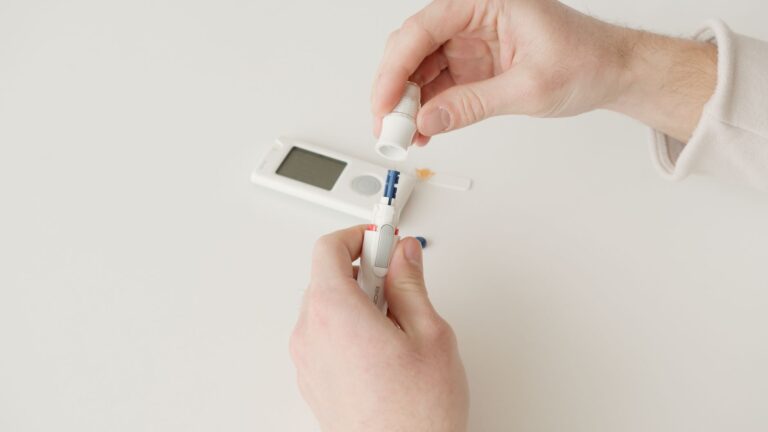
What nobody tells you about going on blood thinners for life is that the prescription is only the beginning of a long, complicated relationship with a drug that will quietly reshape your daily habits, your diet, your hobbies, and even the way you think about a simple fall. Blood thinners are among the most widely prescribed medications in the United States — over six million Americans take them — and yet most patients walk out of the doctor’s office with little more than a pamphlet and a refill schedule. What they are not told is that anticoagulants are the single most common cause of drug-related emergency room visits in the country, sending hundreds of thousands of older adults to the hospital every year and costing the healthcare system more than $2.5 billion annually, according to NBC News and the CDC.
This is not an argument against blood thinners. For people with atrial fibrillation, deep vein thrombosis, or a history of stroke, these medications are genuinely lifesaving. The average risk of stroke without treatment in AFib patients runs about five percent per year, which is why doctors prescribe anticoagulants despite a two-to-three percent annual risk of major bleeding. But there is an enormous gap between “you need this medication” and “here is what your life will actually look like on it.” This article covers the bleeding risks your doctor may gloss over, the non-bleeding complications that rarely make it into the conversation — including a troubling connection to dementia — the lifestyle changes that catch people off guard, and the critical differences between blood thinners that could determine what happens if you end up in an emergency room.
Table of Contents
- What Are the Hidden Bleeding Risks of Lifelong Blood Thinner Use?
- The Non-Bleeding Side Effects Your Doctor Probably Did Not Mention
- Blood Thinners and Dementia — A Connection That Demands More Attention
- The Lifestyle Overhaul Nobody Prepares You For
- Not All Blood Thinners Are Equal — And the Differences Can Be Life or Death
- What Caregivers and Family Members Need to Watch For
- Where Blood Thinner Management Is Headed
- Conclusion
- Frequently Asked Questions
What Are the Hidden Bleeding Risks of Lifelong Blood Thinner Use?
The most common warning patients receive is “you might bruise more easily.” That is a dramatic understatement. For patients on warfarin, the five-year cumulative incidence of major bleeding is 6.3 percent, according to a meta-analysis published in the Annals of Internal Medicine. Newer direct oral anticoagulants like Eliquis bring that number down — roughly 1.12 major bleeds per 100 person-years compared to 1.74 for warfarin — but the risk never disappears entirely. In the Worcester VTE study, cumulative major bleeding reached 10.3 to 11.6 percent at one year and climbed to 12.4 to 15.6 percent at three years. These are not small numbers, and they represent events like gastrointestinal hemorrhages, intracranial bleeds, and bleeding severe enough to require transfusion or hospitalization.
What makes this particularly sobering is the case-fatality rate. When a major bleeding event does occur on anticoagulants, the death rate is approximately 13.4 percent — roughly three times higher than the case-fatality rate of recurrent blood clots, according to the American Society of Hematology. That statistic tends to surprise people. The very medication taken to prevent a fatal clot carries its own fatal risk profile, and the math only works out because the clotting risk, left untreated, is statistically worse. But patients deserve to understand this tradeoff clearly, especially those who are older, prone to falls, or managing multiple medications. Adults 65 and older visit emergency rooms for medication harm more than 600,000 times per year — more than twice the rate of younger people — with anticoagulants and insulin topping the list.

The Non-Bleeding Side Effects Your Doctor Probably Did Not Mention
Bleeding dominates the conversation around blood thinners, but there are quieter, slower-moving complications that can take months or years to surface. One of the most significant is kidney damage. Research from the Mayo Clinic found that at approximately two years on anticoagulants, about 25 percent of patients experienced at least a 30 percent decline in kidney function. That is one in four patients showing measurable organ damage, and most of them had no idea it was connected to their medication. Newer DOACs show lower rates of kidney decline than warfarin, which is worth discussing with a prescriber, but the risk exists across the drug class.
Bone loss is another underreported consequence. Long-term heparin use interferes with bone metabolism and increases fracture risk. Warfarin compounds this problem because it disrupts vitamin K, a nutrient that is not only involved in blood clotting but also essential for bone health. For older adults already at risk for osteoporosis, this creates a compounding vulnerability: the blood thinner weakens the bones, and the blood thinner also makes any resulting fracture far more dangerous to treat. However, if a patient is on a DOAC rather than warfarin, the vitamin K pathway is not directly affected, so bone-related risks may be lower — though long-term data on DOACs and bone health is still accumulating. This is the kind of distinction that matters when choosing between medications, but it rarely comes up in the initial prescribing conversation.
Blood Thinners and Dementia — A Connection That Demands More Attention
For readers of a brain health site, this is perhaps the most alarming and least discussed finding. A study from Intermountain Health found that patients with atrial fibrillation treated long-term with warfarin had higher rates of dementia, Alzheimer’s disease, and vascular dementia. The likely mechanism involves microbleeds in the brain — tiny, chronic hemorrhages that accumulate over years of anticoagulation and gradually damage cognitive function. This is not a theoretical concern. It represents a measurable increase in dementia diagnoses among real patient populations tracked over time.
However, the picture is not entirely one-sided. A contrasting study presented at the American heart Association’s Scientific Sessions in 2021 found that oral anticoagulation therapy in AFib patients may actually have a protective effect against cognitive decline. The proposed explanation is that by preventing strokes and micro-emboli, blood thinners reduce the cumulative vascular damage to the brain that drives cognitive deterioration. So the relationship between blood thinners and dementia is not simple. It may depend on which drug is used, how well anticoagulation is managed, and the patient’s individual vascular risk profile. For caregivers managing a loved one with both AFib and early cognitive symptoms, this tension between risk and protection makes the conversation with a neurologist and cardiologist not just important but urgent.

The Lifestyle Overhaul Nobody Prepares You For
Most people do not expect a prescription to dictate what they eat for dinner, but warfarin does exactly that. Patients on warfarin must maintain consistent vitamin K intake, which means green leafy vegetables like spinach, kale, broccoli, and Brussels sprouts cannot be suddenly added or removed from the diet. The instruction is not to avoid these foods — that is a common misunderstanding — but to eat them in roughly the same amounts day to day, because fluctuations throw off the drug’s effectiveness. The Mayo Clinic emphasizes this distinction, but in practice, many patients receive oversimplified advice to “avoid greens” entirely, which can actually worsen nutrition during a time when good nutrition matters most. Cranberry juice and grapefruit juice can dangerously increase warfarin’s blood-thinning effects and are typically instructed to be avoided entirely, according to the Cleveland Clinic.
Alcohol increases both bleeding risk and fall risk. Contact sports, skiing, gymnastics, and ice skating should be avoided due to the risk of internal bleeding from falls or impacts — swimming and walking are recommended alternatives. For someone who has been active their whole life, being told at 68 that they can no longer ski or play recreational basketball is a real loss, and it often triggers frustration or even non-compliance with the medication. Newer DOACs like Eliquis and Xarelto come with fewer dietary restrictions since they do not interact with vitamin K, but they introduce a different problem: missing a single dose can be dangerous. These drugs leave the system quickly, and a missed dose creates a window where clotting risk spikes, as noted by Michigan Medicine. There is no “forgiving” buffer the way there is with warfarin.
Not All Blood Thinners Are Equal — And the Differences Can Be Life or Death
Patients are often told they are going on “a blood thinner” as though it is a single, interchangeable category. It is not. A study from Michigan Medicine found that Xarelto carries a significantly higher risk of bleeding compared to Eliquis for both blood clot patients and AFib patients. This is a meaningful clinical difference, and yet many patients are never offered a comparison or asked about their preferences. Warfarin, the oldest option still in wide use, comes with side effects the newer drugs do not share at all. Warfarin has a rare but serious side effect called skin necrosis, where blood clots form in surface blood vessels, blocking blood flow and causing skin tissue to die. It can also cause purple toe syndrome — a painful discoloration in the toes and feet that typically appears weeks to two months after starting the drug.
The most consequential difference, though, may only matter in an emergency. If a patient on blood thinners is in a car accident or has a brain hemorrhage, doctors need to reverse the anticoagulation fast. Warfarin can be reversed with vitamin K and prothrombin complex concentrate, though it takes time. Dabigatran has a specific FDA-approved reversal agent called idarucizumab, which reversed effects by 100 percent in the REVERSE-AD trial. But Eliquis and Xarelto share a universal reversal agent — andexanet alfa, sold as Andexxa — that is extremely expensive and not available at all hospitals. This means emergency bleeding on these drugs can be harder to stop, particularly at smaller or rural facilities. A patient who lives 40 minutes from a major trauma center should know this when choosing between medications.
What Caregivers and Family Members Need to Watch For
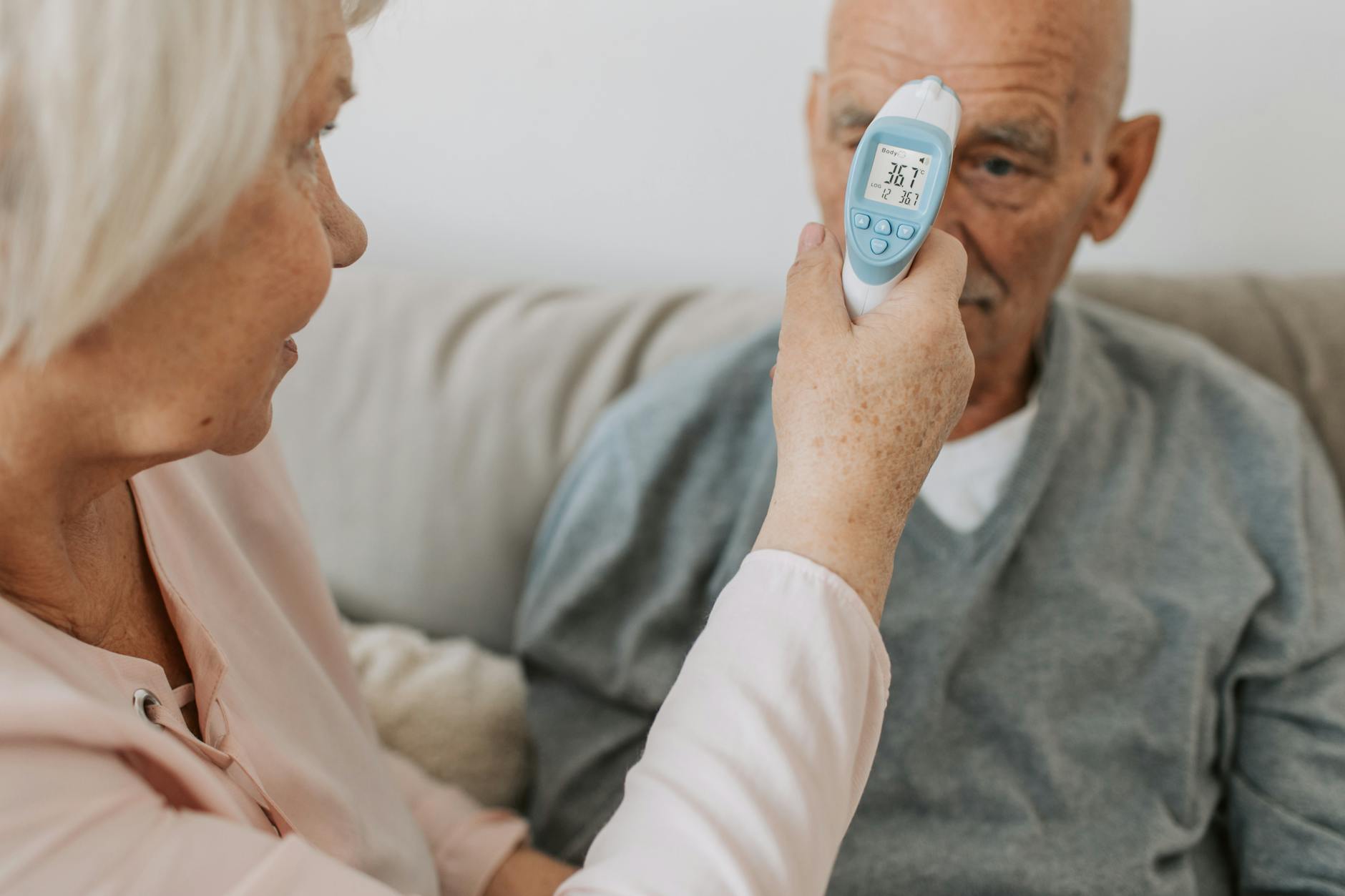
If you are caring for someone on lifelong anticoagulants — particularly an older adult with cognitive decline — the monitoring burden falls heavily on you. Watch for signs of internal bleeding that the patient may not recognize or report: unusual fatigue, dark or tarry stools, blood in urine, unexplained bruising, prolonged bleeding from minor cuts, or sudden severe headaches.
A person with dementia may not connect these symptoms to their medication or may forget to mention them at a doctor’s visit. Keep a written log of any new symptoms and bring it to every appointment. If the patient is on warfarin, ensure that INR testing stays on schedule, because missed tests mean the drug could be at a dangerously high or low level without anyone knowing.
Where Blood Thinner Management Is Headed
The field is moving toward more personalized anticoagulation — pharmacogenomic testing to determine how an individual metabolizes warfarin, wearable monitors that could eventually track coagulation status in real time, and newer drug formulations designed to reduce bleeding risk further while maintaining clot prevention. The development of more widely available and affordable reversal agents is also a priority, because the current gap in emergency access to Andexxa is a known weak point in the system. For now, the most important advancement is not a new drug but a new conversation: one where doctors take the time to explain not just why a patient needs a blood thinner, but what living on one will actually require.
Conclusion
Going on blood thinners for life is not simply a matter of taking a pill each day. It is a commitment that touches diet, physical activity, travel logistics, emergency preparedness, and even long-term brain health. The statistics are clear — these medications prevent strokes and save lives — but the full picture includes a two-to-three percent annual risk of major bleeding, potential kidney damage, bone loss, and an unresolved question about dementia that should concern anyone already navigating cognitive decline in themselves or a loved one. Not all blood thinners carry the same risks, and the differences between warfarin, Eliquis, Xarelto, and dabigatran are significant enough to warrant a direct conversation with a prescriber about which drug fits your life, not just your diagnosis. If you or someone you care for is starting or already on lifelong anticoagulation, do not settle for a pamphlet.
Ask about bleeding risk specific to your age and health profile. Ask which reversal agent is available at your nearest hospital. Ask about kidney monitoring and bone density. And if cognitive changes are part of the picture, raise the warfarin-dementia research directly with your neurologist. The goal is not to fear the medication but to use it with full knowledge of what it asks of you.
Frequently Asked Questions
Can I stop taking blood thinners if I feel fine?
No. Blood thinners prevent clots you cannot feel forming. Stopping without medical guidance can cause a stroke or pulmonary embolism within days, especially with DOACs like Eliquis and Xarelto, which leave the body quickly.
Are newer blood thinners like Eliquis always better than warfarin?
Not always. Eliquis has lower bleeding rates and no dietary restrictions, but warfarin has a well-established, inexpensive reversal process and decades of clinical data. Patients with mechanical heart valves, for example, must use warfarin. The best choice depends on the individual.
How does alcohol interact with blood thinners?
Alcohol increases both bleeding risk and fall risk on anticoagulants. The Cleveland Clinic recommends limiting or avoiding alcohol entirely. Even moderate drinking can amplify the effects of warfarin and interfere with consistent INR levels.
Should I be worried about dementia from warfarin?
The Intermountain Health study found higher dementia rates in AFib patients on long-term warfarin, likely from microbleeds. However, an AHA study suggested anticoagulation may protect against cognitive decline by preventing micro-strokes. Discuss your specific risk with a neurologist.
What happens if I need emergency surgery while on blood thinners?
It depends on the drug. Warfarin can be reversed with vitamin K. Dabigatran has a rapid reversal agent. Eliquis and Xarelto rely on andexanet alfa, which is expensive and not available at all hospitals, potentially complicating emergency care.
Do blood thinners affect bone health?
Yes. Heparin directly interferes with bone metabolism. Warfarin disrupts vitamin K, which is essential for bone density. This is especially concerning for older adults already at risk for osteoporosis and fractures.