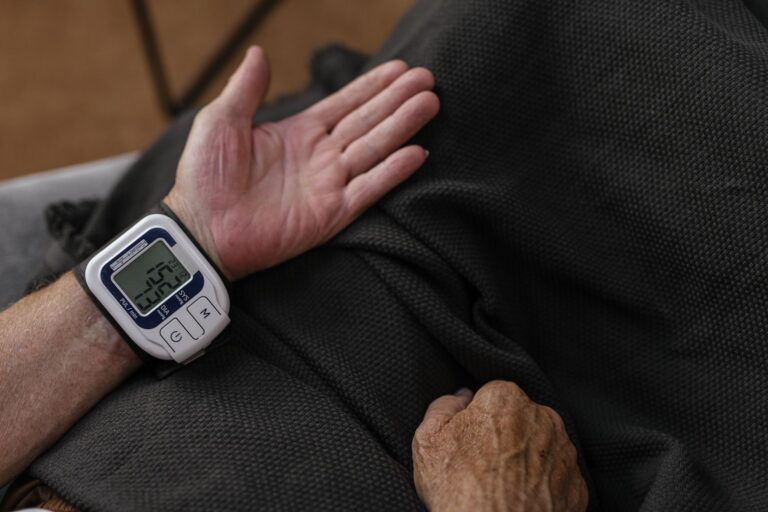
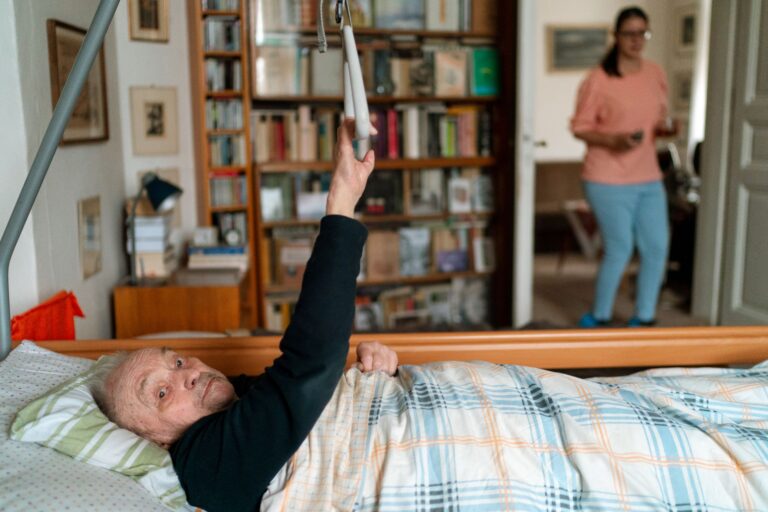
Yes, sleep deprivation can produce symptoms that closely mimic dementia, and the resemblance is striking enough that misdiagnosis happens more often than most people realize. Confusion, memory lapses, difficulty concentrating, impaired decision-making, and a persistent mental fog — these are hallmarks of early dementia, but they are also well-documented consequences of inadequate sleep. Consider someone in their late 60s who has spent years sleeping poorly due to untreated sleep apnea: they forget appointments, lose track of conversations, and struggle to plan meals. Their family assumes the worst. But after a sleep study and treatment with a CPAP machine, the cognitive problems begin to clear.
The diagnosis was never Alzheimer’s — it was exhaustion. The critical distinction, and the reason this matters so much, is that sleep-related cognitive impairment is often reversible, while true dementia is not. That difference can mean years of unnecessary fear, wrong medications, and missed opportunities to treat the actual problem. Sleep deprivation is listed among the top conditions commonly misdiagnosed as dementia, alongside depression, urinary tract infections, thyroid problems, medication side effects, and vitamin deficiencies. This article covers how sleep loss produces dementia-like symptoms, the specific statistics linking poor sleep to cognitive decline, how doctors can tell the difference, what biological damage sleep deprivation actually causes in the brain, and what you can do if you suspect sleep problems are behind a loved one’s cognitive changes.
Table of Contents
- How Does Sleep Deprivation Cause Symptoms That Mimic Dementia?
- The Statistics That Connect Poor Sleep to Cognitive Decline
- Pseudodementia and the Question of Reversibility
- What Happens Inside the Brain When You Don’t Sleep
- How Doctors Tell the Difference Between Sleep Problems and True Dementia
- When Sleep Treatment Reverses Cognitive Decline
- Protecting Your Brain Through Better Sleep
- Conclusion
- Frequently Asked Questions
How Does Sleep Deprivation Cause Symptoms That Mimic Dementia?
The cognitive effects of sleep deprivation are measurable, severe, and well-studied. After just 24 hours without sleep, cognitive impairment exceeds the level associated with being legally intoxicated — a person will have difficulty focusing, processing information, and forming short-term memories. Extend that to 36 hours, and reaction times slow dramatically while microsleep episodes begin, meaning the brain is shutting down for seconds at a time whether the person wants it to or not. Now consider what happens when someone experiences not one sleepless night but months or years of fragmented, shallow, or insufficient sleep. The cumulative effect on thinking, memory, and daily functioning can be indistinguishable from the early stages of a neurodegenerative disease. Sleep apnea offers a particularly instructive example. Obstructive sleep apnea — a condition in which breathing repeatedly stops during sleep — produces forgetfulness, trouble concentrating, difficulty organizing and planning, and impaired judgment.
These symptoms mirror dementia so closely that Ohio State University Health has specifically flagged sleep apnea as a condition commonly mistaken for dementia. The person sleeping next to someone with apnea may notice the snoring and gasping, but many people with apnea live alone and have no idea their sleep is being disrupted hundreds of times a night. They only notice the daytime consequences: the word-finding difficulties, the inability to follow a conversation, the sense that their mind is slipping away. What makes this especially important is the population most affected. Sleep disorders become more common with age, which is the same period of life when dementia risk rises. A 72-year-old with untreated sleep apnea presenting with memory complaints may be evaluated for Alzheimer’s without anyone ordering a sleep study first. The symptoms overlap almost entirely, and without deliberate screening for sleep problems, the wrong conclusion is easy to reach.

The Statistics That Connect Poor Sleep to Cognitive Decline
The research linking inadequate sleep to dementia risk is robust and growing, though it comes with an important caveat: many of these studies show association, not necessarily direct causation. Still, the numbers are difficult to ignore. A study of nearly 8,000 British adults published in Nature Communications found that those sleeping six hours or fewer per night starting at age 50 were 30 percent more likely to be diagnosed with dementia compared to those sleeping seven hours. A Harvard Health report went further, finding that people sleeping fewer than five hours per night were twice as likely to develop dementia and twice as likely to die compared to those averaging six to eight hours. The quality of sleep matters as much as the quantity. Research covered by Medical News Today found that each one percent annual decrease in deep slow-wave sleep was associated with a 27 percent increase in dementia risk for people over 60.
Deep sleep is when the brain performs its most critical maintenance work, and losing even small amounts of it compounds over time. A September 2025 Mayo Clinic study added another dimension: people with chronic insomnia were 40 percent more likely to develop dementia or mild cognitive impairment, and insomnia with perceived reduced sleep was associated with cognitive function equivalent to being four years older. However, these statistics require careful interpretation. A person sleeping six hours a night at age 55 is not guaranteed to develop dementia — they have a statistically elevated risk, which is different from a certainty. Some people function well on less sleep due to genetic variation, though they are rarer than most short sleepers believe. The takeaway is not that poor sleep definitively causes dementia, but that it is a significant and modifiable risk factor — one of the few we can actually do something about.
Pseudodementia and the Question of Reversibility
Pseudodementia is a recognized clinical term for reversible cognitive impairment that mimics dementia, caused by treatable conditions like depression, sleep disorders, or medication side effects. Unlike true dementia, pseudodementia does not involve actual neurodegeneration — the brain’s structure remains intact even as its function deteriorates. This is the single most important concept for families dealing with a loved one’s sudden or unexplained cognitive decline: if the cause is treatable, the symptoms may be entirely reversible. Research supports this directly in the context of sleep. Short-term sleep deprivation increases levels of amyloid-beta protein in the brain, which is one of the hallmark biomarkers of Alzheimer’s disease. But — and this is crucial — those elevated amyloid-beta levels reverse during recovery sleep. The brain, given the chance, cleans up the mess.
This finding, published in PMC, suggests that the damage from acute sleep deprivation is not permanent, at least in the short term. A person who has had a terrible week of sleep and cannot remember where they put their keys is not developing Alzheimer’s. They are exhausted, and their brain is telling them so. The picture gets murkier with chronic sleep deprivation. Scientists remain uncertain whether years of accumulated sleep debt are fully recoverable. Research reported by WebMD suggests that recovery from long-term sleep deprivation is often incomplete, and the damage may contribute to lasting memory issues or even accelerate the onset of Alzheimer’s disease. This creates an uncomfortable gray area: while sleep-related cognitive impairment is often reversible, there may be a point at which the damage crosses a threshold. That possibility makes early intervention all the more urgent — the longer poor sleep goes untreated, the harder it may be to fully bounce back.

What Happens Inside the Brain When You Don’t Sleep
The biological mechanisms linking sleep deprivation to cognitive impairment are well-mapped and deeply concerning. During deep sleep, the brain’s glymphatic system — a waste-clearance network discovered only in the last decade — flushes out toxic proteins that accumulate during waking hours. When sleep is cut short or fragmented, this system cannot do its job. The result is a buildup of amyloid-beta and tau proteins, both of which are implicated in Alzheimer’s disease. Sleep deprivation also triggers neuroinflammation and oxidative stress, which damage neurons directly, and compromises the blood-brain barrier, which normally protects the brain from harmful substances circulating in the blood. A 2024 study from UC San Francisco found that poor sleep in midlife is linked to faster brain atrophy — actual shrinkage of brain tissue — in regions associated with memory and cognition.
This is not a subtle effect visible only on high-resolution scans. It represents measurable, accelerated aging of the brain. The practical comparison is stark: two people of the same age, same education, same overall health, can have noticeably different brain volumes based in part on how well they slept through their 40s and 50s. Sleep-disordered breathing adds another layer of damage. Beyond the direct effects of poor sleep, conditions like obstructive sleep apnea expose the brain to repeated episodes of low oxygen. Research published in PMC found that sleep-disordered breathing was associated with 1.9 times the odds of mild cognitive impairment or dementia five years later. The combination of fragmented sleep, impaired waste clearance, and intermittent oxygen deprivation creates a compounding assault on brain health that goes well beyond simply feeling tired during the day.
How Doctors Tell the Difference Between Sleep Problems and True Dementia
Differentiating sleep-related cognitive impairment from early dementia is not always straightforward, and the diagnostic process matters enormously because the treatments are completely different. A thorough evaluation should include a detailed sleep history — not just “how many hours do you sleep” but questions about snoring, gasping, daytime sleepiness, sleep schedule regularity, and whether a bed partner has observed unusual breathing patterns. Too often, cognitive assessments are conducted without this basic information. Neuropsychological testing can offer clues. In pseudodementia caused by sleep disorders or depression, patients often perform inconsistently — they may struggle with attention and processing speed but retain the ability to learn new information when given enough time and support.
In true dementia, the pattern tends to be more uniformly progressive, with deterioration across multiple cognitive domains that does not improve with rest or treatment of other conditions. Brain imaging can help identify structural changes consistent with neurodegeneration, though early-stage Alzheimer’s may not yet show visible atrophy. The warning here is important: a single cognitive screening test in a doctor’s office is not sufficient to distinguish between these conditions. The Montreal Cognitive Assessment or the Mini-Mental State Examination can flag impairment, but they cannot tell you why that impairment exists. If a family member scores poorly on a screening test, the next step should be a comprehensive workup that includes sleep evaluation, thyroid function, vitamin B12 and folate levels, a medication review, and depression screening — not an immediate referral to a memory clinic with an assumed diagnosis of dementia.

When Sleep Treatment Reverses Cognitive Decline
The most encouraging aspect of this entire topic is the number of cases where treating the underlying sleep problem leads to meaningful cognitive recovery. Continuous positive airway pressure therapy for sleep apnea has been shown to improve memory, attention, and executive function in patients who were previously declining. In some cases, improvements are noticeable within weeks. A person who was struggling to manage their medications, forgetting family members’ names, or getting lost in familiar places may regain those abilities once their brain starts getting the deep, uninterrupted sleep it needs.
This is not universally true, and expectations should be realistic. If someone has both a sleep disorder and early-stage dementia, treating the sleep disorder will improve the sleep-related component of their impairment but will not reverse the underlying neurodegeneration. The cognitive gains may be partial rather than complete. Still, even partial improvement in someone’s daily functioning — being able to follow a conversation again, or safely managing their own finances — can be the difference between independent living and institutional care.
Protecting Your Brain Through Better Sleep
The research points in one clear direction: sleep is not optional maintenance for the brain, and treating it as expendable carries real long-term consequences. The modifiable nature of sleep habits makes this one of the few areas where individuals have meaningful control over their cognitive future. Prioritizing consistent sleep duration of seven to eight hours, seeking evaluation for suspected sleep apnea, and addressing insomnia with evidence-based treatments like cognitive behavioral therapy for insomnia rather than relying solely on sedative medications are concrete steps with strong research support.
Looking ahead, the relationship between sleep and dementia is likely to reshape how we approach cognitive decline in aging populations. As sleep studies become more accessible — including home-based testing for apnea — and as awareness grows that poor sleep is not just an inconvenience but a genuine threat to brain health, earlier and more accurate diagnosis should follow. The goal is straightforward: before assuming that someone’s memory problems are permanent, rule out the possibility that their brain simply needs better rest.
Conclusion
Sleep deprivation can absolutely produce symptoms that look, feel, and test like early dementia — confusion, memory loss, impaired judgment, and difficulty with everyday tasks. The resemblance is close enough that misdiagnosis is a documented and recurring problem, particularly in older adults who may have unrecognized sleep apnea, chronic insomnia, or other treatable sleep disorders. The biological mechanisms are real: impaired waste clearance, protein accumulation, neuroinflammation, and accelerated brain atrophy all result from inadequate sleep. The statistics are consistent across multiple large studies, showing significantly elevated dementia risk for those who sleep too little or too poorly.
The most important thing to take away is this: if you or someone you care about is experiencing new cognitive difficulties, a thorough sleep evaluation should be part of the diagnostic process before any conclusions are drawn about dementia. The difference between a reversible sleep disorder and an irreversible neurodegenerative disease is not a minor clinical distinction — it changes everything about treatment, prognosis, and quality of life. Sleep-related cognitive impairment, caught and treated early enough, can often be reversed. That possibility is too significant to overlook.
Frequently Asked Questions
Can one night of bad sleep cause dementia-like symptoms?
Yes. After just 24 hours without sleep, cognitive impairment is measurably worse than being legally intoxicated. You may experience confusion, poor memory, and difficulty concentrating. These symptoms resolve with adequate recovery sleep and do not indicate dementia.
Is sleep apnea commonly mistaken for dementia?
It is. Obstructive sleep apnea produces forgetfulness, difficulty concentrating, and trouble with planning and organization — symptoms that closely mirror early dementia. Ohio State University Health has specifically identified sleep apnea as a condition frequently misdiagnosed as dementia.
Can the brain damage from sleep deprivation be reversed?
Short-term sleep deprivation increases amyloid-beta protein levels in the brain, but these levels reverse during recovery sleep. However, scientists remain uncertain whether years of chronic sleep deprivation are fully recoverable — research suggests recovery may be incomplete in some cases.
How much sleep do I need to reduce my dementia risk?
Research consistently points to seven to eight hours as the range associated with the lowest dementia risk. Sleeping six hours or fewer starting at age 50 was associated with a 30 percent increased dementia risk, and sleeping under five hours doubled the risk.
What is pseudodementia?
Pseudodementia is a recognized clinical term for reversible cognitive impairment that mimics dementia. It is caused by treatable conditions such as depression, sleep disorders, or medication side effects, and unlike true dementia, it does not involve actual brain degeneration.
Should I get a sleep study if I’m having memory problems?
A sleep evaluation should be part of any workup for new cognitive difficulties, especially if you snore, feel excessively tired during the day, or have been told you gasp or stop breathing during sleep. Ruling out sleep disorders before concluding that symptoms represent dementia is essential.