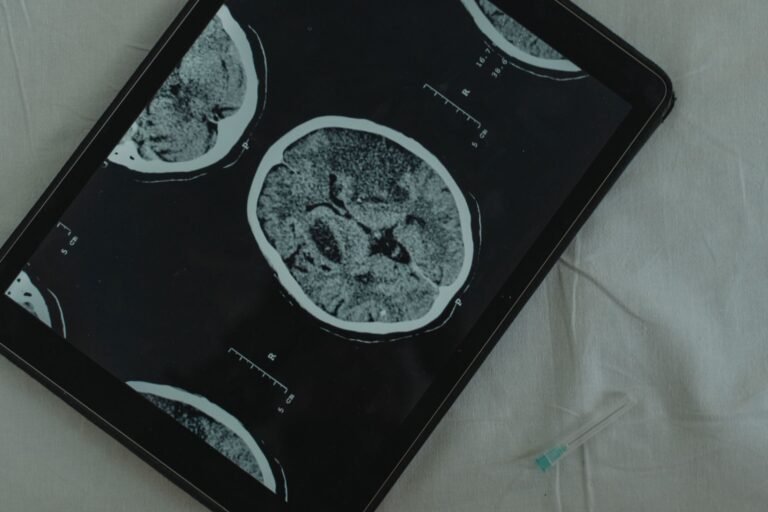
A silent heart attack — medically called a silent myocardial infarction — causes the same damage to the heart muscle as a recognized heart attack, but without the dramatic chest-clutching, crushing pain most people associate with cardiac events. In older adults, particularly those living with dementia or cognitive decline, these events often go undetected for days, weeks, or even permanently. A 75-year-old woman with mild Alzheimer’s, for instance, might experience unusual fatigue and confusion for several days and be dismissed as “having a bad week” — only for a later EKG to reveal she had a heart attack at some point during that period.
The absence of obvious symptoms does not mean the absence of damage. The signs of a silent heart attack in older adults tend to be vague and easily attributed to aging or other conditions: unexplained fatigue, mild shortness of breath, indigestion-like discomfort, jaw or neck achiness, lightheadedness, or a general sense of not feeling well. Because these symptoms are nonspecific and transient, they are frequently overlooked by both patients and caregivers. This article covers why older adults are especially vulnerable, which symptoms warrant urgent medical attention, how dementia complicates detection, what tests can confirm a past silent heart attack, and what steps families and care providers can take to reduce the risk of a missed diagnosis.
Table of Contents
- What Are the Signs of Silent Heart Attack in Older Adults and Why Are They So Easy to Miss?
- How Dementia and Cognitive Decline Make Silent Heart Attacks Harder to Detect
- Physical and Behavioral Warning Signs Caregivers Should Never Ignore
- When to Seek Medical Evaluation and What Tests Can Confirm a Past Silent Heart Attack
- Risk Factors That Make Older Adults More Vulnerable to Silent Heart Attacks
- The Connection Between Silent Heart Attacks and Brain Health
- What Advances in Monitoring and Care Mean for Early Detection
- Conclusion
- Frequently Asked Questions
What Are the Signs of Silent Heart Attack in Older Adults and Why Are They So Easy to Miss?
The classic signs of a heart attack — severe chest pain radiating to the left arm, cold sweats, sudden nausea — are actually less common presentations in older adults than they are in younger patients. Research published in the journal Circulation found that nearly 45 percent of all heart attacks are silent, and older adults account for a disproportionate share of those cases. The heart muscle is being deprived of oxygen and dying, but the pain signals either don’t register with the same intensity or are expressed through the body in entirely different ways. In older adults, the warning signs more commonly include an unusual and persistent tiredness that sleep doesn’t fix, a vague sense of pressure or tightness in the upper back or jaw, mild nausea without vomiting, and episodes of lightheadedness or near-fainting. Some describe it as feeling “off” or “not themselves” for a day or two.
A 78-year-old man who normally walks two blocks to the mailbox might find himself winded halfway there and chalk it up to getting older — when in fact reduced cardiac output from a recent silent infarction is the real cause. Comparing this to a recognized heart attack illustrates the problem: a dramatic event triggers emergency care, while a subtle one triggers nothing. The physiological reason for diminished pain perception in older adults involves several factors. Age-related changes in the autonomic nervous system reduce the intensity of pain signaling. Diabetic neuropathy — very common in this demographic — further blunts sensation. Older adults are also more likely to have multiple chronic conditions competing for attention, making it easier to attribute any new symptom to something already known and managed.

How Dementia and Cognitive Decline Make Silent Heart Attacks Harder to Detect
For someone living with Alzheimer’s disease or another form of dementia, the barriers to detection multiply significantly. A person in moderate-stage dementia may lack the language or the cognitive framework to describe symptoms accurately. They might say their stomach hurts when the discomfort is actually in their chest. They might become more agitated or withdrawn — behavioral changes that caregivers often interpret as a dementia symptom rather than a physical one. In a memory care facility, a resident who suddenly becomes more confused, refuses meals, or sleeps through activities should be evaluated medically, not just managed behaviorally. There is an important overlap here that cuts both ways.
Cardiovascular disease and dementia share common risk factors — hypertension, diabetes, atrial fibrillation, and poor circulation — and each worsens the other. A silent heart attack can cause what clinicians call “acute decompensation,” where cognitive function drops sharply and appears to accelerate the dementia. Family members sometimes describe this as “she was fine two weeks ago, and now she doesn’t recognize me.” However, if the person already has a baseline of fluctuating cognition, this sudden change can be dismissed as disease progression rather than investigated as a possible cardiac event. One practical limitation is that standard cardiac symptom screening tools — questionnaires asking patients to rate their chest pain or describe what they’re feeling — are largely useless in moderate-to-severe dementia. Clinicians must rely on behavioral observation, vital sign changes, biomarkers, and caregiver reports. This places an enormous responsibility on home health aides, family caregivers, and nursing home staff to recognize and report subtle physical changes even when they cannot name what they’re seeing.
Physical and Behavioral Warning Signs Caregivers Should Never Ignore
Beyond the patient’s own experience, there are observable signs caregivers can learn to watch for. A person who suddenly becomes reluctant to engage in previously enjoyed activities — walks, meals, conversations — without an obvious reason may be experiencing cardiovascular fatigue. Unusual pallor or a grayish tint to the skin, particularly around the lips, can indicate reduced blood flow. Feet and ankles that swell overnight or over several days can signal that the heart is struggling to pump efficiently after a cardiac event. Behavioral changes in dementia patients are particularly telling when they appear abruptly and without a psychiatric or environmental trigger. One family whose mother lived in a memory care unit described how staff noticed she was suddenly resistive during morning care routines — something she had never been.
When a nurse checked her vitals, her blood pressure was unusually low. An EKG and blood panel ordered that day revealed elevated troponin levels, a biomarker indicating recent heart muscle damage. She had experienced a silent heart attack at some point in the previous 48 to 72 hours. In non-dementia older adults, the warning signs are more classically cardiac but remain easy to minimize. Brief episodes of palpitations — a fluttering or racing feeling in the chest that passes within minutes — can represent arrhythmias associated with ischemic damage. Hiccups that persist for more than a few hours without explanation have in rare cases been documented as an atypical cardiac symptom. Any new or worsening symptom that cannot be quickly explained by a known condition should be evaluated promptly rather than monitored at home.
When to Seek Medical Evaluation and What Tests Can Confirm a Past Silent Heart Attack
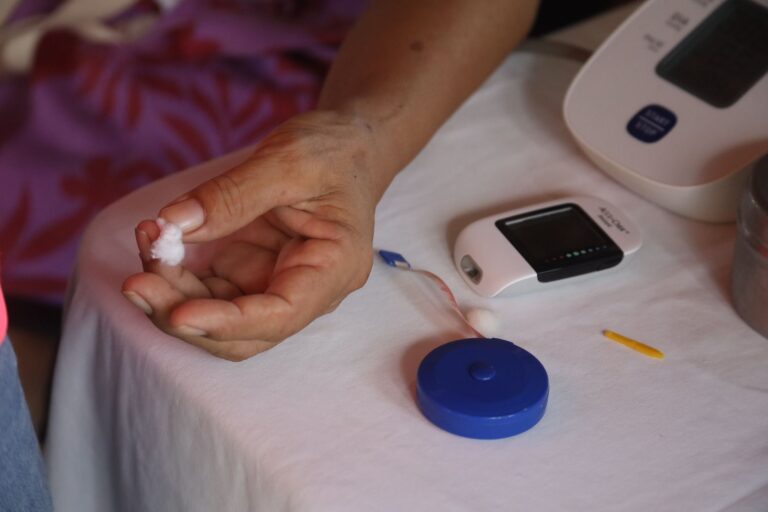
The challenge for families and caregivers is knowing when something crosses from “let’s watch this” to “we need to go now.” A helpful working rule: any cluster of two or more unexplained symptoms — new fatigue plus mild breathlessness, or sudden low-grade nausea plus unusual weakness — warrants at minimum a call to the person’s physician that day, not in three days when the next appointment rolls around. If the person is unresponsive, severely confused, or showing signs of chest pain, call emergency services immediately. The diagnostic tools available to confirm a silent heart attack are straightforward once a clinician suspects one. An electrocardiogram (EKG) can reveal characteristic changes in heart rhythm and electrical patterns that indicate past damage to specific areas of the heart muscle. Blood tests measuring troponin I or troponin T — proteins released when heart muscle cells die — can detect recent damage, though they are most accurate within 12 to 24 hours of the event.
A cardiac MRI or echocardiogram can identify areas of the heart that are no longer contracting normally, which indicates scarring from a prior infarction. These tests can confirm a heart attack that happened weeks or months ago. The tradeoff worth understanding is between watchful waiting and aggressive testing. Some clinicians take a “wait and see” approach with very elderly patients who are frail or have advanced dementia, arguing that invasive cardiac interventions carry their own risks in this population. This is a legitimate clinical judgment, not negligence — a 92-year-old with end-stage dementia may not benefit from a cardiac catheterization. But this reasoning should be applied consciously and communicated transparently to families, not used as a default to avoid running basic bloodwork.
Risk Factors That Make Older Adults More Vulnerable to Silent Heart Attacks
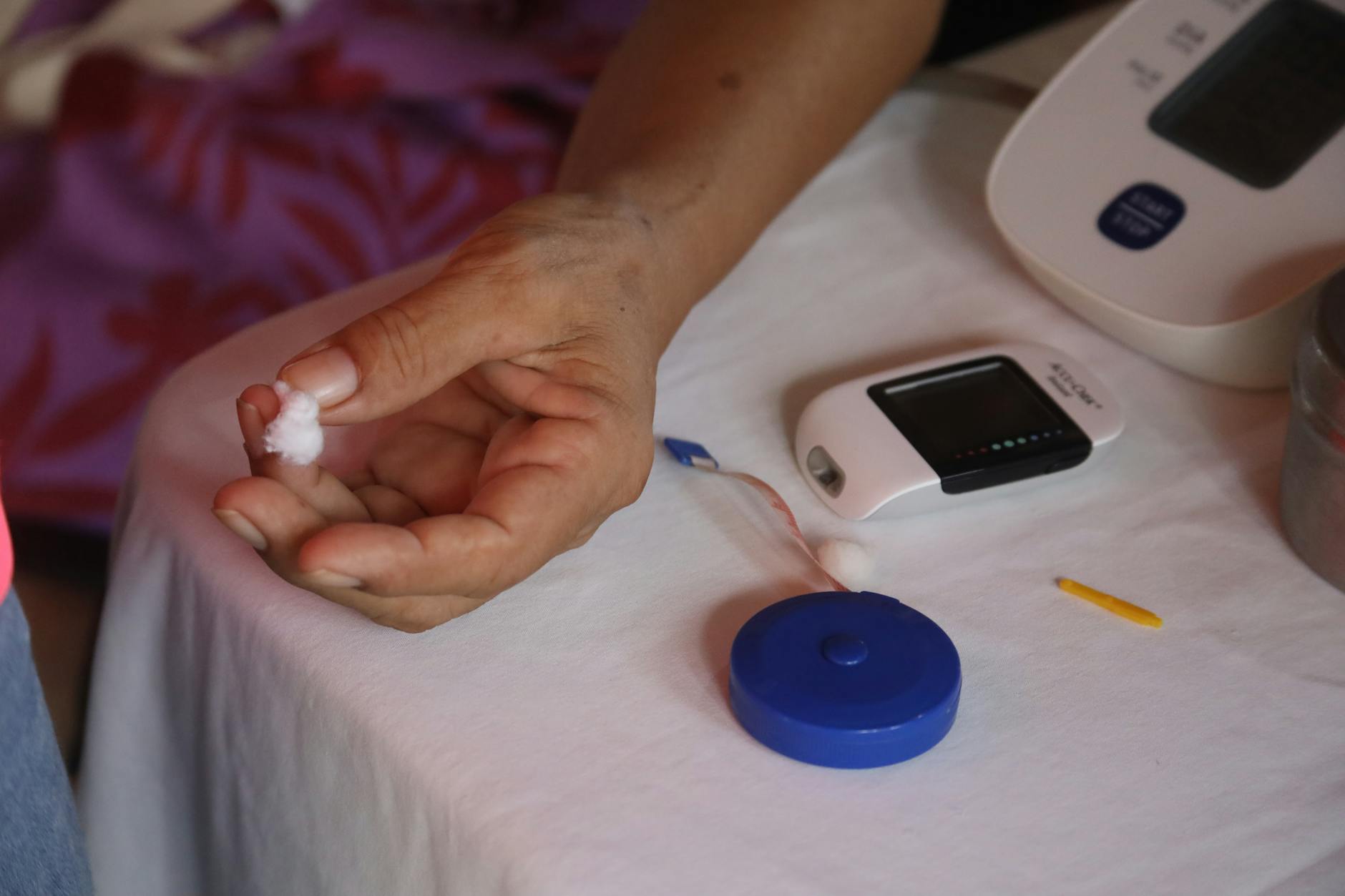
Certain conditions sharply raise the probability that a heart attack will be silent rather than recognized. Diabetes is perhaps the most significant — diabetic autonomic neuropathy dulls the nerve signals that would normally produce pain, and older adults with long-standing type 2 diabetes are substantially more likely to have painless cardiac events. Studies suggest that among diabetic patients who have heart attacks, more than half experience no chest pain at all. Hypertension, a history of prior heart attack, atrial fibrillation, chronic kidney disease, and sleep apnea all elevate risk. Women over 65 are particularly vulnerable: they are statistically more likely than men of the same age to present with atypical symptoms, and their cardiac events are more frequently misattributed to anxiety, reflux, or musculoskeletal pain.
This is a documented and serious equity problem in cardiac care. A 68-year-old woman who describes jaw pain and profound fatigue to an emergency physician should receive the same cardiac workup as a 68-year-old man describing the same symptoms — but research consistently shows she is less likely to get it. A critical warning: the presence of multiple risk factors should lower the threshold for investigation, not raise it. Clinicians and caregivers sometimes operate under the assumption that because an older adult has “so much going on,” any new symptom is just another layer of the same chronic picture. This is one of the most dangerous forms of diagnostic anchoring in geriatric medicine. Each new symptom in a high-risk patient deserves fresh evaluation, not reflexive attribution to what’s already on the problem list.
The Connection Between Silent Heart Attacks and Brain Health
The brain is acutely sensitive to changes in cardiac output and blood flow. A silent heart attack that reduces the heart’s pumping efficiency — even temporarily — can diminish cerebral perfusion, the steady supply of oxygenated blood the brain depends on. This is one mechanism by which cardiovascular disease accelerates cognitive decline and can trigger what appears to be a sudden worsening of dementia symptoms.
Researchers studying vascular dementia have identified “microinfarcts” in brain tissue — tiny areas of cell death caused by reduced blood flow — that parallel the kind of subclinical cardiovascular damage seen in silent heart attacks. For families watching a loved one with early-stage cognitive impairment, this connection is clinically important. A sudden and unexplained cognitive dip in someone with known heart disease should prompt a call to the doctor that same day. The heart and brain are, in this context, not separate systems — they are in constant conversation, and when one is injured, the other often shows the effects.
What Advances in Monitoring and Care Mean for Early Detection
Wearable cardiac monitors — including consumer-grade smartwatches with EKG capability — have begun to change the landscape for silent heart attack detection in ambulatory older adults. Devices capable of continuous heart rate monitoring can detect arrhythmias in real time, and some are now able to flag patterns consistent with ischemic events. Implantable loop recorders, already used in atrial fibrillation management, offer even more granular data over months or years.
As these tools become more integrated into routine geriatric care, the window for catching a silent cardiac event before it causes irreversible damage is widening. At the same time, the human element remains irreplaceable. A well-trained caregiver who notices that a person with dementia “just seems different today” and advocates for medical evaluation may catch what no wearable would flag. Building cardiac awareness into dementia caregiving training — so that staff recognize that behavioral changes can have cardiovascular causes — is one of the most practical steps that care facilities and home health agencies can take right now.
Conclusion
Silent heart attacks in older adults are defined by the absence of obvious warning signs, which makes recognition depend entirely on knowing what to look for instead. Unexplained fatigue, vague upper body discomfort, sudden behavioral changes in dementia patients, mild breathlessness, and a general sense of unwellness are the real signals — quiet, easy to dismiss, and medically significant. Older adults with diabetes, hypertension, prior cardiac history, or dementia are at the highest risk, and the threshold for investigation in these individuals should be low.
For families and caregivers, the most important takeaway is this: do not wait for classic chest pain before acting. Advocate for EKG testing and troponin blood panels when something feels wrong, even if you cannot name exactly what. Work with physicians who understand that atypical presentations are not unusual in this population — they are the norm. And recognize that protecting brain health in older adults means protecting heart health with equal vigilance, because in the long run, the two cannot be separated.
Frequently Asked Questions
Can a silent heart attack cause permanent damage even without pain?
Yes. The absence of pain does not protect the heart muscle. A silent myocardial infarction causes the same cell death as a recognized heart attack, and the long-term consequences — reduced heart function, increased risk of heart failure, and higher susceptibility to future cardiac events — are equally serious.
How long after a silent heart attack can it still be detected?
Troponin blood tests are most useful within the first 24 to 48 hours after the event. However, EKG changes from a past infarction can persist for years, and cardiac imaging such as an echocardiogram or cardiac MRI can identify areas of scarred, non-contracting muscle long after the event occurred.
Should someone with dementia be resuscitated after a cardiac event?
This is a deeply personal and medical decision that should be made in advance through an advance directive, living will, or POLST form — not in the middle of a crisis. Families should discuss goals of care with physicians while the person with dementia can still participate, or shortly after diagnosis when the person’s wishes can be better understood.
What is the most important thing caregivers can do to reduce risk?
Ensure that known cardiac risk factors — high blood pressure, diabetes, atrial fibrillation — are actively managed and regularly monitored. Attend all follow-up appointments, track and report any behavioral or physical changes promptly, and make sure the care team knows that the person cannot reliably report their own symptoms.
Are women more at risk for silent heart attacks than men?
Women are more likely to experience atypical cardiac presentations and are statistically more likely to have their symptoms attributed to non-cardiac causes, leading to delays in diagnosis. Whether the biological incidence of silent infarction is higher in women than men is debated, but the risk of a missed diagnosis is demonstrably greater.