The environmental risk factors for dementia include air pollution, chronic noise exposure, pesticide exposure, heavy metal toxicity, and the absence of protective green spaces. Research published as recently as February 2026 has made the picture considerably clearer: where you live, what you breathe, and what toxins you encounter over decades can materially raise or lower your risk of developing Alzheimer’s disease and other dementias. This is not a matter of minor statistical noise. A large Emory University study analyzing 27.8 million U.S.
adults aged 65 and older found that those living in areas with higher air pollution had significantly elevated rates of Alzheimer’s disease. The environment, it turns out, is one of the most underappreciated variables in brain aging. This article walks through the major environmental risk factors identified in peer-reviewed research, from fine particulate matter in the air to occupational pesticide exposure to aluminium in drinking water. It also covers the protective side of the equation — access to parks and walkable neighborhoods has been shown to reduce dementia risk, which means environmental factors cut both ways. For families thinking about where aging parents live, or for individuals making long-term decisions about their own health, this research carries real practical weight.
Table of Contents
- How Does Air Pollution Increase the Risk of Dementia?
- Does the Source of Air Pollution Matter for Dementia Risk?
- What Role Does Noise Pollution Play in Dementia Risk?
- How Do Pesticides and Occupational Exposures Affect Dementia Risk?
- What Is Known About Heavy Metals and Dementia Risk?
- Can Where You Live Protect Against Dementia?
- Where Is the Research on Environmental Dementia Risk Headed?
- Conclusion
- Frequently Asked Questions
How Does Air Pollution Increase the Risk of Dementia?
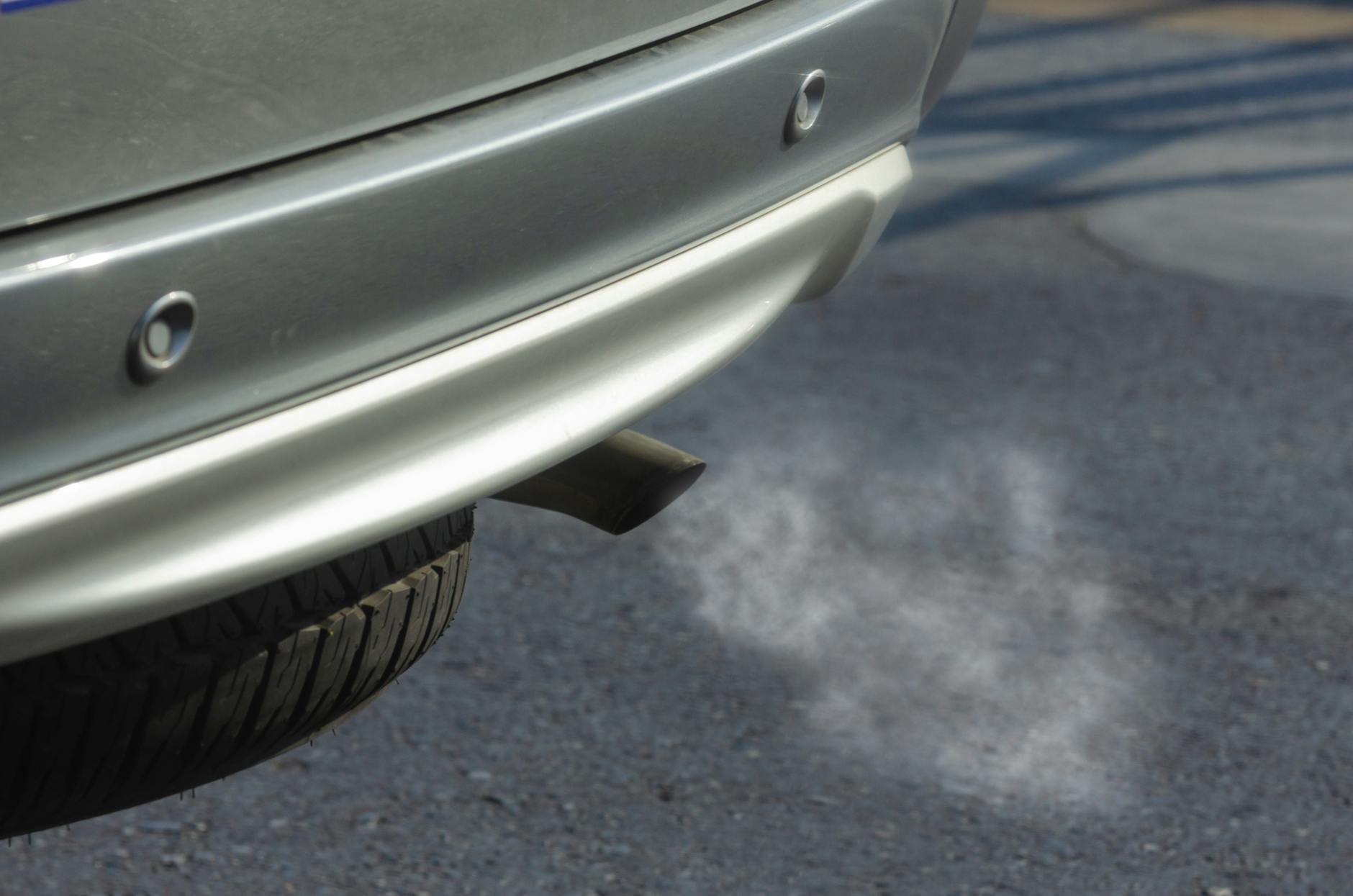
Air pollution is the most well-documented environmental risk factor for dementia, with evidence now drawn from tens of millions of participants across multiple countries. Fine particulate matter — particles smaller than 2.5 micrometers in diameter, known as PM2.5 — is the most studied component. A July 2025 meta-analysis published in Lancet Planetary Health, covering 51 studies and more than 29 million participants, confirmed that long-term outdoor air pollution is a causal risk factor for dementia, not merely correlated with it. Living near a major roadway, where PM2.5 concentrations tend to be elevated, raises dementia risk by approximately 10%. The overall association between PM2.5 exposure and dementia risk sits at around a 9% increase. Nitrogen dioxide (NO2), another common traffic-related pollutant, shows a similar pattern. An umbrella review and meta-analysis published in January 2025 on PubMed found that NO2 exposure increases dementia risk by 10%.
The mechanism likely involves chronic neuroinflammation: fine particles and gas-phase pollutants enter the bloodstream and, over time, cross the blood-brain barrier, triggering inflammatory responses that damage neurons. Think of it as a slow accumulation of insults rather than a single event. A person who has spent 30 years commuting along a heavily trafficked corridor in a major city is not making a single dangerous choice — they are accumulating daily exposures that compound over time. The February 2026 Emory University study published in PLOS Medicine is among the most comprehensive analyses to date. Examining U.S. Medicare data from 2000 to 2018, researchers found that of 27.8 million adults aged 65 and older, approximately 3 million developed Alzheimer’s disease. Those residing in higher-pollution areas faced meaningfully higher risk. NIH estimates derived from related research suggest that up to 188,000 dementia cases per year in the United States may be attributable to PM2.5 exposure alone — a figure that, if accurate, places air pollution among the most consequential modifiable risk factors in the country.
Does the Source of Air Pollution Matter for Dementia Risk?
Not all PM2.5 is the same, and emerging research suggests the source of particulate matter matters for brain health outcomes. A study published in February 2026 found that PM2.5 from agriculture and wildfires — not just vehicle traffic — is linked to increased dementia risk. This is a meaningful distinction because it broadens the geography of concern. Traffic pollution is heavily concentrated in dense urban areas, but wildfire smoke and agricultural particulate matter affect rural and suburban populations that might otherwise assume they are living in cleaner, healthier environments. For families in farming regions of California’s Central Valley or in areas of the Pacific Northwest regularly affected by wildfire smoke, this research carries direct relevance. The assumption that rural air is cleaner — and therefore safer for aging brains — may not hold across all seasons or all regions.
During wildfire season, PM2.5 levels in parts of the Western U.S. routinely spike far above EPA safety thresholds. An older adult living in a rural mountain town who spends weeks each summer breathing wildfire smoke may be accumulating meaningful risk, even without a highway nearby. However, it is worth noting a limitation in this area of research: most large epidemiological studies measure long-term average exposure, not acute spikes. Whether brief but intense wildfire events carry the same long-term neurological risk as chronic low-level traffic pollution is not yet fully established. Researchers are working to disentangle these exposure patterns, but the current evidence is strong enough to treat any sustained high-PM2.5 exposure — regardless of source — as a concern for brain health.
What Role Does Noise Pollution Play in Dementia Risk?
Chronic noise pollution is a less publicized but increasingly recognized environmental risk factor for dementia. A 2025 umbrella review from the University of Georgia’s School of Public Health found that chronic exposure to environmental noise increases dementia risk by approximately 9% — a figure strikingly close to the estimate for PM2.5. The likely mechanisms include disrupted sleep, cardiovascular strain, and chronic stress response activation. All three pathways have independent associations with cognitive decline, which means noise pollution may be acting through multiple routes simultaneously. Consider what this looks like in practice. A 70-year-old living in an apartment building near a busy urban rail corridor, exposed nightly to train noise, may be experiencing fragmented sleep without recognizing it as a health issue.
Poor sleep is itself one of the more robust risk factors for Alzheimer’s disease, because sleep is when the brain’s glymphatic system clears metabolic waste, including amyloid-beta proteins that accumulate in Alzheimer’s disease. Noise-disrupted sleep means less clearing, more accumulation. The cascade from environmental noise to dementia pathology is indirect but biologically plausible. One important caveat: most noise pollution research has focused on transportation noise specifically — roads, rail, airports. Less is known about other chronic noise environments, such as industrial settings or densely populated urban neighborhoods with persistent ambient noise. The 9% figure should be understood as an estimate with meaningful uncertainty, but it aligns with the broader pattern that systemic, chronic environmental stressors carry real neurological costs over decades.

How Do Pesticides and Occupational Exposures Affect Dementia Risk?
Pesticide exposure stands out among occupational environmental risk factors because the magnitude of effect is substantially larger than what is seen with air or noise pollution. The Canadian Study of Health and Aging found that occupational pesticide exposure doubles dementia risk — a 100% increase, compared to the 9-10% increases associated with air pollution. Farmers, agricultural workers, landscapers, and pest control professionals who work with organophosphates, carbamates, and other chemical classes over long careers accumulate exposures that may fundamentally alter brain chemistry. A systematic review published in PMC (PubMed Central) identified three biological pathways through which pesticides promote dementia: amyloid-beta accumulation, oxidative stress, and mitochondrial dysfunction. Amyloid-beta is the protein that forms the plaques characteristic of Alzheimer’s disease. Oxidative stress damages neurons directly.
Mitochondrial dysfunction impairs the energy supply that neurons depend on. Pesticides appear to activate all three simultaneously, which may explain why the risk increase from occupational exposure is so much larger than from other environmental factors. The brain is essentially facing multiple simultaneous insults. For individuals who worked in agriculture for decades and are now in their 60s or 70s, this research is sobering but also actionable in a different sense. It underscores the importance of aggressive management of other modifiable risk factors — physical activity, blood pressure control, cognitive engagement — to offset exposure histories that cannot be undone. It also makes the case for protective equipment and regulatory standards in agricultural settings, not just as occupational health measures, but as dementia prevention policy.
What Is Known About Heavy Metals and Dementia Risk?
Heavy metal exposure is an area where the research picture is more uneven than with air pollution or pesticides. A systematic review published in BMC Geriatrics evaluated multiple metals and found considerable variation in the strength of evidence. Aluminium has the strongest association with dementia among the metals studied, with larger studies showing a consistent relationship. Selenium deficiency and silicon are also implicated with at least moderate evidence. General heavy metal exposure, however, shows weak and inconsistent findings — the category is too broad to carry a single clean risk estimate. Aluminium’s association with Alzheimer’s disease has a long and contested history. Early studies in the 1970s and 1980s drew links between aluminium in drinking water and dementia rates, and this led to widespread public concern about aluminium cookware and antiperspirants.
The current scientific consensus is more nuanced: most everyday aluminium exposures are too low and too poorly absorbed to represent meaningful risk. The concern, where it exists, focuses on chronically elevated exposures in specific contexts — certain occupational settings, or regions where aluminium levels in drinking water are unusually high. The BMC Geriatrics review reflects the current state of the evidence: a real signal for aluminium, but one that requires high or prolonged exposure to manifest as elevated risk. A broader warning applies here: heavy metal research has historically been prone to confounding, and the evidence base is not as robust as for air pollution. Families should not panic about aluminium cans or worry obsessively about trace metal exposures in typical Western diets. The meaningful exposures are occupational or environmental in a narrower sense — people who work in smelting, welding, mining, or who live near industrial facilities with documented heavy metal emissions. For that subset of the population, awareness and monitoring are warranted.

Can Where You Live Protect Against Dementia?
Environmental factors are not exclusively risks — the research also identifies conditions that appear protective against dementia. Access to green and blue spaces (parks, forests, rivers, coastlines) is associated with a 6% reduction in dementia risk, according to the 2025 University of Georgia umbrella review. Walkable neighborhoods with local amenities — food stores, healthcare facilities, community centers — are also protective. The mechanisms likely involve physical activity, stress reduction, social connection, and cleaner air, though researchers are still working to disentangle which of these pathways drives the effect.
This creates a measurable tradeoff in residential decisions for older adults. A move from a dense urban neighborhood — where air and noise pollution may be elevated but walkability is high — to a rural area with clean air but car-dependent infrastructure is not straightforwardly better or worse for dementia risk. The calculation depends on specific local conditions: air quality, noise levels, access to nature, walkability, and social infrastructure all factor in. For families helping aging parents evaluate where to live as they get older, this research suggests asking not just about healthcare access but about the broader environmental profile of a neighborhood.
Where Is the Research on Environmental Dementia Risk Headed?
The science of environmental risk factors for dementia has accelerated considerably in the past three years. The scale of recent studies — the Emory University analysis covered 27.8 million adults over 18 years — reflects a growing ability to link large administrative health datasets with environmental monitoring data. This combination allows researchers to move beyond small, potentially unrepresentative samples and toward population-level conclusions with greater confidence. The July 2025 Lancet Planetary Health meta-analysis, covering more than 29 million participants across 51 studies, effectively settled the debate about whether air pollution’s association with dementia is real — it is.
What remains less settled is the question of which interventions, at what scale, would meaningfully reduce population-level dementia incidence. Individual protective measures — air purifiers, reduced time outdoors during high-pollution events, noise-insulating windows — offer some benefit, but the magnitude is unknown. Policy-level interventions, such as stricter air quality standards or agricultural pesticide regulations, could theoretically prevent tens of thousands of dementia cases annually in the U.S. alone. This positions dementia prevention not just as a medical or personal health issue, but as a question of environmental policy with measurable public health consequences.
Conclusion
The environmental risk factors for dementia are real, measurable, and in many cases modifiable — at both the individual and policy level. Air pollution, particularly fine particulate matter and nitrogen dioxide, carries the strongest and most consistent evidence, with large-scale studies now confirming a causal relationship rather than mere correlation. Chronic noise pollution, occupational pesticide exposure, and aluminium exposure represent additional categories of concern, each with distinct biological mechanisms and different affected populations. At the same time, access to green spaces and walkable neighborhoods offers genuine, if modest, protective effects.
For individuals and families, the practical takeaway is that the environment deserves a place in conversations about dementia risk alongside genetics, cardiovascular health, and lifestyle factors. This does not mean treating every walk near a road as dangerous, but it does mean that sustained, chronic exposures accumulate over decades in ways that matter. For those in high-exposure occupations or living in chronically polluted areas, prioritizing other modifiable risk factors — physical activity, blood pressure control, social engagement — is especially important. At the policy level, the evidence now supports treating air quality regulation as a dementia prevention strategy, not just an environmental one.
Frequently Asked Questions
Can air purifiers reduce dementia risk from indoor air pollution?
High-quality HEPA air purifiers do reduce indoor PM2.5 concentrations, which is relevant given that people spend most of their time indoors. Whether this translates to measurably lower dementia risk is not yet established in clinical trials, but reducing exposure to fine particulate matter is consistent with the direction of the evidence. It is a reasonable precaution, particularly for those in high-pollution urban areas.
Does living near a highway actually raise dementia risk?
Yes, according to current research. Studies have found that living near major roadways is associated with approximately a 10% increase in dementia risk, likely due to elevated PM2.5 and NO2 concentrations. The effect is associated with long-term residence, not brief proximity.
Are farmers at higher risk of dementia because of pesticide exposure?
The evidence suggests occupational pesticide exposure doubles dementia risk, and farmers represent one of the primary exposed populations. However, farming also involves physical activity and outdoor time, which are protective factors. The net effect for any individual depends on the type, duration, and intensity of chemical exposure, as well as other lifestyle variables.
Is aluminium in cookware or antiperspirants a dementia risk?
Current evidence does not support treating ordinary consumer aluminium exposures as meaningful dementia risks. The associations found in research involve chronically elevated exposures, typically in occupational or specific environmental contexts. Everyday use of aluminium cookware or antiperspirants is unlikely to produce the exposure levels associated with elevated risk in the reviewed studies.
Can moving to a greener neighborhood actually lower dementia risk?
Research finds that access to green and blue spaces is associated with approximately a 6% reduction in dementia risk. The effect is real but modest, and it reflects long-term residence rather than short-term exposure. Walkability and local amenity access add to the protective profile. For older adults choosing where to live, these factors are worth weighing alongside air quality and noise levels.
Does wildfire smoke pose a dementia risk for people who don’t live in polluted cities?
Emerging research published in February 2026 found that PM2.5 from wildfires and agriculture — not just traffic — is associated with increased dementia risk. This expands the at-risk population beyond urban residents to include those in rural and suburban areas affected by seasonal wildfire smoke. Whether episodic high-exposure events carry the same risk as chronic low-level exposure has not yet been fully established.