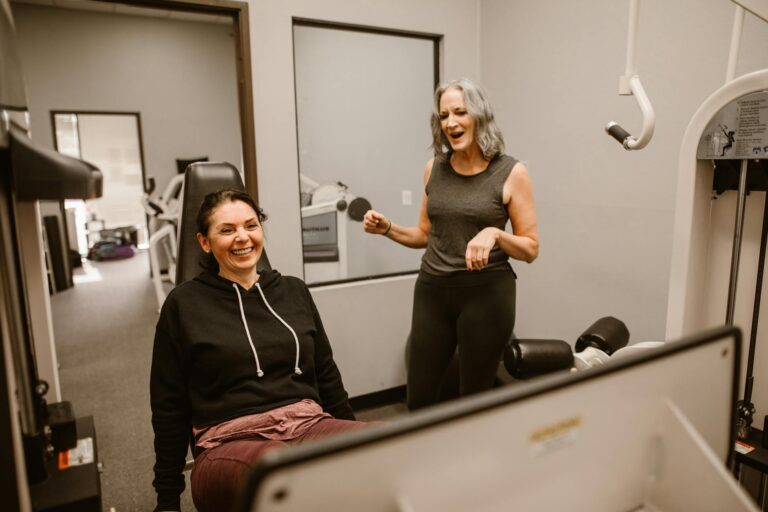
Yes, regular exercise can genuinely reduce the risk of developing dementia — and the evidence is stronger than many people realize. Research published in 2025 from Johns Hopkins Bloomberg School of Public Health found that even small amounts of moderate to vigorous physical activity — as little as one to 35 minutes per week — were associated with a 41% lower dementia risk compared to being completely sedentary. That is not a marginal benefit. That is nearly cutting risk in half, for less than five minutes of movement per day.
For someone in their 50s walking briskly to the mailbox and back, those minutes may count more than they know. The question of whether exercise *prevents* dementia outright or simply *delays* it is an important distinction. Current evidence points strongly to delay and risk reduction rather than guaranteed prevention. Exercise appears to build what researchers call cognitive reserve — a kind of neurological buffer that can hold off symptoms even when underlying disease processes, like amyloid plaque buildup, are already underway. This article covers how much exercise appears to matter, when in life it has the greatest effect, what the biological mechanisms look like, and what practical steps adults at any age can take based on the latest findings.
Table of Contents
- How Much Does Exercise Actually Lower Dementia Risk?
- Does the Timing of Exercise in Life Matter?
- What Is Cognitive Reserve, and Why Does It Matter?
- What Type of Exercise Is Most Beneficial for Brain Health?
- Can Cognitive Training Complement Physical Exercise?
- The Role of Lifelong Habits Versus Late-Life Starts
- What the Next Wave of Research May Show
- Conclusion
- Frequently Asked Questions
How Much Does Exercise Actually Lower Dementia Risk?
The dose-response relationship between exercise and dementia risk is one of the more striking findings in recent brain health research. According to a 2025 Johns Hopkins study, people who exercised between 35 and 70 minutes per week saw a 60% reduction in dementia risk. Those who reached 70 to 140 minutes per week — roughly the equivalent of two 45-minute walks — saw 63% lower risk. And those who exceeded 140 minutes weekly saw a 69% reduction. The pattern is clear: more activity generally means lower risk, but the biggest single jump in benefit occurs at the very bottom of the activity scale, going from zero to almost anything at all. A broader meta-analysis of 58 studies reinforced this picture, finding that regular exercisers are up to 20% less likely to develop dementia overall.
That figure is more conservative than the Johns Hopkins numbers because it pools studies of varying quality and populations, but it still represents a meaningful population-level effect. To put it in context, a 20% reduction across a population of millions translates to hundreds of thousands of people living more years with their cognitive faculties intact. The comparison between being fully sedentary and being “insufficiently active” is worth holding onto. Even people who do not meet standard exercise guidelines — the commonly cited 150 minutes of moderate activity per week — appear to benefit simply by moving at all. The threshold for risk reduction is not perfection. It is motion.

Does the Timing of Exercise in Life Matter?
The timing of when someone is physically active across their lifespan has a measurable effect on outcomes. A November 2025 study published in JAMA Network Open, conducted by researchers at Boston University, found that high physical activity during midlife — specifically between ages 45 and 64 — was linked to a 41% lower dementia risk. High activity in late life, between ages 65 and 88, was linked to a 45% lower risk. Both windows matter, and the late-life finding is particularly important for people who may be starting or returning to exercise well into their retirement years. The intensity question shifts depending on age. In midlife, high-intensity exercise appears to yield the greatest benefit.
In older adults, the relationship between intensity and benefit is less pronounced — lighter activity still reduces risk. This distinction has real implications for how people approach fitness as they age. A 55-year-old may benefit from pushing into higher heart rate zones during workouts in ways that are not necessarily required of a 75-year-old, for whom consistent movement at any pace still provides meaningful protection. However, if someone has significant cardiovascular conditions or orthopedic limitations, high-intensity exercise in midlife may not be safely achievable — and in those cases, any activity is still valuable. The research does not suggest that people who cannot exercise vigorously are without options. It suggests that those who can should probably take advantage of it.
What Is Cognitive Reserve, and Why Does It Matter?
Cognitive reserve is a concept that helps explain one of the more puzzling aspects of Alzheimer’s disease and other dementias: why some people with significant brain pathology — amyloid plaques, brain shrinkage, the hallmarks of Alzheimer’s — never develop symptoms, while others with less visible damage lose function early. The prevailing theory is that some people have built a kind of resilience in their neural networks, allowing their brains to compensate for damage that would otherwise manifest as dementia. Exercise appears to be one of the most reliable ways to build this reserve. A January 2025 study from University College London found that people who exercised throughout their entire lives showed lower rates of cognitive decline even when Alzheimer’s biomarkers — amyloid buildup and brain shrinkage — were present. The disease process was still happening, but the brain was more capable of working around it.
This does not mean exercise cures Alzheimer’s. It means that exercise may delay the point at which underlying pathology becomes functionally disabling. A useful analogy is financial savings. Someone with substantial savings can weather the same economic disruption that wipes out someone without any buffer. The disruption — the disease — occurs all the same, but one person has more runway. Exercise builds that runway in the brain.

What Type of Exercise Is Most Beneficial for Brain Health?
When evaluating what kinds of exercise to prioritize, the research does not point to a single modality as definitively superior. Aerobic exercise — walking, cycling, swimming, running — has the most evidence behind it for cardiovascular and cognitive benefit. Resistance training has a growing body of support as well, particularly for executive function and memory in older adults. Combining both appears to be more beneficial than either alone. For practical purposes, consider the contrast between someone who walks 30 minutes five days a week versus someone who does two intense gym sessions and nothing else.
The walker likely accumulates more total weekly minutes and may sustain the habit more easily over years. The person doing intense but infrequent sessions gets some benefit but may miss the threshold that sustained moderate activity provides. Consistency over time appears to matter as much as any single metric of intensity or type. The tradeoff worth acknowledging is that high-intensity exercise carries a higher injury risk, particularly for older adults. Falls, joint injuries, and overuse problems can interrupt exercise for weeks or months, erasing accumulated benefit. A moderate, consistent approach that an individual can sustain for decades is likely more valuable than an aggressive regimen that ends due to injury or burnout.
Can Cognitive Training Complement Physical Exercise?
Brain health research has increasingly looked at cognitive training — structured mental exercises designed to sharpen specific aspects of thinking — as a parallel strategy to physical activity. A striking finding emerged in February 2026 from NIH-funded research published through Johns Hopkins Medicine: adults aged 65 and older who completed five to six weeks of cognitive speed training had a 29% lower incidence of dementia up to ten years later. The effect persisted across a follow-up window that extended as far as 20 years in some analyses. Cognitive speed training targets processing speed — the quickness with which the brain responds to and interprets visual information. It is distinct from memory games or crossword puzzles, which tend to train narrow skills without strong transfer to broader cognitive function.
The study’s authors caution that cognitive training is not a substitute for other evidence-based lifestyle factors, but the magnitude of the effect — nearly 30% lower dementia incidence from a six-week intervention — is large enough to take seriously. The warning here is one of selectivity. Not all brain training is equal. Products marketed as dementia prevention tools often have limited or no clinical evidence behind them. The research supporting cognitive speed training used specific, validated protocols developed in clinical settings. Consumers should be skeptical of commercial brain training apps that cite general cognitive benefit without referencing peer-reviewed, long-term outcome data.

The Role of Lifelong Habits Versus Late-Life Starts
A common question from people who were sedentary for most of their lives is whether it is too late to benefit from exercise. The evidence suggests it is not. The Boston University / JAMA Network Open data showed that late-life activity — even beginning in one’s 60s or 70s — was associated with substantial risk reduction. The 45% lower dementia risk figure for people who were active between ages 65 and 88 includes people who may not have been particularly active in earlier life.
That said, the UCL research on lifelong exercise suggests that people who sustained activity across their entire lives — not just in old age — had particularly favorable outcomes, even in the presence of Alzheimer’s biomarkers. The implication is not that starting late is useless, but that the earlier someone establishes a consistent exercise habit, the more biological reserve they are likely to accumulate. Starting at 60 is meaningfully better than not starting at all. Starting at 40 is better still.
What the Next Wave of Research May Show
The field of exercise and dementia prevention is moving quickly. Researchers are beginning to examine whether specific exercise prescriptions — tailored by age, genetics, APOE4 status, and existing biomarker burden — might be more effective than general activity guidelines. The possibility that different people may need different types or amounts of exercise based on their individual risk profile is a meaningful area of investigation.
There is also growing interest in the interaction between exercise, sleep, diet, and cognitive training as a combined intervention. No single factor appears to explain the full picture of dementia risk, and multi-domain trials — testing lifestyle bundles rather than isolated variables — may produce the most actionable guidance in the coming years. For now, the evidence supports what most clinicians have suspected for decades: the brain and the body are not separate systems, and keeping one healthy is among the most reliable tools we have for protecting the other.
Conclusion
The research is consistent and increasingly precise: regular physical activity reduces dementia risk in measurable, significant ways. Even minimal movement — under an hour per week — appears to lower risk by 40% or more compared to a fully sedentary lifestyle. Higher volumes of activity produce greater protection, and people who have been active throughout their lives carry a neurological advantage that may hold even when disease pathology is present. The mechanism is not mysterious.
Exercise builds cognitive reserve, giving the brain more capacity to absorb damage before it surfaces as functional decline. For individuals concerned about their cognitive future, the practical implication is straightforward: movement at any age, in any amount, is worth starting or sustaining. Aerobic exercise backed by consistency appears most beneficial, though resistance training adds to the picture. Pairing physical activity with validated cognitive training may offer additional protection. None of this guarantees that dementia will not occur, but the evidence is strong enough that inaction carries a real and quantifiable cost that it did not carry before these studies existed.
Frequently Asked Questions
How much exercise is needed to reduce dementia risk?
According to a 2025 Johns Hopkins study, even one to 35 minutes of physical activity per week is associated with a 41% lower dementia risk compared to being completely sedentary. Risk reduction increases with more activity, reaching 69% lower risk at 140 or more minutes per week.
Is it too late to start exercising if you are already in your 70s?
No. Research from Boston University found that high physical activity between ages 65 and 88 was linked to a 45% lower dementia risk. Starting exercise in late life still provides meaningful protection.
Does exercise prevent Alzheimer’s disease specifically, or just dementia generally?
The research covers dementia broadly, which includes Alzheimer’s disease. UCL research found that lifelong exercisers had lower cognitive decline rates even when Alzheimer’s biomarkers like amyloid plaques were present, suggesting that exercise delays symptom onset rather than eliminating the underlying pathology.
What type of exercise is best for brain health?
Aerobic exercise has the most evidence behind it, but resistance training also supports cognitive function. Combining both appears more beneficial than either alone. Consistency over years matters as much as type or intensity.
Can brain training games also help prevent dementia?
Specific validated cognitive speed training has shown a 29% lower dementia incidence up to ten years later, based on a 2026 NIH-funded study. However, not all commercial brain training products have the same evidence. Consumers should look for programs backed by peer-reviewed clinical research.
Does exercise help even if someone already has early cognitive decline?
The evidence is strongest for prevention and delay rather than treatment. However, cognitive reserve built through exercise may still help slow progression even after early symptoms appear. Anyone with cognitive concerns should discuss exercise recommendations with their physician.