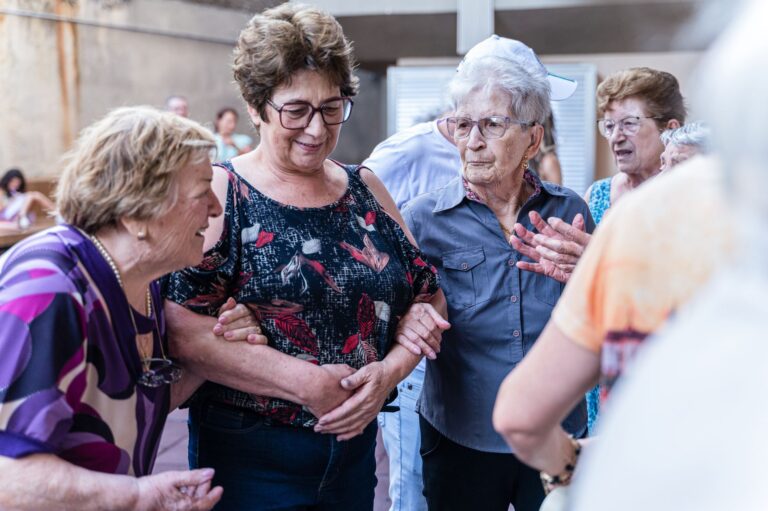
Support groups sits at the center of this dementia and brain health question.
Support groups offer dementia caregivers something that medical appointments and online articles rarely can: the sustained presence of people who genuinely understand what the role involves. The core benefits are practical and psychological at once — caregivers gain access to shared strategies, emotional validation, reduced isolation, and in many cases, concrete resources they would not have found on their own. A caregiver looking after a parent with moderate-stage Alzheimer’s, for instance, might arrive at a support group frustrated by repeated sundowning episodes and leave with three different approaches other members have tried, along with a referral to a local respite program.
That kind of peer exchange is difficult to replicate elsewhere. The benefits extend well beyond swapping tips. Research consistently shows that caregivers who participate in support groups report lower levels of depression, better self-reported health, and greater confidence in their caregiving decisions. This article covers how those outcomes happen, what makes certain groups more effective than others, the limitations of the support group model, how to find and evaluate a group, and what to do when group participation alone is not enough.
Table of Contents
- How Do Support Groups Reduce Caregiver Burnout and Emotional Exhaustion?
- What Practical Knowledge Do Caregivers Gain From Peer Support?
- How Do Support Groups Address Caregiver Isolation?
- How to Find and Evaluate a Dementia Caregiver Support Group
- When Support Groups Are Not Enough
- The Role of Respite and Self-Care Within the Support Group Context
- The Future of Dementia Caregiver Support
- Conclusion
- Frequently Asked Questions
How Do Support Groups Reduce Caregiver Burnout and Emotional Exhaustion?
Caregiver burnout is not simply tiredness — it is a state of chronic stress that depletes emotional, physical, and cognitive reserves over time. Studies from the Alzheimer’s Association and academic gerontology programs have repeatedly identified social support as one of the most reliable buffers against burnout. Support groups address this by offering what researchers call “perceived social support” — the knowledge that others are available and understand your situation — which has measurable effects on stress hormone regulation and mood. The mechanism is partly emotional and partly cognitive. When a caregiver hears another member describe the same irrational guilt, the same resentment at missing a career milestone, or the same grief over a relationship that has changed beyond recognition, something shifts. The experience stops feeling like a personal failure and begins to look like a predictable feature of a very hard role.
That reframing — sometimes called normalization — directly reduces the self-blame that accelerates burnout. A caregiver who had been awake most nights managing her husband’s restlessness described her first support group meeting this way: “I thought I was failing him. Then I heard six other people describe the exact same nights, and I realized this was the disease, not me.” The comparison point matters here. Individual therapy also reduces caregiver burnout, and often more efficiently for caregivers dealing with complicated grief or pre-existing mental health conditions. But support groups are typically free or low-cost, available during hours that suit working caregivers, and they offer something therapy does not: lateral connection with peers rather than professional guidance from above. For many caregivers, both are valuable, and the two should not be seen as alternatives.

What Practical Knowledge Do Caregivers Gain From Peer Support?
Beyond emotional support, support groups function as informal knowledge networks. Members share what has worked in their specific circumstances — how to handle a loved one who refuses bathing, which local agencies actually return phone calls, how to navigate a hospital discharge when the patient cannot retain new information. This kind of granular, field-tested knowledge is hard to find in clinical settings, where providers may have expertise in dementia but limited familiarity with the day-to-day logistics of home care. The practical gains are often specific to local context, which makes them especially useful. A caregiver in a mid-sized city might learn from a group member that a particular home health agency consistently fails to send the same aide twice in a row, creating disorienting transitions for memory-impaired patients.
That is not information on any website. Similarly, a group member who has navigated Medicaid waiver programs or coordinated care across multiple specialists can compress months of trial-and-error learning into a single conversation. However, there is a limitation worth naming. Peer advice is anecdotal, and dementia presents very differently across individuals and disease types. What worked for one caregiver’s mother with Lewy body dementia may not apply — and could even be counterproductive — for someone managing frontotemporal dementia in a younger patient. Experienced group facilitators typically flag this distinction, encouraging members to take peer suggestions as starting points rather than prescriptions.
How Do Support Groups Address Caregiver Isolation?
Dementia caregiving is structurally isolating. As the disease progresses, social outings become harder to manage, friendships that depended on couple-based socializing often fade, and the caregiving role itself consumes time that once went to personal relationships. Many caregivers report that friends and family, while well-meaning, pull back because they do not know what to say or how to help. The result is a gradual narrowing of the social world that compounds the emotional difficulty of the role. Support groups interrupt that narrowing directly. They create a recurring, structured social context where the caregiver’s experience is the expected subject of conversation, not a burden being imposed on others.
For some caregivers, the group is the only place where they do not feel obligated to minimize what they are going through. A retired teacher caring for her husband described group meetings as “the one hour a week where I don’t have to pretend everything is fine.” That regularity — the knowledge that the group meets Thursday at 6:00 p.m. regardless of what kind of week it has been — provides a form of social anchoring that isolated caregivers often lack. Online support groups have expanded access for caregivers who cannot easily leave the home, including those without backup support during meeting times. The Alzheimer’s Association runs moderated online groups, and several dementia-specific forums maintain active communities. These carry real benefit, particularly for rural caregivers or those with mobility limitations, though many participants report that in-person groups generate a stronger sense of connection over time.
How to Find and Evaluate a Dementia Caregiver Support Group
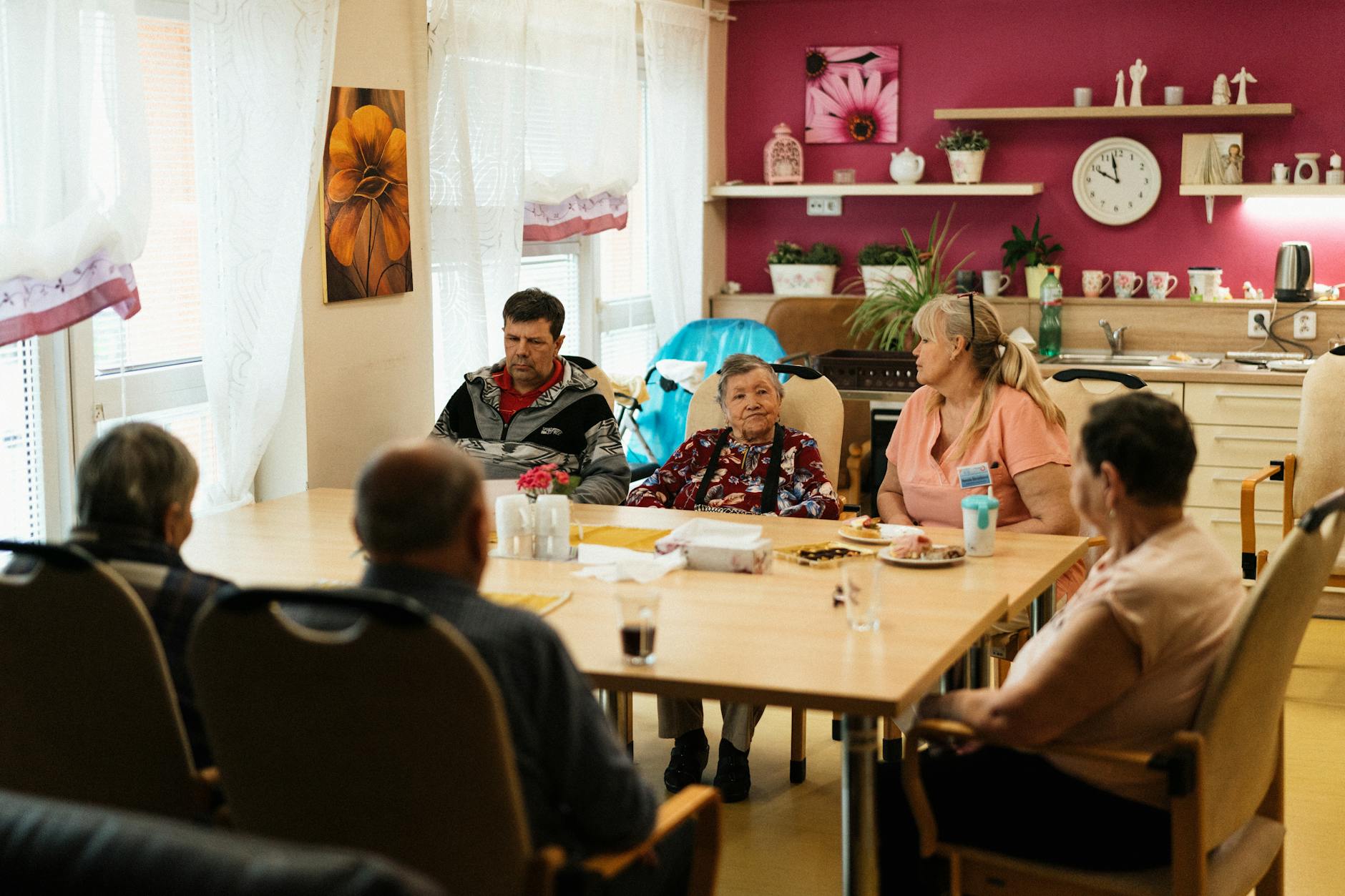
Finding a group involves knowing where to look and what questions to ask before committing. The Alzheimer’s Association’s national helpline (800-272-3900) can identify local and online groups by zip code. Local Area Agencies on Aging, hospital social work departments, and memory care facilities frequently host or refer to groups. Some groups are disease-specific — Lewy body, vascular dementia, younger-onset Alzheimer’s — which can make a significant difference in how relevant the peer experience feels. When evaluating a group, several factors predict whether it will be a good fit. Facilitation matters: groups led by a trained social worker, counselor, or experienced volunteer tend to maintain healthier group dynamics than fully peer-led groups, where a single dominant personality can skew the tone.
Meeting frequency and format also vary — some groups meet weekly, others monthly; some are drop-in, others ask for consistent attendance to build continuity. The tradeoff is that drop-in groups are more accessible but slower to develop the trust that makes deeper sharing possible. A practical approach is to attend two or three meetings before deciding whether the group is useful. Chemistry varies significantly across groups even within the same organization. A caregiver who felt uncomfortable in one hospital-based group found a much better fit in a faith-based group at a local church, where the shared cultural context made certain conversations easier. The goal is fit, not just access.
When Support Groups Are Not Enough
Support groups are not a substitute for clinical care, and treating them as such can leave caregivers without help they genuinely need. A caregiver showing signs of clinical depression — persistent low mood, changes in appetite or sleep that are not explained by caregiving demands alone, loss of interest in everything outside the role — needs professional assessment. Support groups can reduce subclinical distress significantly, but they are not equipped to diagnose or treat mental health conditions, and facilitators who are not licensed clinicians cannot fill that role. There is also a dynamic that experienced facilitators watch for: the caregiver who attends regularly but consistently declines to speak, or who uses the group primarily to vent without engaging with the reciprocal support that makes groups function well.
In these cases, individual counseling may be a better primary support, with group participation as a complement rather than a main resource. Warning: support groups can occasionally reinforce unhelpful patterns if the group culture normalizes martyrdom or discourages caregivers from setting limits. A group where members compete over who has it hardest, or where seeking outside help is implicitly framed as weakness, can increase rather than reduce burnout. This is relatively rare in well-facilitated groups, but it is worth paying attention to in early meetings.
The Role of Respite and Self-Care Within the Support Group Context
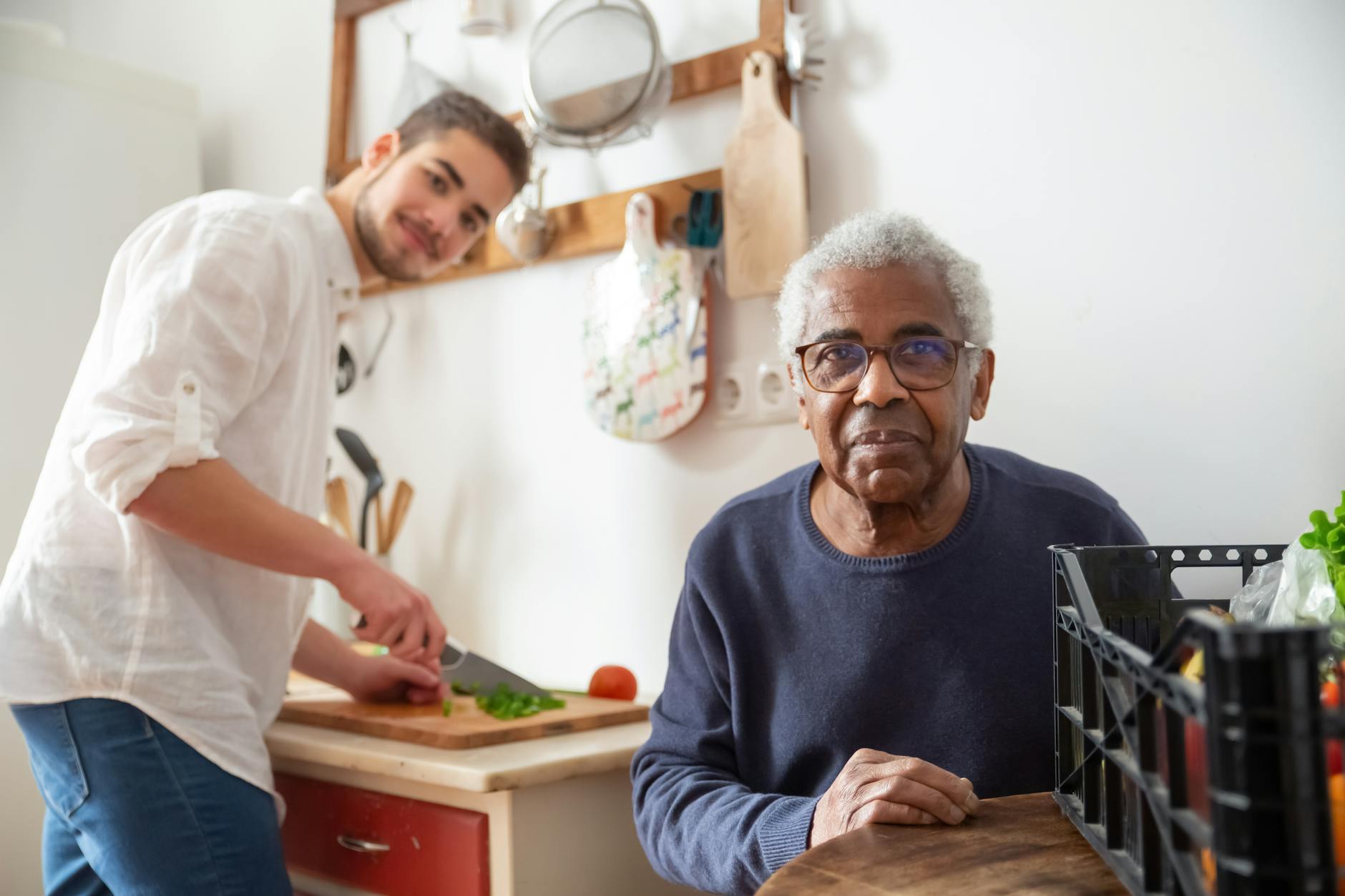
Many support groups do more than provide a meeting space — they connect caregivers to respite programs that give them regular breaks from care. Respite is consistently identified as one of the most effective interventions for caregiver wellbeing, and support groups are often the most reliable channel through which caregivers learn these programs exist.
In some regions, nonprofit organizations that run support groups also coordinate volunteer respite services, creating a direct link between peer connection and practical relief. A caregiver in a suburban support group might discover through a fellow member that the county Area Agency on Aging funds up to twenty hours per month of in-home respite — information her physician had never mentioned and that she would not have known to search for. That discovery, multiplied across the group, is part of what makes peer networks structurally valuable in ways that go beyond emotional support.
The Future of Dementia Caregiver Support
Demand for caregiver support will grow substantially as the population ages. The Alzheimer’s Association projects that the number of Americans living with Alzheimer’s disease will reach 13 million by 2050, meaning the caregiver population will expand in parallel. Healthcare systems are increasingly recognizing that supporting caregivers is inseparable from managing the disease itself, and some integrated health systems are beginning to include caregiver support groups within formal care plans rather than leaving caregivers to find them independently.
Hybrid models — combining in-person meetings with between-session digital check-ins — are showing promise in pilot programs, particularly for younger caregivers who are managing the role alongside employment and child-rearing. The core value proposition of the support group is unlikely to change: people in sustained, difficult roles benefit from the company of others who share that experience. What is changing is the infrastructure being built around that simple truth.
Conclusion
Support groups offer dementia caregivers a combination of emotional validation, practical knowledge, reduced isolation, and access to local resources that is genuinely difficult to replicate through other means. The benefits are best realized when the group is well-facilitated, meets regularly, and draws members whose caregiving circumstances are close enough to share meaningful common ground. The evidence base supporting group participation is solid, and the cost of trying a group is low relative to the potential gain. The most important next step for a caregiver considering group participation is simply to attend one meeting without any expectation of commitment.
Groups vary enormously in tone and fit, and the right group often takes a small amount of searching. Starting with the Alzheimer’s Association helpline or a local hospital social work department usually surfaces several options within a reasonable distance. For caregivers who genuinely cannot leave the home, online groups through the Alzheimer’s Association or dementia-specific communities offer a meaningful alternative. Either way, the act of showing up — of putting the caregiving role in the context of other people’s shared experience — tends to matter more than most caregivers expect before they try it.
Frequently Asked Questions
Do I need a formal dementia diagnosis for my loved one before joining a caregiver support group?
Most groups do not require this. Many caregivers attend while a diagnosis is still being pursued, and the uncertainty of that period is itself a common subject in group discussions.
What if I feel worse after attending a support group?
This occasionally happens, particularly in the first session or two. Hearing others’ experiences can temporarily heighten anxiety or grief. If the feeling persists after several meetings, the group may not be the right fit, or individual counseling may be more appropriate.
Are support groups confidential?
Well-run groups establish confidentiality norms explicitly in their guidelines. Information shared in the room is expected to stay in the room. Ask about this in your first meeting if it is not addressed.
Are there groups specifically for spouses versus adult children caring for a parent?
Yes. The caregiving relationship shapes the experience significantly, and many organizations offer groups organized by relationship type. Spousal caregiver groups and adult child caregiver groups often address quite different issues around identity, role reversal, and grief.
How often should I attend to get real benefit?
Consistency matters more than frequency. Monthly attendance at a group where you know the members tends to produce better outcomes than sporadic attendance at multiple groups. Most research on caregiver groups suggests benefit accumulates over three to six months of regular participation.
You Might Also Like
- What are the tax deductions available for dementia caregivers
- How to find respite care for dementia caregivers
- What are the benefits of adult day programs for dementia patients
For more, see National Institute on Aging.