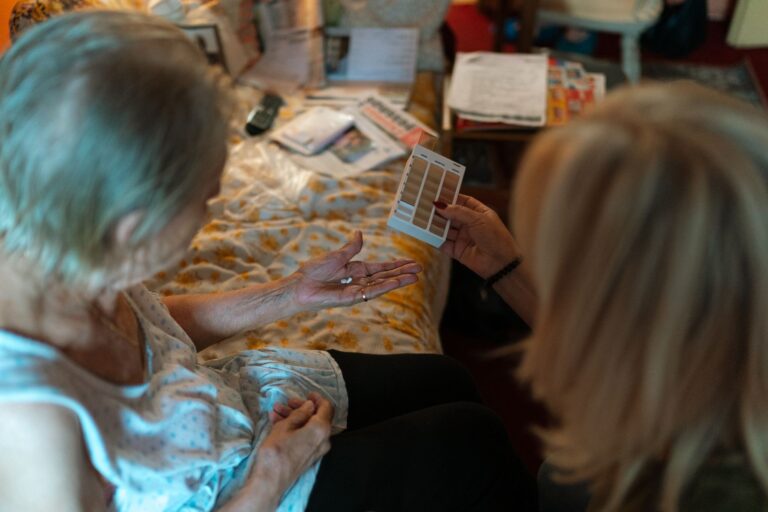
Dementia cause sits at the center of this dementia and brain health question.
Yes, dementia can absolutely cause paranoia and false accusations, and it is one of the most distressing behavioral symptoms for families to face. As the brain deteriorates, particularly in regions responsible for memory, reasoning, and emotional regulation, a person with dementia may become deeply suspicious of the people closest to them. They might accuse a spouse of stealing their wallet when they simply forgot where they put it, or insist that a caregiver is poisoning their food. These accusations are not manipulative or deliberate — they are the brain’s attempt to make sense of a world that has become confusing and frightening. Research suggests that between 30 and 50 percent of people with Alzheimer’s disease will experience delusions or paranoid thinking at some point during the course of the illness.
The experience is gut-wrenching for caregivers. A daughter who has devoted years to caring for her mother may suddenly be accused of stealing money or conspiring against her. A husband might hear his wife of forty years tell a neighbor that he is trying to kill her. The natural instinct is to argue, to correct, to feel hurt — but understanding why this happens changes everything about how you respond. This article covers the brain changes that drive paranoid behavior, the most common types of false accusations, how to respond without making things worse, when medication might be appropriate, and how caregivers can protect their own emotional health through what is often the hardest part of the dementia journey.
Table of Contents
- Why Does Dementia Cause Paranoia and False Accusations?
- The Most Common Types of False Accusations in Dementia
- Which Types of Dementia Are Most Likely to Cause Paranoia?
- How to Respond to Paranoid Accusations Without Making Things Worse
- When Medication Becomes Necessary for Dementia-Related Paranoia
- The Emotional Toll on Caregivers and How to Protect Yourself
- What Ongoing Research May Change About Managing Paranoia in Dementia
- Conclusion
- Frequently Asked Questions
Why Does Dementia Cause Paranoia and False Accusations?
The short answer is brain damage. dementia is not just memory loss — it is a progressive destruction of brain tissue that affects judgment, perception, emotional control, and the ability to interpret reality. The frontal and temporal lobes, which help us evaluate whether our thoughts are rational, are among the areas most affected in Alzheimer’s disease and frontotemporal dementia. When these regions fail, the brain loses its ability to fact-check itself. A person who cannot remember putting their glasses in a drawer has a gap in their narrative, and the damaged brain fills that gap with suspicion rather than accepting uncertainty. It is not a choice. It is neurology. Paranoia in dementia also stems from the person’s shrinking ability to understand their environment. Imagine waking up every day slightly more confused than the day before. Faces look vaguely familiar but you cannot quite place them.
people are doing things around you that you do not understand. Your belongings seem to move on their own. In this context, suspicion is almost logical — if you cannot remember giving someone permission to enter your home, it makes sense that you might conclude they are an intruder. The person with dementia is not being difficult. They are responding rationally to a reality their brain is constructing incorrectly. There is an important distinction between paranoia driven by dementia and paranoia that might indicate a different psychiatric condition. In dementia, the paranoid thoughts tend to be simple and tied to everyday situations — someone is stealing, someone is unfaithful, someone is trying to cause harm. They are usually directed at familiar people and connected to things the person can no longer track or control. In psychiatric conditions like late-onset schizophrenia, delusions tend to be more elaborate and bizarre. If paranoid symptoms appear suddenly in someone who has not been diagnosed with dementia, a thorough medical evaluation is essential rather than assuming cognitive decline is the cause.

The Most Common Types of False Accusations in Dementia
Theft is by far the most frequent false accusation. A person with dementia misplaces items constantly — keys, wallets, jewelry, dentures — and because they cannot remember moving them, they conclude someone must have taken them. The accusation almost always falls on whoever is closest: the primary caregiver, a home aide, or a family member who visits regularly. In some cases, the person hides objects in unusual places as part of the disease process and then has no memory of doing so. A caregiver might find cash tucked inside a shoe or a wedding ring hidden in a tissue box, all while being accused of being a thief. Accusations of infidelity are also remarkably common, particularly in spouses. A husband with dementia might accuse his wife of having an affair, sometimes pointing to a male caregiver or even a family member as the supposed lover. This can be particularly devastating in long marriages.
The accusation of abandonment or conspiracy is another pattern — the person may insist that family members are plotting to put them in a nursing home, take their money, or get rid of them. In some cases, individuals accuse caregivers of poisoning their food, which can lead to dangerous refusal to eat. However, it is critical not to dismiss every accusation automatically. Elder abuse is real, and people with dementia are among the most vulnerable populations. If a person with dementia makes accusations against a paid caregiver or someone outside the immediate family, those claims deserve at least a basic investigation. The general rule of thumb: when accusations are vague, shift between targets, and align with memory gaps, they are likely dementia-driven. When accusations are specific, consistent, and describe particular events, they warrant a closer look. Families should never let a dementia diagnosis become a blanket reason to ignore a loved one’s distress.
Which Types of Dementia Are Most Likely to Cause Paranoia?
Not all dementias produce paranoia at the same rate. Alzheimer’s disease is the most common cause simply because it is the most prevalent form of dementia, and studies estimate that delusions occur in roughly 30 to 40 percent of Alzheimer’s patients, typically in the moderate stages. But Lewy body dementia deserves special attention here because it produces the most vivid and disturbing perceptual disturbances of any dementia type. People with Lewy body dementia frequently experience detailed visual hallucinations — they see people, animals, or objects that are not there — and these hallucinations can fuel intense paranoid beliefs. A person might see a stranger standing in their bedroom and become convinced that intruders are entering the home at night. Frontotemporal dementia, particularly the behavioral variant, can produce paranoia alongside dramatic personality changes.
A formerly trusting, easygoing person might become deeply suspicious and hostile. Vascular dementia, caused by strokes or chronic blood vessel damage, can cause paranoia that comes on suddenly or in a stepwise pattern corresponding to new vascular events. Parkinson’s disease dementia shares features with Lewy body dementia and also carries a significant risk of hallucinations and paranoid thinking, sometimes worsened by the dopaminergic medications used to treat the movement symptoms. One specific example worth noting: a 72-year-old woman with Lewy body dementia began telling her family that a man came into her room every night and sat in the chair by her bed. Her family dismissed this as a hallucination, which it was — but to her, the experience was completely real, and the family’s dismissal made her feel unheard and more agitated. She began to believe her family was in league with the intruder. This cascading effect, where a hallucination feeds into paranoia which feeds into more distress, is characteristic of Lewy body dementia and requires a different management approach than the paranoia seen in Alzheimer’s.
How to Respond to Paranoid Accusations Without Making Things Worse
The single most important rule is this: do not argue. Every instinct will tell you to defend yourself, to explain logically, to prove you did not steal the wallet or poison the soup. But arguing with a person whose brain can no longer process logic the way it once did accomplishes nothing except escalating the situation. You cannot reason someone out of a belief that was not formed by reason. The goal is not to convince them they are wrong. The goal is to reduce their distress. The approach that most dementia care specialists recommend is sometimes called the validation method. You acknowledge the emotion without confirming the delusion. If your mother accuses you of stealing her purse, you might say, “That sounds really upsetting. Let me help you look for it.” You are not agreeing that someone stole it, but you are not telling her she is crazy either.
You are meeting her in the emotional reality she is experiencing. Often, the act of searching together — and conveniently “finding” the item — resolves the episode. Some caregivers keep duplicates of frequently lost items like wallets, glasses, and keys specifically for this purpose. There is a tradeoff here that caregivers need to understand. The validation approach works well for reducing immediate distress, but it does not prevent the accusations from recurring. You may have the same conversation twenty times in a week. Some caregivers find that gentle redirection works better in certain moments — changing the subject, offering a snack, putting on familiar music, or suggesting a walk. The best caregivers develop a sense for which approach works in which moment, and they accept that what works on Tuesday might fail completely on Wednesday. Rigidity is the enemy. Flexibility and emotional detachment — not coldness, but the ability to not take it personally — are the caregiver’s most important tools.
When Medication Becomes Necessary for Dementia-Related Paranoia
Medication for paranoia in dementia is a genuinely complicated topic, and anyone who presents it as straightforward is not being honest. The first-line treatment is always non-pharmacological: environmental modifications, caregiver communication strategies, structured routines, and addressing any underlying triggers like pain, infection, constipation, or sleep disruption. A urinary tract infection in an older adult can cause a dramatic spike in confusion and paranoia, and treating the infection resolves the behavioral symptoms. Always rule out medical causes before reaching for psychiatric medication. When non-drug approaches are not enough and the paranoia is causing severe distress, dangerous behavior, or an inability to accept necessary care, physicians may consider medication. The most commonly used drugs are atypical antipsychotics such as risperidone, quetiapine, and aripiprazole.
In 2023, brexpiprazole (Rexulti) became the first medication specifically approved by the FDA for agitation associated with Alzheimer’s dementia. However, all antipsychotic medications carry a black box warning for increased risk of death in elderly patients with dementia-related psychosis. This is not a theoretical concern — the risk is real, and it means these medications should be used at the lowest effective dose for the shortest possible time. The limitation that families must understand is that these medications often provide only modest benefit. They may take the edge off the paranoia without eliminating it entirely, and they come with side effects including sedation, increased fall risk, metabolic changes, and in the case of Lewy body dementia, potentially life-threatening sensitivity reactions to certain antipsychotics. Haloperidol and other typical antipsychotics should generally be avoided in Lewy body dementia because they can cause severe rigidity and worsening of symptoms. The decision to use medication should always involve a careful conversation between the family, the prescribing physician, and ideally a geriatric psychiatrist who specializes in these nuanced situations.

The Emotional Toll on Caregivers and How to Protect Yourself
Being accused of terrible things by someone you love and are sacrificing to care for is a particular kind of pain that is hard to describe to anyone who has not experienced it. Caregivers of people with dementia-related paranoia report higher rates of depression, anxiety, and burnout than caregivers dealing with other dementia symptoms. A son who is accused daily of stealing from his father may intellectually understand that it is the disease talking, but the emotional wound still lands. Over months and years, these accusations erode a caregiver’s sense of purpose and wellbeing. One practical step that helps is documentation.
Keep a simple log of paranoid episodes — when they happen, what triggers them, how long they last, and what seemed to help. This serves two purposes: it gives the medical team useful data for treatment decisions, and it helps the caregiver see patterns rather than feeling like every day is unpredictable chaos. Support groups, whether in person or online through organizations like the Alzheimer’s Association, provide a space where caregivers can talk about these experiences without judgment. Hearing another caregiver say “my mom accused me of the same thing” is more therapeutic than any clinical advice. Respite care, even a few hours a week, is not a luxury — it is a medical necessity for the caregiver’s survival.
What Ongoing Research May Change About Managing Paranoia in Dementia
The understanding of neuropsychiatric symptoms in dementia is evolving. Researchers are investigating whether certain biomarkers or brain imaging patterns can predict which patients will develop paranoia, which could allow for earlier intervention. There is growing interest in the role of the neurotransmitter acetylcholine in dementia-related psychosis, building on the observation that cholinesterase inhibitors like donepezil sometimes reduce paranoid symptoms in addition to their cognitive effects.
Pimavanserin, a selective serotonin inverse agonist originally approved for Parkinson’s disease psychosis, has been studied for broader dementia-related psychosis with mixed but promising results. Perhaps more importantly, the caregiving field is moving toward better training and support systems. Programs that teach caregivers specific communication techniques for managing paranoia have shown measurable reductions in both patient distress and caregiver burnout. The future likely lies not in a single medication breakthrough but in a combination of better pharmacological options, earlier identification of at-risk patients, and more robust support infrastructure for the millions of families navigating this devastating disease.
Conclusion
Dementia-related paranoia and false accusations are among the most painful aspects of the disease, both for the person experiencing the distorted reality and for the caregivers who become targets. Understanding that these behaviors are caused by physical brain damage — not by choice, personality, or a reflection of how the person truly feels about you — is the foundation for coping. The damaged brain is filling gaps in memory and perception with fear, and the person is genuinely frightened by what they believe is happening to them.
The practical path forward involves a combination of communication strategies that prioritize emotional validation over logical correction, careful attention to potential medical triggers, judicious use of medication when necessary, and aggressive protection of the caregiver’s own mental health. No single approach works for every person or every episode, and flexibility remains essential. If you are caring for someone with dementia who has become paranoid or accusatory, talk to their physician, connect with a caregiver support group, and remind yourself as many times as you need to: this is the disease, not the person.
Frequently Asked Questions
How long does the paranoia stage of dementia last?
There is no fixed timeline. Paranoia most commonly appears in the moderate stages of Alzheimer’s and may last months or even years. In some people, it diminishes as the disease progresses into later stages and verbal communication declines. In others, it fluctuates throughout the illness. Lewy body dementia can produce paranoia and hallucinations at any stage, including early in the disease.
Should I correct my loved one when they make a false accusation?
Generally, no. Correcting or arguing tends to increase agitation without changing the belief. Instead, acknowledge their feelings, offer to help solve the perceived problem, and redirect when possible. The exception is if the accusation involves a safety concern that requires immediate action, such as refusing to eat because they believe the food is poisoned — in that case, practical solutions like letting them watch food preparation may help.
Can dementia paranoia get worse at night?
Yes. A phenomenon called sundowning causes many dementia symptoms, including paranoia, to intensify in the late afternoon and evening. Reduced lighting, fatigue, and disrupted circadian rhythms all contribute. Keeping the environment well-lit in the evening, maintaining a calm routine, and limiting caffeine and stimulation in the afternoon can help reduce nighttime paranoia episodes.
Is paranoia a sign that dementia is getting worse?
Not necessarily in a linear way. Paranoia often emerges during the moderate stage and may fluctuate significantly. A sudden increase in paranoid behavior can signal a new medical problem like an infection, medication side effect, or pain rather than disease progression. Any abrupt change in behavior warrants a medical evaluation before assuming it is simply the dementia advancing.
What is the difference between paranoia and hallucinations in dementia?
Paranoia involves false beliefs, typically suspicion that others are stealing, cheating, or conspiring. Hallucinations involve perceiving things that are not there — seeing people, hearing voices, or feeling sensations without an external source. They often overlap, especially in Lewy body dementia, where a person might hallucinate a stranger in the house and then develop paranoid beliefs about that perceived intruder. Treatment approaches can differ, so distinguishing between them helps guide care.
Should I tell other family members about the false accusations?
Yes, and sooner rather than later. When family members are not informed, an accusation can cause real damage to relationships. A parent with dementia who tells one sibling that another is stealing can create conflict that lasts long after the parent has passed. Educating the entire family about dementia-related paranoia helps prevent misunderstandings and ensures everyone responds consistently.
You Might Also Like
- Can dementia cause sudden personality changes
- Can dementia cause hallucinations and what do they look like
- Can dementia cause death directly or is it always complications
For more, see Alzheimer’s Association — clinical trials.