Yes, dementia can cause significant personality changes, and these shifts are among the most common and distressing symptoms of the disease. Behavioral and psychological symptoms of dementia affect up to 90% of patients at some stage, according to research published in Alzheimer’s & Dementia and the International Psychogeriatrics journal. A person who was once easygoing and warm might become suspicious, irritable, or withdrawn. A retired teacher known for her patience might begin snapping at grandchildren or accusing her husband of hiding her belongings. These changes are not a choice or a character flaw — they are a direct result of damage to the brain regions that govern personality, impulse control, and emotional regulation.
However, the word “sudden” deserves careful attention. Dementia-related personality changes are typically gradual and progressive, not truly sudden in most cases. When a personality shift appears to come out of nowhere, it may actually reflect changes that have been building for weeks or months and have finally crossed a noticeable threshold. Truly sudden personality changes in an older adult — whether or not they have a dementia diagnosis — should be treated as a medical emergency, as they may signal delirium, stroke, urinary tract infection, or an adverse drug reaction rather than dementia progression alone. This article breaks down how different types of dementia affect personality, which behavioral changes are most common, what distinguishes gradual decline from acute medical events, and what caregivers can do when someone they love starts acting like a different person.
Table of Contents
- Why Does Dementia Cause Personality and Behavioral Changes?
- Which Types of Dementia Cause the Most Dramatic Personality Shifts?
- The Most Common Personality Changes Caregivers Should Recognize
- What Caregivers Can Do When Personality Changes Appear
- Sundowning and Time-Based Personality Shifts
- When Personality Changes Are the First Sign of Dementia
- Advancing Understanding and Future Directions
- Conclusion
- Frequently Asked Questions
Why Does Dementia Cause Personality and Behavioral Changes?
Dementia is not a single disease but a category of conditions that damage brain tissue. When that damage reaches the frontal lobes — the part of the brain responsible for judgment, social behavior, planning, and emotional regulation — personality changes follow. The temporal lobes, which handle language and emotional processing, are also frequently affected. As neurons in these regions die and connections between brain areas deteriorate, a person loses the internal architecture that made them who they were. Think of it this way: personality is not stored in one neat location in the brain. It emerges from a network of regions working together.
Dementia disrupts that network at different points depending on the type, which is why a person with frontotemporal dementia might lose social inhibition early while someone with Alzheimer’s disease might first show increasing anxiety and withdrawal. The specific personality changes a person experiences are often a map of where their brain is sustaining the most damage. An estimated 55 million people worldwide are living with dementia as of 2023, with nearly 10 million new cases per year according to the World Health Organization, and the vast majority of them will experience some form of behavioral or personality change during the course of the illness. It is worth noting that these changes are not universal in their timing or severity. Two people with the same diagnosis can present very differently. One person with early Alzheimer’s may become passive and quiet, while another becomes agitated and combative. Caregivers sometimes struggle to reconcile these changes with the person they knew, but understanding the neurological basis can help reframe the behavior as a symptom rather than a personal failing.

Which Types of Dementia Cause the Most Dramatic Personality Shifts?
Frontotemporal dementia is the type most strongly associated with personality changes, and it stands apart from other forms of dementia in a critical way: personality shifts are often the earliest and most prominent symptom, sometimes appearing years before any memory problems. Behavioral variant FTD specifically attacks the frontal lobes, producing disinhibition, apathy, loss of empathy, compulsive behaviors, and poor judgment. A person might start making sexually inappropriate comments, shoplifting without apparent awareness that it is wrong, or eating compulsively. FTD accounts for roughly 10 to 20 percent of all dementia cases and is the most common form of dementia in people under 60, which means it often strikes during a person’s working years and can be initially misdiagnosed as depression, midlife crisis, or a psychiatric disorder. Alzheimer’s disease, the most common form of dementia overall, also causes personality changes, though they tend to emerge more gradually and often alongside cognitive decline. Common shifts include increased anxiety, agitation, suspicion and paranoia, depression, apathy, and social withdrawal.
The Alzheimer’s Association states that a person living with Alzheimer’s may become confused, suspicious, depressed, fearful, or anxious, and may become easily upset at home, with friends, or when out of their comfort zone. Lewy body dementia adds another layer of complexity — it can cause visual hallucinations, paranoia, and fluctuating cognition that may appear as sudden personality shifts, with a person seeming relatively normal one hour and deeply confused or frightened the next. However, if a person with no prior cognitive concerns suddenly exhibits a dramatic personality change — becoming combative, confused, or paranoid over the course of hours or days rather than weeks and months — dementia may not be the primary explanation. Neurologists emphasize that sudden or rapid personality changes in an older adult should be evaluated urgently. Delirium caused by urinary tract infections, medication interactions, dehydration, or even constipation can mimic dementia symptoms and is often reversible when the underlying cause is treated. Assuming that every behavioral change is “just the dementia” can lead to missed diagnoses of treatable conditions.
The Most Common Personality Changes Caregivers Should Recognize
Apathy and social withdrawal represent the most common behavioral symptom of dementia, affecting up to 50 to 70 percent of people with Alzheimer’s disease at some point during the illness. This can be one of the hardest changes for families to process because it often looks like the person simply does not care anymore. A grandfather who used to light up when his grandchildren visited may sit silently in his chair, showing no interest or emotional response. He is not choosing to disengage — the brain circuits that generate motivation and emotional connection are failing. Agitation and aggression affect approximately 40 to 60 percent of dementia patients, often triggered by confusion, frustration, or environmental overstimulation. A person might lash out when being helped with bathing because they no longer understand why a stranger — as they may perceive their caregiver — is undressing them.
Depression affects an estimated 20 to 40 percent of individuals with Alzheimer’s and can be difficult to distinguish from apathy, though the two are clinically distinct. Paranoia and suspicion are also common, with some patients accusing caregivers or family members of stealing, lying, or infidelity. A wife might become convinced her husband of fifty years is having an affair, or a father might hide his wallet and then accuse his daughter of taking it. These accusations are painful to receive but are driven by the brain’s attempt to make sense of a world that no longer makes sense. Disinhibition — the loss of social filters — is especially common in frontotemporal dementia and can be socially devastating. A person might make crude comments to strangers, undress in public, or say something cruel without any apparent awareness that the behavior is inappropriate. For families, this is often the change that generates the most shame and isolation, and it is important for caregivers to understand that the person is not revealing hidden feelings or a “true self.” The filter that once existed between thought and action has been physically destroyed by the disease.
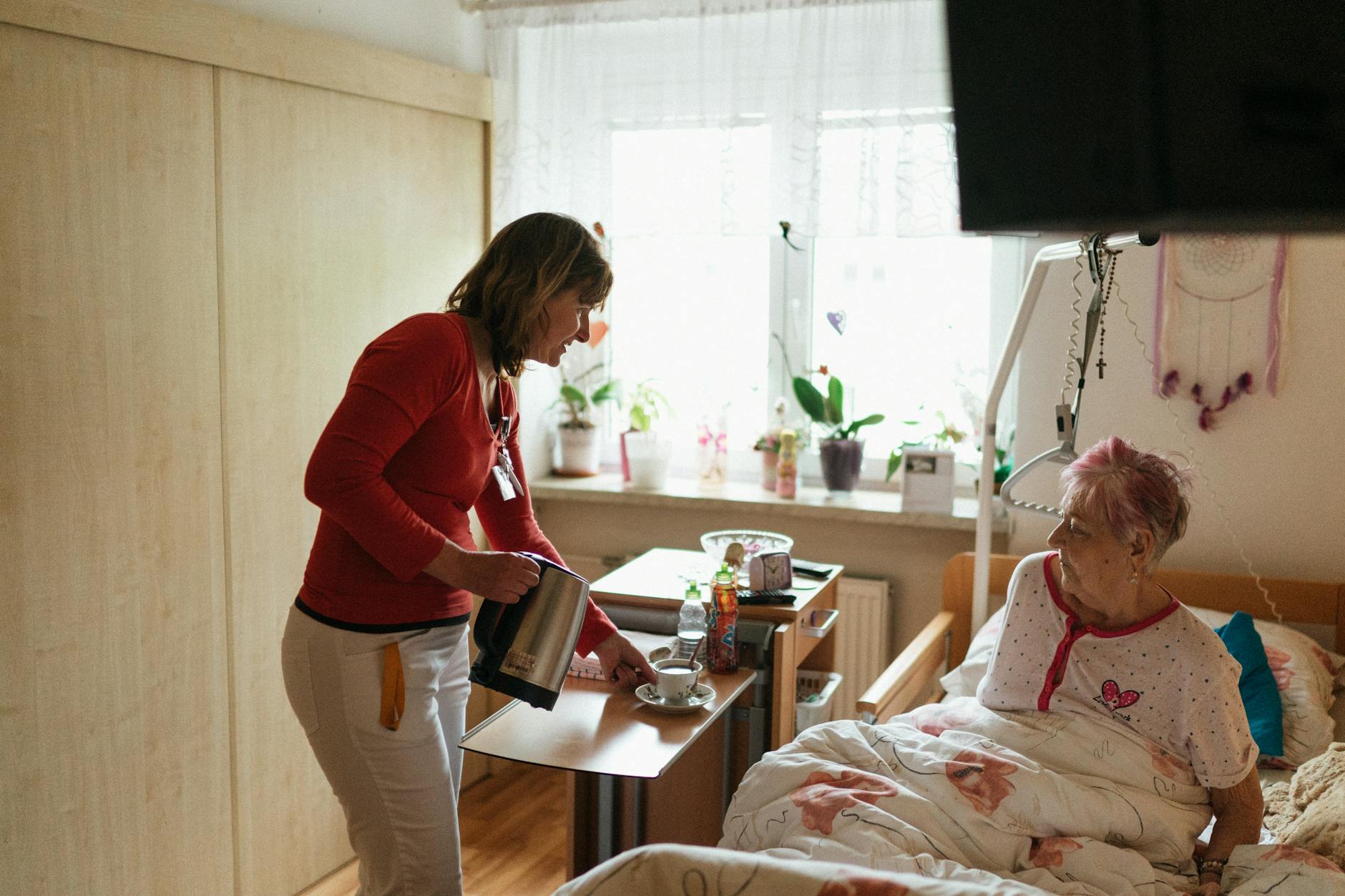
What Caregivers Can Do When Personality Changes Appear
The first and most important step when a person with dementia shows new or worsening personality changes is to rule out reversible causes. The National Institute on Aging advises caregivers to document behavioral changes and report them to a healthcare provider promptly, as some causes are treatable. A urinary tract infection, a new medication, constipation, pain that the person cannot articulate, or poor sleep can all trigger behavioral disturbances that look like dementia progression but are actually separate medical problems layered on top of the dementia. Keeping a simple log of when changes occur, what preceded them, and how long they last gives the care team valuable diagnostic information. Once treatable causes have been addressed, caregivers face a choice between non-pharmacological and pharmacological approaches to managing behavioral symptoms. Non-pharmacological strategies are generally recommended as the first line of intervention and include modifying the environment to reduce overstimulation, maintaining consistent daily routines, using calm and reassuring communication, redirecting attention during moments of agitation, and ensuring adequate lighting and noise control.
These approaches carry no side effects and are effective for many patients. However, when behaviors pose a safety risk — such as physical aggression or severe agitation that prevents necessary care — medications may be considered, though this involves significant tradeoffs. Antipsychotic medications are sometimes used but carry FDA black-box warnings about increased risk of death in elderly patients with dementia, and their benefits must be carefully weighed against their risks in consultation with a specialist. The emotional toll on caregivers should not be underestimated. Watching someone you love become a person you barely recognize is a form of grief that occurs while the person is still alive. Caregiver support groups, respite care, and therapy are not luxuries — they are necessities for sustaining the long work of dementia caregiving.
Sundowning and Time-Based Personality Shifts
One of the more disorienting patterns caregivers encounter is sundowning — increased confusion, anxiety, agitation, and behavioral disturbances that emerge in the late afternoon and evening hours. Sundowning affects up to 20 to 45 percent of dementia patients and can make a person who was relatively calm during the morning become restless, suspicious, or combative as the day wears on. The exact causes are not fully understood, but fatigue, reduced lighting, disruption of the circadian rhythm, and difficulty distinguishing dreams from reality are all thought to contribute. Sundowning can be particularly alarming for families who do not expect it.
A spouse might describe the person as “fine all day” but “a completely different person by dinnertime.” This pattern does not mean the person is faking symptoms or choosing to be difficult — it reflects genuine neurological vulnerability that worsens with fatigue and environmental cues. Strategies that can help include increasing light exposure during the afternoon, limiting caffeine and sugar after midday, keeping the evening environment calm and predictable, and avoiding large meals close to bedtime. However, sundowning does not respond to a single fix, and caregivers should be warned that some trial and error is inevitable. What works one week may stop working the next as the disease progresses.

When Personality Changes Are the First Sign of Dementia
In some cases, personality changes are not a complication of a known diagnosis — they are the first red flag that something is wrong. This is especially true of frontotemporal dementia, where a person in their fifties might begin behaving erratically, losing empathy, or making impulsive financial decisions long before any memory problems appear. Families often spend months or years attributing the behavior to stress, depression, or marital problems before a neurological evaluation reveals the underlying cause. Consider a 54-year-old business executive who begins making reckless investments, alienating long-time colleagues with blunt and inappropriate remarks, and showing no emotional response when his wife expresses distress.
His family assumes it is burnout. His doctor initially treats him for depression. It is only after a neuropsychological evaluation and brain imaging that behavioral variant FTD is identified. Stories like this are common in the FTD community, and they underscore the importance of considering a neurological cause when personality changes in a middle-aged or older adult are persistent, progressive, and out of character.
Advancing Understanding and Future Directions
Research into the behavioral and psychological symptoms of dementia has gained significant momentum over the past decade. There is growing recognition that these symptoms are not secondary nuisances but core features of the disease that require dedicated treatment strategies. Clinical trials are exploring new pharmacological approaches that may manage agitation and psychosis with fewer side effects than current options, and digital tools for tracking behavioral patterns are helping caregivers and clinicians identify triggers more precisely.
Perhaps the most important shift is a cultural one. As the global population ages and the number of people living with dementia continues to rise, there is increasing public awareness that personality changes are a medical symptom, not a moral failing. The more caregivers, families, and communities understand this distinction, the better equipped they will be to respond with compassion rather than frustration — and to seek help early, when intervention can still make a meaningful difference.
Conclusion
Dementia can and frequently does cause personality changes, ranging from apathy and withdrawal to agitation, paranoia, and disinhibition. These changes affect up to 90 percent of dementia patients at some stage and are rooted in physical damage to brain regions that govern behavior, emotion, and social functioning. The specific pattern of change depends on the type of dementia, with frontotemporal dementia producing the most dramatic early shifts and Alzheimer’s disease causing more gradual alterations over time. Truly sudden personality changes should always prompt urgent medical evaluation, as they may indicate delirium, infection, stroke, or medication problems rather than dementia alone.
For caregivers, the path forward begins with documentation, medical evaluation, and a willingness to try non-pharmacological strategies before reaching for medication. It continues with self-care, support, and the understanding that grieving the person someone used to be is a natural and legitimate part of the caregiving experience. If you are witnessing personality changes in a loved one, bring your concerns to a healthcare provider — not next month, but now. Some of the causes behind these shifts are treatable, and early intervention consistently produces better outcomes.
Frequently Asked Questions
Can a urinary tract infection really cause personality changes that look like dementia?
Yes. UTIs are one of the most common causes of sudden behavioral changes in older adults, particularly confusion, agitation, and paranoia. In a person who already has dementia, a UTI can dramatically worsen symptoms and create the appearance of rapid disease progression. Treatment with antibiotics often resolves the behavioral changes, which is why sudden shifts should always be evaluated medically.
How can I tell the difference between depression and dementia-related apathy?
Depression and apathy can look similar on the surface, but they differ in important ways. A depressed person typically feels sad and may express feelings of worthlessness or hopelessness. A person with dementia-related apathy may show little emotion at all — not sadness, but a flat absence of motivation or interest. Both conditions can coexist, and a clinician experienced in geriatric psychiatry can help distinguish them and guide treatment.
Are personality changes from dementia reversible?
In most cases, personality changes caused by the progression of dementia itself are not reversible because they reflect permanent brain damage. However, personality changes caused by treatable conditions layered on top of dementia — such as infections, medication side effects, pain, or delirium — can often be reversed once the underlying cause is addressed. This is why medical evaluation of new behavioral symptoms is so important.
At what stage of dementia do personality changes typically appear?
It depends on the type. In frontotemporal dementia, personality changes are often the first symptom, appearing before memory loss. In Alzheimer’s disease, mild personality shifts such as increased anxiety or withdrawal may appear in the early stages, but more disruptive changes like agitation and paranoia tend to emerge in the moderate to severe stages. Lewy body dementia can produce personality fluctuations at any stage.
Should I correct a person with dementia when they make false accusations?
Generally, no. Arguing or correcting a person with dementia who is making paranoid accusations — such as claiming someone stole their wallet — tends to increase agitation without resolving the underlying confusion. A more effective approach is to validate their feelings, redirect their attention, and quietly help them find the missing item or move on to a different activity. The accusation is a symptom, not a rational belief that can be debated away.
Is it safe to use antipsychotic medications for dementia-related behavior problems?
Antipsychotic medications carry an FDA black-box warning about increased risk of death in elderly patients with dementia and should be used only when non-pharmacological approaches have failed and the behavior poses a genuine safety risk. The decision should involve careful discussion with a specialist who can weigh the risks against the potential benefits for that specific patient.