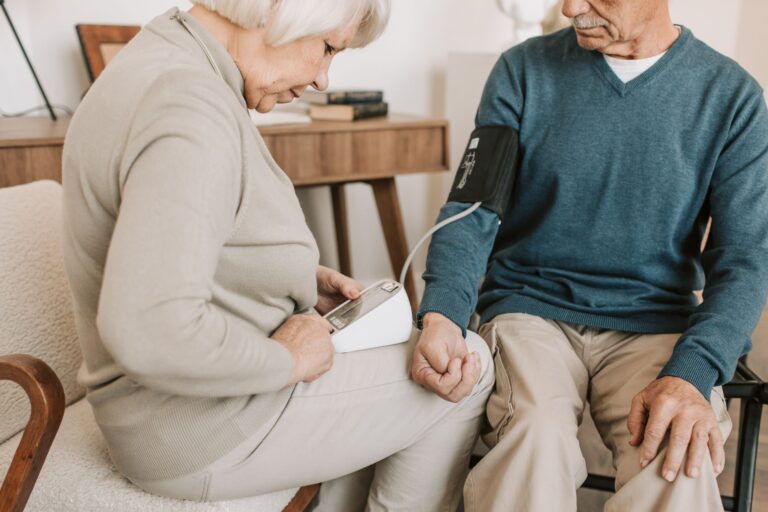
Most people with dementia can still recognize close family members for several years after diagnosis, typically throughout the early and middle stages of the disease. Forgetting family members usually begins around year four to eight or later, depending on the type of dementia and how quickly it progresses. On the Global Deterioration Scale, which maps dementia into seven stages, forgetting family members typically occurs in Stage 6 or Stage 7, corresponding to severe and late-stage dementia.
So if your mother was diagnosed last year and still knows your name and face, that recognition will likely persist for some time, though the timeline varies significantly from person to person. What surprises many families is that even after a person with dementia can no longer recall your name or explain how you are related to them, they may still feel a sense of comfort and familiarity in your presence. Emotional memory is the last type of memory to fade, and research increasingly confirms that the emotional bond between a person with dementia and their loved ones endures well beyond the point where factual recognition breaks down. This article covers the specific stages when family members are typically forgotten, what the research says about how long each stage lasts, which types of memory persist longest, and what families can do to maintain connection even in the most advanced stages of the disease.
Table of Contents
- At What Stage of Dementia Does a Person Stop Recognizing Family Members?
- How Many Years Does Family Recognition Typically Last After a Dementia Diagnosis?
- Why Emotional Memory Outlasts Name and Face Recognition
- How Families Can Maintain Connection Through Every Stage
- The “Last In, First Out” Pattern and Its Surprising Consequences
- The Global Scale of Dementia and the Search for Better Treatments
- What Future Research Means for Families Facing Dementia Today
- Conclusion
At What Stage of Dementia Does a Person Stop Recognizing Family Members?
The forgetting does not happen all at once. In Stage 6 on the Global Deterioration Scale, known as moderately severe dementia, patients may begin to forget the names of close family members, confuse one family member for another, or mistake a stranger for someone they know. A woman in Stage 6 might call her daughter by her sister’s name, or greet a home health aide as though they were an old friend. At this point, she is generally still aware of her own name and may retain a vague sense that certain people are important to her, even if the specifics are slipping away. By Stage 7, severe dementia, the ability to recognize faces can be lost entirely. According to Johns Hopkins Medicine, patients in this final stage may no longer recognize spouses or children.
Speech is often reduced to a handful of words or phrases, and the person requires assistance with virtually all activities of daily living. For families, this transition from partial recognition to none at all is often the most painful part of the disease, and it is worth understanding that the person in front of you is not choosing to forget. The brain structures responsible for encoding and retrieving identity information have been progressively damaged. It is also important to note that not every person with dementia follows the same trajectory. Someone with Lewy body dementia may have fluctuating recognition, where they seem perfectly lucid one hour and deeply confused the next. Vascular dementia can produce a more stepwise decline, with sudden drops in function after each small stroke. Alzheimer’s disease, which accounts for 60 to 70 percent of all dementia cases according to the Alzheimer’s Association, tends to follow a more gradual and predictable pattern, but even within Alzheimer’s, the speed of progression varies widely.
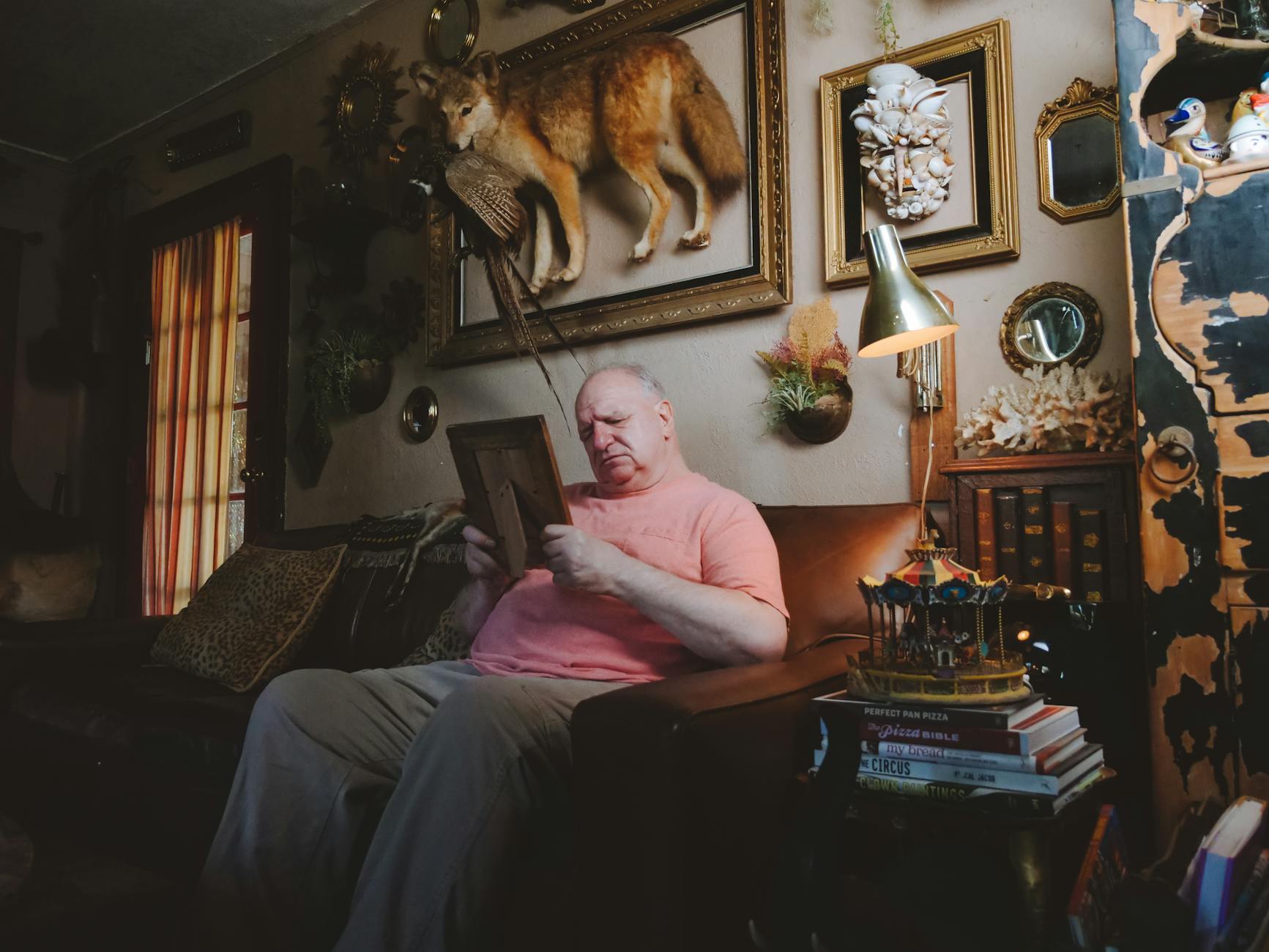
How Many Years Does Family Recognition Typically Last After a Dementia Diagnosis?
The average total disease duration from diagnosis ranges from 3 to 11 years, though some people live 20 or more years after diagnosis, according to the Mayo Clinic. The middle or moderate stage of dementia is the longest, typically lasting approximately two to four years. During this stage, name and face confusion may begin, but full recognition of close family members is usually still intact. A husband in moderate-stage Alzheimer’s might occasionally blank on his wife’s name at the dinner table but will still light up when she walks into the room. Late-stage dementia, the period when family members are most likely to be fully forgotten, lasts on average one to three years, according to the Fisher Center for Alzheimer’s Research. Working backward from diagnosis, this means most families can expect several years of continued recognition before the severe stage sets in.
However, if the diagnosis came late, meaning the disease had already been progressing for years before anyone sought medical evaluation, the window of recognition after the formal diagnosis may be shorter than these averages suggest. Preclinical brain changes can begin 15 to 20 years before symptoms appear, according to research published through the National Institutes of Health, meaning the biological process is well underway long before a doctor puts a name to it. One critical caveat: these timelines are averages drawn from large populations. Younger-onset Alzheimer’s, which strikes before age 65, can progress faster in some cases. Frontotemporal dementia may affect personality and behavior before it touches memory at all, meaning a person might still recognize family members but treat them in ways that feel unrecognizable. The type of dementia matters enormously, and families should ask the diagnosing physician about what to expect for their specific situation rather than relying solely on general staging models.
Why Emotional Memory Outlasts Name and Face Recognition
The brain does not store all memories in the same place. Factual memories, such as a person’s name or their relationship to you, depend heavily on the hippocampus and surrounding cortical areas, which are among the first structures damaged in Alzheimer’s disease. Emotional memories, by contrast, are processed through the amygdala, which tends to be affected later in the disease course. This is why a person with advanced dementia may not be able to tell you who you are but will visibly relax when you hold their hand or become agitated when an unfamiliar caregiver enters the room. A 2024 study on flashbulb memories in Alzheimer’s patients, published in Memory and Cognition, found evidence of what researchers called a “residual emotional enhancement effect.” Emotionally significant events were retained better than neutral ones, even in people with dementia. This aligns with what families observe every day in care settings: a grandmother who cannot remember breakfast will tear up when she hears her wedding song. The emotional imprint of decades of love and shared experience does not vanish the way names and dates do.
Even more striking, a 2025 meta-analysis published through Frontiers found that emotional empathy may actually be preserved or even increased in Alzheimer’s dementia compared to mild cognitive impairment. In other words, the capacity to feel what others are feeling may endure, and in some cases deepen, even as cognitive function declines. This finding has profound implications for how we approach visits and caregiving. Your presence matters. Your tone of voice matters. The warmth in your touch matters. These things register even when words and faces no longer do.

How Families Can Maintain Connection Through Every Stage
The practical question for most families is not just how long recognition will last but what to do when it starts to fade. One common mistake is to correct or quiz a person with dementia. Asking “Don’t you remember me? I’m your son” forces the person into a test they are likely to fail, which produces frustration and shame without restoring any memory. A better approach is to gently identify yourself each visit: “Hi Mom, it’s David, your son. I’m so glad to see you.” This provides the information without demanding recall. There is a tradeoff between emotional honesty and therapeutic fibbing that every family has to navigate. When a mother in Stage 6 asks where her own mother is, a factual answer, that her mother died 30 years ago, can trigger fresh grief every time because she cannot retain the information.
Many dementia care specialists recommend redirecting rather than correcting: “Tell me about your mother. What was she like?” This approach respects the emotional reality the person is living in without causing unnecessary pain. However, some families feel strongly that they should always tell the truth, and there is no universally right answer. The guiding principle should be the person’s emotional wellbeing in that moment. Physical presence and sensory cues often communicate more effectively than words in later stages. Familiar music, a favorite blanket, the smell of a particular lotion, or the feel of a hand massage can all activate emotional memory pathways that verbal communication cannot reach. Families who shift their expectations from conversation-based visits to presence-based visits often find that the connection they feared was lost is still very much alive, just expressed differently.
The “Last In, First Out” Pattern and Its Surprising Consequences
Dementia erodes memories in roughly reverse chronological order, a pattern sometimes called “last in, first out.” Recent memories, what happened yesterday or last week, are the most fragile and disappear first. Older memories from childhood and early adulthood are the most durable and may persist well into the late stages. This is why a person with advanced dementia may not recognize their adult children but can vividly describe a schoolteacher from 1955 or sing every word of a song they learned at age ten. This pattern creates some disorienting situations for families. A father may look at his 50-year-old daughter and not recognize her because his internal timeline has shifted backward. He may be living, psychologically, in a period before she was born. But if shown a photograph of that same daughter as a small child, recognition may briefly surface.
Some care facilities use memory books filled with old family photographs for exactly this reason, anchoring the person in a time period their brain can still access. The limitation families should understand is that this pattern is not a precise rewind. It is not as though every memory from 1975 is perfectly intact while every memory from 1995 is gone. The erosion is uneven and unpredictable. A person might remember their wedding day but not the decade that preceded it. They might recognize a childhood friend but not their own reflection in the mirror. Expecting consistency from a damaged brain will only lead to confusion and heartbreak. The memory that surfaces today may not be available tomorrow, and a memory that seemed gone forever may briefly reappear without warning.
The Global Scale of Dementia and the Search for Better Treatments
Over 55 million people worldwide live with dementia as of 2024, with nearly 10 million new cases diagnosed each year, according to The Lancet’s 2024 Commission on dementia. These numbers are projected to rise sharply as populations age, particularly in low- and middle-income countries where diagnostic and care infrastructure is limited. For the families navigating this disease right now, those statistics translate into millions of households facing the same question this article addresses: how long will my loved one still know me? The research landscape is more active than it has been in decades.
The National Institutes of Health is currently funding 495 clinical trials for Alzheimer’s and related dementias, according to its 2025 progress report. While no existing treatment can stop or reverse the memory loss that leads to forgetting family members, several newer therapies aim to slow the accumulation of amyloid plaques and tau tangles that drive Alzheimer’s progression. If these treatments prove effective at scale, the window during which a person with dementia recognizes their family could potentially be extended by months or years, a modest-sounding gain that would mean the world to the families involved.
What Future Research Means for Families Facing Dementia Today
The discovery that preclinical brain changes begin 15 to 20 years before symptoms appear has shifted research attention toward earlier and earlier intervention. If dementia can be detected and treated before significant memory loss occurs, the question of when family members are forgotten could eventually become less central to the experience of the disease. Blood-based biomarker tests that can detect Alzheimer’s pathology years before symptoms are already moving from research settings into clinical practice.
For families living with dementia right now, the most useful insight from current research may be the most human one: emotional connection does not require cognitive recognition. The person you love is still receiving your love, even when they cannot name you or explain who you are. That is not sentimentality. It is what the science consistently shows.
Conclusion
Most people with dementia will recognize close family members for several years after diagnosis, typically through the early and middle stages of the disease. Forgetting family members usually begins in Stage 6 of the Global Deterioration Scale and progresses through Stage 7, a transition that often occurs somewhere between year four and year eight after diagnosis, though the range is wide. The middle stage, when confusion with names and faces begins but full recognition is mostly preserved, is the longest stage, lasting roughly two to four years. The late stage, when recognition may be lost entirely, lasts on average one to three years. The most important thing for families to hold onto is that emotional memory outlasts every other kind. Research from 2024 and 2025 continues to confirm that people with dementia retain emotional responses, feelings of comfort and familiarity, and even heightened empathy long after they lose the ability to recall names and faces.
Your visits matter. Your voice matters. Your touch matters. If you are caring for someone with dementia, do not measure the value of your presence by whether they can say your name. Measure it by whether they seem calmer, safer, or more at ease when you are in the room. That is recognition too, and it is often the last thing to go.