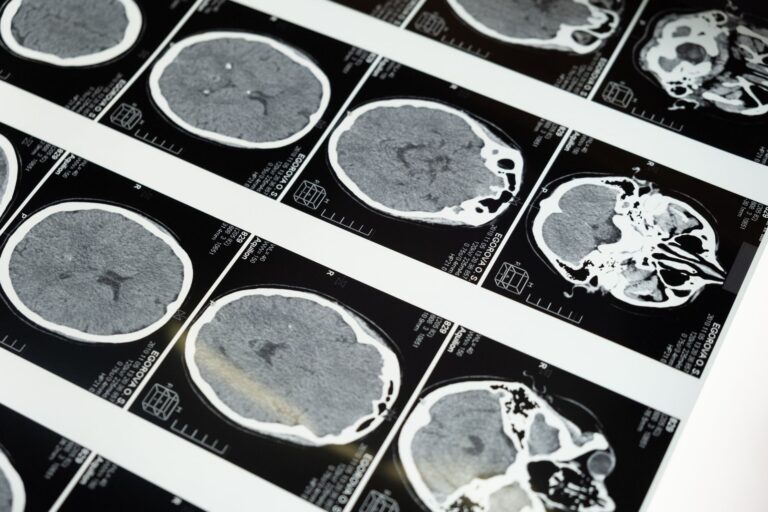
Dementia cause sits at the center of this dementia and brain health question.
Yes, dementia can directly cause death. In the advanced stages of the disease, neurodegeneration reaches the deepest structures of the brain, the regions that regulate heartbeat, breathing, and body temperature. When those systems fail, death follows, not from a complication, but from the disease itself. That said, the majority of people with dementia die from complications that arise because the brain can no longer coordinate basic survival functions like swallowing, walking, or managing other chronic illnesses. The distinction matters more than most people realize, both for families preparing for what lies ahead and for the broader public understanding of just how lethal dementia truly is. Consider someone in the final stage of Alzheimer’s disease who gradually loses the ability to swallow. Food and liquid slip into the lungs instead of the stomach, triggering aspiration pneumonia, the single most common cause of death among dementia patients.
The death certificate may list pneumonia, but the root cause is the brain damage that destroyed the swallowing reflex. In 2022, 288,436 deaths among U.S. adults age 65 and older were attributed to dementia as the underlying cause, according to the CDC. That number has more than doubled since 2000, and it almost certainly still undercounts the true toll. This article breaks down exactly how dementia kills, whether directly or through cascading complications. We will look at the specific complications most likely to prove fatal, examine the statistics that reveal how widespread dementia mortality has become in the U.S. and globally, and discuss what families can realistically expect after a diagnosis, including average survival times, the role of comorbid illnesses, and the hard decisions around late-stage care.
Table of Contents
- Can Dementia Kill You Directly, or Is It Always Complications That Cause Death?
- The Complications That Most Often Kill Dementia Patients
- What the U.S. Statistics Reveal About Dementia as a Cause of Death
- What Families Should Realistically Expect After a Dementia Diagnosis
- Why Dementia Deaths Are Still Significantly Undercounted
- The Global Scale of Dementia Mortality
- Where Dementia Mortality Research Is Heading
- Conclusion
- Frequently Asked Questions
Can Dementia Kill You Directly, or Is It Always Complications That Cause Death?
The honest answer is both, and the line between them is less clear than most people assume. Historically, most dementia-related deaths were attributed to complications. A patient would develop pneumonia, a urinary tract infection that escalated to sepsis, or suffer a hip fracture that triggered a chain of decline. Doctors would list those conditions as the cause of death rather than the dementia that set everything in motion. But improvements in care, better infection management, safer living environments, have meant that more patients now survive long enough for the neurodegeneration itself to become the terminal event. The brain cells that control breathing and circulation simply stop functioning. This shift has been documented by researchers at institutions like Columbia University’s Department of Neurology and Alzheimer’s Research UK. As they explain, the brainstem, which governs the most basic involuntary functions, is among the last regions affected by diseases like Alzheimer’s. But in late-stage dementia, damage eventually reaches those structures.
Heart rate becomes erratic. Breathing slows or stops. Body temperature regulation fails. At that point, dementia is not merely a contributing factor. It is the direct mechanism of death. The practical difference matters for families and for public health accounting. When dementia is listed as a contributing cause rather than the underlying cause on a death certificate, it distorts our understanding of the disease’s lethality. The Alzheimer’s Association has long argued that dementia deaths are substantially undercounted, and the numbers bear this out. Even with 120,122 deaths specifically attributed to Alzheimer’s disease in 2022, experts believe the real figure is considerably higher because physicians often default to listing the immediate complication rather than the disease that caused it.

The Complications That Most Often Kill Dementia Patients
Pneumonia, particularly aspiration pneumonia, stands at the top of the list. In the later stages of dementia, the brain loses its ability to coordinate the complex muscular sequence required for safe swallowing. Tiny amounts of food, liquid, or saliva enter the airways and settle in the lungs, creating an ideal environment for bacterial infection. This is not a matter of carelessness or poor feeding technique. It is a neurological inevitability in advanced disease, and it is frequently the final event. Urinary tract infections represent another major threat. As dementia progresses, incontinence becomes common, and patients may be unable to communicate symptoms like burning or pain.
A UTI that would be a minor inconvenience in a healthy adult can escalate rapidly to sepsis in someone whose immune system is already compromised by age and neurodegeneration. Falls and fractures follow a similar pattern: damaged spatial awareness and weakened muscles make falls nearly inevitable, and a broken hip in a late-stage dementia patient often triggers a cascade of immobility, blood clots, pressure sores, and infection that proves fatal within months. However, one complication that receives less attention is the role of comorbid chronic illnesses. Roughly half of all dementia patients also live with diabetes, high blood pressure, or heart disease. These conditions require consistent medication management, regular medical appointments, and dietary monitoring, all of which become impossible as cognitive function declines. A person with diabetes who forgets insulin doses or cannot recognize the symptoms of dangerously high blood sugar is at acute risk. The dementia does not kill them directly in this scenario, but it removes every safeguard that was keeping the other disease in check.
What the U.S. Statistics Reveal About Dementia as a Cause of Death
The numbers from the CDC and the Alzheimer’s Association paint a stark picture. Alzheimer’s disease is currently the seventh leading cause of death in the United States. It held the sixth position until COVID-19 entered the top ten in 2020, and based on preliminary 2023 data, it is expected to reclaim that spot. Deaths from Alzheimer’s more than doubled between 2000 and 2022, a trend driven partly by an aging population but also by better diagnostic practices that now correctly identify dementia as the underlying cause of death rather than burying it behind pneumonia or heart failure on the certificate. The pandemic itself revealed how vulnerable dementia patients are. Age-adjusted dementia death rates spiked 10.2 percent between 2019 and 2020, jumping from 520.1 to 572.9 per 100,000.
By 2022, that rate had declined to 548.9 but remained stubbornly above pre-pandemic levels. This was not just about COVID-19 infection, though dementia patients were indeed more likely to die from the virus due to weakened immune responses and congregate living settings. The disruption of routine care, cancelled medical appointments, isolation, and reduced physical activity all accelerated cognitive and physical decline. The demographic breakdown is equally telling. An estimated 7.2 million Americans age 65 and older are living with Alzheimer’s in 2025, roughly one in nine people in that age group. Almost two-thirds of them are women, a disparity that researchers attribute to a combination of longer female life expectancy, possible hormonal factors, and genetic differences in risk profiles. Women also provide approximately 70 percent of informal care hours for people with dementia, meaning they bear the burden on both sides of the equation.

What Families Should Realistically Expect After a Dementia Diagnosis
Dementia is a terminal condition. There is currently no cure, and no treatment reverses or halts the underlying neurodegeneration in most cases. Average survival after an Alzheimer’s diagnosis is four to eight years, though the range is wide. Some people live 20 years after diagnosis, particularly if they are diagnosed early and have few comorbid health conditions. Others decline rapidly, especially those diagnosed later in life or those with vascular dementia or Lewy body dementia, which can progress faster than Alzheimer’s. The tradeoff that families face is between aggressive medical intervention and comfort-focused care, and this decision becomes more pressing as the disease advances.
Treating every pneumonia episode with antibiotics, hospitalizing a patient after a fall, or surgically repairing a broken hip may extend life, but it often does so at the cost of significant suffering for someone who cannot understand what is happening to them or why. Many geriatric specialists and palliative care physicians encourage families to consider hospice enrollment in the final stages, which shifts the goal from extending life to minimizing pain and distress. Studies have consistently shown that dementia patients enrolled in hospice experience fewer hospitalizations, fewer invasive procedures, and better-managed symptoms in their final months. The difficulty is that dementia does not follow a predictable downhill trajectory like many cancers. There are long plateaus, sudden drops, brief improvements that look like recovery but are not. Families often struggle to identify when the “final stage” has actually begun, which makes the timing of care transitions agonizingly uncertain. Having frank conversations with a neurologist or geriatrician about prognosis, ideally well before the late stages, gives families the information they need to make decisions that align with the patient’s previously expressed wishes.
Why Dementia Deaths Are Still Significantly Undercounted
One of the most persistent problems in dementia research and public health policy is the systematic undercounting of dementia-related deaths. When a person with advanced Alzheimer’s dies of aspiration pneumonia, the death certificate may list pneumonia as the cause and dementia as a contributing factor, or it may not mention dementia at all. This happens for several reasons: the physician completing the certificate may not have access to the patient’s full medical history, the immediate cause of death may seem more medically precise, or there may be lingering discomfort with listing a neurological condition as a cause of death rather than a cardiopulmonary event. The consequence is that public health data underestimates the true impact of dementia on mortality, which in turn affects funding, research prioritization, and policy decisions. The Alzheimer’s Association has argued for years that if dementia deaths were counted the way cancer deaths are, with the underlying disease receiving primary attribution regardless of the immediate mechanism, the numbers would be dramatically higher. Some researchers estimate that dementia contributes to twice as many deaths as official statistics suggest.
This also creates a warped perception among the general public. Many people still think of dementia as a condition that diminishes quality of life but does not actually kill. That misunderstanding has real consequences. Families may delay advance care planning because they do not realize the disease is terminal. Policymakers may underfund dementia research relative to diseases with more visible mortality statistics. And patients themselves may not receive the palliative care they deserve because the system does not formally recognize that they are dying.
The Global Scale of Dementia Mortality
The problem extends far beyond the United States. The World Health Organization reported that dementia accounted for 1.8 million deaths worldwide in 2019, making it the seventh leading cause of death globally, the same ranking it holds in the U.S. An estimated 55 million people worldwide were living with dementia as of 2023, a number projected to reach 139 million by 2050 as populations age in every region. The global cost already stands at $1.3 trillion annually and is expected to climb to $2.8 trillion by 2030.
Low- and middle-income countries face a particularly grim outlook. Diagnostic rates are lower, meaning people live with unidentified and unmanaged dementia for longer. Access to the kind of supportive care that can prevent or delay complications, safe housing, fall prevention, nutrition support, infection management, is far more limited. The result is that dementia patients in these settings are more likely to die from preventable complications, and their deaths are even less likely to be accurately attributed to dementia, further deepening the data gap.
Where Dementia Mortality Research Is Heading
Several developments may change the trajectory of dementia mortality in the coming years. New anti-amyloid therapies, including lecanemab and donanemab, have shown modest ability to slow cognitive decline in early Alzheimer’s disease. While these drugs do not cure the disease or reverse damage already done, they raise the possibility that patients diagnosed early could maintain function longer, potentially delaying the onset of the fatal late-stage complications.
Whether this translates to meaningfully extended survival remains an open and heavily debated question in the neurology community. Equally important is the growing recognition of dementia as a terminal illness within the medical system. More hospitals and health systems are integrating palliative care earlier in the dementia trajectory, training primary care physicians to have honest conversations about prognosis, and expanding hospice eligibility criteria for dementia patients. If these trends continue, we may see a shift not necessarily in how many people die from dementia, which will almost certainly increase as the population ages, but in how they die: with better symptom management, less unnecessary suffering, and a clearer public understanding that this disease, whether it kills directly or through its complications, is one of the most significant health threats of the twenty-first century.
Conclusion
Dementia can and does cause death directly, particularly in its most advanced stages when neurodegeneration reaches the brain structures that control breathing, heart rate, and other involuntary functions. But for the majority of patients, death comes through complications that the disease makes inevitable: aspiration pneumonia from lost swallowing reflexes, infections that overwhelm a weakened immune system, falls that trigger irreversible decline, and chronic illnesses left unmanaged as cognition fails. The distinction between direct and indirect causation is less meaningful than it might seem. In every case, dementia is the engine driving the process.
The statistics confirm what families already know from lived experience: this disease is lethal, it is growing more common, and it is still not taken as seriously as its death toll warrants. With 288,436 U.S. deaths attributed to dementia in 2022, 55 million people affected worldwide, and no cure on the horizon, the most important steps families can take are to plan early, understand the trajectory, and advocate for care that prioritizes dignity and comfort alongside medical treatment. Dementia may be terminal, but how someone lives with it, and how they die from it, is still within our power to influence.
Frequently Asked Questions
Is dementia considered a terminal illness?
Yes. Dementia is a progressive, incurable condition that ultimately leads to death. Average survival after an Alzheimer’s diagnosis is four to eight years, though some people live up to 20 years depending on their age at diagnosis, overall health, and the specific type of dementia.
What is the most common cause of death in dementia patients?
Aspiration pneumonia is the leading cause of death. In late-stage dementia, the brain loses the ability to coordinate swallowing, causing food and liquid to enter the lungs and trigger infection.
Why are dementia deaths undercounted?
Death certificates often list the immediate complication, such as pneumonia or heart failure, rather than the underlying dementia that caused it. This leads to significant underreporting of dementia as a cause of death in public health statistics.
Does dementia weaken the immune system?
Yes. Dementia patients have a weakened immune response, making them more vulnerable to severe outcomes from infections including flu, COVID-19, urinary tract infections, and pneumonia.
Is Alzheimer’s the only form of dementia that can cause death?
No. All forms of dementia, including vascular dementia, Lewy body dementia, and frontotemporal dementia, are progressive and ultimately fatal. The specific complications and timeline may differ, but none are curable.
How many people die from dementia each year in the United States?
In 2022, the CDC attributed 288,436 deaths among adults age 65 and older to dementia as the underlying cause, with 120,122 of those specifically attributed to Alzheimer’s disease. The true number is likely higher due to underreporting.
You Might Also Like
- Can dementia progress suddenly or is it always gradual
- How long can someone with dementia live at home safely
- How long can someone live with moderate dementia
For more, see Alzheimer’s Association — caregiving.