Flavonoids, the plant compounds found in berries, tea, citrus fruits, and dark chocolate, are among the most promising dietary tools for reducing dementia risk. A 2024 study published in JAMA Network Open, involving 121,986 participants, found that consuming just six additional servings per day of flavonoid-rich foods was associated with a 28 percent lower risk of dementia. For people with high genetic risk, the protection was even more striking — a 43 percent reduction. These are not fringe findings.
They build on more than two decades of research, including the Framingham Offspring Cohort study, which followed 2,800 people aged 50 and older for 20 years and found that those with the highest flavonoid intake were two to four times less likely to develop Alzheimer’s disease. But the details matter more than the headlines suggest. Not all flavonoids offer the same level of protection, timing of consumption appears to play a critical role, and no amount of blueberries can cancel out other risk factors. This article breaks down the specific food sources with the highest flavonoid content, explains which subtypes of flavonoids are most strongly linked to cognitive protection, and addresses the practical question of how much you actually need to eat each day to see a benefit. It also covers the biological mechanisms behind these findings, the limitations of current research, and what the latest 2025 studies add to our understanding.
Table of Contents
- What Are Flavonoids and How Strong Is the Evidence for Dementia Prevention?
- Which Flavonoid Subtypes Offer the Most Cognitive Protection?
- The Best Food Sources of Flavonoids for Brain Health
- How Much Do You Need to Eat Each Day for Real Protection?
- What Flavonoids Cannot Do and Where the Research Falls Short
- Flavonoids May Be Especially Protective for High-Risk Groups
- What New Research Is Telling Us About Flavonoids and the Brain
- Conclusion
What Are Flavonoids and How Strong Is the Evidence for Dementia Prevention?
Flavonoids are a class of polyphenolic compounds produced by plants, responsible for the vivid colors in fruits, vegetables, and flowers. There are several subclasses — flavonols, flavones, flavanones, anthocyanins, and flavanols — and each shows up in different concentrations depending on the food source. What makes flavonoids relevant to brain health is not a single mechanism but a combination of anti-inflammatory, antioxidant, and neuroprotective effects. They appear to fight the accumulation of amyloid-beta plaques, a hallmark of Alzheimer’s disease. They increase the production of chemicals that repair brain cells and strengthen neuronal connections, promote new brain cell growth, and may even enlarge the hippocampus, the brain’s memory center. The evidence is substantial but comes with an important distinction: most of the major studies are observational, not randomized controlled trials. The JAMA Network Open study tracked 882 incident dementia cases across nearly 122,000 participants.
The Framingham cohort studies followed participants for decades. A 2022 study published in the journal Neurology found that higher dietary intake of flavonols specifically was significantly associated with reduced Alzheimer’s risk, with the highest versus lowest quintile showing meaningful reductions for compounds like kaempferol, myricetin, and isorhamnetin. These are large, well-designed studies, but they cannot prove causation. People who eat more flavonoid-rich foods may also exercise more, smoke less, or have better access to healthcare. That said, the consistency of findings across different populations and study designs is difficult to dismiss. A 2025 systematic review examined 31 clinical trials involving 3,582 participants aged 50 to 90, confirming that flavonoids and polyphenols show potential cognitive and neuroprotective benefits, though results varied across compounds and study designs. This is worth noting — clinical trials, where researchers can control variables more carefully, still show positive signals, but the effects are less uniform than observational data might suggest.
Which Flavonoid Subtypes Offer the Most Cognitive Protection?
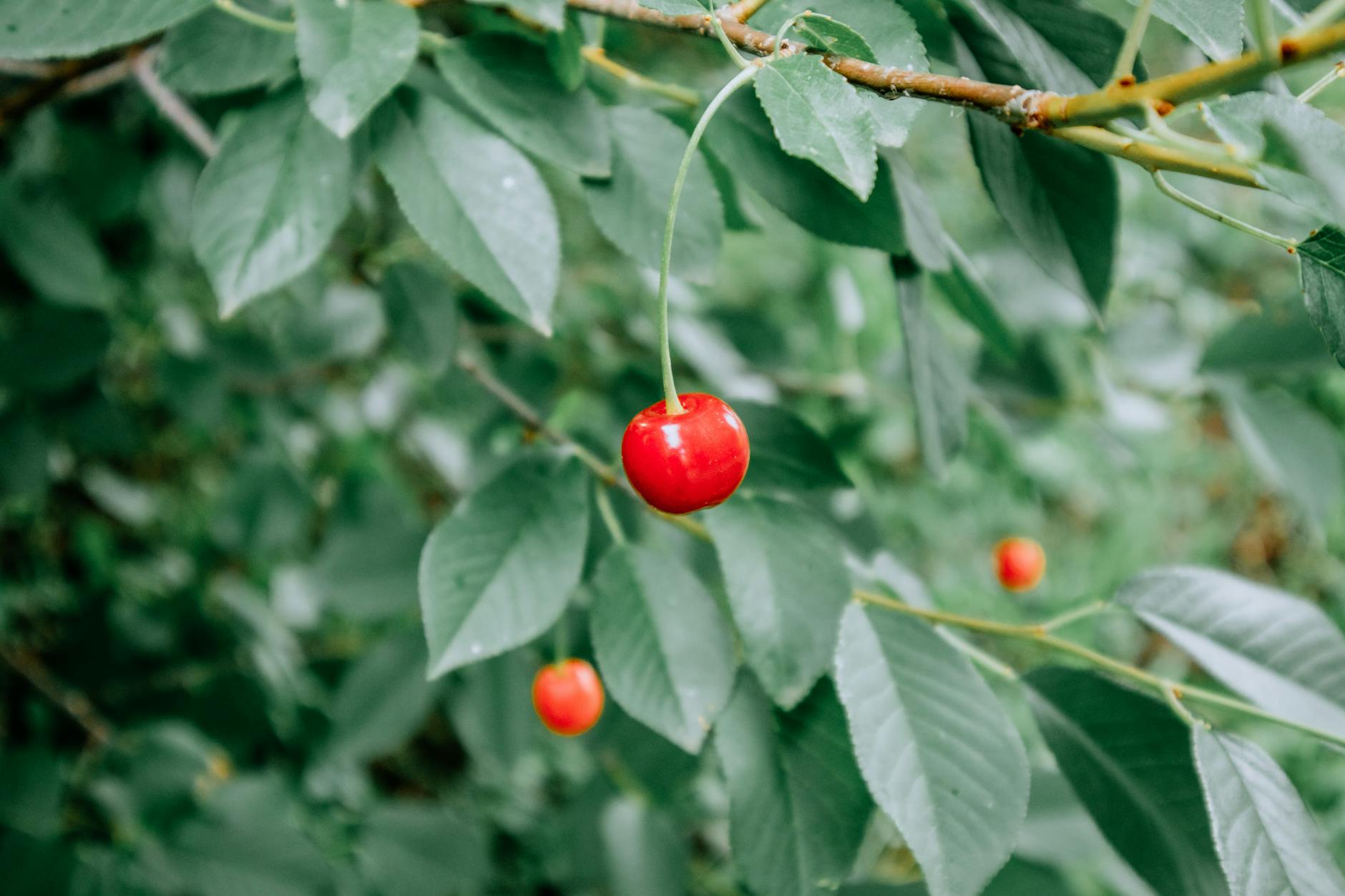
Not all flavonoids are created equal when it comes to brain health. Research has identified three subtypes with particularly strong associations with reduced cognitive decline. Flavones, found in spices and yellow and orange fruits and vegetables, were linked to a 38 percent lower risk of self-reported cognitive decline. Flavanones, concentrated in citrus fruits like oranges, lemons, and grapefruit, showed a 36 percent lower risk. Anthocyanins, the compounds that give blueberries, blackberries, and cherries their deep colors, were associated with a 24 percent lower risk. These numbers come with context that is easy to overlook. The reductions are relative, not absolute, and they apply to populations over long follow-up periods.
A 38 percent lower risk does not mean that eating parsley every day gives you a 38 percent chance of avoiding dementia. It means that across large groups, those who consumed the most flavones had roughly a third fewer cases of cognitive decline than those who consumed the least. The practical takeaway is that variety matters. Eating only blueberries, while beneficial, does not cover the full spectrum of flavonoid subtypes that appear to be protective. However, if you are already in late life and wondering whether it is too late to start, the research suggests a more complicated picture. The Framingham Heart Study found that greater cumulative fruit intake in midlife — not late life — was associated with a 44 percent decreased risk of all-cause dementia. This does not mean that dietary changes after age 65 are useless, but it does suggest that decades of consistent intake may be more protective than a late-stage intervention. Starting earlier appears to build a longer runway of neuroprotection.
The Best Food Sources of Flavonoids for Brain Health
The most practical question for anyone reading this research is straightforward: what should I actually eat? Berries top nearly every list. A single serving of strawberries contains approximately 180 milligrams of flavonoids, making it one of the most efficient sources. Blueberries and blackberries are rich in anthocyanins, the subtype linked to a 24 percent lower risk of cognitive decline. Apples provide about 113 milligrams of flavonoids per fruit, primarily quercetin, a flavonol with well-documented anti-inflammatory properties. Tea — black or green — is one of the highest dietary sources overall and appears repeatedly in protective intake patterns. Citrus fruits deliver flavanones, while dark leafy greens like kale, spinach, and broccoli contribute flavones.
Cocoa and dark chocolate are high in flavanols, though the sugar and calorie content of most commercial chocolate products means this is not a free pass to eat a bar a day. Onions, legumes, and soybeans are additional sources that often go underappreciated. Red cabbage and parsley are frequently overlooked but rank among the more flavonoid-dense options. The JAMA Network Open study identified a specific combination of foods that appeared most protective: consuming at least two of the following daily — five servings of tea, one serving of red wine, and half a serving of berries — was associated with a 38 percent lower dementia risk. This combination is worth noting not as a rigid prescription but as an illustration of how moderate, varied intake from multiple sources adds up. A person who drinks several cups of green tea throughout the day and eats a handful of berries with breakfast is already approximating this pattern without much effort.

How Much Do You Need to Eat Each Day for Real Protection?
The gap between high and low flavonoid consumers is significant. Research indicates that people with the most cognitive protection averaged about 600 milligrams of flavonoids per day, while those in the lowest intake group consumed roughly 150 milligrams or less. To put that in concrete terms, 600 milligrams is achievable with a combination of a cup of tea (around 150 to 200 milligrams depending on type and steeping time), a serving of berries (150 to 180 milligrams), an apple (113 milligrams), and a portion of leafy greens or citrus. It does not require supplements or exotic foods. The general dietary recommendation that aligns with this research is five to nine servings of fruits and vegetables per day — at least two cups of fruit and three cups of vegetables. This is consistent with broader nutritional guidelines and is not a radical departure for most people who already pay some attention to their diet. The tradeoff worth acknowledging, however, is that dietary changes are cumulative and slow-acting.
There is no short-term cognitive boost from eating a punnet of blueberries. The protection appears to build over years and decades, which means consistency matters far more than intensity. Eating moderate amounts of flavonoid-rich foods daily for twenty years is, according to the data, far more valuable than periodic bursts of virtuous eating. The comparison to supplementation is also relevant. While flavonoid supplements exist, the research supporting cognitive benefits has primarily been conducted with whole foods, not isolated compounds. Whole foods contain fiber, other phytonutrients, and micronutrients that may interact with flavonoids in ways that supplements cannot replicate. Until clinical trial evidence catches up, whole food sources remain the better-supported choice.
What Flavonoids Cannot Do and Where the Research Falls Short
It would be irresponsible to discuss flavonoids and dementia without being direct about what we do not know. The most important caveat is that no study has proven that flavonoids prevent dementia. The evidence is associational. People who eat more fruits, vegetables, and tea tend to develop dementia at lower rates, but they also tend to be wealthier, more educated, more physically active, and less likely to smoke. Researchers adjust for these confounding variables, but no statistical model can perfectly isolate the effect of a single dietary factor from an entire lifestyle pattern. There is also no official recommended daily intake for flavonoids.
Unlike vitamins, where deficiency thresholds and recommended amounts are well established, flavonoid research has not yet produced a consensus on optimal dosing. The 600-milligram figure from observational studies is a useful benchmark, but it is not an official guideline. Individual absorption, gut microbiome composition, and cooking methods all affect how much of the flavonoid content in food actually reaches the brain. For people who already have dementia or significant cognitive impairment, the evidence is less encouraging. The studies showing the strongest benefits tracked people from midlife through late life, suggesting that flavonoids may help preserve cognitive function before significant decline begins. Once neurodegenerative disease has progressed substantially, dietary changes alone are unlikely to reverse it. This is not a reason to abandon a healthy diet, but it is a reason to manage expectations — especially for caregivers who may be searching for anything that could help a loved one who has already been diagnosed.

Flavonoids May Be Especially Protective for High-Risk Groups
One of the most striking findings from the JAMA Network Open study is that the protective association was strongest among people who might seem least likely to benefit. Among participants with high genetic risk for dementia, six additional daily servings of flavonoid-rich foods were associated with a 43 percent lower risk — compared to 28 percent in the overall population. Among those with depressive symptoms, a known risk factor for dementia, the reduction was 48 percent.
These findings suggest that flavonoids may be especially worth prioritizing for people who know they carry genetic risk factors like the APOE4 allele, or who struggle with depression. It is a rare case in nutritional research where a dietary pattern appears to partially counteract genetic predisposition. Whether this holds up in randomized trials remains to be seen, but the magnitude of the association — nearly halving the risk in high-risk subgroups — is hard to ignore.
What New Research Is Telling Us About Flavonoids and the Brain
The science is not standing still. A 2025 computational study identified specific plant-derived flavonoids as potential amyloid-beta fibril disaggregating agents — meaning these compounds may not only prevent the formation of the protein clumps associated with Alzheimer’s but could theoretically help break them apart. This research is in its early stages and has not been tested in human trials, but it opens a new line of investigation beyond simple prevention.
A 2025 review published in the International Journal of Molecular Sciences confirmed that flavonoids exert neuroprotective effects through anti-oxidative and anti-inflammatory properties, as well as increased neuronal signaling. The field is moving toward understanding which specific flavonoid compounds are most active in the brain, how they cross the blood-brain barrier, and whether targeted supplementation could eventually complement whole-food approaches. For now, the actionable advice remains simple: eat more berries, drink more tea, load up on colorful vegetables, and do it consistently over years, not weeks.
Conclusion
The research on flavonoids and dementia prevention has reached a point where the pattern is clear even if the proof is not yet definitive. Large, long-running studies consistently show that people who consume more flavonoid-rich foods — particularly berries, tea, citrus, apples, and dark leafy greens — develop dementia at significantly lower rates. The protection appears strongest when consumption begins in midlife and is maintained over decades, and it may be particularly valuable for those with high genetic risk or depression.
The practical steps are neither complicated nor expensive. Aiming for roughly 600 milligrams of flavonoids per day through a combination of whole foods, prioritizing variety across flavonoid subtypes, and sustaining these habits over the long term represents the best translation of current evidence into daily life. No single food is a magic bullet, and dietary changes cannot eliminate dementia risk entirely. But in a field where effective prevention strategies are scarce, flavonoid-rich eating is one of the few approaches backed by consistent, large-scale evidence — and it comes with essentially no downside.