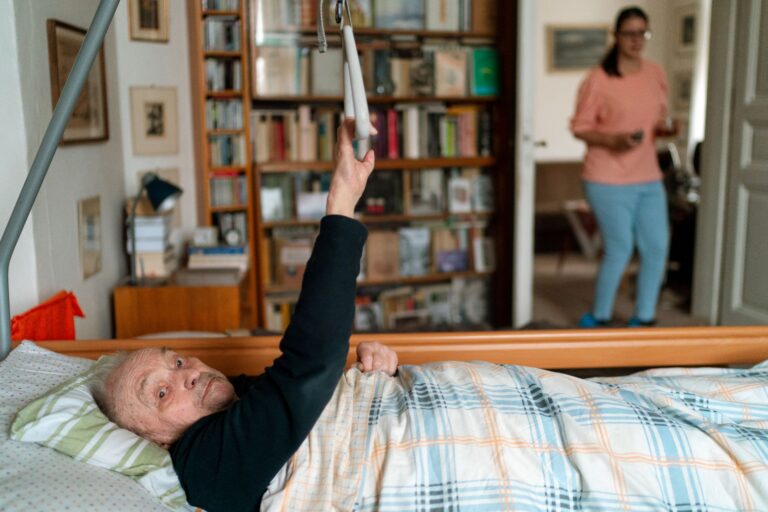
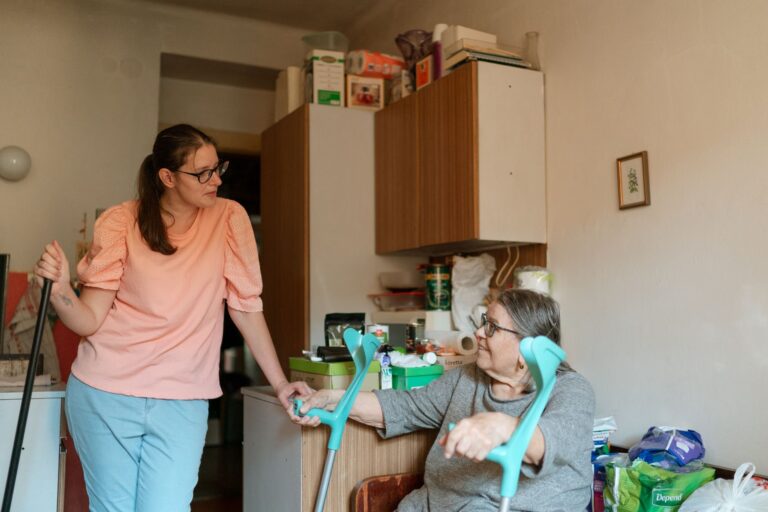
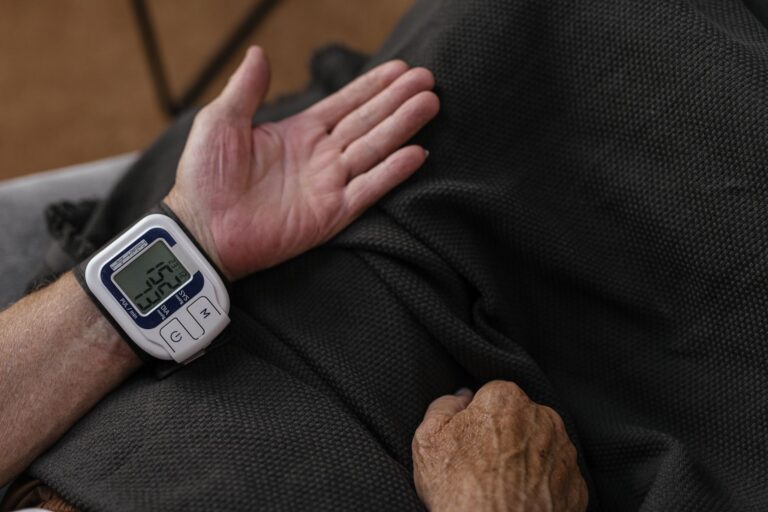
Walking ability in dementia does not vanish overnight. It follows a broadly predictable decline that mirrors the progression of cognitive loss, though the timeline varies enormously from one person to the next. In early-stage Alzheimer’s disease, for instance, a person may walk independently but begin misjudging curbs or forgetting familiar routes. By the middle stages, gait slows, balance falters, and falls become a serious risk. In advanced dementia, many people lose the ability to walk altogether and become fully dependent on caregivers for all movement.
Understanding this trajectory matters because it allows families to prepare the home environment, adjust care plans, and preserve mobility for as long as safely possible rather than reacting to each crisis as it arrives. The decline is not purely mechanical. The brain controls not just the decision to walk but the coordination of dozens of muscles, the processing of visual and spatial information, and the judgment needed to navigate obstacles. As dementia damages these neural pathways, walking becomes less automatic and more effortful. A person who once strolled through the grocery store without thinking may begin to freeze in doorways, shuffle on flat surfaces, or lose the ability to rise from a chair. This article walks through each stage of mobility decline, explains what is happening in the brain, covers fall prevention strategies, and addresses the difficult decisions families face around walkers, wheelchairs, and end-stage immobility.
Table of Contents
- How Does Walking Change at Each Stage of Dementia?
- What Causes Mobility Loss in Dementia and When Does It Not Follow the Typical Pattern?
- How Falls Change Everything for People With Dementia
- Practical Strategies to Preserve Walking Ability Longer
- When Walkers and Wheelchairs Become Necessary
- Managing Mobility in Late-Stage Dementia
- What Research Offers for the Future of Mobility in Dementia Care
- Conclusion
- Frequently Asked Questions
How Does Walking Change at Each Stage of Dementia?
In the early stage, mobility problems are subtle enough that they often get attributed to normal aging. A person might walk a bit more slowly, take shorter steps, or show mild unsteadiness when turning. Research published in the Journal of Alzheimer’s Disease has found that gait speed begins to decline even before a formal dementia diagnosis, sometimes by as much as 10 to 15 percent compared to cognitively healthy peers. At this point, the person can still walk independently, climb stairs, and get in and out of a car, but observant family members may notice that they avoid uneven terrain or seem less confident on escalators. One common early sign is “dual-task interference,” where the person stops walking when they start talking because the brain can no longer manage both activities simultaneously. The middle stage is where mobility decline becomes impossible to ignore. Gait becomes shuffling and wide-based, with noticeably reduced arm swing. The person may develop what clinicians call a “magnetic gait,” where the feet seem glued to the floor, especially when initiating movement or passing through narrow spaces like doorways. Balance reactions slow down, so a small stumble that a healthy person would recover from easily can send someone with moderate dementia to the ground.
Falls become frequent, and fall-related injuries, particularly hip fractures, are one of the leading causes of hospitalization in this population. A study in the journal Age and Ageing found that people with moderate Alzheimer’s fall at roughly twice the rate of age-matched adults without dementia. By the late stage, voluntary walking has usually ceased. The person may be able to stand briefly with assistance or take a few supported steps, but purposeful ambulation is gone. Muscles stiffen, joints contract, and the body assumes a flexed posture. Eventually, the person becomes bedbound. This final phase brings its own set of complications, including pressure ulcers, pneumonia from immobility, and deep vein thrombosis. The transition from walking to wheelchair to bed is rarely linear. There are often periods of fluctuation, good days and bad days, that can give families false hope or unexpected grief.

What Causes Mobility Loss in Dementia and When Does It Not Follow the Typical Pattern?
The primary driver of mobility decline in Alzheimer’s disease is the progressive destruction of brain regions involved in motor planning and execution. The frontal lobes, which govern executive function and motor sequencing, are increasingly affected as the disease advances. The parietal lobes, responsible for spatial awareness and proprioception, also deteriorate, making it harder for the person to judge where their body is in space. In addition, the basal ganglia and cerebellum, both critical for smooth and coordinated movement, can be damaged depending on the type of dementia involved. However, not all dementias follow the same mobility timeline, and this is a critical point that many caregiving guides overlook. Lewy body dementia often causes significant motor problems very early, including parkinsonian rigidity, tremor, and postural instability, sometimes before memory loss is even apparent. Vascular dementia can produce sudden step-wise declines in walking ability after each small stroke rather than a gradual slide.
Frontotemporal dementia may spare motor function for years while devastating personality and behavior. If a person with early-stage Alzheimer’s suddenly cannot walk, the cause is more likely a urinary tract infection, medication side effect, or orthopedic injury than the dementia itself. Assuming that all decline is “just the disease” is a dangerous mistake that leads to treatable conditions going unaddressed. Medications deserve special scrutiny. Many drugs commonly prescribed to people with dementia, including antipsychotics, benzodiazepines, and certain blood pressure medications, can worsen balance and increase fall risk. A sedating antihistamine taken for sleep might be the difference between a person walking to the bathroom independently and falling in the hallway at 2 a.m. Families should review the medication list with a pharmacist or geriatrician at least every six months and push back against prescriptions that trade one symptom for a higher fall risk.
How Falls Change Everything for People With Dementia
Falls are not just an inconvenience in dementia care. They are often the pivotal event that accelerates decline, triggers institutionalization, or leads to death. A 2019 study in the British Medical Journal found that older adults with dementia who fractured a hip had a six-month mortality rate of roughly 30 percent, compared to about 10 percent for cognitively intact hip fracture patients. The reasons are compounding: the person with dementia may not understand post-surgical instructions, may pull at bandages or IV lines, and often experiences severe delirium after anesthesia that can permanently worsen their cognitive baseline. Consider a real-world scenario. An 78-year-old woman with moderate Alzheimer’s gets up at night to use the bathroom, catches her slipper on a rug, and falls. She fractures her hip and undergoes surgery. The anesthesia triggers a week of severe delirium during which she does not recognize her family.
After discharge to a rehabilitation facility, she refuses to participate in physical therapy because she does not understand why strangers are asking her to stand up. She never regains the ability to walk. Within three months, she has transitioned to a memory care unit with full-time wheelchair use. This scenario plays out thousands of times a year, and much of it is preventable with proactive fall-risk reduction. The psychological toll of falls also accelerates decline. After a fall, many people with dementia develop a fear of movement, even if they cannot articulate it. They become reluctant to stand, resist walking, and grow increasingly sedentary. This deconditioning weakens muscles and worsens balance further, creating a vicious cycle. Caregivers sometimes reinforce this by becoming overprotective, essentially restricting movement to prevent falls, which paradoxically hastens the loss of whatever mobility remains.

Practical Strategies to Preserve Walking Ability Longer
The single most effective intervention for maintaining mobility in dementia is regular physical activity, but the type and intensity matter. Structured exercise programs that include balance training, leg strengthening, and walking practice have shown the best results in clinical trials. A Cochrane review found that exercise programs of at least three sessions per week could reduce fall rates in older adults by approximately 23 percent, with even greater benefits when the program was tailored to individual deficits. For someone in the early to middle stage of dementia, this might mean daily walks with a companion, seated leg exercises, or a modified tai chi class. The tradeoff caregivers face is between safety and independence. Restricting someone to a wheelchair eliminates fall risk but accelerates muscle wasting, joint contractures, and cardiovascular deconditioning. Allowing continued walking preserves physical function but accepts a certain level of fall risk. There is no universally correct answer.
A person who falls once every few months and sustains only minor bruises may be better served by continued walking with supervision than by premature wheelchair use. A person who falls weekly and has osteoporosis may need the wheelchair sooner. The decision should be made collaboratively with the care team and revisited regularly rather than treated as a one-time verdict. Home modifications make a substantial difference and are relatively inexpensive compared to the cost of a single fall-related hospitalization. Removing throw rugs, installing grab bars in the bathroom, improving lighting in hallways, and replacing slippery flooring can reduce indoor falls significantly. Motion-activated night lights along the path from bedroom to bathroom address one of the highest-risk scenarios. Contrast strips on stair edges help a person with impaired depth perception see where the steps are. These changes should be made early, before the first fall, not after.
When Walkers and Wheelchairs Become Necessary
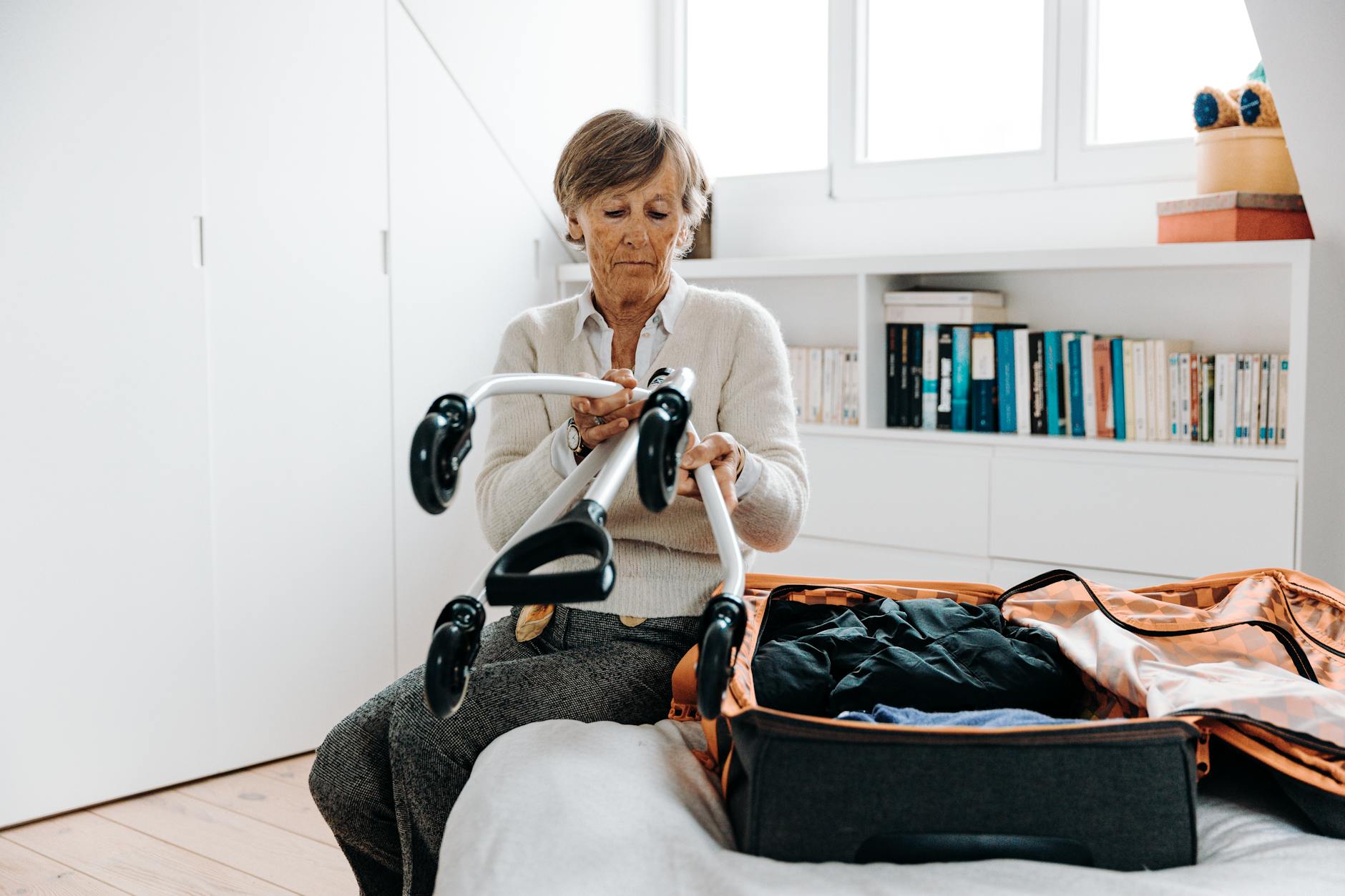
Assistive devices are valuable tools, but they come with limitations that are specific to dementia. A standard rollator walker, for example, requires the user to remember to engage the brakes before sitting down, a step that someone with moderate dementia may forget. Four-wheeled walkers can roll away as the person tries to sit, causing a backward fall that is often worse than the fall the walker was meant to prevent. For this reason, many occupational therapists recommend two-wheeled walkers or pickup frames for people with dementia, since these require the user to lift the device to move it forward, which naturally slows the pace and provides more stability. Wheelchairs introduce their own set of problems. Self-propelling a manual wheelchair requires upper body strength and the cognitive ability to steer, avoid obstacles, and operate wheel locks. Most people with moderate to advanced dementia cannot do this safely.
Transport wheelchairs pushed by a caregiver are more practical but remove the person’s autonomy entirely. Reclining wheelchairs with pressure-relieving cushions become necessary in advanced stages to manage positioning and prevent skin breakdown. One commonly overlooked issue is that prolonged wheelchair sitting without repositioning can cause sacral pressure ulcers in as little as two hours, so a turning and repositioning schedule is essential from the moment regular wheelchair use begins. Families should be warned against two common mistakes. First, buying an expensive power wheelchair for someone with dementia is rarely appropriate because the cognitive demands of operating the joystick safely exceed what most people with moderate or advanced disease can manage. Second, relying entirely on a wheelchair too early, when the person could still walk with assistance, removes the physical activity that is keeping their remaining muscles functional. The goal is to match the assistive device to the person’s current ability, not their worst day, and to reassess as the disease progresses.
Managing Mobility in Late-Stage Dementia
In the final stage of dementia, the focus shifts from preserving walking to preventing the complications of immobility. The person is typically bedbound or able to sit in a specialized chair with full assistance for transfers. Caregivers must manage skin integrity, respiratory function, and joint range of motion. Pressure-relieving mattresses, regular repositioning every two hours, and gentle passive range-of-motion exercises can prevent contractures and pressure injuries. Even small movements matter.
A physical therapist can teach family caregivers how to perform gentle stretches of the arms, legs, and trunk that maintain some flexibility and reduce pain. One often-neglected aspect of late-stage care is the positioning of the person during transfers. Using a mechanical lift, such as a Hoyer lift, is far safer than attempting manual transfers for both the person with dementia and the caregiver. Back injuries among family caregivers are extremely common and are one of the top reasons that in-home care becomes unsustainable. Many families resist using a lift because it feels institutional or undignified, but the alternative, a dropped transfer that injures both parties, is far worse. Hospice and home health agencies can provide training and sometimes equipment loans for families navigating this transition.
What Research Offers for the Future of Mobility in Dementia Care
Emerging research is exploring whether early gait analysis could serve as a screening tool for dementia itself. Studies using wearable sensors and smart flooring have shown that changes in stride length, walking speed, and gait variability can appear years before cognitive symptoms are clinically apparent. If validated, these tools could enable earlier diagnosis and intervention, potentially extending the period of preserved mobility. Technology is also advancing in the assistive device space.
Smart walkers equipped with obstacle detection and navigation cues are being tested in research settings. Robotic exoskeletons, while still largely experimental and prohibitively expensive, may eventually help people with neurological disease maintain upright mobility longer. In the near term, though, the most impactful advances are likely to be in care protocols rather than gadgets: better fall prevention programs, more widespread access to physical therapy for people with dementia, and training for caregivers on safe transfer techniques. The gap between what research shows works and what families actually receive remains wide, and closing it would do more to preserve mobility in dementia than any single technological innovation.
Conclusion
Walking decline in dementia is progressive but not entirely unpredictable. It generally moves from subtle gait changes in the early stage, through frequent falls and need for assistive devices in the middle stage, to complete immobility in the late stage. The type of dementia, coexisting medical conditions, medications, and the level of physical activity all influence how quickly this progression unfolds.
Falls are the single greatest threat to mobility and independence, and preventing them requires a combination of home modifications, exercise, medication review, and honest reassessment of assistive device needs as the disease advances. Families who understand this trajectory can plan ahead rather than react in crisis. Installing grab bars before the first fall, starting a walking program while the person can still participate, learning safe transfer techniques before they are urgently needed, and having candid conversations with the care team about when wheelchair use is appropriate are all steps that can be taken well in advance. None of this stops the disease, but it can meaningfully extend the period of safe, supported mobility and reduce the suffering caused by preventable injuries along the way.
Frequently Asked Questions
At what stage of dementia do people stop walking?
Most people with Alzheimer’s disease lose the ability to walk independently during the late-middle to late stage, typically five to eight years after diagnosis, though this varies widely. People with Lewy body dementia may experience significant walking problems much earlier.
Can exercise really slow mobility decline in dementia?
Yes, structured exercise programs that include balance training and leg strengthening have been shown to reduce fall rates and maintain walking ability longer. The benefits are most pronounced when exercise begins early and is performed consistently, at least three times per week.
Should I get my parent a walker or a wheelchair?
This depends on their current ability. If they can still walk but are unsteady, a walker is appropriate and helps preserve remaining strength. If they can no longer bear weight safely, a wheelchair may be necessary. A physical therapist or occupational therapist can assess which device best matches their current function.
Why does my loved one freeze in doorways?
Freezing of gait is caused by the brain’s difficulty processing spatial transitions. Doorways, thresholds, and narrow passages create a visual and cognitive challenge that can temporarily halt forward movement. Strategies like placing colored tape on the floor to create visual stepping cues, or using rhythmic verbal prompts like “one, two, one, two,” can sometimes help.
How do I prevent falls at night?
Night falls are among the most common and dangerous. Install motion-activated night lights along the path from bedroom to bathroom, remove any obstacles in the hallway, consider a bedside commode to eliminate the walk entirely, and review evening medications that may cause drowsiness or low blood pressure upon standing.
Is it normal for someone with dementia to refuse to walk even when they physically can?
Yes. Fear of falling, depression, apathy related to the disease process, or pain that the person cannot articulate can all cause someone to refuse to walk even when they retain the physical ability. A medical evaluation should rule out treatable causes like pain, infection, or medication side effects before assuming the refusal is purely behavioral.
You Might Also Like
- Nighttime Decline in Dementia: Why Evenings Are Harder
- White Matter Disease and Dementia: A Progression Guide
- Swallowing Difficulties in Late-Stage Dementia: A Timeline
For more, see NIH MedlinePlus — dementia.