Dementia decline sits at the center of this dementia and brain health question.
Yes, the connection between losing a spouse and accelerated cognitive decline is real and backed by substantial evidence. A meta-analysis of 15 studies covering more than 800,000 people found that widowed individuals are 20 percent more likely to develop dementia over the following 3 to 15 years compared to those who remain married. But the relationship is more complicated than a simple cause-and-effect story. Grief does not appear to cause dementia outright.
Instead, spousal loss accelerates decline in people already at biological risk, unmasks cognitive impairment that a caregiving spouse had been quietly compensating for, and strips away the social and cognitive scaffolding that marriage provides. Consider a woman whose husband managed the household finances, reminded her of appointments, and kept their social calendar full. When he dies, her memory lapses — previously covered by his support — suddenly become visible to doctors, family, and neighbors. This article examines what the research actually shows about dementia and widowhood, including the striking short-term spike in diagnosis rates, how grief physically damages the brain through stress hormones, why men and women experience cognitive decline differently after loss, and what protective steps families and caregivers can take. Not every widowed person faces accelerated decline, and understanding the nuances can make a meaningful difference in outcomes.
Table of Contents
- Does Losing a Spouse Actually Accelerate Dementia Decline?
- The 43 Percent Spike — Why Dementia Diagnoses Surge Immediately After Loss
- How Grief Physically Damages the Brain
- What Families and Caregivers Can Do to Protect a Widowed Loved One
- Gender Differences in Cognitive Decline After Spousal Loss
- When Grief Looks Like Dementia but Is Not
- What Future Research May Reveal
- Conclusion
- Frequently Asked Questions
Does Losing a Spouse Actually Accelerate Dementia Decline?
The short answer is that it can, particularly in people who already carry biological risk factors. A study from the Harvard Aging Brain Study, published in JAMA Network Open in February 2020, tracked 257 older adults and measured their levels of beta-amyloid, a protein linked to Alzheimer’s disease. Among participants with high beta-amyloid levels, those who were widowed declined cognitively at nearly three times the rate of married participants with the same biomarker levels. In other words, the biological seeds of Alzheimer’s were present in both groups, but widowhood seemed to pour accelerant on the fire. This does not mean that grief flips a switch and creates dementia where none existed.
Research from Optoceutics and other sources indicates that the stress and turmoil of grief more likely reveals previously unrecognized cognitive impairment rather than independently triggering a new disease process. Marriage provides cognitive stimulation, expanded social networks, emotional support, and shared daily routines — all factors known to be protective against cognitive decline. When a spouse dies, these resources vanish simultaneously. A retired man whose wife organized their meals, medications, and social life may appear to decline rapidly after her death, but in many cases the decline was already underway. She was simply holding the pieces together.

The 43 Percent Spike — Why Dementia Diagnoses Surge Immediately After Loss
One of the most striking findings comes from a UK-based cohort study conducted by researchers at the London School of Hygiene and Tropical Medicine. Using routine health data, they found a 43 percent increased risk of dementia diagnosis in the three months immediately following a partner’s death. That is a dramatic surge, and it demands careful interpretation. The researchers themselves caution that this short-term spike likely reflects bereavement unmasking previously undiagnosed dementia rather than grief somehow causing rapid-onset neurodegeneration.
When one spouse has been quietly compensating for the other’s cognitive struggles — finishing sentences, managing logistics, covering for missed appointments — the surviving partner’s impairment becomes suddenly and starkly apparent once that support disappears. Family members, doctors, and social workers who interact with the newly widowed person notice problems that were invisible before. Importantly, over longer follow-up periods, bereaved individuals were actually less likely to have a dementia diagnosis in health records than non-bereaved individuals, suggesting that the initial spike is largely a detection effect. However, if a surviving spouse was already showing subtle signs of cognitive trouble before the loss — forgetting familiar routes, struggling with word-finding, repeating questions — families should not assume the post-bereavement decline is purely grief-related. That 43 percent spike represents real people receiving real diagnoses, and early intervention matters regardless of whether the underlying process started before or after the loss.
How Grief Physically Damages the Brain
Beyond the social and practical losses of widowhood, grief exacts a direct biological toll on the brain. Bereavement elevates cortisol, the body’s primary stress hormone. Sustained high cortisol levels can harm brain cells and reduce hippocampal function — the hippocampus being the brain region most critical for forming and retrieving memories. Research published in PMC has documented that spouse bereavement may also increase cerebrovascular injury, particularly in older individuals whose blood vessels are already compromised by age and chronic disease. The inflammation pathway adds another layer of damage. Individuals experiencing intense grief after a spouse’s death showed up to 17 percent higher levels of bodily inflammation compared to non-bereaved peers, according to research highlighted by University Hospitals.
Chronic inflammation is linked not only to increased risk of heart attack and stroke but also to accelerated neurodegeneration. A 75-year-old man grieving his wife of 50 years is not just sad. His body is flooded with stress hormones, his inflammation markers are elevated, his sleep is disrupted, and his brain — already aging — is absorbing damage from multiple directions simultaneously. This helps explain the so-called “Widowhood Effect” on mortality. Surviving spouses are up to 66 percent more likely to die within the first three months after their partner’s death. Men face a particularly steep 70 percent higher mortality risk, while women face a 27 percent higher risk. The brain does not exist in isolation from the body, and the cascading health effects of bereavement create conditions ripe for cognitive deterioration.
What Families and Caregivers Can Do to Protect a Widowed Loved One
Knowing the risks is only useful if it translates into action. The most important step families can take is to increase social engagement and cognitive stimulation in the weeks and months following a spouse’s death. This is not about keeping someone busy to distract them from grief. It is about replacing some of the protective factors that marriage provided — conversation, routine, shared problem-solving, and a reason to get out of bed. A structured daily routine matters more than most people realize. When a spouse dies, the surviving partner often loses not just companionship but the entire architecture of their day. Meals become irregular.
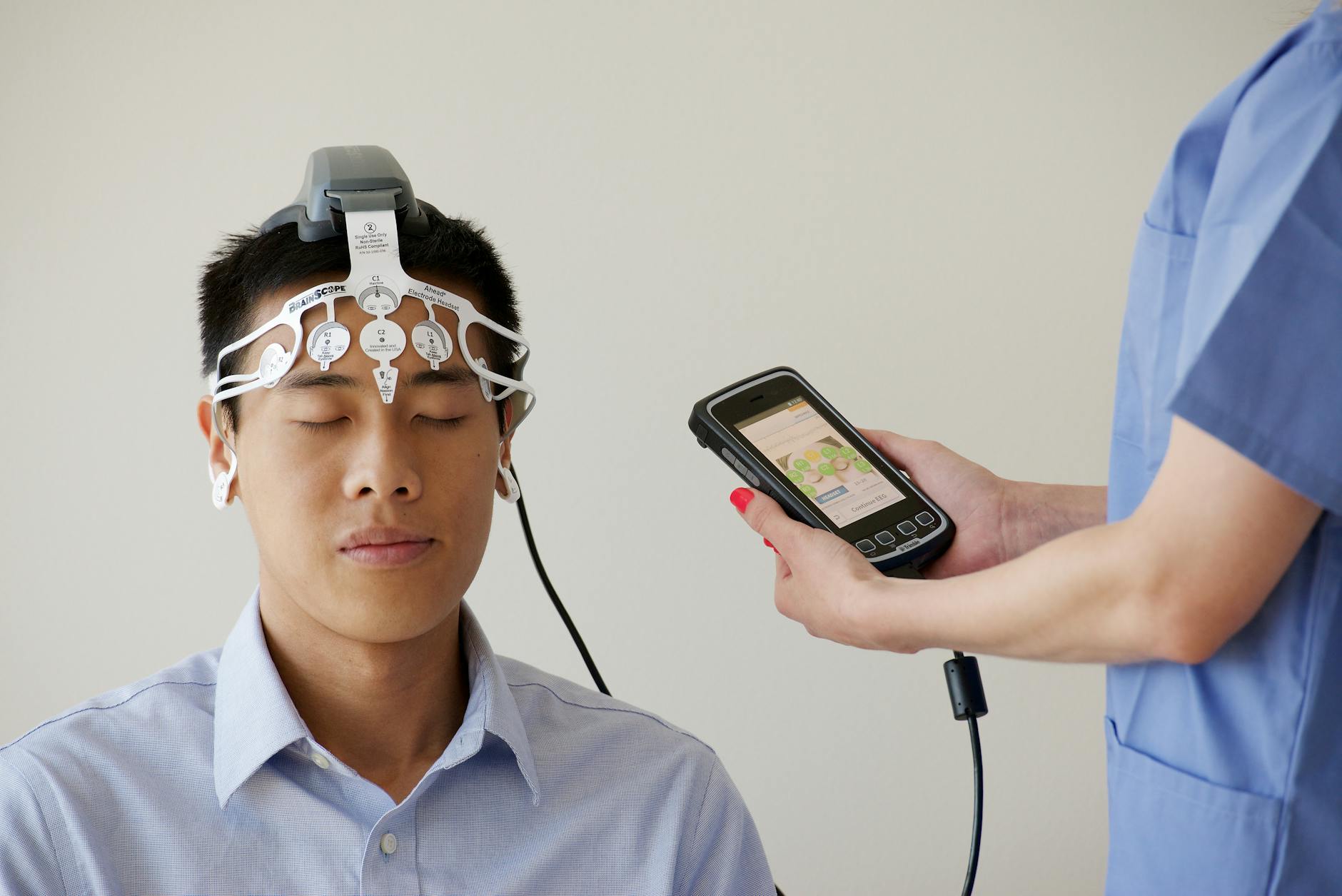
Sleep schedules drift. Medications get missed. Adult children or close friends who can help establish a new rhythm — even something as simple as a daily phone call at the same time, a weekly lunch, or a standing appointment at a senior center — are providing genuine cognitive protection, not just emotional comfort. The tradeoff here is between respecting the bereaved person’s need for space and recognizing that prolonged isolation compounds the very risks that make this period so dangerous. A baseline cognitive assessment shortly after the loss is also worth pursuing, even though it can feel intrusive during a period of grief. If a surviving spouse was already experiencing subtle decline that their partner had been masking, catching it early opens the door to interventions — medication, therapy, structured support — that can slow progression. Waiting until the decline becomes unmistakable often means waiting too long.
Gender Differences in Cognitive Decline After Spousal Loss
Men and women do not experience the same patterns of cognitive decline after losing a spouse, and understanding these differences matters for tailoring support. The AGES-Reykjavik Study, a longitudinal investigation spanning a decade, found that men who lost a spouse showed greater decline on Mini-Mental State Examination scores over 10 years compared to men who remained married. The specific cognitive domains affected also diverged by gender. Women showed declines in short-term memory, semantic memory, and numeracy. Men showed declines in working memory and focus of attention. These differences likely reflect the different roles spouses play in each other’s cognitive lives. In many older couples, one partner manages certain domains — finances, navigation, social planning — while the other handles different responsibilities.
When that division of labor collapses, the surviving spouse is suddenly forced to use cognitive capacities they may not have exercised in years or decades. A widowed man who never cooked, managed medications, or organized household logistics faces a sudden cognitive demand in unfamiliar territory. A widowed woman who never handled finances or home maintenance confronts a parallel challenge. The limitation here is important: these are population-level patterns, not individual predictions. A 2024 study published in Innovation in Aging by Oxford Academic found that cognitive decline after marital loss is not universal. Outcomes depend heavily on pre-loss relationship quality, the strength of existing social support networks, and individual resilience. A person with strong friendships, independent hobbies, and a history of managing their own affairs may weather widowhood with minimal cognitive impact. Someone whose entire social and cognitive world revolved around their spouse faces substantially greater risk.

When Grief Looks Like Dementia but Is Not
Clinicians and families should be aware that acute grief can mimic many symptoms of dementia without representing true neurodegeneration. A grieving person may be forgetful, disoriented, unable to concentrate, and confused about dates and times. They may neglect personal care, lose interest in activities, and struggle to follow conversations. These symptoms can look alarmingly like the early stages of Alzheimer’s disease, but they may resolve as the acute grief response subsides over weeks and months.
The danger runs in both directions. Dismissing genuine cognitive decline as “just grief” can delay diagnosis and treatment. But rushing to label a grieving person with dementia can lead to unnecessary medications, loss of autonomy, and psychological harm. A thorough neuropsychological evaluation — ideally conducted several months after the loss, once the most acute grief has passed — is the most reliable way to distinguish between grief-related cognitive disruption and true dementing illness. Family members who notice that a widowed loved one’s confusion and forgetfulness are worsening rather than improving over the first six months should advocate firmly for formal assessment.
What Future Research May Reveal
The science connecting spousal loss and dementia is still evolving. Researchers are increasingly interested in whether targeted interventions during the bereavement period — grief counseling, cognitive rehabilitation, anti-inflammatory medications, or structured social programs — can measurably reduce dementia risk in widowed older adults. The 2024 Innovation in Aging study pointing to resilience and social support as key moderating factors suggests that not all risk is fixed at the moment of loss.
There may be a meaningful intervention window. What is already clear is that widowhood represents a critical juncture in brain health, particularly for people over 65. The convergence of elevated cortisol, increased inflammation, lost cognitive stimulation, disrupted routines, and unmasked pre-existing impairment creates a period of genuine vulnerability. Treating bereavement as purely an emotional event, rather than a medical and cognitive risk factor, is a gap that healthcare systems are only beginning to address.
Conclusion
The evidence is consistent and substantial. Losing a spouse does not cause dementia in the way that a virus causes an infection, but it creates conditions that accelerate decline in those already at risk, unmask impairment that was previously hidden, and strip away the protective factors that help aging brains stay resilient. The 20 percent increased long-term risk, the 43 percent short-term diagnostic spike, the tripled rate of decline in people with Alzheimer’s biomarkers — these are not abstract statistics. They represent millions of older adults navigating one of life’s most devastating transitions while their brains are under siege from stress, inflammation, and isolation.
Families, caregivers, and clinicians who understand these risks can intervene meaningfully. Maintaining social connection, establishing new daily routines, pursuing cognitive assessment when symptoms appear, and recognizing that grief is a whole-body event — not just an emotional one — are concrete steps that can change outcomes. No one can eliminate the pain of losing a life partner. But the cognitive consequences of that loss are not entirely inevitable, and the sooner support is put in place, the better the chances of preserving the mental capacity that remains.
Frequently Asked Questions
Can grief directly cause dementia?
Current research indicates that grief does not independently cause dementia as a new disease process. However, the chronic stress, elevated cortisol, inflammation, and loss of cognitive stimulation associated with bereavement can accelerate decline in people who already have underlying risk factors such as high beta-amyloid levels.
Why do so many people get diagnosed with dementia right after their spouse dies?
A UK study found a 43 percent increased risk of dementia diagnosis within three months of a partner’s death. Researchers believe this largely reflects unmasking — the deceased spouse had been compensating for the surviving partner’s cognitive symptoms, and once that support was removed, the impairment became visible to healthcare providers and family members.
Are men or women more affected by cognitive decline after losing a spouse?
Both are affected, but in different ways. The AGES-Reykjavik Study found that men showed greater overall decline on standardized cognitive tests over 10 years. Women experienced declines in short-term memory, semantic memory, and numeracy, while men showed declines in working memory and attention. Men also face a 70 percent higher mortality risk in the first three months of widowhood, compared to 27 percent for women.
How long does the increased risk of cognitive decline last after losing a spouse?
The most acute risk period appears to be the first three to six months. However, the meta-analysis of over 800,000 people found a 20 percent elevated dementia risk persisting over 3 to 15 years of follow-up, suggesting that some risk factors — particularly lost social stimulation and disrupted routines — have long-lasting effects if not addressed.
Is cognitive decline after spousal loss inevitable?
No. A 2024 study in Innovation in Aging found that outcomes depend on pre-loss relationship quality, existing social support networks, and individual resilience. People with strong independent social connections and cognitive engagement outside their marriage may experience minimal additional decline.
What is the most important thing a family can do for a recently widowed parent?
Increase structured social contact and help establish new daily routines. Regular visits, phone calls at consistent times, involvement in community activities, and assistance with tasks the deceased spouse previously managed can help replace some of the cognitive and social protection that marriage provided. A baseline cognitive assessment within the first few months is also advisable.
You Might Also Like
- Can Dementia Stabilize? When Cognitive Decline Plateaus
- UTIs and Sudden Dementia Decline: The Surprising Connection
- Traumatic Brain Injury and Dementia Risk: Long-Term Outlook
For more, see Alzheimer’s Association — caregiving.