Diabetes accelerates dementia progression by roughly 50 to 80 percent compared to dementia patients without diabetes, depending on the type of dementia and how well blood sugar is managed. A person with Alzheimer’s disease who also has poorly controlled type 2 diabetes may lose cognitive function in three to five years at a rate that would typically take six to ten years in someone without diabetes. The mechanism is not a single pathway but a cascade: chronic hyperglycemia damages blood vessels in the brain, promotes inflammation, disrupts insulin signaling that neurons depend on for survival, and accelerates the buildup of amyloid plaques and tau tangles. The combination is so potent that some researchers have informally called Alzheimer’s disease “type 3 diabetes,” though that label remains controversial.
This faster decline is not inevitable. The speed at which diabetes worsens dementia depends on several modifiable factors, including glycemic control, blood pressure management, physical activity, and how early intervention begins. A 2022 longitudinal study published in Diabetes Care followed over 3,000 older adults and found that those with an HbA1c consistently above 8 percent experienced cognitive decline at nearly twice the rate of diabetic participants whose HbA1c stayed below 7 percent. This article examines the biological mechanisms behind the diabetes-dementia connection, what the research says about progression timelines, how different types of diabetes and dementia interact, and what caregivers and patients can do to slow the trajectory.
Table of Contents
- Why Does Diabetes Speed Up Dementia Decline?
- How Dementia Type Changes the Diabetes-Progression Equation
- What Happens in the Brain During Combined Diabetes and Dementia
- Managing Blood Sugar to Slow Cognitive Decline
- Why Hypoglycemia May Be as Dangerous as High Blood Sugar
- The Role of Diet and Exercise in Dual Management
- What New Research Suggests About Future Treatment
- Conclusion
- Frequently Asked Questions
Why Does Diabetes Speed Up Dementia Decline?
The brain consumes about 20 percent of the body’s glucose despite making up only 2 percent of body weight, which makes it exceptionally vulnerable to metabolic dysfunction. In type 2 diabetes, two things go wrong simultaneously: the body produces too much insulin trying to overcome cellular resistance, and blood glucose levels remain chronically elevated. Both conditions directly damage the brain. Excess insulin in the bloodstream competes with amyloid-beta for the same degrading enzyme, insulin-degrading enzyme. When that enzyme is busy clearing insulin, amyloid-beta accumulates faster. Meanwhile, high blood sugar causes glycation of proteins and lipids, producing advanced glycation end products that trigger inflammatory responses in brain tissue, killing neurons and degrading white matter connections. The vascular damage compounds the neurodegenerative damage. Diabetes is fundamentally a vascular disease, and the brain’s vast network of tiny blood vessels is among the first to suffer. Small vessel disease caused by diabetes reduces blood flow to regions critical for memory and executive function, particularly the hippocampus and prefrontal cortex.
A person who already has early-stage Alzheimer’s and then develops restricted blood flow to these areas faces a kind of double injury. Consider two 72-year-old women diagnosed with mild cognitive impairment at the same time. One has well-controlled diabetes, the other has no metabolic issues. Research from the Mayo Clinic suggests the diabetic patient is likely to convert to full Alzheimer’s dementia 1.5 to 2 years sooner. That gap only widens with poor glycemic control. There is also a direct neurotoxic effect of glucose fluctuations that researchers have only recently begun to appreciate. It is not just sustained high blood sugar that causes damage but the swings between high and low glucose levels. Studies using continuous glucose monitors in older adults have shown that glycemic variability, the frequency and magnitude of blood sugar spikes and crashes, correlates with faster hippocampal atrophy independent of average glucose levels. This means that a diabetic patient whose blood sugar swings wildly between 80 and 300 mg/dL may fare worse cognitively than one with a steady but moderately elevated level of 180 mg/dL.

How Dementia Type Changes the Diabetes-Progression Equation
Not all dementias respond to diabetes in the same way. Vascular dementia, which results from impaired blood flow to the brain, has the most direct and dramatic relationship with diabetes. Because diabetes is itself a disease of blood vessels, having both conditions is essentially a compounding injury to the same system. People with vascular dementia and uncontrolled diabetes often experience a stepwise decline, where each small stroke or transient ischemic event drops them to a new, lower cognitive baseline. Diabetes increases the frequency of these events. A study in The Lancet Neurology found that diabetic patients with vascular dementia had roughly double the rate of cognitive decline measured on the mmse compared to non-diabetic vascular dementia patients over a five-year period. Alzheimer’s disease progression is also accelerated by diabetes, but through different mechanisms and at a somewhat slower relative rate.
The insulin resistance and amyloid competition pathway described above is the primary driver. However, the relationship is complicated by the fact that Alzheimer’s itself may impair the brain’s ability to use insulin, creating a feedback loop. Recent PET imaging studies have shown that Alzheimer’s patients with concurrent diabetes have greater tau accumulation in the temporal lobes than those without diabetes, even when matched for disease stage. This suggests diabetes is not merely adding vascular injury on top of neurodegeneration but is actively worsening the core Alzheimer’s pathology. However, if a patient has Lewy body dementia or frontotemporal dementia, the evidence for diabetes as an accelerator is weaker and more mixed. These dementias involve different protein aggregations and affect different brain regions, and the metabolic-vascular damage of diabetes may be less central to their progression. Caregivers should be cautious about assuming that aggressive blood sugar management will meaningfully slow all types of dementia equally. The strongest evidence exists for vascular and Alzheimer’s dementias, and treatment priorities should reflect that distinction.
What Happens in the Brain During Combined Diabetes and Dementia
At the cellular level, the combination of diabetes and dementia creates an environment of sustained neuroinflammation that is far worse than either condition alone. Microglia, the brain’s immune cells, become chronically activated by both amyloid plaques and the inflammatory byproducts of hyperglycemia. In a healthy brain, microglia clear debris and damaged neurons efficiently. In a brain dealing with both Alzheimer’s pathology and diabetic damage, microglia shift into a persistently pro-inflammatory state, releasing cytokines that damage surrounding healthy neurons. A 2023 study from the Karolinska Institute used postmortem brain tissue to show that Alzheimer’s patients with diabetes had roughly 40 percent more activated microglia in the hippocampus than Alzheimer’s patients without diabetes. The blood-brain barrier also deteriorates faster when both conditions are present. Diabetes damages the endothelial cells that form this barrier, allowing toxins, inflammatory molecules, and even bacteria from the bloodstream to enter brain tissue.
A compromised blood-brain barrier accelerates every aspect of neurodegeneration. For example, a 68-year-old man with type 2 diabetes and early Alzheimer’s may experience a urinary tract infection, a common event in older diabetic patients. The systemic inflammation from that infection can cross a weakened blood-brain barrier and trigger a dramatic, sometimes permanent, cognitive decline. Caregivers frequently report that their loved one “was never the same after that hospital stay,” and the diabetes-damaged blood-brain barrier is a key reason why infections and surgeries can cause such outsized cognitive setbacks. The white matter of the brain, the insulated wiring that connects different brain regions, is another casualty. MRI studies consistently show that diabetic patients have more extensive white matter hyperintensities, markers of small vessel damage and demyelination. In someone with dementia, this white matter damage slows processing speed, disrupts the coordination between brain regions needed for complex thinking, and contributes to the gait instability and falls that become increasingly common as dementia advances.
Managing Blood Sugar to Slow Cognitive Decline
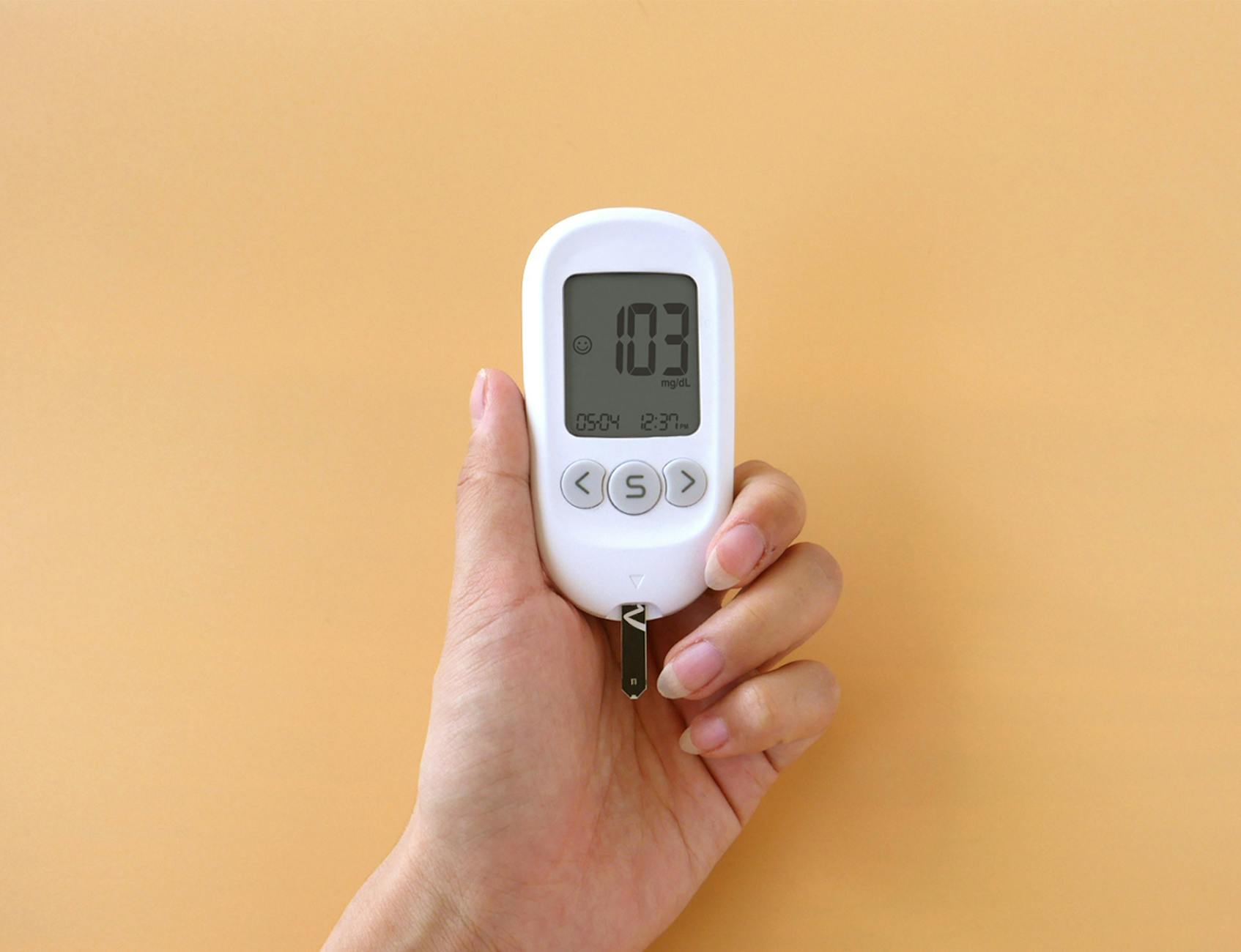
The most actionable lever for slowing dementia progression in diabetic patients is glycemic control, but the target is not as aggressive as many assume. Multiple studies, including the landmark ACCORD-MIND trial, have shown that driving HbA1c below 6 percent in older adults with established diabetes actually increases the risk of severe hypoglycemic episodes, which themselves cause acute brain damage. The sweet spot for neuroprotection appears to be an HbA1c between 7 and 7.5 percent for most older adults with dementia. Tight enough to prevent chronic hyperglycemic damage, loose enough to avoid dangerous lows. Medication choice matters as well. Metformin, the most commonly prescribed diabetes drug, has shown intriguing neuroprotective effects in several observational studies. A large Taiwanese cohort study found that diabetic patients taking metformin had a 35 percent lower risk of developing dementia compared to those on other glucose-lowering medications.
The proposed mechanism is that metformin activates AMPK, an enzyme that reduces inflammation and promotes autophagy, the cellular cleanup process that clears damaged proteins. However, caregivers should understand the tradeoff: metformin can cause gastrointestinal side effects and, in rare cases, vitamin B12 deficiency, which itself mimics and worsens dementia symptoms. Regular B12 monitoring is essential for any dementia patient on long-term metformin therapy. Newer GLP-1 receptor agonists like semaglutide and liraglutide have generated significant interest. Clinical trials testing liraglutide specifically for Alzheimer’s disease have shown modest improvements in cerebral glucose metabolism. These drugs reduce blood sugar and body weight while also appearing to reduce brain inflammation directly. They are not yet approved specifically for dementia treatment, but for diabetic patients who also have cognitive decline, they represent a dual-benefit option worth discussing with a physician. The comparison is meaningful: sulfonylureas, an older class of diabetes drugs, can cause frequent hypoglycemia and have been associated with increased dementia risk in some studies, making them a less desirable choice for this population.
Why Hypoglycemia May Be as Dangerous as High Blood Sugar
One of the most underappreciated risks in managing diabetes alongside dementia is hypoglycemia, episodes where blood sugar drops below 70 mg/dL. Severe hypoglycemia starves the brain of its primary fuel and can cause immediate neuronal death, particularly in the hippocampus. A single severe hypoglycemic episode requiring emergency treatment has been associated with a twofold increase in subsequent dementia risk in previously cognitively normal adults. For someone who already has dementia, such an episode can cause a stepwise decline that mimics a stroke. The danger is amplified by dementia itself. As cognitive function declines, patients become less able to recognize and communicate the symptoms of low blood sugar, such as shakiness, confusion, and sweating. A person with moderate Alzheimer’s disease may not be able to articulate that they feel “off” or remember to eat a snack.
Caregivers must be vigilant about monitoring for subtle signs: unusual irritability, sudden drowsiness, or an abrupt worsening of confusion that resolves after eating. Continuous glucose monitors can be invaluable in this population, but they come with their own challenges. The adhesive patches can irritate fragile elderly skin, and patients with dementia may pull at or remove the sensor. Despite these limitations, the data they provide about overnight glucose patterns and post-meal spikes is often worth the effort. The clinical dilemma is real: aggressive insulin regimens that minimize high blood sugar also increase hypoglycemia risk. For dementia patients, many geriatricians now recommend simplifying diabetes regimens rather than intensifying them. Switching from a sliding-scale insulin protocol to a once-daily long-acting insulin, or replacing sulfonylureas with medications that do not cause hypoglycemia, can reduce the risk of dangerous lows without allowing blood sugar to rise to harmful levels.

The Role of Diet and Exercise in Dual Management
The FINGER trial, a large Finnish randomized controlled trial, demonstrated that a combined intervention of diet, exercise, cognitive training, and vascular risk management reduced cognitive decline by 25 percent in at-risk older adults. For people managing both diabetes and early dementia, similar multimodal approaches have shown benefit. A Mediterranean-style diet, rich in olive oil, fish, vegetables, and nuts while low in refined carbohydrates, simultaneously improves insulin sensitivity and provides anti-inflammatory compounds that protect the brain. In a practical example, replacing a breakfast of white toast and orange juice, which causes a rapid glucose spike, with eggs, avocado, and berries can meaningfully reduce glycemic variability while providing brain-supportive nutrients like omega-3 fatty acids and anthocyanins.
Exercise may be the single most powerful non-pharmacological intervention available. Walking for 30 minutes five times per week has been shown to improve insulin sensitivity by up to 25 percent and increase hippocampal volume in older adults. For dementia patients who cannot sustain independent walking, even chair-based resistance exercises or supervised gentle movement improves both glucose uptake and cognitive test scores. The challenge is consistency: as dementia progresses, motivation and the ability to follow exercise routines decline. Structured programs, adult day centers with exercise components, and caregiver-led routines are more effective than expecting patients to exercise independently.
What New Research Suggests About Future Treatment
The most promising frontier in treating the diabetes-dementia overlap involves intranasal insulin delivery, which bypasses the blood-brain barrier and delivers insulin directly to the brain. Early clinical trials showed improvements in verbal memory and functional status in Alzheimer’s patients receiving intranasal insulin, with no effect on blood sugar levels. While a larger follow-up trial produced mixed results, subgroup analyses suggest that ApoE4-negative patients, roughly 60 percent of the Alzheimer’s population, may benefit significantly. Researchers at Wake Forest are continuing to refine dosing protocols and delivery devices.
Meanwhile, the recognition that metabolic health and brain health are deeply intertwined is shifting prevention strategies. Large-scale public health initiatives are beginning to target midlife diabetes and prediabetes not just as cardiovascular risks but as dementia risks. The implication for families dealing with diabetes is straightforward: every decade of uncontrolled diabetes in middle age increases the odds and likely the future severity of cognitive decline. Addressing insulin resistance at age 50 may be one of the most impactful things a person can do to protect their brain at 75. For those already managing both conditions, the evidence increasingly supports a coordinated care approach where endocrinologists, neurologists, and primary care physicians communicate actively rather than treating diabetes and dementia as separate problems.
Conclusion
Diabetes meaningfully accelerates dementia progression through multiple overlapping mechanisms: vascular damage, neuroinflammation, disrupted insulin signaling in the brain, amyloid accumulation, and blood-brain barrier breakdown. The evidence is strongest for vascular dementia and Alzheimer’s disease, where uncontrolled diabetes can nearly double the rate of cognitive decline. Yet much of this acceleration is modifiable. Maintaining an HbA1c between 7 and 7.5 percent, avoiding both severe hyperglycemia and dangerous hypoglycemic episodes, choosing diabetes medications with potential neuroprotective effects, and combining pharmacological management with diet and exercise all contribute to slowing the trajectory.
For caregivers and families, the practical takeaway is that diabetes management must be treated as a core component of dementia care, not a separate medical issue. Simplifying medication regimens to reduce hypoglycemia risk, monitoring for subtle blood sugar lows, maintaining consistent nutrition and physical activity, and ensuring coordination between specialists are all steps that can meaningfully slow progression. The research on intranasal insulin, GLP-1 receptor agonists, and metabolic-targeted therapies gives reason for cautious optimism that future treatments will address both conditions simultaneously. In the meantime, the best available strategy is disciplined, balanced metabolic management paired with the full spectrum of dementia-supportive care.
Frequently Asked Questions
Can treating diabetes reverse dementia symptoms?
No. Current evidence does not support reversal of established dementia through diabetes management alone. However, improving glycemic control can slow further decline and, in some cases, partially restore cognitive function that was impaired by acute hyperglycemia or hypoglycemia rather than permanent neurodegeneration.
Is type 1 diabetes as risky for dementia as type 2?
Type 1 diabetes also increases dementia risk, primarily through vascular damage and hypoglycemic episodes, but the association is less studied than type 2 diabetes. The insulin resistance and hyperinsulinemia that characterize type 2 diabetes appear to have additional neurodegenerative effects beyond what vascular damage alone explains.
Does prediabetes affect dementia progression?
Yes. Several studies have shown that even prediabetic levels of insulin resistance are associated with reduced hippocampal volume and worse performance on memory tests. Addressing prediabetes before it progresses to full diabetes may be one of the most impactful early interventions for brain health.
Should dementia patients stop taking insulin because of hypoglycemia risk?
No, but insulin regimens should be simplified and individualized. Many geriatricians recommend switching from complex sliding-scale protocols to once-daily long-acting insulin with less strict glucose targets. Stopping insulin entirely in a patient who needs it would allow dangerously high blood sugar, which also damages the brain.
How often should blood sugar be monitored in a dementia patient with diabetes?
This depends on the medication regimen and stage of dementia. Patients on insulin or sulfonylureas should ideally have glucose checked before meals and at bedtime. Continuous glucose monitors are increasingly recommended for dementia patients because they reduce the need for finger sticks and provide alerts for dangerous highs and lows, especially overnight.