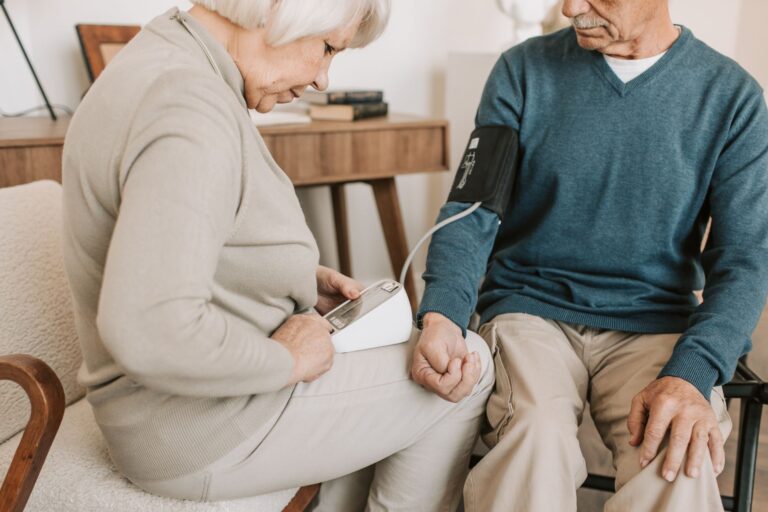
No, you cannot predict with precision how fast dementia will progress in any single individual, but clinicians and researchers have identified a range of factors that make reasonable estimates possible. The honest answer is that dementia progression varies enormously from person to person. Someone diagnosed with Alzheimer’s disease at age 72 might decline gradually over eight to twelve years, while another person diagnosed at the same age with the same type of dementia might reach late-stage symptoms in three to four years. The tools available today, including cognitive assessments, brain imaging, genetic markers, and clinical staging systems, can place someone within a general trajectory, but they cannot draw a reliable timeline with the kind of certainty families desperately want.
What makes prediction so difficult is that dementia is not one disease. It is an umbrella term covering Alzheimer’s disease, vascular dementia, Lewy body dementia, frontotemporal dementia, and several rarer forms, each with its own typical pace and pattern. Even within a single diagnosis, the biological reality inside one person’s brain differs from the next. This article examines the factors that influence progression speed, the staging tools doctors use, the role genetics and lifestyle play, what current research says about biomarkers, and the practical steps families can take when facing an uncertain future. A diagnosis of dementia almost always comes with the question: how long do we have? The sections ahead aim to give you the most honest, evidence-based framework for thinking about that question, including where the science is genuinely useful and where it falls short.
Table of Contents
- What Factors Determine How Fast Dementia Will Progress?
- How Doctors Use Staging Systems to Estimate Dementia Progression
- The Role of Biomarkers and Brain Imaging in Predicting Decline
- What Families Can Do When Facing an Uncertain Prognosis
- Why Rapid Decline Sometimes Catches Families Off Guard
- How Genetics Influence the Speed of Dementia Progression
- Where Dementia Prognosis Research Is Heading
- Conclusion
- Frequently Asked Questions
What Factors Determine How Fast Dementia Will Progress?
The speed of dementia progression depends on a combination of the dementia subtype, the age at onset, coexisting health conditions, and individual biological variability. Alzheimer’s disease, the most common form, typically progresses over a span of four to eight years after diagnosis, though some people live with it for twenty years. Vascular dementia, by contrast, often follows a “stepwise” pattern where function drops suddenly after a stroke or vascular event, then plateaus, then drops again. Frontotemporal dementia tends to progress faster in its behavioral variant, with many patients reaching severe impairment within six to eight years, while the language variants sometimes move more slowly. Lewy body dementia is notoriously unpredictable, with cognition fluctuating dramatically from day to day, making it difficult to even measure a consistent trajectory. Age at diagnosis matters more than many families realize.
Younger-onset dementia, diagnosed before age 65, frequently progresses faster than late-onset forms. A 58-year-old diagnosed with early-onset Alzheimer’s may experience a steeper cognitive decline over five years than an 80-year-old with the same disease. Researchers believe this relates to the underlying biology being more aggressive in younger cases, though the reasons are not fully understood. Coexisting conditions like diabetes, untreated high blood pressure, depression, and hearing loss can also accelerate decline, not because they cause dementia directly, but because they compound the brain’s burden and reduce its capacity to compensate. One factor that complicates any prediction is cognitive reserve, the brain’s ability to function despite damage. A person with higher education, a cognitively demanding career, or a lifetime of intellectual engagement may maintain function longer even as the underlying disease worsens. This can actually make prediction harder: they may appear stable for years, then decline rapidly once their reserve is exhausted, creating the illusion of sudden worsening when the disease had been advancing all along.

How Doctors Use Staging Systems to Estimate Dementia Progression
Clinicians rely on staging tools to place a patient along the dementia continuum, and these stages form the basis of most prognostic conversations. The most widely used framework is the Global Deterioration Scale, also known as the Reisberg Scale, which divides dementia into seven stages from no impairment to very severe cognitive decline. The Functional Assessment Staging Tool, or FAST, is another common system that focuses on the loss of daily living abilities rather than cognitive test scores. A person in FAST stage 5, for instance, needs help choosing appropriate clothing but can still eat independently, while someone in stage 7 has lost the ability to speak more than a few words and requires total care. These staging systems are useful for general guidance, but they have significant limitations.
The stages were developed primarily around Alzheimer’s disease, so they do not map neatly onto other forms of dementia. Someone with Lewy body dementia might retain conversational language well into the disease while losing the ability to walk, a pattern that does not fit the typical Alzheimer’s stage sequence. Similarly, frontotemporal dementia patients may show severe personality and behavioral changes while still performing well on standard memory tests, placing them in an early stage by one measure and a late stage by another. However, if a clinician sees that a patient has moved from stage 5 to stage 6 on the FAST scale within twelve months, that rate of change itself becomes informative. Tracking the pace of transition between stages over time is often more useful than any single assessment. Families should ask their doctor not just what stage their loved one is in, but how quickly they moved from the previous stage, because that velocity of change carries more predictive value than a snapshot.
The Role of Biomarkers and Brain Imaging in Predicting Decline
In the past decade, advances in brain imaging and fluid biomarkers have given researchers new tools to estimate how quickly dementia may progress, though these tools remain imperfect. MRI scans can measure hippocampal volume, the size of the brain’s primary memory center, and the rate at which it is shrinking. A person whose hippocampus is atrophying at twice the normal rate for their age is statistically more likely to progress faster, though individual exceptions are common. PET scans that detect amyloid plaques and tau tangles can reveal how much pathology has accumulated, and tau PET in particular has shown strong correlations with the location and severity of cognitive symptoms. Cerebrospinal fluid and blood-based biomarkers are also gaining traction. Elevated levels of phosphorylated tau, or p-tau, in blood tests have been linked to faster progression in Alzheimer’s disease.
Neurofilament light chain, a marker of nerve cell damage, is elevated across multiple dementia types and tends to be higher in people who decline more quickly. For example, a 2023 study published in Nature Medicine found that plasma p-tau217 levels could distinguish fast progressors from slow progressors with moderate accuracy, giving clinicians a potential early warning signal. The critical limitation is that these biomarkers work best at the population level, meaning they can tell you that a group of people with high p-tau will, on average, decline faster. They cannot yet tell an individual patient or family exactly what the next two years will look like. Insurance coverage for advanced biomarker testing is also inconsistent, meaning many families never receive this level of assessment. The science is moving quickly, but the gap between research promise and clinical reality remains substantial.

What Families Can Do When Facing an Uncertain Prognosis
Given the uncertainty, the most practical approach for families is to plan for a range of scenarios rather than anchoring to a single predicted timeline. This means having legal and financial conversations early, including power of attorney, advance directives, and long-term care funding, while the person with dementia can still participate in decisions. Waiting for a clearer prognosis before making these arrangements is one of the most common and costly mistakes families make, because by the time the trajectory becomes obvious, the window for meaningful participation has often closed. The tradeoff families face is between being too aggressive with planning, which can feel like giving up hope, and being too passive, which leaves everyone vulnerable.
One approach that works well in practice is what some geriatricians call “hope for the best, plan for the worst.” For instance, a family might continue pursuing cognitive engagement, physical exercise, and social connection, all of which have evidence supporting their role in maintaining function, while simultaneously consulting an elder law attorney and researching memory care communities. These two tracks are not contradictory; they are complementary. It is also worth asking the treating physician for a candid conversation about the range of likely outcomes, not just the average. A question like “In your experience, what does the best-case scenario look like, and what does the worst-case scenario look like for someone at this stage?” tends to elicit more useful guidance than “How long does my mother have?” The second question invites a single number that will almost certainly be wrong. The first question invites a range that can actually inform decisions.
Why Rapid Decline Sometimes Catches Families Off Guard
One of the most distressing experiences for families is when a person with dementia seems relatively stable for months or even years, and then suddenly worsens. This pattern is common and poorly understood by the public. In many cases, what appears to be sudden decline is actually the result of a treatable complication layered on top of existing dementia. Urinary tract infections, medication changes, dehydration, hospital stays, or the loss of a familiar caregiver can all cause delirium, a temporary but severe confusion that mimics rapid dementia progression. Distinguishing delirium from genuine disease advancement is essential because delirium is often reversible if the underlying cause is treated.
However, genuinely rapid progression does occur in certain dementia subtypes. Creutzfeldt-Jakob disease, though rare, can progress from first symptoms to death in under a year. Some forms of Alzheimer’s with a heavy posterior cortical atrophy pattern may also decline faster than the typical amnestic presentation. Posterior cortical atrophy affects vision processing before memory, which means standard memory-focused staging tools underestimate severity. Families should be alert to any sudden change in function and report it immediately to a physician rather than assuming it is “just the dementia getting worse.” A sudden decline warrants medical investigation. The warning here is straightforward: accepting rapid change as inevitable without investigation means potentially treatable conditions go untreated, and the person suffers unnecessarily.
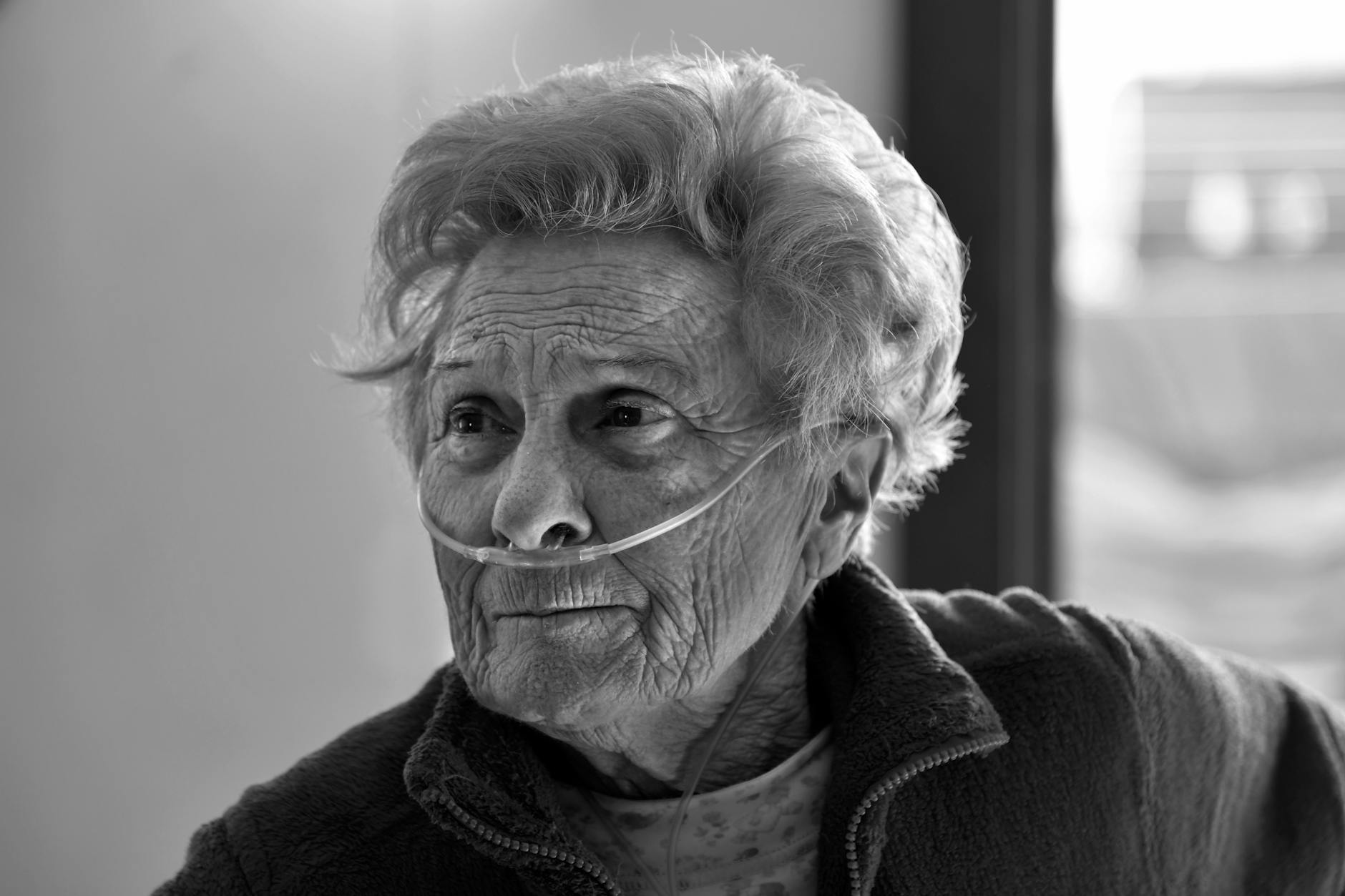
How Genetics Influence the Speed of Dementia Progression
Genetics plays a role in both the risk of developing dementia and how quickly it progresses, though the relationship is more nuanced than popular media suggests. The APOE e4 allele, the most well-known genetic risk factor for Alzheimer’s, increases susceptibility but does not reliably predict speed of decline. Some studies have found that people with two copies of APOE e4 progress somewhat faster, while others have found no significant difference in rate of decline once the disease is established. In contrast, rare autosomal dominant mutations in the APP, PSEN1, and PSEN2 genes, which cause familial Alzheimer’s, are associated with earlier onset and, in some families, a more predictable and often faster course.
For the vast majority of dementia cases, which are not caused by these rare mutations, genetics is one variable among many. A person with no family history of dementia can still progress rapidly, and someone with extensive family history can progress slowly. Genetic testing can be informative for research purposes and personal planning, but it should be interpreted with the help of a genetic counselor, not in isolation. The danger of over-interpreting a genetic result is that it can lead to either false reassurance or unnecessary despair, neither of which serves the patient or family well.
Where Dementia Prognosis Research Is Heading
The field of dementia prognostics is evolving toward more personalized prediction models that integrate multiple data points, including biomarkers, genetics, cognitive test trajectories, and digital health monitoring, into algorithms that estimate likely outcomes for individuals rather than populations. Machine learning models trained on large longitudinal datasets, such as the Alzheimer’s Disease Neuroimaging Initiative, have shown promising accuracy in predicting who will convert from mild cognitive impairment to dementia and how quickly established dementia will progress.
Wearable devices and smartphone-based cognitive assessments may eventually allow continuous monitoring of daily function, sleep patterns, and gait, providing clinicians with real-time data to detect changes before they become clinically obvious during an office visit. This shift from periodic assessment to continuous monitoring could transform how families and doctors anticipate and respond to progression. We are not there yet, but the next decade of research is likely to narrow the uncertainty gap considerably, giving families better tools for the planning and emotional preparation that dementia demands.
Conclusion
Predicting the speed of dementia progression remains one of the most difficult challenges in neurology. The type of dementia, age at onset, coexisting health conditions, cognitive reserve, biomarker levels, and genetic factors all influence the trajectory, but no combination of these variables produces a reliable individual forecast. Staging systems and biomarker tests can place a person within a general range, and tracking the rate of change over time offers more insight than any single evaluation. But the honest truth is that uncertainty is inherent to this disease, and families are best served by acknowledging that uncertainty rather than searching for a definitive answer that does not yet exist. The most constructive response to an unpredictable prognosis is early, thorough planning paired with ongoing adaptation.
Get legal and financial documents in order while participation is still possible. Build a care team and learn about the resources available in your area. Ask the physician direct questions about the range of outcomes, not just the average. Stay alert to sudden changes that may signal treatable complications rather than irreversible decline. And continue investing in the things that evidence suggests may slow progression: physical activity, social connection, cognitive engagement, and good management of cardiovascular risk factors. You cannot control the disease, but you can control how prepared you are for what comes next.
Frequently Asked Questions
How long does the average person live after a dementia diagnosis?
The average survival after an Alzheimer’s diagnosis is four to eight years, but some people live for twenty years. Vascular dementia averages around five years, and Lewy body dementia around five to eight years. These are averages and individual variation is enormous.
Does early-stage dementia always progress to late-stage dementia?
In nearly all cases, yes. Dementia is a progressive condition and the underlying brain pathology continues to worsen over time. However, the time it takes to reach late stages varies widely, and some people spend many years in the mild to moderate range.
Can medication slow dementia progression?
Cholinesterase inhibitors like donepezil can modestly slow symptom progression in some Alzheimer’s patients, typically by several months. Newer anti-amyloid therapies such as lecanemab have shown statistically significant slowing of decline in clinical trials, though the real-world clinical benefit remains debated and side effects are significant.
Is there a test that can tell me how fast my loved one will decline?
No single test can predict an individual’s rate of decline with certainty. A combination of cognitive testing, brain imaging, and biomarker assessments can provide a general range, but prediction at the individual level remains unreliable.
Does keeping the brain active slow progression?
Cognitive stimulation and engagement are associated with better function and quality of life in people with dementia, and some research suggests they may modestly slow functional decline. However, they do not stop or reverse the underlying disease process.
Should I get genetic testing to understand my family member’s prognosis?
Genetic testing is most useful in cases of suspected familial Alzheimer’s with very early onset. For typical late-onset dementia, genetic results like APOE status do not reliably predict the speed of progression and should be interpreted with a genetic counselor.