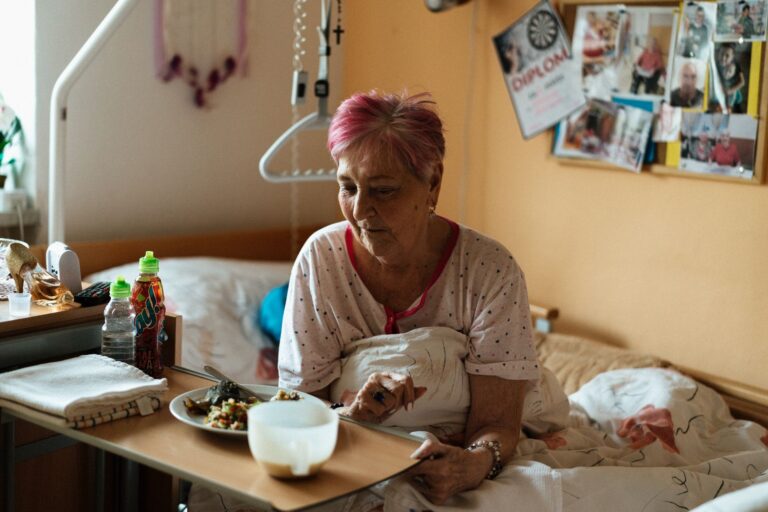
Best cushion sits at the center of this dementia and brain health question.
The best cushion for a dementia patient with peripheral neuropathy depends on which problem is causing the most harm right now — but for most people dealing with both conditions, a ROHO air cushion paired with a weighted lap pad covers the two biggest risks: pressure injury from sitting too long without feeling pain, and the anxiety and agitation that come from a body that can no longer reliably sense where it is in space. A ROHO uses interconnected neoprene air cells to distribute weight evenly across bony prominences, while a weighted lap pad delivers deep pressure stimulation that can calm restlessness without medication. For someone like a 78-year-old woman with moderate Alzheimer’s and diabetic neuropathy in both feet, this combination addresses the fact that she cannot feel the ischemic damage building under her sit bones and also struggles with the sundowning agitation that keeps her shifting and sliding in her chair. This dual-condition scenario is far more common than most families realize.
Peripheral neuropathy affects 26 to 39.2 percent of adults aged 65 and older, and prevalence climbs to 54 percent in those 85 and above. Dementia and peripheral neuropathy frequently co-occur: one study found dementia prevalence was 7.8 percent among those with peripheral neuropathy compared to 3.9 percent without, an odds ratio of 1.45. The shared pathophysiology — insulin dysregulation, chronic inflammation, advanced glycation end-products, and oxidative stress — means that the same metabolic damage attacking the brain is often simultaneously destroying peripheral nerves. This article breaks down the five main cushion categories that matter for this population, explains when each one is the right choice and when it is not, provides real pricing so you can plan a budget, and flags the situations where no cushion will solve the problem without a broader seating assessment.
Table of Contents
- Why Do Dementia Patients With Peripheral Neuropathy Need a Different Cushion?
- ROHO Air Cushions — The Clinical Standard for Pressure Relief and Its Limitations
- Alternating Pressure Cushions — Active Circulation for Neuropathy-Compromised Blood Flow
- Protac SenSit and Weighted Lap Pads — Addressing the Sensory and Behavioral Side
- When a Cushion Alone Will Not Solve the Problem
- Gel-Foam Hybrids — A Practical Option for Rocking and Sliding
- Getting the Right Cushion as the Disease Progresses
- Conclusion
- Frequently Asked Questions
Why Do Dementia Patients With Peripheral Neuropathy Need a Different Cushion?
The core danger with peripheral neuropathy is the loss of protective sensation. A healthy person shifts weight unconsciously dozens of times per hour because discomfort signals from compressed tissue reach the brain and trigger movement. Neuropathy silences those signals. Add dementia to the picture and the person may also lack the cognitive ability to remember they should shift, to ask for help repositioning, or to understand why they feel vaguely unwell after hours in the same position. The result is a dramatically elevated risk of pressure ulcers, particularly over the ischial tuberosities, sacrum, and coccyx — injuries that are painful, slow to heal, and frequently lead to hospitalization or sepsis in elderly patients.
A standard foam cushion from a department store does almost nothing to address this. It compresses under body weight within minutes and creates the same concentrated pressure points as a bare chair seat. A randomized clinical trial published in PMC confirmed that skin protection cushions used with properly fitted wheelchairs lower pressure ulcer incidence among elderly nursing home residents, but the key phrase is “properly fitted.” Among pressure-reducing systems, air compartment cushions have the best pressure-distributing properties per clinical research, which is why ROHO-style flotation cushions remain the clinical gold standard rather than memory foam or basic gel pads. But pressure relief alone does not account for the behavioral and neurological dimensions of dementia. A person with Alzheimer’s who is agitated may rock, slide forward, or attempt to stand unsupported — all of which a pure air cushion can actually make worse because the unstable surface increases postural insecurity. This is why occupational therapists who specialize in dementia seating often recommend layering interventions: one product for tissue protection, another for sensory regulation, and careful attention to the chair itself.

ROHO Air Cushions — The Clinical Standard for Pressure Relief and Its Limitations
ROHO cushions use what the manufacturer calls dry flotation technology. Rows of interconnected neoprene air cells allow air to flow between compartments as the user’s weight shifts, conforming to the body’s contours and distributing pressure across the maximum possible surface area rather than concentrating it on bony prominences. This facilitates blood flow to the sitting surface and assists in healing existing ischemic ulcers. For a dementia patient with neuropathy who sits for extended periods — in a wheelchair, a recliner, or a standard dining chair during meals — this technology directly addresses the highest-stakes medical risk. Pricing varies considerably across the ROHO line. The Mosaic and LTV models come in under 100 dollars and provide a solid entry point for families on a budget. Standard ROHO cushions run 350 dollars and above, and the Smart Check High Profile — which includes pressure monitoring technology — ranges from 563 to 773 dollars.
The price difference reflects cell height, adjustability, and monitoring features, but even the budget models outperform foam and basic gel cushions in clinical pressure mapping studies. Medicare Part B may cover a ROHO cushion under durable medical equipment codes if a physician documents medical necessity, though the reimbursement process requires patience and paperwork. However, a ROHO has real limitations for dementia patients. The air cell surface can feel unstable, which may increase anxiety or postural insecurity in someone with impaired proprioception. If the cushion is not properly inflated — and dementia patients cannot do this themselves — it bottoms out and provides no more protection than a folded towel. Caregivers must check inflation regularly, ideally daily, by performing a hand check where they slide a hand under the patient’s ischial tuberosity and confirm they can feel the air cells without the person resting directly on the base. If the patient is in a care facility, this maintenance step is often skipped during busy shifts, silently eliminating the cushion’s benefit.
Alternating Pressure Cushions — Active Circulation for Neuropathy-Compromised Blood Flow
Alternating pressure seat cushions take a fundamentally different approach from static air cushions. Instead of passively distributing weight, they use air bladders that cyclically inflate and deflate on timed intervals, actively varying which areas of tissue bear the load. This cycling mimics, in mechanical form, the weight-shifting that a healthy person does naturally — and that a neuropathy patient cannot feel the need to do. The periodic pressure changes promote circulation to tissue that would otherwise become ischemic, making these cushions particularly relevant when compromised blood flow is a primary concern, as it often is with diabetic neuropathy. Several products serve this category at different price points and with different features. The Vive Health alternating seat cushion uses a rechargeable pump with approximately 6.5 hours of battery life, suitable for daytime use in a wheelchair or armchair. The Protekt Seat Relief combines alternating air bladders with a gel-infused foam topper and offers adjustable cycle times of 10, 15, or 20 minutes with a 12-hour battery, giving caregivers the ability to tailor the inflation pattern to the patient’s tolerance.
The MobiCushion emphasizes portability with a 12-hour rechargeable lithium battery, useful for patients who move between a wheelchair and a car seat. At the premium end, the Ease Cushion costs 1,049 dollars and uses active redistribution technology designed for full-time seated use in clinical environments. The limitation families should understand is noise and sensation. The pump that drives the inflation cycles produces a low mechanical hum, and the shifting surface can feel disorienting to a dementia patient who does not understand why the cushion keeps moving. In mid-to-late-stage dementia, this unfamiliar sensation sometimes triggers agitation rather than relieving it. A trial period is essential before committing to an alternating pressure system for someone with significant cognitive impairment. If the patient repeatedly tries to stand or becomes distressed when the cushion cycles, this technology may be doing more harm than good despite its circulatory benefits.
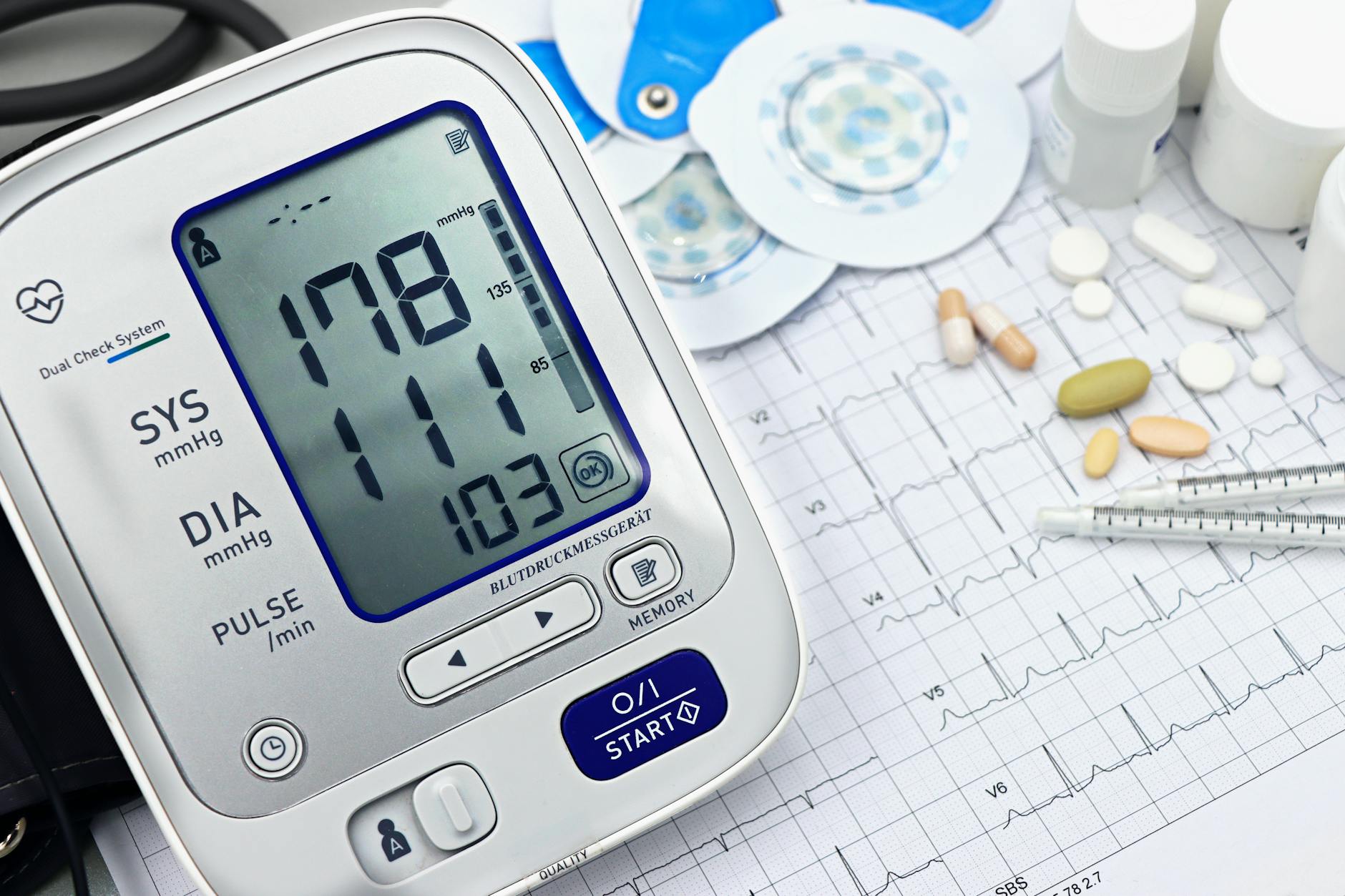
Protac SenSit and Weighted Lap Pads — Addressing the Sensory and Behavioral Side
Pressure relief protects the body, but it does nothing for the disorientation, anxiety, and agitation that define much of the daily experience of dementia compounded by neuropathy. When the brain receives degraded or absent sensory input from the peripheral nerves, it loses track of where the body is in space — a deficit in proprioception that can manifest as restlessness, rocking, sliding, grabbing at surfaces, or general distress. Two product categories address this directly. The Protac SenSit is a cushioned seating system lined with weighted plastic balls that rest against trigger points in the neck, arms, and back, delivering deep proprioceptive pressure to help the brain register body position. Unlike a static weighted blanket, the balls redistribute as the user moves, continuously updating the brain about where the body is. It was designed specifically for dementia, brain damage, autism, ADHD, and spasticity, and is sold through clinical seating suppliers rather than retail stores.
The SenSit is best suited for early-to-middle stage dementia where the person still has some active movement but impaired proprioceptive processing. For someone in late-stage dementia with minimal voluntary movement, the dynamic redistribution feature offers less benefit, and a simpler weighted lap pad may be more appropriate. Weighted lap pads — typically 2 to 5 pounds — provide deep pressure therapy that triggers serotonin and dopamine release while reducing cortisol. Studies show that weighted blankets and pads are safe and effective for decreasing anxiety, reducing chronic pain, and improving sleep in dementia patients. A 100-percent cotton sensory weighted pad from AlzStore costs between 30 and 80 dollars depending on size and weight, making this the most affordable intervention on the list. The tradeoff compared to the Protac SenSit is that a lap pad only covers the lap and thighs, providing less whole-body proprioceptive input, and it can be thrown or pushed off by an agitated patient. But for families working within a tight budget, combining an entry-level ROHO Mosaic for pressure relief with a weighted lap pad for sensory calming delivers meaningful coverage of both risks for under 150 dollars total.
When a Cushion Alone Will Not Solve the Problem
One of the most important and least discussed realities in dementia seating is that adding a pressure cushion to an unsuitable chair will not solve the problem. Seating Matters, a clinical seating manufacturer, makes this point explicitly: the whole seating system — chair fit, postural support, and repositioning capability — must be considered as a unit. A ROHO cushion placed on a dining chair with a flat wooden seat and no armrests still leaves a dementia patient at risk for sliding forward, leaning laterally, and developing pressure injuries on areas the cushion does not cover. Chair depth matters because a seat that is too deep forces the patient to slouch, shifting pressure to the sacrum and coccyx rather than distributing it across the thighs. Armrest height matters because arms that hang unsupported add weight to the sitting surface.
Backrest angle matters because too much recline increases shear forces on the skin, which are just as damaging as direct pressure. For a dementia patient with neuropathy who cannot feel or report that the chair is wrong, these fit issues go undetected until a pressure wound appears. The clinical recommendation for the specific combination of dementia and peripheral neuropathy is an occupational therapist assessment, because no single cushion addresses all needs — pressure relief, sensory stimulation, positional safety, and circulation. This assessment typically takes one visit, can be ordered by a primary care physician, and is covered by most insurance plans. The OT can evaluate the patient’s posture, skin integrity, cognitive level, and behavioral patterns, then recommend a specific cushion-and-chair combination rather than leaving the family to guess.
Gel-Foam Hybrids — A Practical Option for Rocking and Sliding
Gel-foam hybrid cushions combine a gel layer for pressure distribution with a contoured foam base for postural support. They are recommended when both pressure sore prevention and positional stability are needed — for example, for dementia patients who rock while sitting or who gradually slide forward until they are at risk of falling out of the chair. The gel redistributes sitting pressure while the foam contours hold the pelvis in a more stable position than a flat or air-based surface can.
These cushions are the most affordable category, typically ranging from 30 to 60 dollars for consumer-grade products like the ComfiLife line. They do not match a ROHO for pressure relief performance or an alternating cushion for active circulation, but they offer a reasonable compromise for patients whose primary risk is postural instability rather than tissue breakdown. A practical example: a patient with early-stage vascular dementia and mild neuropathy who still eats at the dining table and watches television from a recliner may do well with a gel-foam hybrid in each seat, with a weighted lap pad added during periods of agitation, reserving the more expensive clinical cushions for if and when skin integrity becomes a concern.
Getting the Right Cushion as the Disease Progresses
Dementia is progressive, and the cushion that works in year one may be inadequate or counterproductive in year three. In the early stages, when the patient is mobile and cognitively aware enough to shift position sometimes, a gel-foam hybrid or a Protac SenSit may provide sufficient support. As neuropathy worsens and sitting tolerance decreases, the balance shifts toward dedicated pressure relief — a ROHO or alternating pressure system.
In late-stage dementia, when the patient is fully dependent and immobile for long periods, clinical-grade equipment and regular repositioning schedules become non-negotiable. A 2024 systematic review in Biomedicines confirmed that multisensory stimulation, including proprioceptive input, is beneficial in dementia rehabilitation, which argues for incorporating sensory cushions and weighted products earlier rather than later — when the brain can still process and benefit from the input. Families who plan ahead can budget for a tiered approach: starting with affordable gel-foam and weighted pads, adding a ROHO when skin checks reveal early redness over bony prominences, and transitioning to alternating pressure if circulation problems emerge. The goal is not to find one perfect cushion but to match the intervention to the stage of disease and the specific risks presenting at that moment.
Conclusion
For dementia patients with peripheral neuropathy, the cushion decision is really a series of decisions that should be guided by which risk is most urgent. If skin breakdown and pressure ulcer prevention are the primary concern, ROHO air cushions offer the strongest clinical evidence, with entry-level models under 100 dollars and clinical-grade options up to 773 dollars. If compromised circulation from neuropathy demands active intervention, alternating pressure systems in the 100-to-300-dollar range provide mechanical cycling that compensates for the patient’s inability to shift weight.
If anxiety, agitation, and proprioceptive loss are degrading quality of life, the Protac SenSit and weighted lap pads address the sensory dimension that pressure relief cushions ignore entirely. No single product handles all of these needs simultaneously, which is why an occupational therapist assessment is the most valuable first step a family can take. The OT can evaluate the interaction between the patient’s cognitive status, sensory deficits, postural habits, skin condition, and existing seating, then recommend a specific combination rather than a single product. In the meantime, a ROHO Mosaic under 100 dollars plus a weighted lap pad for 30 to 50 dollars provides a practical starting point that covers the two highest-priority risks — tissue damage and sensory distress — for a combined cost that most families can manage without insurance reimbursement.
Frequently Asked Questions
Can I just use a memory foam cushion for a dementia patient with neuropathy?
Memory foam compresses under sustained load and does not redistribute pressure the way air cell or alternating cushions do. It may feel comfortable initially, but it provides significantly less protection against pressure ulcers than a ROHO or alternating pressure system. For a patient who cannot feel tissue damage developing, comfort is not a reliable indicator of safety.
How often should a ROHO cushion be checked for proper inflation?
Daily, ideally. The caregiver should perform a hand check by sliding a open hand, palm up, under the patient’s ischial tuberosity. You should be able to feel the air cells without the person resting directly on the cushion base. If the cells feel flat or the patient has bottomed out, the cushion needs reinflation immediately.
Are weighted lap pads safe for late-stage dementia patients?
Generally yes, provided the weight is appropriate — typically 2 to 5 pounds — and the patient is supervised. Studies confirm that weighted products are safe and effective for decreasing anxiety and improving sleep in dementia patients. However, if the patient cannot remove the pad independently and shows signs of distress, the pad should not be left in place unmonitored.
Will Medicare pay for a pressure relief cushion?
Medicare Part B may cover a ROHO or other pressure-relief cushion under durable medical equipment codes if a physician documents medical necessity, such as a history of pressure ulcers or a high-risk skin assessment. The process requires a prescription, documentation, and use of a Medicare-approved supplier. Approval is not guaranteed and can take several weeks.
Is the Protac SenSit available for home use or only in clinical settings?
The SenSit is available for home use but is sold through clinical seating suppliers rather than retail stores. You will typically need to contact a supplier directly or work with an occupational therapist who can order it. Pricing varies by supplier and configuration.
How do I know which cushion to try first?
Start by identifying the most urgent risk. If the patient has any history of skin redness or pressure wounds, prioritize a ROHO air cushion. If agitation and restlessness are the dominant daily problems, start with a weighted lap pad. If circulation issues are documented by a physician, consider an alternating pressure system. An occupational therapist can make this determination in a single assessment visit.
You Might Also Like
- What’s the Best Cushion for Dementia Patients With Spasticity?
- What’s the Best Chair Cushion for Dementia Patients With Swollen Legs?
- What’s the Best Chair Cushion for Dementia Patients With Reduced Awareness?
For more, see Alzheimer’s Association — caregiving.