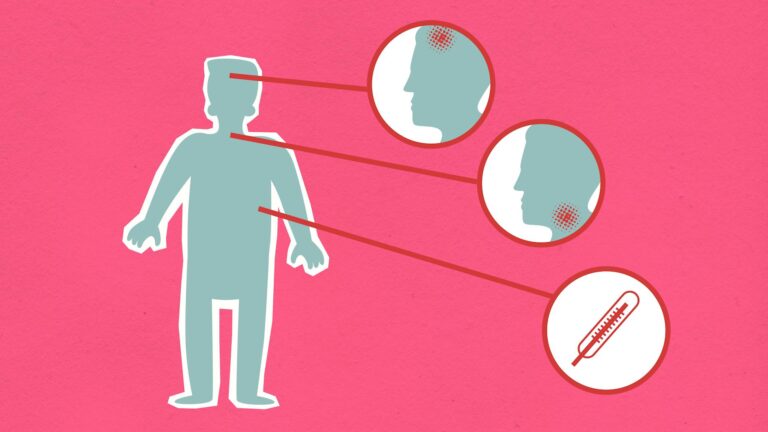
The best cushion temperature regulation for Alzheimer’s care combines gel-infused memory foam with ventilated layers, keeping the seated surface close to a neutral skin temperature range of around 25–28°C (77–82°F). This matters far more than most caregivers realize, because Alzheimer’s disease directly damages the hypothalamus — the brain’s thermostat — leaving patients unable to reliably sense, communicate, or physically respond to temperature extremes. A person with moderate Alzheimer’s sitting in a standard foam wheelchair cushion for several hours can experience significant heat buildup without ever complaining about discomfort, raising the risk of skin breakdown, agitation, and even hospitalization. Gel-infused cushions from brands like Everlasting Comfort, Tektrum, and APEX Core address this by drawing heat away from the body and distributing weight more evenly to prevent pressure sores.
But picking the right cushion is only one piece of a larger problem. Research shows that 45% of Alzheimer’s patients develop clinically significant issues with pain and temperature processing, and that number climbs even higher in frontotemporal dementia (71%) and semantic dementia (65%). A meta-analysis of six independent studies found that Alzheimer’s patients run core body temperatures roughly 0.10–0.20°C above those of non-demented elderly adults, likely driven by neuroinflammation. This article covers the science behind why temperature regulation fails in dementia, the specific cushion technologies available today, how environmental temperature affects cognition and sleep, and what practical steps caregivers can take to keep someone with Alzheimer’s both comfortable and safe.
Table of Contents
- Why Does Alzheimer’s Disease Impair the Body’s Ability to Regulate Temperature?
- How Gel-Infused and Ventilated Cushions Compare to Standard Foam
- Phase Change Materials — The Emerging Technology Worth Watching
- Setting the Right Room Temperature Alongside Cushion Selection
- When Cushion Temperature Regulation Is Not Enough
- Tactile Comfort and Agitation Reduction in Cushion Design
- What the Next Generation of Adaptive Cushions May Look Like
- Conclusion
- Frequently Asked Questions
Why Does Alzheimer’s Disease Impair the Body’s Ability to Regulate Temperature?
The hypothalamus, a small but critical brain structure responsible for body temperature regulation, suffers substantial damage in Alzheimer’s disease. Studies show significant neuronal loss, shortened dendritic branches, and the accumulation of neurofibrillary tangles in this region — the same toxic protein buildup that characterizes the disease elsewhere in the brain. The practical consequence is that the two primary mechanisms the body uses to regulate temperature, shivering when cold and sweating when hot, become unreliable or absent altogether. A person with advanced Alzheimer’s may sit in direct sunlight on a warm afternoon without sweating, or remain in a cold room without shivering, and in neither case report any discomfort. This is not a minor inconvenience.
The Alzheimer’s Foundation of America has explicitly warned that heat can be deadly for dementia patients, and epidemiological data shows that people with Alzheimer’s disease are more likely to die or be hospitalized when temperatures rise. The inability to recognize and respond to thermal discomfort also contributes to behavioral symptoms — agitation, restlessness, and sleep disruption — that caregivers often attribute to the disease itself rather than to an environmental trigger. A 2024 scoping review published in the Interactive Journal of Medical Research confirmed that indoor temperature control is now recognized as a key component of dementia care, alongside light, noise, and humidity management. What makes cushion selection especially important is that seated patients accumulate heat at the body-cushion interface over time. Standard foam compresses under body weight and traps warmth, creating a microclimate that a cognitively intact person would notice and adjust for by shifting position. Alzheimer’s patients frequently lack the awareness or motor planning to make these adjustments, making the cushion’s built-in thermal properties their primary defense against heat buildup.
How Gel-Infused and Ventilated Cushions Compare to Standard Foam
Gel-infused memory foam cushions are currently the most widely recommended option for seated Alzheimer’s patients who need temperature regulation. The gel component works by absorbing and conducting heat away from the skin surface, while the memory foam conforms to the body’s contours for pressure redistribution. This dual function is important because many Alzheimer’s patients in wheelchairs or specialized seating are also at high risk for pressure injuries. Brands like Everlasting Comfort and Tektrum combine gel layers with ventilated foam channels that allow air to circulate beneath the seated surface, directly addressing the heat buildup problem that plagues foam-only products. However, gel cushions have a meaningful limitation: they absorb heat, but they do not actively cool. Once the gel layer reaches thermal equilibrium with the body — typically after one to three hours depending on ambient temperature and the person’s metabolism — the cooling effect diminishes significantly.
For someone who sits for extended periods, this means the cushion’s temperature-regulating benefit is front-loaded. Caregivers who rely solely on a gel cushion for an eight-hour day without repositioning or other interventions may find that the thermal advantage disappears by midday. Ventilated designs extend this window by allowing some passive airflow, but they do not reset the gel’s thermal capacity. If a patient is seated for long stretches in a warm environment, supplementary cooling measures become necessary. Standard foam cushions, by comparison, offer virtually no temperature management. They insulate rather than conduct, trapping both heat and moisture at the skin surface. For a patient population that already runs slightly warmer than normal and cannot self-regulate, this creates conditions that promote skin maceration, pressure ulcers, and thermal discomfort that may manifest as unexplained behavioral changes rather than verbal complaints.
Phase Change Materials — The Emerging Technology Worth Watching
Phase change materials represent the most promising advancement in cushion temperature regulation, though they remain more common in research settings and specialty products than in mainstream wheelchair cushions. PCMs work on a straightforward principle: materials like paraffin wax are engineered with a specific melting point — around 26°C (79°F) for most comfort applications — and they absorb excess thermal energy as they transition from solid to liquid. When the temperature drops, they release that stored energy as they re-solidify. This creates an active buffering effect that gel alone cannot provide. A July 2025 experiment demonstrated that PCM-integrated materials reduced surface temperatures by 3.7–3.9°C compared to standard materials, a difference that is clinically meaningful for someone who cannot adjust their own position or environment. Separately, researchers are developing PCM-based wearable thermal management products, including vests, wraps, and headgear, that absorb excess body heat and release it when ambient temperatures drop.
For Alzheimer’s patients, who may transition between a warm indoor environment and an air-conditioned space multiple times a day, this kind of adaptive regulation could be particularly valuable. The main barrier to PCM adoption in cushion design is cost and durability. Paraffin-based PCMs need to be encapsulated to prevent leaking, and repeated thermal cycling over months of daily use can degrade their performance. Most commercially available PCM products are currently marketed for athletic or industrial use rather than medical seating. But the science is strong enough that caregivers purchasing new cushions in the next few years should watch for PCM integration as it enters the medical device market. The combination of PCM with gel-infused memory foam could address the time-limited cooling problem that current gel cushions face.

Setting the Right Room Temperature Alongside Cushion Selection
No cushion can compensate for a room that is too hot or too cold. Research consistently shows that environmental temperature has a direct and measurable effect on both sleep quality and cognitive function in older adults. Nighttime sleep is most efficient in the 20–25°C (68–77°F) range, with a clinically relevant 5–10% drop in sleep efficiency when ambient temperature rises from 25°C to 30°C. A February 2026 study reported that keeping nighttime bedroom temperatures at approximately 75°F (24°C) reduced stress responses and helped the heart work more efficiently during sleep in older adults — a finding with direct implications for Alzheimer’s patients, who already suffer from disrupted sleep architecture. During daytime hours, the temperature-cognition relationship introduces a tradeoff.
A 2025 observational study found a significant relationship between indoor temperatures and cognitive performance in older adults: for each 1°C increase in monthly high temperature, global cognitive function scores decreased. This suggests that cooler environments may support better cognitive function, but the same population is also vulnerable to hypothermia because of impaired shivering responses. The practical target for daytime ambient temperature in Alzheimer’s care settings is typically 20–22°C (68–72°F), cool enough to support cognition while warm enough to avoid cold stress in someone who cannot effectively generate or conserve body heat. Intriguingly, animal research has shown that maintaining a thermoneutral environment of 28°C (82°F) substantially reduced beta-amyloid production in Alzheimer’s model mice within just one week, with memory test results becoming comparable to normal mice. While this does not translate directly to human care recommendations, it underscores how profoundly temperature affects the biological mechanisms underlying Alzheimer’s disease. The interplay between cushion microclimate and room temperature deserves more attention from care teams than it currently receives.
When Cushion Temperature Regulation Is Not Enough
There are situations where even the best temperature-regulating cushion combined with careful environmental control will not adequately protect an Alzheimer’s patient from thermal distress. The most common scenario is outdoor exposure during summer months. A gel-infused cushion in a wheelchair offers limited protection when ambient temperatures exceed 32°C (90°F), and the patient’s impaired thermoregulation means they may show no visible signs of distress until a medical emergency develops. For these situations, supplementary cooling products are essential. Cooling towels that remain effective for up to three hours and reusable cooling vests that release moisture over four or more hours are recommended by caregiving resource organizations for dementia patients in warm environments.
These products are inexpensive and widely available, but they require caregiver initiative — an Alzheimer’s patient will not reach for a cooling towel or ask for a vest change. Caregivers should establish scheduled check-ins rather than relying on patient-reported symptoms, because by the time visible signs of overheating appear — flushed skin, rapid breathing, confusion beyond baseline — the situation may already be dangerous. A less obvious limitation involves patients who experience paradoxical temperature responses, feeling cold when they are objectively warm, or vice versa. This occurs because the sensory processing disruption in Alzheimer’s is not limited to the body’s thermoregulatory response; it also affects the subjective perception of temperature. A patient who insists on being covered with blankets while sitting on a heat-trapping cushion in a warm room presents a genuine clinical challenge, because honoring their expressed preference may put them at physical risk. In these cases, objective monitoring — using a simple skin-surface thermometer at the cushion interface — provides better guidance than the patient’s verbal reports.
Tactile Comfort and Agitation Reduction in Cushion Design
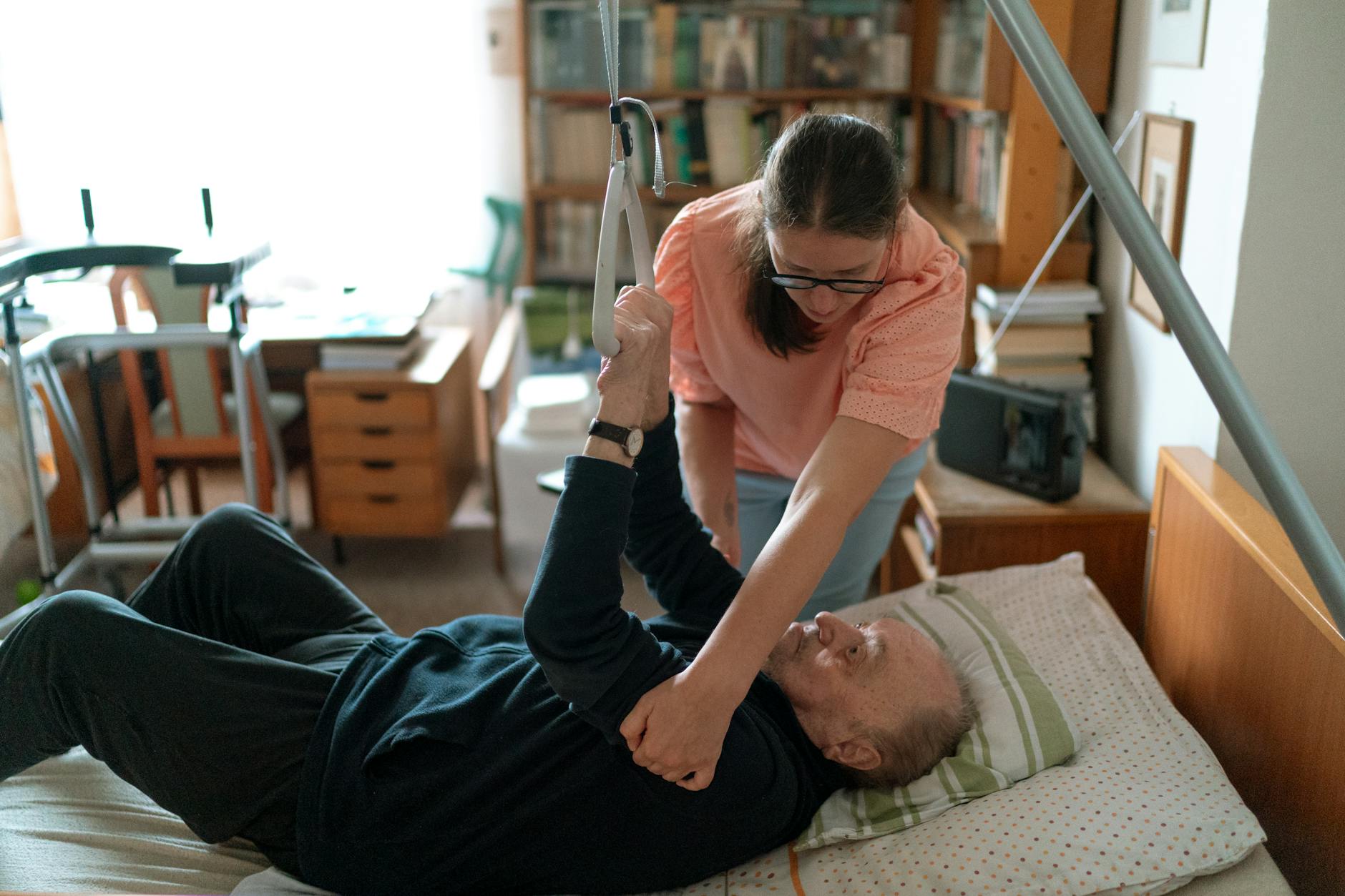
Temperature regulation is the primary concern, but cushion texture also matters for Alzheimer’s patients. Sensory comfort items, including textured cushions, provide tactile stimulation that can calm restlessness and reduce agitation — two of the most common and distressing behavioral symptoms of dementia. A cushion with a soft, breathable cover that offers gentle tactile feedback can serve a dual purpose: managing temperature at the seating surface while providing the kind of consistent sensory input that helps ground a person whose perceptual world is increasingly fragmented. This is where practical testing matters more than product specifications.
Some patients respond well to smooth, cool-feeling fabrics like bamboo-derived textiles, while others find comfort in slightly textured weaves. A caregiver at a memory care facility in the Midwest described discovering, through trial and error, that one resident who had been chronically agitated in the afternoon became noticeably calmer after switching from a vinyl-covered foam cushion to a gel cushion with a quilted cotton cover. The temperature difference was part of it, but the tactile change appeared to matter as well. There is no universal recommendation here — only the principle that both thermal and tactile properties of the cushion surface deserve deliberate attention.
What the Next Generation of Adaptive Cushions May Look Like
The convergence of PCM technology, smart textiles, and wearable health monitoring points toward a future where cushions do not just passively regulate temperature but actively adapt to the patient’s physiological state. Early-stage research in PCM wearable thermal management is exploring materials that absorb excess heat and release it in response to changing conditions, and integrating these into seated surfaces is a logical next step. Paired with low-cost skin-temperature sensors and simple alert systems, it becomes possible to imagine a cushion that notifies a caregiver when the patient’s seated microclimate exceeds a safe threshold.
This is not science fiction — the individual components exist today, and the clinical need is well documented. The gap is in integration and clinical validation for the dementia care market specifically. For now, the best approach remains combining gel-infused ventilated cushions with careful environmental temperature management, supplementary cooling products when needed, and regular caregiver monitoring. But families and care facilities purchasing new equipment should prioritize products that incorporate emerging thermal technologies, because the evidence that temperature directly affects Alzheimer’s symptoms, cognition, and even disease biology is only growing stronger.
Conclusion
Cushion temperature regulation for Alzheimer’s care is not a luxury — it is a clinical necessity driven by the disease’s direct assault on the brain’s thermoregulatory systems. Gel-infused memory foam cushions with ventilated designs remain the current standard, offering meaningful heat dissipation and pressure relief for patients who cannot adjust their own position or report discomfort. Phase change materials represent the most promising near-term advancement, with demonstrated surface temperature reductions of nearly 4°C that could extend the effective cooling window well beyond what gel alone provides.
Alongside cushion selection, maintaining ambient room temperatures in the 20–25°C range supports both sleep quality and cognitive function. The most important takeaway for caregivers is that temperature management in Alzheimer’s care requires active, ongoing attention rather than a one-time product purchase. Scheduled repositioning, supplementary cooling products for warm conditions, objective skin-temperature monitoring for patients who cannot reliably report their own comfort, and awareness of the room-temperature-cognition connection all contribute to a comprehensive approach. No single cushion solves the problem, but the right cushion within a thoughtful thermal management plan can meaningfully reduce agitation, protect skin integrity, and improve quality of life for someone navigating this disease.
Frequently Asked Questions
How often should a gel cushion be replaced for an Alzheimer’s patient?
Most gel-infused memory foam cushions maintain their thermal and structural properties for 12 to 18 months with daily use. If the foam no longer returns to its original shape after pressure is removed, or if the seated surface feels noticeably warmer than it did when new, the gel layer may have degraded and the cushion should be replaced.
Can a cooling cushion help reduce sundowning behavior?
There is no direct research linking cushion temperature to sundowning specifically, but thermal discomfort is a known agitation trigger in dementia patients. Since sundowning often coincides with afternoon warmth and fatigue from prolonged sitting, ensuring a comfortable seated temperature during late afternoon may help reduce one contributing factor among many.
Are heated cushions ever appropriate for Alzheimer’s patients?
Heated cushions carry significant risk for this population. Because Alzheimer’s patients may not perceive or communicate that a surface is too hot, burns and skin damage can occur without any complaint from the patient. If warmth is needed, heated products should only be used under direct caregiver supervision with a low-temperature maximum setting, and skin should be checked frequently.
What surface temperature at the cushion is considered safe?
The skin-cushion interface should generally stay below 34°C (93°F). Sustained contact temperatures above this threshold increase the risk of moisture accumulation and pressure injury. A simple infrared thermometer pointed at the cushion surface after a patient stands can give caregivers a quick objective reading.
Do wheelchair cushion covers affect temperature regulation?
Significantly. Vinyl and synthetic leather covers trap heat and moisture, negating much of the benefit of a gel or ventilated cushion underneath. Breathable cotton, bamboo-derived fabric, or mesh covers allow airflow and moisture wicking that preserve the cushion’s thermal management properties. When purchasing a temperature-regulating cushion, always check that the included cover supports rather than undermines its cooling function.