The best chair cushion for a dementia patient who picks at fabrics is a fidget or sensory cushion that redirects the picking into a safe, stimulating activity, paired with pick-resistant upholstery on the chair itself. Products like the Bud Sensory Cushion, developed by UK charity Designability and manufactured by FIND Memory Care, are specifically designed to reduce skin-picking and other repetitive behaviors by offering tactile fabrics that fold into a discreet lap cushion. The ODOXIA Dementia Pillow takes a similar approach with zippers, buttons, textured fabrics, and ribbons at various difficulty levels. Both give restless hands something purposeful to do instead of tearing at chair fabric, clothing, or worse, their own skin.
But a fidget cushion alone is only half the solution. The chair underneath matters just as much. Facilities that specialize in memory care have moved toward materials like Crypton Fabric, Dartex, and Kwalu’s Protea material, all engineered to withstand persistent picking without showing signs of wear. The best approach is two-pronged: give the patient something appropriate to pick at, and make the chair itself resistant to damage. This article covers why dementia patients pick at fabrics in the first place, the top fidget cushion options and how they compare, which chair materials hold up best, and the design details that can make or break your setup.
Table of Contents
- Why Do Dementia Patients Pick at Chair Fabrics and Cushions?
- Comparing the Top Fidget Cushions for Dementia Patients
- The Role of Weighted Cushions and Deep Pressure in Calming Picking Behavior
- Choosing Pick-Resistant Chair Upholstery That Actually Works
- Design Mistakes That Make Picking Worse
- Specialized Dementia Chairs Worth Knowing About
- Moving Toward Person-Centered Sensory Solutions
- Conclusion
- Frequently Asked Questions
Why Do Dementia Patients Pick at Chair Fabrics and Cushions?
Repetitive behaviors like patting, rubbing, scratching, and picking are common across several types of dementia. According to research published in PMC, 18.6% of patients with behavioral variant frontotemporal dementia exhibited tapping, pacing, or picking behaviors. Without something to engage their hands, many patients will pick at their own skin, nails, clothing, or even medical equipment like IVs. The behavior is not willful destruction. It is a neurological response, often tied to anxiety, boredom, or the brain’s diminished ability to process sensory input in a meaningful way. This is where sensory stimulation therapy enters the picture. A review of the evidence found that 71.2% of studies showed sensory stimulation therapy resulted in improved communication, behaviors, quality of life, and function for individuals with dementia in long-term care. The same body of research recommends that nonpharmacological management, including sensory stimulation, should always be considered as the first option before medication. That recommendation matters.
Sedating a patient to stop them from picking at a chair is a last resort, not a starting point. A well-chosen fidget cushion can accomplish what a pill does, without the side effects. The distinction between redirecting and suppressing is worth paying attention to. A fidget cushion channels the picking urge into something constructive. A pick-proof chair fabric simply removes the target. Used together, they address both the behavior and the consequence. Used alone, each has gaps. A fidget cushion left on a standard fabric chair does nothing when the patient sets the cushion aside. A pick-proof chair without a sensory outlet may push the picking behavior toward skin or clothing instead.

Comparing the Top Fidget Cushions for Dementia Patients
Several fidget cushions on the market are designed specifically for dementia care, but they differ in approach, complexity, and price. The Bud Sensory Cushion is built for later stages of dementia, with a simple design that folds into a cushion shape and lays across the lap. It is made of tactile fabrics, can be personalized, and is intended to exercise hands and fingers while encouraging communication. Its simplicity is its strength. For a patient in advanced dementia, a cushion with too many features can cause frustration rather than comfort. The ODOXIA Dementia Pillow, available on Amazon, takes a different approach by including various levels of difficulty with different sensory motions. Customers report it keeps loved ones entertained and helps calm anxiety.
The Assistex Fidget Blanket comes bundled with a guidance book of over 45 dementia activity ideas written by a certified Occupational Therapist, which can be useful for caregivers who are not sure how to introduce fidget tools effectively. The AlzStore Activity Pillow uses a denim base with buckles, straps, pockets, Velcro, beads, and wooden rings. For families looking for something unique, Etsy sellers offer handmade fidget pillows with custom options, though prices run higher, around $90.95 on sale from $107.00 in one listing. However, not every fidget cushion suits every patient. If someone is in the early stages of dementia with strong fine motor skills, a simple textured cushion may bore them. If someone is in a late stage with limited hand strength, a pillow loaded with zippers and buckles may frustrate them or go unused entirely. Matching the cushion’s complexity to the patient’s current abilities is more important than buying the most feature-rich option.
The Role of Weighted Cushions and Deep Pressure in Calming Picking Behavior
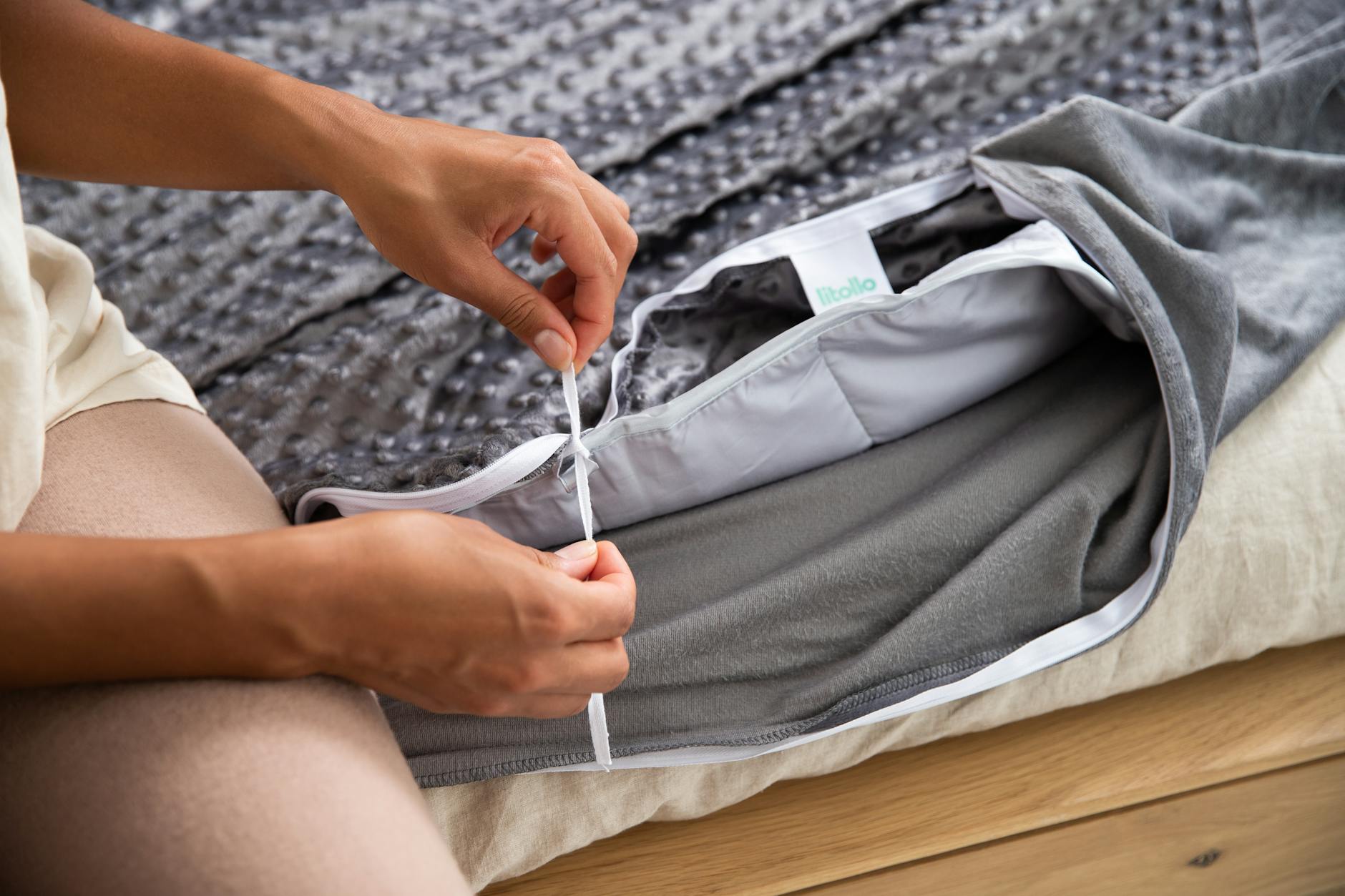
A certified and licensed Occupational Therapy Assistant recommends adding weight to fidget lap quilts, noting that the deep pressure is calming to the nervous system. This is the same principle behind weighted blankets, which have gained mainstream popularity for anxiety and insomnia. For dementia patients, a weighted fidget cushion serves a dual purpose: the weight provides a grounding, calming sensation across the lap, while the textured surface gives the hands something to explore. The practical application is straightforward. Some caregivers add a small amount of weight, often through sewn-in pockets with rice, poly pellets, or glass beads, to an existing fidget cushion or quilt.
The Bud Sensory Cushion and Assistex Fidget Blanket are both candidates for this kind of modification. If you are purchasing from Etsy or commissioning a handmade cushion, you can request that weight be incorporated into the design from the start. One caution here: a cushion that is too heavy can be uncomfortable, especially for patients who are frail or have limited mobility in their arms. The weight should feel like a gentle, reassuring presence, not a restraint. Start light and increase gradually. If the patient tries to push the cushion off their lap or shows signs of agitation when it is placed, the weight may be too much, or the deep pressure approach may not suit that particular individual.
Choosing Pick-Resistant Chair Upholstery That Actually Works
Even with a fidget cushion in place, some picking will still land on the chair. This is where the upholstery material makes a significant difference. Three materials dominate the memory care market, each with trade-offs. Crypton Fabric is a favorite for senior living facilities because it is stain-resistant, water-resistant, and microbe-resistant while maintaining the look and feel of traditional fabrics. It does not look or feel institutional, which matters for dignity and home-like environments. Dartex Fabric takes a more clinical approach. It is waterproof, anti-ingress, and easily wiped down, designed with minimal seams and recesses where debris or fluids could collect.
Dartex is used as standard on dementia-specific chair ranges like the Lento, manufactured by Repose Furniture. It is a strong choice for patients who are incontinent or who eat in their chair, but it does feel noticeably different from traditional upholstery. Some patients may find it cold or slippery. Kwalu’s Protea material is described as “pick-proof,” engineered for durability and cleanability. It is non-porous, stands up to restlessness and fidgeting without showing signs of distress, and comes with a 10-year warranty. The trade-off is cost. Kwalu furniture is positioned at the commercial and institutional end of the market, which puts it out of reach for many home caregivers. For a family managing dementia care at home, Crypton fabric covers or slipcovers may be the more accessible option.
Design Mistakes That Make Picking Worse
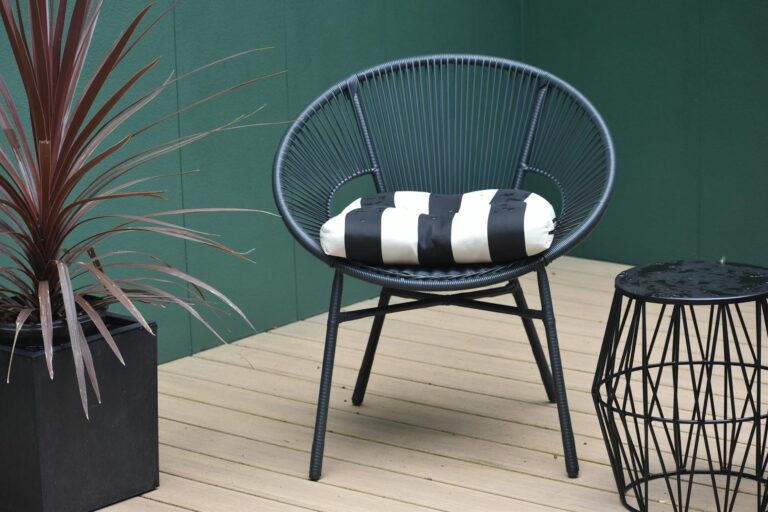
One of the most overlooked factors in cushion and chair selection is pattern. Strong patterns with flowers, bugs, or other recognizable images can cause a dementia resident to pick at the item trying to touch or hold the image. When the patient cannot grasp the flower or bug they see on the fabric, it creates confusion and can escalate agitation. Progressive AE, an architecture and design firm that works with senior living facilities, specifically recommends plain, solid colors for memory care environments. This applies to fidget cushions as well as chair upholstery. A fidget cushion that uses busy, colorful printed fabrics rather than distinct tactile elements can confuse the boundary between “something to pick at” and “something that just looks interesting.” The most effective fidget cushions use texture, not visual patterns, as the primary sensory input.
Raised ribbons, varied fabric weaves, smooth versus rough surfaces, and functional elements like zippers and buckles all work because the patient can feel the difference with their fingers, not just see it. Another common mistake is placing a fidget cushion on a chair and walking away. Fidget cushions work best when they are introduced with gentle guidance. The Assistex Fidget Blanket includes a book of over 45 activity ideas for this reason. A caregiver who sits with the patient, guides their hands to the textured elements, and models the action of rubbing or zipping provides a bridge between the patient’s impulse to pick and the cushion’s intended use. Over time, many patients begin reaching for the cushion on their own.
Specialized Dementia Chairs Worth Knowing About
For families or facilities that are furnishing a room from scratch, purpose-built dementia chairs can simplify the equation. The Vancouver Queen Chair from Alpha Furniture is designed specifically for dementia care home residents with pick-resistant, durable upholstery. Kwalu manufactures rockers and gliders for memory care settings, with the reasoning that the rocking motion itself helps calm residents and reduce wandering.
Their chairs feature gently rounded corners to protect delicate skin and use the Protea material throughout. These chairs are not cheap, and they are not necessary for every situation. But for a patient who spends most of the day seated and who has persistent picking behavior that has already damaged standard furniture, a purpose-built chair with integrated pick-resistant upholstery eliminates one variable from the equation. Combined with a fidget cushion on the lap, the setup addresses both the behavioral need and the practical wear-and-tear concern.
Moving Toward Person-Centered Sensory Solutions
The trend in dementia care is moving away from one-size-fits-all approaches and toward personalized sensory solutions. The Bud Sensory Cushion’s ability to be personalized reflects this shift. A patient who spent decades as a seamstress may respond to different textures than a patient who worked in woodworking. Etsy sellers who make custom fidget pillows can incorporate specific fabrics, colors, and tactile elements that connect to a patient’s personal history.
This matters because picking is not just a behavior to be stopped. It is communication. The patient is telling you, through their hands, that they need stimulation, comfort, or connection. The best chair cushion is the one that listens to that message and answers it with something the patient actually wants to touch.
Conclusion
The most effective strategy for dementia patients who pick at fabrics combines two elements: a sensory fidget cushion that redirects the behavior, and pick-resistant upholstery that protects the chair. Products like the Bud Sensory Cushion, ODOXIA Dementia Pillow, and Assistex Fidget Blanket each address the picking urge from slightly different angles, and the right choice depends on the patient’s stage of dementia and remaining fine motor abilities. Adding weight to a fidget cushion can amplify the calming effect through deep pressure. On the chair side, Crypton, Dartex, and Kwalu Protea materials each offer durability against picking, with trade-offs between home-like feel, clinical functionality, and cost. Start with a fidget cushion matched to your loved one’s abilities and introduce it with guided interaction.
If the chair itself is taking damage, consider upgrading the upholstery to a pick-resistant fabric or investing in a purpose-built dementia care chair. Avoid strong visual patterns on both the cushion and the chair. And remember that nonpharmacological approaches like sensory stimulation should always be the first option before medication. The picking is not the problem to solve. The unmet sensory need behind it is.
Frequently Asked Questions
Can I make a fidget cushion at home instead of buying one?
Yes. Many caregivers sew their own using varied fabric scraps, ribbons, buttons, and zippers attached to a pillow base. Nancy’s Notions and similar sewing resources offer patterns for fidget quilts. The key is using securely attached elements that cannot be pulled off and swallowed, and matching the complexity to the patient’s abilities.
How do I know if a fidget cushion is too complex for my loved one?
Watch their hands. If they engage with the textures and elements for several minutes, the level is right. If they ignore it, it may be too simple or the textures may not appeal to them. If they become frustrated, agitated, or try to tear elements off rather than manipulate them, the cushion is likely too complex for their current stage.
Will a pick-resistant fabric feel uncomfortable for someone sitting in the chair all day?
It depends on the material. Crypton Fabric is designed to feel like traditional upholstery and is generally comfortable for extended sitting. Dartex is more clinical and can feel cool or slippery, so adding a soft throw or blanket over the seat can help. Kwalu Protea falls somewhere in between, with a durable surface that does not feel harsh.
Should I remove a fidget cushion at night?
Generally, yes. A fidget cushion on a bed can become tangled or end up covering the face during sleep. Use it during waking hours when the patient is seated and supervised or in a safe environment. If nighttime picking is a concern, consult an occupational therapist about alternatives designed for bedtime use.
Are fidget cushions covered by insurance or Medicare?
Fidget cushions are typically classified as comfort or activity items rather than durable medical equipment, so they are generally not covered by Medicare or standard insurance plans. Some Medicaid waiver programs for home and community-based services may cover them. Check with your local Area Agency on Aging for options.