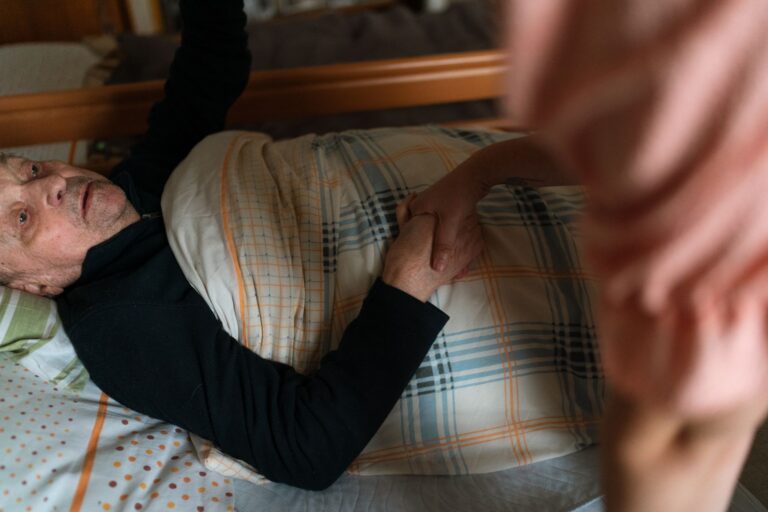
Best chair sits at the center of this dementia and brain health question.
The best chair cushion for dementia patients during adjustment periods depends on the individual’s mobility level, skin integrity risk, and how much time they spend seated, but for most caregiving situations, a ROHO air cushion or an alternating pressure cushion will outperform standard foam options. Foam-and-gel cushions like the ComfiLife Gel Enhanced Seat Cushion work well for patients who still shift their weight independently, but patients in mid-to-late-stage dementia who cannot reposition themselves need something more clinical. A family I spoke with learned this the hard way when their mother developed a stage two pressure ulcer within six weeks of transitioning to a new care facility, despite sitting on a brand-new memory foam cushion that the staff assumed was sufficient. This matters more than most families realize. Research shows that almost 40% of advanced dementia patients develop pressure ulcers before death, a rate that far exceeds the general nursing home population rate of 2 to 28%.
Even more sobering, median survival for advanced dementia patients with pressure ulcers was just 96 days compared to 863 days for those without, nearly a ninefold difference. Choosing the right cushion during an adjustment period is not about comfort alone. It is a medical decision with measurable consequences. This article breaks down the major cushion categories, compares specific products and their tradeoffs, explains what to prioritize during the adjustment period, and covers why professional occupational therapy assessment is not optional but essential. Whether you are moving a loved one into memory care or managing their seating at home, the details here should help you ask better questions and avoid preventable harm.
Table of Contents
- Why Do Dementia Patients Need Specialized Chair Cushions During Adjustment Periods?
- Foam and Gel Cushions vs. Air Cell Cushions — What Actually Works Better?
- When Should You Consider Alternating Pressure Cushions?
- Full Seating Systems — Are They Worth the Investment?
- Critical Features That Most Buyers Overlook
- Why Professional Assessment Is Not Optional
- Looking Ahead — How Cushion Technology Is Evolving for Dementia Care
- Conclusion
Why Do Dementia Patients Need Specialized Chair Cushions During Adjustment Periods?
The adjustment period in dementia care refers to the weeks or months after a significant change, whether that is a move to a new facility, a decline in cognitive function, or a shift in mobility. During these transitions, patients frequently experience increased agitation, confusion, and physical restlessness. Their bodies are also adapting. A patient who previously stood up and walked periodically may now remain seated for hours without repositioning, and the cushion that worked six months ago may no longer provide adequate pressure relief. Therapeutic chairs and cushions have been shown to reduce agitation, pressure injuries, and falls during these adjustment periods. Correct seating prescription can also lower sliding risk and improve psychological wellbeing, which matters enormously when a patient is already disoriented by unfamiliar surroundings.
However, the adjustment process is recognized by occupational therapists as trial and error. Every resident is different, and what calms one patient may frustrate another. An OT at a memory care facility will typically try different backrest types and cushion options during initial assessment, monitoring closely for signs that agitation or discomfort is worsening rather than improving. The mistake many families make is treating the cushion as a one-time purchase rather than a component in an evolving care plan. A patient’s needs during their first month in a new setting may differ significantly from their needs three months later, especially if their dementia is progressing. The cushion that gets them through the adjustment period may need to be replaced or supplemented as their condition changes.

Foam and Gel Cushions vs. Air Cell Cushions — What Actually Works Better?
The most common cushion families will encounter first is the memory foam and gel combination. The ComfiLife Gel Enhanced Seat Cushion, which runs about $35 to $45, is a solid representative of this category. It combines high-density memory foam with a cooling gel layer and includes a coccyx cutout to reduce tailbone pressure. At 1.45 pounds with a built-in handle and non-slip bottom, it is easy to move between chairs, and it wipes clean without much hassle. For a dementia patient who still has some ability to shift their weight and who is seated for moderate periods, this type of cushion provides meaningful comfort and basic pressure redistribution at a fraction of the cost of clinical options. However, if the patient cannot perform their own pressure redistribution, and many dementia patients in adjustment periods cannot, foam and gel cushions have a ceiling. ROHO air cushions, which use individual air cells that can be inflated or deflated for custom firmness, show the most even pressure mapping among cushion types in clinical assessments, second only to fully custom-molded cushions.
The tradeoff is price. Premium ROHO models cost $350 or more, though budget options like the ROHO Mosaic and ROHO LTV are available under $100. The clinical difference is real, but so is the cost gap, and families need to weigh whether the patient’s risk profile justifies the higher investment. For patients with any history of skin breakdown or who spend more than four to six hours seated daily, the air cushion is almost always worth the added expense. One limitation of air cushions that rarely gets mentioned is maintenance. The cells need to be checked and reinflated periodically, and if a caregiver forgets or does not know how, the cushion can lose its therapeutic benefit without anyone noticing. Foam cushions are more forgiving in low-oversight environments, which is worth considering if the patient’s daily care team is stretched thin.
When Should You Consider Alternating Pressure Cushions?
Alternating pressure air cushions represent a step up from static air cells. These cushions use a pump to cyclically inflate and deflate different sections, mimicking the natural weight shifting that a healthy person does unconsciously. The International Pressure Injury Guideline specifically recommends alternating pressure cushions for individuals seated for prolonged periods who cannot perform their own pressure redistribution, a description that applies to a large percentage of dementia patients, particularly during adjustment periods when behavioral changes may reduce their already limited mobility. The clinical guideline that individuals should change position every one to two hours minimum, even at night, is widely cited but practically difficult to achieve in many care settings. Staff shortages, nighttime protocols, and patient resistance to repositioning all work against consistent manual turning.
An alternating pressure cushion does not replace repositioning, but it provides a baseline of pressure variation during the gaps between manual interventions. For a patient who becomes combative or deeply agitated when moved, which is common during adjustment periods in dementia care, this can be the difference between intact skin and a developing wound. The downsides are real. These cushions require a power source, they make a faint mechanical noise that can bother some patients, and they cost more than passive options. They also add a layer of complexity for caregivers who need to troubleshoot the pump if something goes wrong. For patients who are only moderately immobile or who tolerate repositioning well, a static ROHO cushion may be sufficient without the added machinery.

Full Seating Systems — Are They Worth the Investment?
For patients whose dementia has progressed to the point where standard wheelchairs or recliners are no longer safe or comfortable, full seating systems like the Broda Comfort Tension Seating wheelchairs deserve serious consideration. These chairs use a proprietary Comfort Tension Seating technology that molds to the user’s body shape and distributes pressure across a larger surface area to prevent injuries. The engineering is genuinely different from strapping a good cushion onto a standard chair. Broda models offer up to 40 degrees of tilt, 90 degrees of recline, and Trendelenburg positioning with a 350-pound weight capacity. One feature that sets Broda apart for dementia care specifically is its Dynamic Rocking capability, which has a documented calming effect and keeps patients engaged, reducing the need for transfers between different chairs throughout the day. During adjustment periods, when a patient may cycle between agitation and lethargy multiple times daily, having a single chair that accommodates resting, dining, and calming can reduce the number of disorienting transfers.
All cushion components are fluid-resistant and wipe-clean, which addresses the incontinence management challenge that is part of daily reality in dementia care. The tradeoff is cost. A Broda chair is a significant capital investment compared to a standalone cushion, and insurance coverage varies widely. For families managing care at home, the chair may also be physically larger than what their space accommodates. But for a patient in a residential facility who is spending the majority of their waking hours seated, the comparison is not really between a $40 cushion and a Broda system. It is between the cumulative cost of wound care, falls, and repeated cushion replacements versus a single integrated solution. That calculus often favors the full system, though the upfront number is harder to swallow.
Critical Features That Most Buyers Overlook
The feature that matters most and gets discussed least is waterproofing. Not water resistance, but genuine waterproof construction with sealed seams. Incontinence is a daily reality for most dementia patients, and a cushion that absorbs moisture becomes a breeding ground for bacteria and a direct contributor to skin breakdown. Repose Furniture’s dementia-friendly furniture guide emphasizes this point, and yet families routinely purchase cushions with removable-but-not-waterproof covers, assuming they can just wash them frequently enough. They cannot. During an adjustment period, when incontinence patterns may be unpredictable and caregivers are still learning the patient’s rhythms, a waterproof barrier is not a luxury feature. Non-slip bottoms sound like a minor specification, but for dementia patients, sliding forward in a chair is one of the most common precursors to falls.
A patient who is agitated, confused about where they are, or attempting to stand without assistance will push against whatever surface they are sitting on. If the cushion slides, the patient slides with it. This is a particular risk during adjustment periods when the patient does not yet have established routines or familiar environmental cues. Adjustable support, including seat width, depth, and arm height, is another feature that becomes critical over time. During the adjustment period, an occupational therapist should be assessing not just which cushion works but whether the overall seating configuration matches the patient’s current body mechanics. A cushion that provides excellent pressure relief but sits in a chair that is too wide or too deep will still allow the patient to lean, slide, or develop asymmetric posture. The International Pressure Injury Guideline and multiple OT resources stress that the cushion is only one component of a seating prescription. Without the right chair dimensions, even the best cushion underperforms.

Why Professional Assessment Is Not Optional
Professional occupational therapy assessment is strongly recommended before and during the adjustment period, and this is one recommendation families should take literally rather than treating as a formality. An OT who specializes in seating and positioning will evaluate the patient’s skin integrity, postural stability, cognitive status, and behavioral patterns before recommending a cushion type. They will also monitor the patient during the first weeks, watching for signs that the chosen solution is causing more agitation rather than less. The reason this matters so much during adjustment periods specifically is that dementia patients often cannot articulate discomfort.
A patient who becomes more restless, who begins picking at their clothing, or who resists sitting down may be communicating that the cushion is wrong, but without a trained observer, those signals get attributed to the dementia itself rather than to a fixable seating problem. About 159,000 U.S. nursing home residents, roughly 11%, had pressure ulcers as of the CDC’s assessment, and many of those injuries were preventable with better seating intervention. An OT assessment costs far less than treating a wound that did not need to happen.
Looking Ahead — How Cushion Technology Is Evolving for Dementia Care
The direction of the field is toward integrated monitoring, where pressure-sensing technology embedded in cushions provides real-time data to caregivers about how long a patient has been in one position, whether pressure is distributed evenly, and when repositioning is needed. This is particularly promising for dementia care during adjustment periods, when the care team is still learning the patient’s patterns and may not yet know when they are most at risk. What will not change, regardless of how sophisticated the technology becomes, is the need for individualized assessment.
The trial-and-error nature of finding the right cushion for a specific patient in a specific stage of their disease during a specific transition will remain fundamentally human work. Technology can provide better data, but the decision about what to try next still belongs to the clinician and the family working together. The best cushion for a dementia patient during an adjustment period is the one chosen deliberately, monitored closely, and replaced without hesitation when it stops working.
Conclusion
Choosing a chair cushion for a dementia patient during an adjustment period is a clinical decision that deserves the same seriousness as medication management. For patients who still shift their weight independently, a gel-and-foam cushion like the ComfiLife provides meaningful comfort at an accessible price point. For patients who cannot reposition themselves, ROHO air cushions or alternating pressure systems offer measurably better pressure distribution. For patients who spend most of their day seated and whose dementia has significantly limited their mobility, full seating systems like Broda chairs address the problem comprehensively. In every case, waterproof covers, non-slip surfaces, and adjustable dimensions matter as much as the cushion core material.
Do not skip the occupational therapy assessment. Do not assume that the cushion purchased at the start of the adjustment period will remain the right one three months later. And do not wait for visible skin damage before upgrading from a basic cushion to a clinical one. The research on pressure ulcers and survival in advanced dementia is clear: prevention is not just more humane than treatment, it is associated with dramatically longer survival. Start with a professional evaluation, match the cushion to the patient’s actual risk level, and monitor continuously through the adjustment period and beyond.
You Might Also Like
- What’s the Best Chair Cushion for Dementia Patients During Stressful Situations?
- What’s the Best Chair Cushion for Dementia Patients During One-on-One Care?
- What’s the Best Chair Cushion for Dementia Patients During Craft Activities?
For more, see CDC — Alzheimer’s and Dementia.