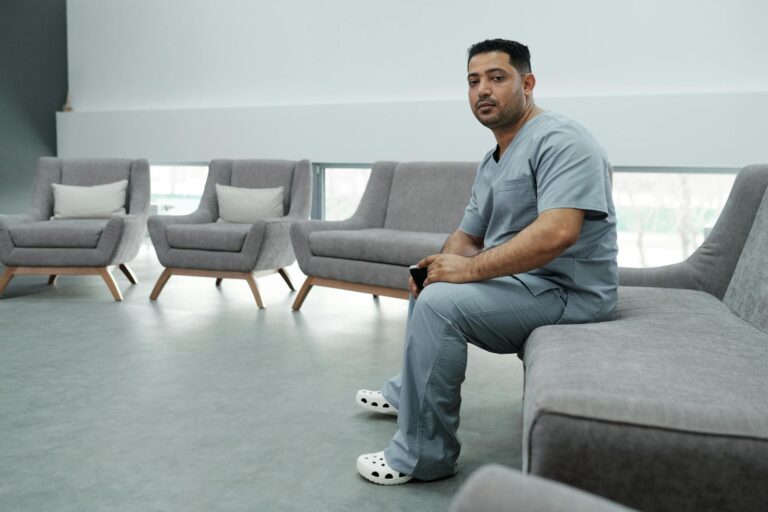
The best seating support for dementia patients during reminiscence sessions is a chair that provides firm postural stability, comfortable cushioning for extended sitting, and armrests that allow the person to feel secure without feeling restrained. Specifically, high-back chairs with padded lateral supports, adjustable tilt-in-space features, and waterproof upholstery tend to perform well in care settings where residents gather for memory-focused activities. A care home in the UK, for example, found that switching from standard dining chairs to purpose-built supportive seating during group reminiscence sessions reduced restlessness and allowed residents to engage for longer periods, simply because they were no longer shifting uncomfortably or struggling to maintain an upright posture.
Seating during reminiscence therapy is not merely a comfort issue. It is a clinical and practical consideration that affects attention span, emotional regulation, physical safety, and the overall success of the therapeutic session. A person with mid-stage dementia who is sliding forward in a poorly fitted chair is unlikely to engage meaningfully with photographs, music, or conversation prompts. This article covers why seating matters so much in this specific context, the types of chairs and cushions that work best, how to assess individual needs, common mistakes caregivers make, and what to consider when purchasing or adapting seating for reminiscence activities.
Table of Contents
- Why Does Seating Support Matter So Much for Dementia Patients During Reminiscence Sessions?
- Types of Supportive Seating That Work Best for Reminiscence Activities
- How to Assess an Individual’s Seating Needs Before a Reminiscence Session
- Choosing Between Specialized Chairs and Adaptive Cushion Systems
- Common Mistakes That Undermine Seating During Reminiscence Therapy
- The Role of Familiar and Non-Clinical Aesthetics in Seating Choices
- Looking Ahead at Seating Innovation for Dementia Care
- Conclusion
- Frequently Asked Questions
Why Does Seating Support Matter So Much for Dementia Patients During Reminiscence Sessions?
Reminiscence therapy typically involves sustained periods of sitting, often thirty minutes to an hour, during which a person with dementia is asked to engage cognitively and emotionally with prompts from their past. This is a fundamentally different demand than sitting for a meal or watching television. The person needs to be alert, oriented toward a facilitator or group, and physically comfortable enough that their body does not become a distraction. Poor seating can cause pain, anxiety, and postural collapse, all of which directly undermine the goals of the session. Research in occupational therapy has consistently shown that seating position affects arousal, attention, and even mood in older adults with cognitive impairment. Compare two common scenarios.
In the first, a resident sits in a generic wheelchair with a sling seat that causes her hips to adduct and her trunk to lean to one side. She spends the session fidgeting, trying to push herself upright, and eventually becomes agitated. In the second, the same resident is transferred to a supportive armchair with a pressure-relieving cushion, a footrest at the correct height, and a slight posterior tilt that keeps her pelvis stable. She makes eye contact, responds to music prompts, and stays engaged for the duration. The chair did not cure her dementia, but it removed a significant barrier to participation. This kind of outcome is well documented in occupational therapy literature, though rigorous randomized trials specifically linking seating to reminiscence outcomes remain limited.

Types of Supportive Seating That Work Best for Reminiscence Activities
Several categories of seating are used in dementia care, each with strengths and limitations. High-back supportive chairs, sometimes called geriatric or resident chairs, are among the most commonly recommended. These typically feature a waterproof but soft-to-the-touch upholstery, armrests at a height that supports the forearms without forcing the shoulders into elevation, a seat depth that allows the person’s back to contact the backrest while keeping the knees at roughly ninety degrees, and a stable base that will not tip. Brands that have historically been prominent in this market include Kirton, Careflex, and Repose, though availability and specific models may have changed. Tilt-in-space chairs, which allow the entire seat to recline as a unit rather than just the backrest, are particularly useful for individuals who tend to slide forward or who have difficulty maintaining an upright trunk.
However, if the person with dementia is still relatively mobile and physically capable, placing them in an overly supportive or clinical-looking chair can be counterproductive. It may feel infantilizing, and the person may resist sitting in it. For higher-functioning individuals, a well-cushioned standard armchair with a firm seat and good lumbar support may be more appropriate and more dignified. The key consideration is always matching the level of support to the individual’s actual postural needs rather than defaulting to the most supportive option available. A chair that is too reclined, for example, can make it harder for the person to see the facilitator or interact with objects on a table, which defeats the purpose of the session.
How to Assess an Individual’s Seating Needs Before a Reminiscence Session
A proper seating assessment should ideally be conducted by an occupational therapist or a physiotherapist who has experience with older adults and dementia. The assessment typically considers the person’s sitting balance, any asymmetries in posture, the presence of contractures or pressure sores, the person’s weight and height, their tendency to lean or slide, and their behavioral responses to being seated. In many care homes, however, formal seating assessments are not routinely done for every resident, and chairs are assigned based on availability rather than individual fit. This is a significant gap in care. A practical example illustrates the point.
A man with Lewy body dementia may have fluctuating alertness and muscle tone. On some days, he sits upright and engages well. On other days, he slumps to one side and appears drowsy. A single static chair may not serve him well across these fluctuations. An adjustable chair, or at minimum a selection of cushions and supports that can be added or removed, gives staff the flexibility to optimize his positioning on a given day. Caregivers who facilitate reminiscence sessions should be trained to recognize basic signs of poor seating, including the person sliding forward, leaning heavily to one side, gripping the armrests tightly, grimacing, or repeatedly trying to stand.

Choosing Between Specialized Chairs and Adaptive Cushion Systems
One of the most practical decisions caregivers and care managers face is whether to invest in fully specialized seating or to improve existing chairs with adaptive cushions and accessories. Specialized chairs offer the advantage of being purpose-built, with features like adjustable seat depth, removable armrests, tilt mechanisms, and pressure-distributing surfaces integrated into the design. They tend to be more expensive, with prices historically ranging from several hundred to over a thousand dollars or pounds depending on features and brand, though current pricing should be verified with suppliers. Adaptive cushion systems, on the other hand, can be placed on existing chairs to improve support and pressure relief.
Products like the Roho air cell cushion, Jay foam cushions, or simpler wedge cushions can address specific problems such as forward sliding or pelvic obliquity at a fraction of the cost of a new chair. The tradeoff is that cushions alone cannot fix a fundamentally unsuitable chair. If the seat is too deep, the backrest too far reclined, or the armrests too high, no cushion will fully compensate. A reasonable approach for many care settings is to have a small number of specialized chairs available for residents with the greatest postural needs, while using adaptive cushions to improve standard seating for others. This hybrid strategy balances cost with clinical effectiveness.
Common Mistakes That Undermine Seating During Reminiscence Therapy
One of the most frequent errors is ignoring footrest height. When a person’s feet dangle or are pushed too far forward, it destabilizes the pelvis and causes the person to slide forward in the chair. This is especially problematic during reminiscence sessions where the person may be seated for an extended period and there is no table in front of them to provide a forward support point. Ensuring that the person’s feet are flat on the floor or on a footrest, with knees and hips at roughly ninety degrees, is a basic but often overlooked step.
Another common mistake is arranging seating in a way that prioritizes the facilitator’s convenience over the residents’ comfort and line of sight. Placing chairs in a tight circle may work for group discussion, but if some residents are positioned with light behind the facilitator, or if they are too far away to see photographs or objects, the session loses impact regardless of how good the chairs are. Seating arrangement and seating support are related but distinct considerations, and both need attention. A further warning: chairs with casters or wheels that are not locked can shift during a session, which may startle or destabilize a person with dementia. Always ensure that any wheeled seating is locked in place before the session begins.

The Role of Familiar and Non-Clinical Aesthetics in Seating Choices
The appearance of a chair matters more than many care providers realize. A person with dementia may be reluctant to sit in a chair that looks institutional, medical, or unfamiliar. Some manufacturers have responded to this by producing supportive chairs that resemble traditional domestic armchairs, with fabric upholstery in warm colors and wooden-effect legs. In one documented instance, a care home reported that residents were more willing to sit in a lounge area for group activities when the seating was changed from vinyl-covered clinical chairs to fabric-covered chairs that resembled the furniture residents might have had in their own homes.
This matters for reminiscence sessions in particular because the entire goal is to create a sense of familiarity and emotional safety. The limitation here is practical. Fabric upholstery is harder to clean than vinyl or polyurethane, and incontinence is common in dementia care. Some manufacturers offer compromise solutions, such as waterproof fabrics that mimic the look and feel of domestic upholstery. Caregivers should weigh the hygiene requirements against the psychological benefits when making purchasing decisions.
Looking Ahead at Seating Innovation for Dementia Care
The field of assistive seating is evolving, with growing interest in sensor-equipped chairs that can detect changes in posture, pressure distribution, and movement patterns. As of recent reports, some research groups have been exploring smart cushions that alert caregivers when a person is at risk of a pressure injury or is shifting into an unsafe position. While these technologies are not yet standard in most care settings, they represent a potential future where seating support is dynamic and responsive rather than static.
There is also increasing recognition in dementia care guidelines that the environment, including seating, should be considered part of the therapeutic intervention rather than just a backdrop. As reminiscence therapy continues to gain evidence support as a meaningful activity for people with dementia, the seating used during these sessions deserves the same thoughtful attention that is given to the memory prompts, the facilitation techniques, and the group composition. Getting the chair right will not transform outcomes on its own, but getting it wrong can quietly undermine everything else.
Conclusion
Seating support for dementia patients during reminiscence sessions is a practical concern with real consequences for engagement, comfort, and safety. The best approach combines a chair that provides appropriate postural support, correct seat dimensions, stable armrests, and adequate pressure relief with thoughtful attention to footrest height, seating arrangement, and the aesthetic environment. Individual assessment, ideally conducted by an occupational therapist, remains the gold standard for matching a person to their seating, though adaptive cushions and adjustable features can provide useful flexibility in settings where resources are limited.
Caregivers and care managers should resist the temptation to treat seating as a minor detail. A person who is physically uncomfortable, posturely unstable, or visually unable to engage with the group will not benefit fully from even the most skillfully facilitated reminiscence session. Reviewing and improving seating arrangements is one of the most concrete and achievable steps that any care setting can take to enhance the quality of reminiscence therapy for people living with dementia.
Frequently Asked Questions
What type of chair is safest for a dementia patient who tends to slide forward?
A tilt-in-space chair is generally the most effective option for someone who habitually slides forward. By tilting the entire seat unit backward, gravity helps keep the person’s pelvis against the backrest. A pommel cushion or anti-slide cushion can also help, but these should be used with caution and ideally under professional guidance to avoid creating a restraint-like effect.
Can a regular recliner be used for reminiscence sessions?
A standard domestic recliner is usually not ideal. Most recliners have a seat that is too deep for shorter older adults, lack adequate lateral support, and recline the backrest independently of the seat, which can cause the person to slide forward. However, if the person is tall, has good sitting balance, and finds a recliner familiar and comforting, it may be acceptable with the addition of supportive cushions.
How long should a dementia patient sit in one position during a reminiscence session?
Clinical guidance generally recommends repositioning or offering a break at least every thirty to sixty minutes, though this varies based on the individual’s pressure injury risk, comfort, and level of agitation. If a person shows signs of discomfort or restlessness before that time, the session should be paused or the person’s position adjusted.
Should seating be the same for group and one-on-one reminiscence sessions?
Not necessarily. In a group setting, the person needs to be positioned to see the facilitator and other group members, which may require a more upright seat with a clear line of sight. In a one-on-one session, the seating can be more relaxed, and the facilitator can adjust their own position to match the resident’s. The seating principles of support and comfort apply in both cases, but the arrangement and angle may differ.
Are bean bags or soft floor seating ever appropriate?
For most people with moderate to advanced dementia, bean bags and floor-level seating are not appropriate. They offer minimal postural support, are very difficult to get out of without assistance, and increase the risk of falls. For younger individuals with early-stage dementia who are physically fit, such seating might occasionally be used in informal settings, but it is not recommended for structured reminiscence sessions.