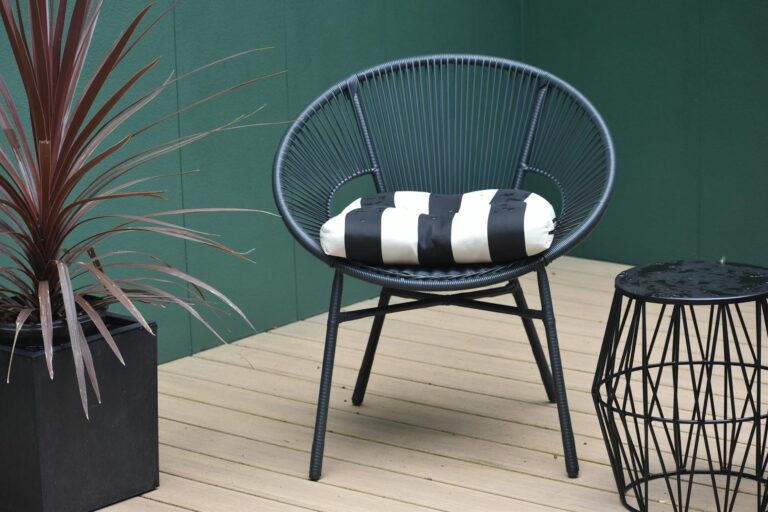
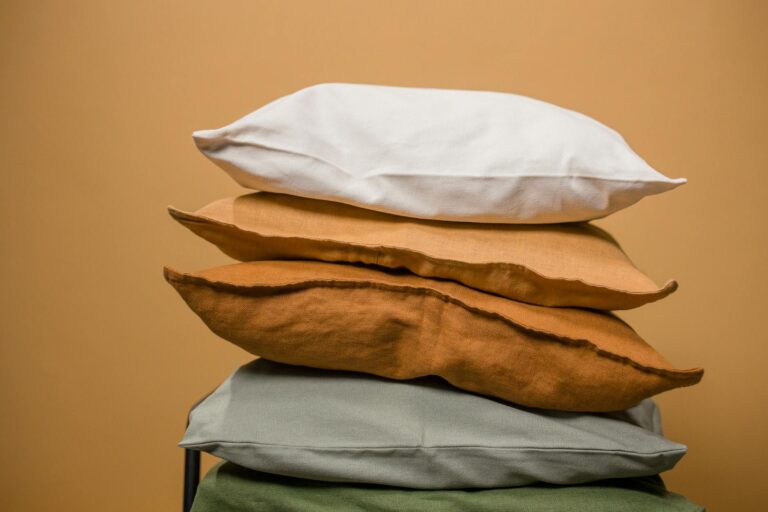
For dementia patients participating in craft activities, the best chair cushion is generally a high-density memory foam seat cushion with a non-slip base, moderate contouring, and a washable cover. This type of cushion addresses the core needs of someone who may sit for extended periods without recognizing discomfort signals, while also providing the postural stability needed for fine motor tasks like painting, folding, or beading. A good example is the kind of pressure-relief cushion commonly used in wheelchair seating or geriatric care settings, typically around three to four inches thick, with a slightly contoured surface that prevents sliding forward. These cushions have long been recommended by occupational therapists working in memory care, though specific product availability and pricing shift frequently, so it is worth consulting a current supplier catalog or therapist recommendation.
This article goes beyond a simple product suggestion to explore why cushion choice matters so much for this particular population during this particular activity. Craft sessions are one of the most widely used therapeutic interventions in dementia care, but they require sustained seated attention, something that becomes genuinely difficult when a person is experiencing pain or restlessness they cannot articulate. We will look at the specific physical risks dementia patients face while seated, how different cushion types compare for craft-oriented use, what features matter most, and the practical realities of maintaining cushions in a care environment. We will also address common mistakes caregivers make when choosing seating support and discuss when a cushion alone is not enough.
Table of Contents
- Why Do Dementia Patients Need Special Chair Cushions for Craft Activities?
- Comparing Cushion Types for Seated Craft Sessions in Dementia Care
- Key Features to Look for in a Craft-Friendly Dementia Cushion
- How to Set Up Seating for Dementia Craft Activities Beyond the Cushion
- Common Mistakes When Choosing Cushions for Dementia Patients
- Maintaining and Replacing Cushions in a Care Setting
- When a Cushion Is Not Enough and What Comes Next
- Conclusion
- Frequently Asked Questions
Why Do Dementia Patients Need Special Chair Cushions for Craft Activities?
The fundamental issue is that many people with moderate to advanced dementia lose the ability to recognize and respond to discomfort. A cognitively healthy person shifts position dozens of times per hour without thinking about it, redistributing pressure across the sitting surface. A person with dementia may sit in one position for the entire duration of a craft session, sometimes forty-five minutes to an hour, without making those micro-adjustments. This creates concentrated pressure on the ischial tuberosities, the sit bones, and can lead to skin breakdown, pressure injuries, and significant pain that the person may express only through agitation, withdrawal, or refusal to participate in future activities. Caregivers sometimes interpret this behavioral change as declining interest in crafts, when in reality the person is associating the activity with physical discomfort they cannot name. Craft activities add a second layer of need.
Unlike simply sitting in a common area watching television, crafts require a person to reach, grasp, manipulate small objects, and maintain some degree of trunk stability. A cushion that is too soft or too thick can actually undermine this by raising the person too high relative to the table, creating an unstable base, or causing the person to sink into a position that limits arm movement. The ideal cushion for craft time is one that provides pressure relief without sacrificing the firm, level support that allows a person to use their hands effectively. This is a different balance than what you would seek for, say, a recliner cushion used during rest periods. Historically, occupational therapy literature has emphasized that seating interventions for people with dementia should be activity-specific rather than one-size-fits-all. A person might benefit from a softer, more enveloping cushion during passive sitting and a firmer, more supportive one during engaged tasks. This distinction is often overlooked in residential care settings, where a single cushion tends to follow the person from room to room regardless of what they are doing.
Comparing Cushion Types for Seated Craft Sessions in Dementia Care
The main cushion categories relevant here are memory foam, gel, air-cell, and basic polyurethane foam. Each has tradeoffs that matter in the context of craft activities. Memory foam cushions, particularly those made from high-density viscoelastic foam, are widely considered the best general-purpose option because they conform to the body’s shape and distribute pressure relatively evenly. For craft sessions, a medium-firm memory foam cushion with a flat or gently contoured top surface tends to work well because it provides enough stability for reaching and grasping while still protecting the skin. The main drawback of memory foam is heat retention; some dementia patients become agitated when they feel warm, and a foam cushion can contribute to that discomfort during longer sessions. Gel cushions, especially gel-over-foam hybrids, address the heat issue to some extent and provide good pressure distribution. They are heavier than pure foam cushions, which can actually be an advantage in dementia care because the cushion is less likely to be displaced when a person stands up or shifts around.
However, gel cushions tend to be slightly less stable as a sitting surface. There is a subtle wobble quality to some gel products that can be disorienting for a person with impaired proprioception, which is common in later stages of dementia. If the person you are caring for tends to lean or has reduced trunk control, a gel cushion may not be the best choice for an activity that requires reaching across a table. Air-cell cushions, such as those used in advanced wheelchair seating, offer excellent pressure relief and are the clinical gold standard for preventing pressure injuries in high-risk individuals. However, they are generally not ideal for craft activities. The air cells create a slightly unstable surface that requires constant postural adjustment, the very thing many dementia patients cannot do independently. They are also more expensive and require periodic maintenance to ensure proper inflation. For someone at very high risk of skin breakdown who must participate in seated activities, an air-cell cushion may be necessary, but it should be paired with additional trunk support and a lower table height to compensate for the less stable base.
Key Features to Look for in a Craft-Friendly Dementia Cushion
The non-slip base is arguably the most critical feature, and it is the one most commonly missing from cushions marketed to the general public. A cushion that slides on a chair surface is a fall risk, full stop. When a person with dementia pushes forward to reach for a paintbrush or leans to one side to see their work, the cushion must stay in place. Look for cushions with a rubberized or silicone-dotted bottom surface. Some caregivers use non-slip shelf liner underneath a regular cushion as a workaround, and this can be effective, though it adds another item to manage and clean. A removable, machine-washable cover is the second non-negotiable feature.
Craft activities involve paint, glue, markers, and other materials that will inevitably end up on the cushion. In a dementia care setting, incontinence is also a reality that must be planned for. Waterproof or water-resistant inner covers add a layer of protection for the foam or gel core, which is typically not washable. Some higher-end cushions designed for clinical use include both a waterproof inner liner and a breathable outer cover, and this dual-layer approach is worth the additional cost over time because it extends the life of the cushion significantly. A specific example worth noting: some memory care programs have had success using cushions originally designed for stadium seating or outdoor events, which tend to be firm, flat, water-resistant, and equipped with carrying handles. These are far less expensive than medical-grade cushions, and for a person who is at low risk of pressure injury but simply needs better comfort and stability during a one-hour craft group, they can be a reasonable option. The limitation is that they offer minimal pressure redistribution, so they are not appropriate for someone who sits for extended periods or who has thin, fragile skin.
How to Set Up Seating for Dementia Craft Activities Beyond the Cushion
The cushion does not work in isolation. The chair itself matters enormously, and a good cushion on a bad chair is a compromised solution. The chair should have armrests, because armrests provide lateral stability and give the person something to push against when standing up. The chair height, with the cushion in place, should allow the person’s feet to rest flat on the floor with knees at roughly ninety degrees. If the cushion raises the person too high, their feet may dangle, which reduces stability and increases restlessness. This is a common problem when a thick pressure-relief cushion is added to a standard dining chair, and it is the main reason why a three-inch cushion is generally preferable to a five-inch one in this context. Table height relative to elbow position is the other critical measurement.
When seated with the cushion, the person’s elbows should rest comfortably at or just below table height, allowing them to work on the craft surface without hunching or reaching up. Some care facilities use adjustable-height tables for activity rooms, and this is a worthwhile investment if craft programming is a regular part of the schedule. The tradeoff here is between a thicker cushion that provides more pressure relief and a thinner cushion that maintains better ergonomic alignment with standard-height furniture. For most dementia patients participating in craft groups of sixty minutes or less, the alignment concern outweighs the pressure concern, and a moderate-thickness cushion is the better choice. A footrest can resolve the height mismatch in cases where a thicker cushion is medically necessary. A simple, stable, non-slip footrest under the table allows the person to have full foot contact with a surface even when the cushion has raised them above the standard seat height. This is a much better solution than cutting down chair legs or using a thinner cushion for someone who genuinely needs the pressure relief.
Common Mistakes When Choosing Cushions for Dementia Patients
The most frequent mistake is choosing a cushion that is too soft. Family caregivers and even some facility staff tend to equate softness with comfort, but for a person with dementia participating in an active task, excessive softness creates instability and can actually increase agitation. A person who feels like they are sinking or cannot find a stable base may become anxious or attempt to stand repeatedly, which disrupts the activity and creates a fall risk. The cushion should feel supportive and secure, not plush. If you press your hand into the cushion and it bottoms out easily, reaching the chair surface beneath, it is too soft or too thin for this purpose. Another common error is failing to account for the specific person’s body weight and build.
Cushion manufacturers typically design their products for an average weight range, and a cushion that provides excellent support for a person weighing one hundred fifty pounds may bottom out completely under someone weighing two hundred twenty pounds. This is especially relevant with memory foam, which has a density rating that corresponds to the weight it can effectively support. If the person is significantly above or below average weight, a standard off-the-shelf cushion may not perform as expected, and a consultation with a seating specialist or occupational therapist is warranted. A warning that bears emphasis: no cushion eliminates the need for regular repositioning and skin checks. Even the best pressure-relief cushion is a supplement to good care practices, not a replacement for them. During craft activities, caregivers should observe participants for signs of discomfort, including fidgeting, leaning to one side, facial grimacing, or attempts to stand, and should encourage or assist with position changes at least every thirty minutes. The cushion buys time and reduces risk, but it does not make prolonged static sitting safe for a vulnerable person.

Maintaining and Replacing Cushions in a Care Setting
In a facility or home care setting where cushions are used daily, establishing a cleaning and replacement schedule prevents the gradual degradation that can turn a supportive cushion into a flat, ineffective one. Memory foam in particular loses its resilience over time, and a cushion that felt firm and supportive six months ago may have compressed to the point where it no longer provides meaningful pressure redistribution. A practical test is to place the cushion on a flat surface, press down firmly in the center, and observe how quickly and fully it returns to shape.
If it recovers slowly or retains a visible impression, it needs to be replaced. For programs running regular craft groups, having a dedicated set of cushions reserved for activity time rather than using each person’s everyday cushion is worth considering. This approach keeps the craft cushions cleaner, allows them to be stored properly between uses, and ensures that a person’s primary pressure-relief cushion is not exposed to craft materials that could damage it. Labeling cushions with residents’ names, if they have specific needs or preferences, is a small step that makes a meaningful difference in consistency of care.
When a Cushion Is Not Enough and What Comes Next
For some dementia patients, particularly those in later stages with significant postural instability, contractures, or existing pressure injuries, a standard seat cushion will not provide adequate support for participation in craft activities. In these cases, a more comprehensive seating assessment by an occupational therapist or seating specialist is needed. This assessment may result in a recommendation for a custom-molded cushion, a tilt-in-space wheelchair with an integrated seating system, or adaptive positioning devices that provide trunk and lateral support beyond what a cushion alone can offer.
The broader trajectory in dementia care seating is moving toward more individualized and activity-specific solutions. As awareness grows that behavioral symptoms in dementia are often driven by unmet physical needs, including seating discomfort, there is increasing attention to how the physical environment supports or undermines therapeutic activities. Craft programming in particular is gaining recognition as a meaningful intervention for quality of life in dementia, and this is driving more thoughtful approaches to the practical details, including seating, that make participation possible and comfortable. Caregivers who invest time in getting the seating right often report that the person participates longer, engages more deeply, and shows fewer signs of distress during and after the activity.
Conclusion
Choosing the right chair cushion for a dementia patient during craft activities is a decision that sits at the intersection of pressure injury prevention, postural support, ergonomic alignment, and behavioral well-being. A high-density memory foam cushion with a non-slip base and a washable cover represents the best starting point for most individuals, but the right choice depends on the person’s weight, skin integrity, postural stability, and the specific demands of the activity. The cushion must be firm enough to provide a stable base for reaching and fine motor work, thick enough to protect the skin during a typical session, and practical enough to withstand the realities of a craft environment.
Beyond the cushion itself, the setup matters. Chair height, table height, foot support, and regular repositioning all play essential roles in making craft participation safe and comfortable. Caregivers should resist the impulse to choose the softest or thickest cushion available and instead focus on the balance between support and stability. When in doubt, an occupational therapist with experience in dementia care seating can provide guidance tailored to the individual, and that consultation is almost always a worthwhile step.
Frequently Asked Questions
Can I just use a regular pillow instead of a dedicated seat cushion?
A regular pillow is generally too soft and too unstable for craft activities. It compresses quickly under body weight, provides minimal pressure redistribution, and can shift on the chair surface, creating a fall risk. A pillow may be acceptable for very short sitting periods in a low-risk individual, but it is not a substitute for a proper seat cushion during an activity that requires postural stability.
How often should I replace a memory foam seat cushion used in dementia care?
This depends on the quality of the foam and the frequency of use. As a general guideline, a cushion used daily should be evaluated every six to twelve months for signs of permanent compression or slow recovery. Higher-density foams tend to last longer. If the cushion no longer springs back to its original shape after being pressed, it is time for a replacement.
Are heated seat cushions safe for dementia patients?
Heated cushions are generally not recommended for people with dementia. Impaired sensation and reduced ability to communicate discomfort create a real risk of burns, even with low-heat settings. If warmth is desired for comfort, a warm blanket over the lap is a safer alternative because it can be easily removed and does not create direct, sustained contact heat on the sitting surface.
Should I use the same cushion for craft time and for meals?
Ideally, the craft cushion should be dedicated to activity use and kept separate from mealtime seating. Craft materials can stain or damage cushion covers, and food spills during meals create hygiene concerns if the same cushion is then used at an activity table. If only one cushion is available per person, a water-resistant cover that can be wiped down between uses is important.
My family member keeps removing the cushion from the chair. What should I do?
This is a common behavior and may indicate that the cushion feels uncomfortable, unfamiliar, or unstable. Try a thinner or firmer cushion and ensure the cover texture is not irritating. Some people respond better to a cushion that matches the chair’s color or upholstery, making it feel like part of the chair rather than a foreign object. Strapping the cushion to the chair with fabric ties can also help, though this should be done in a way that does not create a restraint.