The best cushion for Alzheimer’s patients during long care appointments is generally a pressure-relieving memory foam or gel-infused seat cushion with a non-slip base, ideally one that distributes weight evenly without requiring the user to adjust it themselves. For someone with dementia who may sit through medical visits, therapy sessions, or day program activities lasting an hour or more, a cushion like the ones designed for wheelchair users — thick, contoured, and forgiving — tends to outperform standard throw pillows or basic foam pads. A caregiver bringing a familiar cushion from home to a neurology appointment, for instance, can reduce the fidgeting and agitation that often escalates when an Alzheimer’s patient becomes physically uncomfortable in an unfamiliar chair.
Choosing the right cushion matters more than many caregivers initially realize. Pain and discomfort are undertreated in dementia populations partly because patients in moderate to advanced stages often cannot articulate what hurts or why they are restless. A patient squirming through a 90-minute cognitive assessment may not be declining — they may simply have a sore tailbone. This article covers why cushion selection is a genuine care concern, the types of cushions that work best for different situations, what features to prioritize and which to skip, how to handle sensory sensitivities, and practical strategies for making long appointments more tolerable overall.
Table of Contents
- Why Do Alzheimer’s Patients Need Special Cushions for Long Care Appointments?
- Types of Cushions That Work Best for Dementia Patients — and Their Limitations
- Sensory Sensitivities and Material Concerns in Alzheimer’s Care
- How to Choose the Right Cushion Size and Shape for Clinic Chairs
- When a Cushion Is Not Enough — Recognizing Deeper Comfort Issues
- Making Appointments Easier Beyond the Cushion
- Where Cushion Design for Dementia Care May Be Heading
- Conclusion
- Frequently Asked Questions
Why Do Alzheimer’s Patients Need Special Cushions for Long Care Appointments?
People with Alzheimer’s disease face a combination of challenges that make prolonged sitting both more likely and more problematic. As the disease progresses, patients spend increasing amounts of time seated — during medical evaluations, blood draws, imaging appointments, and care plan meetings where they may be present but not actively participating. Unlike a cognitively healthy adult who shifts position unconsciously, scratches an itch, or stands up to stretch, a person with moderate to advanced dementia may lose the instinct or ability to make those micro-adjustments. The result is sustained pressure on the same tissue, which can lead to discomfort, skin breakdown, and behavioral changes that caregivers and clinicians may misinterpret as disease progression. Standard waiting room and exam room chairs are not designed for this population. They tend to be hard, flat, and shallow, built for durability rather than comfort. Compare that to the kind of seating used in skilled nursing environments, where cushioned wheelchairs and recliners with pressure-mapping technology are standard.
The gap between what a clinic provides and what a dementia patient actually needs is significant. A caregiver who brings a proper cushion to appointments is essentially bridging that gap on their own, and the difference in the patient’s tolerance and behavior during the visit can be striking. There is also the issue of skin integrity. Older adults with Alzheimer’s often have thinner, more fragile skin, and many are taking blood thinners or other medications that increase bruising risk. Sitting on a hard surface for extended periods can create pressure injuries even in a single long appointment, particularly over the ischial tuberosities — the “sit bones” — and the coccyx. A cushion is not a luxury here. It is a basic protective measure.

Types of Cushions That Work Best for Dementia Patients — and Their Limitations
Memory foam cushions remain the most widely recommended option for general use. They conform to the body’s shape, distribute pressure across a broader surface area, and return to their original form when not in use. A standard memory foam seat cushion roughly three to four inches thick will handle most appointment scenarios well. The main limitation is heat retention — memory foam traps body warmth, which can become uncomfortable during longer sits, especially for patients who run hot or are prone to sweating. Gel-infused memory foam addresses this to some degree, though no foam cushion fully eliminates the heat issue. Gel cushions, particularly those using a grid or honeycomb structure, offer excellent pressure distribution and better airflow than solid foam. They tend to be heavier, however, which is a practical downside when a caregiver is already managing a bag, paperwork, mobility aids, and a patient.
Air-cell cushions — the kind commonly used in wheelchair seating — provide superior pressure relief and are favored in clinical settings for patients at high risk of pressure injuries. However, they require periodic inflation adjustments and can feel unstable to a patient who is already dealing with balance or spatial awareness issues. If a patient tends to lean or slide, an air cushion without proper stabilization features may actually increase anxiety. Combination cushions that layer gel over foam, or foam over an air bladder, attempt to offer the best of multiple technologies. These can be effective, but they also tend to be more expensive and bulkier. For most caregivers managing routine appointments, a quality memory foam or gel-foam hybrid in a portable size strikes the best balance between performance and practicality. The key warning here: a cushion that works well at home in a familiar recliner may behave differently on a narrow clinic chair. Testing the cushion on a hard, flat surface before relying on it during an appointment is worth the effort.
Sensory Sensitivities and Material Concerns in Alzheimer’s Care
alzheimer‘s disease frequently alters sensory processing in ways that affect how a patient experiences textures, temperatures, and physical contact. A cushion cover that feels perfectly normal to a caregiver might be intensely irritating to a patient with tactile hypersensitivity. Rough fabrics, crinkly waterproof linings, and covers with raised patterns or seams can provoke agitation. One common scenario involves a caregiver purchasing a well-reviewed medical cushion only to find that the patient repeatedly tries to pull it out from under themselves or becomes visibly distressed — not because of the cushion’s support, but because of its cover material. Soft, smooth, machine-washable covers in neutral or familiar colors tend to be better tolerated.
Some caregivers have found success using a pillowcase from home over the cushion, which adds a layer of tactile familiarity and can carry a comforting scent. This may sound minor, but for a patient already coping with the disorientation of an unfamiliar medical environment, even small sensory anchors can reduce distress. Waterproof liners, while practical for incontinence concerns, should ideally sit beneath the fabric cover rather than directly against the patient’s body, as the plastic or vinyl feel can be both uncomfortable and alarming. Temperature sensitivity is another factor. A memory foam cushion that has been sitting in a cold car during winter will feel hard and uninviting until it warms up. Bringing the cushion inside ahead of time or keeping it wrapped in an insulating bag can prevent the initial shock of cold, rigid foam — which, for some patients, is enough to trigger refusal to sit down at all.

How to Choose the Right Cushion Size and Shape for Clinic Chairs
The practical reality of care appointments is that you are placing a portable cushion on whatever chair the clinic provides, and clinic seating varies enormously. Standard waiting room chairs are typically 16 to 18 inches wide. Exam room chairs or stools may be narrower. Some clinics use armchairs that constrain width further. A cushion that is too wide will bunch up at the edges or force the patient’s legs into an uncomfortable position, while one that is too narrow concentrates pressure rather than distributing it. A cushion roughly 16 by 16 inches works for most standard chairs, though some caregivers prefer slightly larger options — around 18 by 16 inches — for patients who are broader or who tend to shift laterally. Contoured cushions with a coccyx cutout (a U-shaped channel at the back) provide tailbone relief but add bulk and may not sit flat on every chair.
Flat cushions are more versatile across different seating surfaces. The tradeoff is straightforward: a contoured cushion offers better targeted relief but less adaptability, while a flat cushion works almost anywhere but provides less specialized support. Weight matters too. A caregiver juggling a purse, medical binder, walker, and a resistant patient does not need a six-pound cushion. Most foam and foam-gel cushions weigh between one and three pounds, which is manageable. Carrying handles or cases, while seemingly trivial features, make a real difference in practice. Some caregivers keep a dedicated “appointment bag” with the cushion, a familiar blanket, snacks, and activities, which streamlines the process and reduces forgotten-item stress.
When a Cushion Is Not Enough — Recognizing Deeper Comfort Issues
A cushion addresses surface-level pressure, but not all seated discomfort in Alzheimer’s patients stems from the chair. Undiagnosed urinary tract infections, constipation, hip arthritis, and lower back pain can all manifest as agitation during prolonged sitting. If a patient who previously tolerated appointments well suddenly becomes unable to sit still despite a familiar cushion, the change in behavior warrants clinical attention rather than a cushion upgrade. Caregivers should be cautious about attributing all restlessness to seating discomfort — it can mask treatable medical issues. Positioning is another factor that a cushion alone cannot solve. A patient who slumps forward, leans to one side, or slides down in the chair may need postural support beyond what a seat cushion provides.
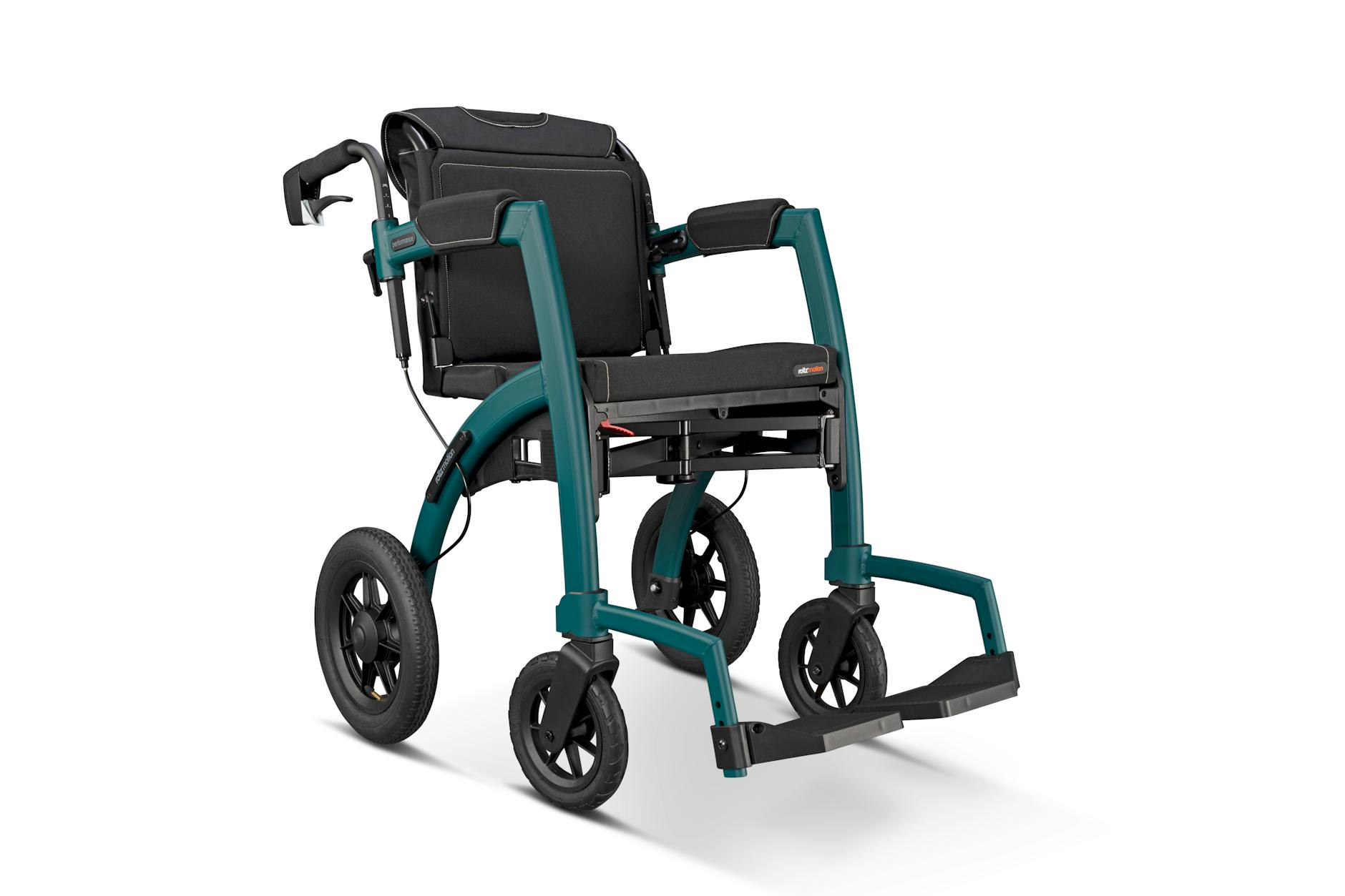
Lumbar rolls, lateral supports, or even a simple rolled towel behind the lower back can complement the seat cushion. For patients with significant postural instability, a wheelchair with proper seating may be more appropriate for appointments than attempting to manage in a standard chair. There is no shame in using a wheelchair for appointment comfort even if the patient can technically walk — the goal is tolerance and safety during the visit, not proving ambulatory ability. One limitation that caregivers sometimes discover too late: some cushions marketed for “all-day comfort” are designed for office workers who shift, stand, and move throughout the day. They assume active user participation in pressure relief. For a passive sitter — which many moderate to advanced Alzheimer’s patients are — these cushions may not provide adequate protection because they rely on the user redistributing weight periodically. Cushions specifically designed for wheelchair users or for patients at pressure injury risk are engineered for passive sitting and are generally the better choice for this population.
Making Appointments Easier Beyond the Cushion
The cushion is one piece of a broader strategy for managing long care appointments. Scheduling plays a significant role — booking the first appointment of the day or the first after lunch typically reduces wait times, which directly reduces the amount of sitting required. Letting the front desk know that the patient has dementia and may need accommodations, such as a quieter waiting area or permission to stand and walk the hallway, can prevent situations where the cushion has to do all the work.
Some caregivers bring a familiar item — a soft fidget toy, a family photo, a piece of fabric from a favorite garment — to provide a sensory anchor alongside the cushion. For a patient with Alzheimer’s, the combination of physical comfort from the cushion and emotional comfort from a familiar object can extend appointment tolerance considerably. One occupational therapist working in geriatric care described a patient who went from lasting ten minutes in the waiting room to sitting calmly for over forty, after the caregiver began bringing a specific cushion paired with the patient’s own lap blanket from home. The cushion helped the body; the blanket helped the mind.
Where Cushion Design for Dementia Care May Be Heading
The intersection of dementia care and seating technology is a relatively niche area, but it is beginning to receive more attention as the global population of people living with Alzheimer’s grows. Pressure-mapping technology, once confined to specialized wheelchair clinics, is becoming more accessible and could eventually allow caregivers to identify optimal cushion types based on an individual patient’s pressure profile. Some researchers have explored the use of smart cushions that alert caregivers when a patient has been seated too long without repositioning, though as of recent reports, these products remain primarily in institutional rather than consumer markets.
What seems likely is that the broader aging-in-place and dementia care movements will continue to push manufacturers toward more portable, washable, and sensory-friendly designs. For now, caregivers are largely navigating this on their own, borrowing solutions from the wheelchair seating world and adapting them for clinic use. The most effective approach remains decidedly low-tech: a good cushion, brought from home, tested in advance, and paired with scheduling strategy and sensory comforts. Technology may eventually refine the options, but the core principle — reducing physical discomfort to reduce behavioral distress — is unlikely to change.
Conclusion
Choosing the best cushion for an Alzheimer’s patient during long care appointments comes down to balancing pressure relief, portability, sensory acceptability, and adaptability to different chair types. Memory foam and gel-foam hybrid cushions in the three to four inch thickness range, with soft washable covers and non-slip bases, meet these criteria for most patients and most appointment scenarios. Contoured options with coccyx cutouts offer additional tailbone protection but sacrifice some versatility. The cushion should be tested at home on a hard, flat surface before being relied upon in a clinical setting, and caregivers should pay as much attention to the cover material and temperature behavior as to the cushion’s core support technology.
Beyond the cushion itself, the broader lesson is that physical comfort and cognitive function are deeply linked in Alzheimer’s care. A patient who is physically comfortable is more likely to tolerate a longer appointment, participate more fully in assessments, and exhibit less of the agitation that can derail a visit. Caregivers who invest a modest amount of effort in seating comfort — a good cushion, a familiar blanket, strategic scheduling — often find that the return is disproportionately large. It is one of the simpler interventions in dementia care, and one of the most consistently effective.
Frequently Asked Questions
Can I just use a regular throw pillow instead of a specialized cushion?
A throw pillow is better than nothing, but standard pillows compress quickly under body weight and do not distribute pressure evenly. After twenty or thirty minutes, most throw pillows flatten to the point where they provide minimal benefit. A purpose-built seat cushion maintains its supportive properties much longer and is designed specifically for the forces involved in sitting.
How thick should the cushion be for someone with very little body fat?
Patients who are thin or have low muscle mass over their sit bones generally benefit from a cushion at least three inches thick, and some clinicians recommend four inches for very thin individuals. Thinner cushions may not provide enough material to adequately distribute pressure away from bony prominences, and the patient may “bottom out,” meaning they compress the cushion fully and end up sitting on the hard surface beneath it.
What if my family member refuses to sit on the cushion?
Refusal is common, especially in patients with sensory sensitivities or those who are in a stage where unfamiliar objects provoke suspicion. Try placing the cushion on the chair before the patient approaches so it appears to be part of the chair rather than an addition. Using a cover that matches the chair color or a familiar fabric from home can also help. If refusal persists, forcing the issue typically increases agitation — try a different cushion type or material before concluding that a cushion will not work.
Should I get a waterproof cushion for incontinence concerns?
A waterproof liner beneath a fabric cover is generally preferable to a fully waterproof cushion surface. Direct contact with waterproof materials can feel sticky, hot, and unfamiliar, which may increase agitation. Many cushion covers are available with a waterproof membrane sandwiched between fabric layers, which protects the cushion core while maintaining a comfortable surface feel.
How often should I replace the cushion?
Foam cushions lose their supportive properties over time as the foam cells break down. A cushion used several times per week may need replacement every 12 to 18 months, while one used only for occasional appointments may last longer. The simplest test is to press your fist into the cushion and release — if it recovers slowly or incompletely, or if you can feel the hard surface beneath it during use, it is time to replace.
Are there cushions specifically designed for dementia patients?
As of recent information, very few cushions are marketed specifically for dementia patients. However, cushions designed for wheelchair users, for pressure injury prevention, or for elderly patients with limited mobility serve the same functional needs. Look for features relevant to this population — non-slip bases, smooth covers, adequate thickness, and passive pressure relief — rather than relying on dementia-specific labeling, which is uncommon in the market.