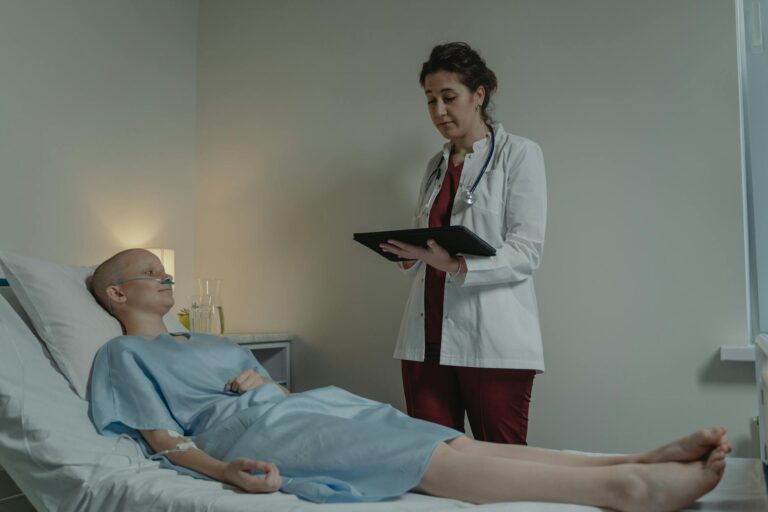
For dementia patients with reduced endurance who spend prolonged periods seated, clinical-grade air-cell cushions — particularly ROHO cushions — represent the best option backed by substantial evidence. Over 90 published scientific and clinical studies support ROHO’s air-cell technology for pressure redistribution, and in direct comparison studies, ROHO cushions outperformed both JAY and Pindot cushions at relieving seating surface pressure. For someone like a nursing home resident with moderate dementia who can no longer stand or reposition independently, the difference between a basic foam cushion and an air-cell system can be the difference between intact skin and a painful, slow-healing pressure ulcer.
This matters more than many caregivers realize. A pooled analysis of 30 studies covering 355,784 older nursing home residents found that 11.6% have pressure injuries at any given time, with the sacrum — a direct seating contact point — accounting for 27.2% of all pressure injury locations. Dementia patients face compounded risk because they often cannot recognize discomfort or shift their own weight, making the cushion beneath them one of the most consequential pieces of equipment in their daily care. This article breaks down the types of cushions available and what the clinical evidence says about each, explains why dementia creates unique seating challenges, covers specific products and their price ranges, walks through Medicare coverage rules, and offers practical guidance on getting a professional seating evaluation.
Table of Contents
- Why Do Dementia Patients With Reduced Endurance Need Specialized Chair Cushions?
- How Air-Cell, Gel, and Foam Cushions Compare for Pressure Relief
- What Makes Dementia-Specific Seating Different From Standard Wheelchair Cushions
- Specific Cushion Products and What They Actually Cost
- Does Medicare Cover Chair Cushions for Dementia Patients?
- How to Get a Professional Seating Evaluation
- Where Dementia Seating Technology Is Heading
- Conclusion
Why Do Dementia Patients With Reduced Endurance Need Specialized Chair Cushions?
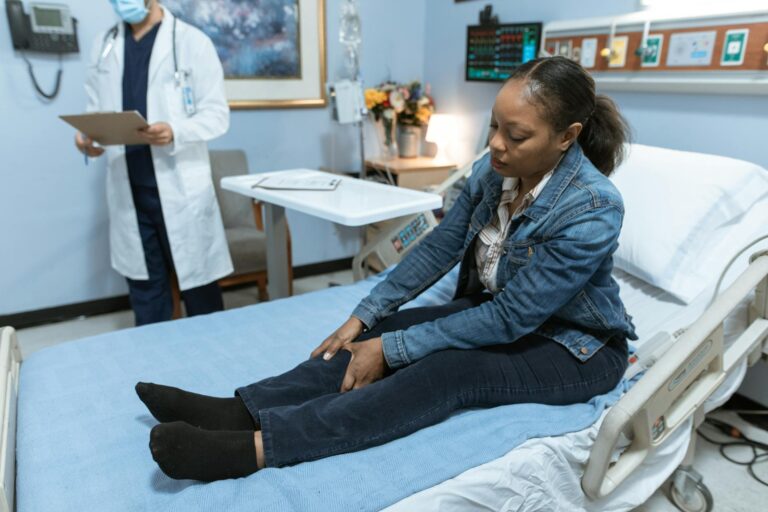
Reduced endurance in dementia patients creates a compounding problem. As the disease progresses, many individuals lose the physical stamina to stand, walk, or even shift their weight while seated. This means they remain in one position for hours at a time, concentrating pressure on the ischial tuberosities (the bony prominences you sit on), the sacrum, and the coccyx. Without intervention, that sustained pressure compresses blood vessels, starves tissue of oxygen, and leads to pressure injuries. Among nursing home residents admitted without pressure ulcers, the one-year incidence is 13.2%, rising to 21.6% by two years of stay — a trajectory that underscores how sitting in the same position day after day takes a measurable toll. What separates dementia patients from other populations at risk is the cognitive dimension.
A person recovering from surgery might feel discomfort and instinctively adjust their position. A dementia patient frequently cannot recognize that sensation or lacks the executive function to act on it. Experts recommend that caregivers change seat pads multiple times per day to shift pressure points, but in practice, staffing ratios and caregiver fatigue make this inconsistent. The cushion itself has to do the heavy lifting — literally redistributing pressure without requiring the patient to participate in the process. Compare this to a younger wheelchair user with full cognition who performs regular weight shifts throughout the day. That person might do well with a mid-range foam or gel cushion because they actively manage their own pressure relief. For the dementia patient who sits passively for six or eight hours, a cushion that actively redistributes or alternates pressure is not a luxury — it is a clinical necessity.

How Air-Cell, Gel, and Foam Cushions Compare for Pressure Relief
The clinical evidence draws a clear hierarchy among cushion types. A randomized clinical trial studying elderly nursing home residents found that skin protection cushions — including air, viscous fluid/foam, and gel/foam designs — resulted in only 0.9% (1 out of 113) ischial tuberosity ulcer incidence. The segmented foam cushion group, by contrast, saw a 6.7% rate (8 out of 119). That is roughly a sevenfold difference in ulcer development, and it came from a controlled study specifically looking at the population most relevant to dementia care. Air-cell cushions like the ROHO line work by distributing the user’s weight across multiple interconnected air cells. When one cell is compressed, air flows to adjacent cells, equalizing pressure across the seating surface. Gel and viscous fluid cushions operate on a similar principle — the fluid displaces under pressure to spread load more evenly.
Foam cushions, particularly basic segmented foam, simply compress under weight and bottom out faster, which is why they consistently score worst for pressure relief in comparative studies. However, foam does have advantages: it is lighter, less expensive, and requires no maintenance. For a dementia patient who sits for only brief periods and has intact sensation, a high-quality contoured foam cushion may be adequate. The problems arise when sitting duration extends and the patient cannot self-correct. One important limitation: even the best static cushion will eventually allow tissue loading in a patient who sits motionless for many hours. This is where alternating pressure cushions enter the picture. These devices intermittently inflate and deflate individual air cells to redistribute weight and restore blood flow to compressed tissues automatically. For dementia patients who truly cannot reposition themselves — which describes a significant portion of those in mid-to-late stage disease — alternating pressure systems address the fundamental problem that no static surface can solve on its own.
What Makes Dementia-Specific Seating Different From Standard Wheelchair Cushions
Dementia introduces challenges that go beyond pressure relief. Agitation, restlessness, incontinence, and fall risk all shape what kind of seating system works in practice. Broda wheelchairs, for example, were designed with these factors in mind. They offer tilt-in-space positioning that shifts the user’s center of gravity to reduce sliding, Comfort Tension Seating that conforms to the user’s body shape, and dynamic rocking that keeps dementia patients engaged and can reduce agitation. All cushion components in Broda systems are fluid-resistant and easy to clean — a practical necessity given the frequency of incontinence in this population. Waterproof or water-resistant covers with sealed seams or waterfall flap zippers are broadly recommended for dementia care settings to prevent liquid seepage into cushion materials. This is not a minor detail.
A cushion that absorbs urine becomes a hygiene risk and degrades faster, losing its pressure-redistributing properties. When evaluating any cushion for a dementia patient, the cover material and closure system deserve as much scrutiny as the cushion core itself. A clinically excellent air-cell cushion paired with a poorly sealed cover will fail in a real-world dementia care environment. Consider a specific scenario: a patient with moderate Alzheimer’s who rocks forward and backward in their chair throughout the day. A standard flat gel cushion on a basic wheelchair may slide forward with the patient, creating shear forces that damage skin. A tilt-in-space chair with a contoured air-cell cushion and a secure, wipeable cover addresses the movement pattern, the pressure risk, and the hygiene challenge simultaneously. This is why occupational therapists and seating specialists recommend evaluating the entire seating system rather than selecting a cushion in isolation.

Specific Cushion Products and What They Actually Cost
Price is a real factor in cushion selection, and the range is wide. The ROHO High Profile Single Compartment Cushion — a clinical-grade air-cell option — runs approximately $563 to $773 depending on size and model. The ROHO ENHANCER Wheelchair Cushion is priced around $727.75. These are serious investments, but they reflect the engineering and clinical validation behind the products. For facilities or families managing care for a dementia patient at high risk for pressure injuries, the cost of treating a stage III or IV pressure ulcer — which can run into tens of thousands of dollars and months of wound care — makes the cushion look like a bargain by comparison. At the other end of the spectrum, the ROHO MOSAIC Cushion offers an entry-level inflatable option at a lower price point and fits wheelchairs, office chairs, and home seating.
For caregivers looking for budget-friendly options for their own seating during long care shifts, the ComfiLife Gel Enhanced Seat Cushion provides a memory foam base with a cooling gel layer and coccyx cutout, while the Cushion Lab Pressure Relief Seat Cushion runs approximately $60 to $70 and features patented multi-region pressure relief that physical therapists frequently recommend. These consumer-grade cushions are not substitutes for clinical seating in a high-risk dementia patient, but they serve well for lower-acuity situations or caregiver comfort. The tradeoff is straightforward: clinical-grade air-cell and alternating pressure cushions cost more, require some maintenance (checking inflation levels, inspecting cells for leaks), and may need professional fitting. Consumer-grade foam and gel cushions are affordable, maintenance-free, and widely available, but they offer less pressure redistribution and bottom out faster under sustained use. For a dementia patient with reduced endurance who sits for extended periods, the clinical evidence favors the higher-end options. For a patient who still ambulates regularly and sits for shorter intervals, a quality mid-range cushion may be appropriate — but this determination should come from a professional assessment, not guesswork.
Does Medicare Cover Chair Cushions for Dementia Patients?
Medicare does cover skin protection seat cushions, but the criteria are specific and the documentation requirements are real. To qualify, a beneficiary must have a covered wheelchair and meet at least one of these conditions: a current or past pressure ulcer on a seating contact area, absent or impaired sensation in the contact area, or inability to perform functional weight shifts. Many dementia patients with reduced endurance meet the third criterion, since the inability to shift weight is a hallmark of advanced disease. However, the coverage is not automatic — documentation from a physician, occupational therapist, physical therapist, or wound care specialist is required. The critical limitation to understand is that Medicare will not cover cushions for comfort alone. A documented medical need is mandatory.
This means a caregiver who simply requests a better cushion because the current one seems uncomfortable will likely face a denial. The path to coverage runs through a clinical evaluation that documents the patient’s inability to reposition, their pressure injury risk factors, and the medical necessity of a skin protection cushion. Families should request this evaluation proactively rather than waiting until a pressure injury has already developed — by which point the damage is done and treatment becomes far more complex and costly than prevention. One warning: not all suppliers are equally familiar with Medicare documentation requirements for seat cushions. Working with a durable medical equipment provider that specializes in seating and has experience with Medicare claims for this product category reduces the risk of denials and delays. Ask the provider directly whether they have processed successful claims for skin protection cushions under LCD L33312 before placing an order.
How to Get a Professional Seating Evaluation
Occupational therapists and certified seating specialists are the appropriate professionals to consult for cushion selection. A proper seating evaluation should assess the patient’s sensation levels, their ability (or inability) to reposition independently, any history of pressure injuries, typical sitting duration throughout the day, and the type of chair or wheelchair being used. For dementia patients, the evaluation should also account for behavioral factors like agitation, rocking, or sliding, since these affect both cushion performance and safety.
As a practical example, a seating specialist evaluating a dementia patient in a nursing home might use pressure mapping — a technology that places sensors between the patient and the cushion surface to visualize exactly where pressure concentrates. This data can reveal that a patient who appears well-positioned is actually bearing excessive load on one ischial tuberosity due to a pelvic asymmetry, information that would change the cushion recommendation entirely. Many rehabilitation hospitals and larger skilled nursing facilities have access to pressure mapping equipment, and requesting this as part of the evaluation adds objective data to what can otherwise be a subjective process.
Where Dementia Seating Technology Is Heading
The intersection of sensor technology and cushion design is an area of active development. Alternating pressure cushions already automate what dementia patients cannot do for themselves — redistribute weight on a timed cycle. The next step involves cushions with embedded pressure sensors that detect sustained loading in real time and adjust inflation patterns dynamically, rather than on a fixed schedule. For dementia patients who shift unpredictably between agitation and stillness, responsive systems could provide pressure relief precisely when and where it is needed.
The broader trend in dementia care is toward integrated seating systems that combine pressure management, postural support, fall prevention, and behavioral accommodation in a single solution. Products like Broda’s dementia-specific chairs already move in this direction. As the population of people living with dementia continues to grow, demand for evidence-based seating solutions will drive further innovation — but the fundamentals will remain the same. The best cushion is one that redistributes pressure effectively, accommodates the realities of dementia care including incontinence and agitation, and is selected based on a professional evaluation rather than marketing claims.
Conclusion
For dementia patients with reduced endurance, the evidence points consistently toward clinical-grade air-cell cushions — particularly ROHO products — as the gold standard for pressure redistribution. Alternating pressure cushions add another layer of protection for patients who cannot reposition at all. Basic foam cushions perform worst in comparative studies and should generally be avoided for high-risk patients who sit for extended periods.
The specific choice should be guided by a professional seating evaluation that accounts for the patient’s sensation, repositioning ability, sitting duration, behavioral patterns, and pressure injury history. The practical next steps are clear: request a seating evaluation from an occupational therapist or certified seating specialist, ask about pressure mapping to get objective data, inquire about Medicare coverage under LCD L33312 if the patient meets medical necessity criteria, and ensure that whatever cushion is selected comes with a waterproof cover designed for incontinence management. Prevention is always less costly and less painful than treatment — the 11.6% prevalence of pressure injuries among nursing home residents represents a problem that better seating can meaningfully reduce.