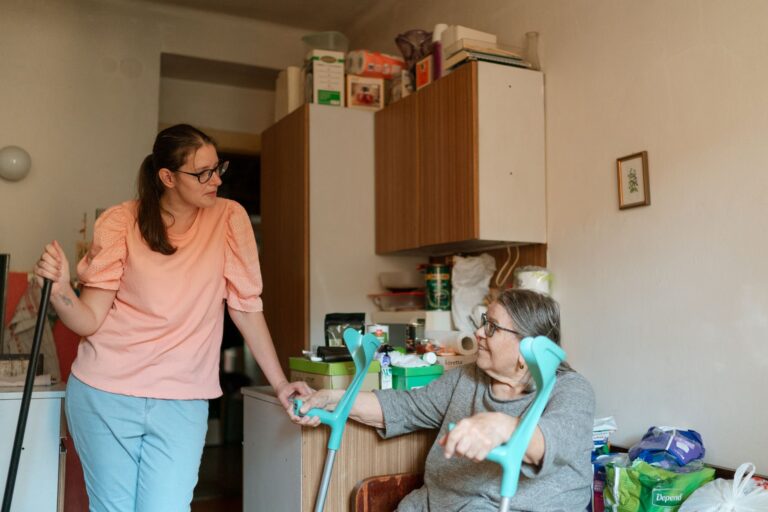
Best chair sits at the center of this dementia and brain health question.
For Alzheimer’s patients with pain sensitivity, the best chair cushion is generally a pressure-relieving memory foam or gel-infused cushion designed to distribute body weight evenly and reduce contact pressure on bony prominences like the tailbone and hips. Products such as the ROHO dry flotation cushion, which uses interconnected air cells to mimic flotation therapy, have long been regarded as a clinical gold standard for individuals who cannot reliably shift their own weight or communicate discomfort. For a family caregiver dealing with a loved one who flinches during transfers or becomes agitated after sitting for more than thirty minutes, switching from a standard wheelchair or recliner pad to a purpose-built pressure redistribution cushion can meaningfully reduce behavioral symptoms that are actually rooted in unaddressed pain. Choosing the right cushion is not as simple as picking the most expensive option, however.
Alzheimer’s patients present a unique challenge because pain sensitivity in this population is frequently undertreated and difficult to assess. A person in the moderate-to-advanced stages of dementia may not be able to say “my back hurts” but may instead exhibit increased agitation, resistance to sitting, or sudden aggression during repositioning. The cushion itself must account for this communication gap by providing passive comfort that does not require the user to adjust their position. This article covers the specific types of cushion materials that work best, how to match a cushion to the patient’s stage of disease and mobility level, the role of cover fabrics and temperature regulation, practical fitting advice, common mistakes caregivers make, and when a cushion alone is not enough.
Table of Contents
- Why Do Alzheimer’s Patients With Pain Sensitivity Need Specialized Chair Cushions?
- Comparing Cushion Materials — Memory Foam, Gel, Air, and Hybrid Options
- How Pain Expression Changes Across Alzheimer’s Stages and What That Means for Cushion Selection
- How to Fit a Chair Cushion Properly for an Alzheimer’s Patient
- Common Mistakes and Overlooked Factors in Cushion Selection
- The Role of Occupational Therapists and Seating Specialists
- When a Cushion Is Not Enough — Recognizing the Limits of Seating Interventions
- Conclusion
Why Do Alzheimer’s Patients With Pain Sensitivity Need Specialized Chair Cushions?
Alzheimer’s disease does not eliminate the experience of pain — it disrupts the ability to process and communicate it. Research in geriatric medicine has consistently shown that people with dementia experience pain at rates comparable to cognitively intact older adults, yet they receive significantly less pain management. When a patient with pain sensitivity is seated on a hard or poorly designed surface for extended periods, the resulting discomfort can trigger what clinicians sometimes call “behavioral and psychological symptoms of dementia,” or BPSD. A caregiver might interpret increased restlessness, vocal outbursts, or refusal to sit as a progression of the disease when the actual cause is a pressure point on the ischial tuberosities — the “sit bones” — that would make anyone uncomfortable. Specialized chair cushions address this problem by redistributing pressure across a larger surface area. Standard sofa or chair cushions compress under body weight and bottom out quickly, concentrating force on a few square inches of tissue.
A pressure-relieving cushion, by contrast, is engineered to spread that load. For example, a viscoelastic memory foam cushion conforms to the individual’s anatomy and reduces peak interface pressures, while an air cell cushion like the ROHO allows the body to sink into a supported position where no single point bears disproportionate weight. For someone with Alzheimer’s who cannot tell you that sitting hurts, these passive systems act as a first line of defense against pain-driven behavioral disruption. The distinction matters practically, too. A 2019 study published in the Journal of the American Medical Directors Association found that unrecognized pain was one of the most common treatable causes of agitation in nursing home residents with dementia. While a cushion is not a substitute for a comprehensive pain management plan, it is one of the most accessible, non-pharmacological interventions a caregiver can implement immediately, often without a prescription or specialist visit.

Comparing Cushion Materials — Memory Foam, Gel, Air, and Hybrid Options
The four primary cushion technologies available for seated pressure relief are memory foam, gel, air flotation, and hybrid designs that combine two or more materials. Each has meaningful advantages and limitations depending on the patient’s specific needs. Memory foam cushions are widely available, relatively affordable, and require no maintenance. They work by softening in response to body heat and conforming to the user’s shape. For a patient with mild-to-moderate Alzheimer’s who still shifts position occasionally, a high-density memory foam cushion with a contoured seat profile can provide good pressure redistribution. The main limitation is heat retention. Memory foam traps warmth, and for patients who are already prone to skin breakdown or who sit for long periods in warm environments, this can increase moisture and raise the risk of skin maceration. If the patient tends to sweat or lives in a warm climate, a pure memory foam cushion may not be the best choice. Gel cushions solve some of the temperature problem.
Gel pads or gel-infused foam layers absorb and disperse heat more effectively, keeping the seating surface cooler. However, gel cushions tend to be heavier, which matters if the cushion needs to be moved between a wheelchair, recliner, and dining chair throughout the day. A gel pad that weighs four or five pounds becomes a practical burden for an elderly spouse caregiver who is moving it several times daily. Air flotation cushions, such as those made by ROHO or Star Cushion Products, offer the highest level of pressure redistribution and are the standard recommendation for patients at high risk of pressure injuries. They consist of interconnected rubber or polyurethane air cells that allow the user’s body to be immersed in a supportive but flexible surface. The tradeoff is that they require periodic inflation adjustment and can feel unstable to a patient who has impaired proprioception or balance — common in later-stage Alzheimer’s. If the patient has significant postural instability, an air cushion may increase anxiety or require a contoured base for lateral support. Hybrid cushions that pair a foam base with a gel or air top layer attempt to balance stability, pressure relief, and temperature management. These are often a reasonable middle-ground choice, though they tend to cost more and may still not match the peak performance of a dedicated air flotation system for the most vulnerable patients.
How Pain Expression Changes Across Alzheimer’s Stages and What That Means for Cushion Selection
In early-stage Alzheimer’s, most patients can still verbalize discomfort, point to a sore spot, or shift their weight when something hurts. At this stage, cushion selection is relatively straightforward — the patient can try different options and give feedback. A contoured memory foam seat cushion with a coccyx cutout, for instance, might be sufficient if the primary complaint is tailbone pain during prolonged sitting. The patient’s input makes the process collaborative, and adjustments are easy. In the moderate stage, verbal communication becomes unreliable. The patient may use vague or repetitive phrases, or may express pain through behavior rather than words. This is the stage where caregiver observation becomes critical. Tools like the Pain Assessment in Advanced dementia (PAINAD) scale can help caregivers and clinicians evaluate comfort by scoring facial expressions, body language, breathing patterns, and vocalizations.
When selecting a cushion at this stage, caregivers should prioritize options that provide consistent relief without requiring the user to self-adjust. A cushion that needs to be inflated to a specific level or repositioned after the patient shifts may lose effectiveness quickly if the patient cannot cooperate with setup. Pre-contoured cushions or those with built-in positioning features tend to work better here. In advanced Alzheimer’s, the patient is typically fully dependent for positioning and transfers. Pain sensitivity may actually increase due to central sensitization, contractures, or comorbidities like arthritis and neuropathy. At this stage, the cushion must do all the work. Clinical-grade air flotation or alternating pressure cushions — which cyclically inflate and deflate different zones to simulate weight shifting — become important considerations. A family caregiver dealing with a loved one who cries out during transfers from bed to wheelchair, for example, may find that an alternating pressure cushion significantly reduces distress during seated periods because it continuously offloads vulnerable tissue without requiring any movement from the patient. However, alternating pressure systems require a power source and are more complex to maintain, so they are typically used in facility settings or with home health support.

How to Fit a Chair Cushion Properly for an Alzheimer’s Patient
Proper fitting is where many well-intentioned cushion purchases go wrong. A cushion that is too narrow will not support the thighs, concentrating pressure on the ischial tuberosities. A cushion that is too wide may not fit securely in the chair, allowing the patient to slide or lean to one side. A cushion that is too thick can raise the seated height to the point where the patient’s feet dangle, eliminating lower-extremity support and increasing pressure on the back of the thighs. The basic fitting process involves measuring the patient’s hip width while seated and adding roughly one inch on each side for clearance. The cushion depth should allow two to three fingers of space between the front edge of the cushion and the back of the patient’s knee. If the cushion is too deep, it presses into the popliteal fossa — the soft area behind the knee — and restricts blood flow to the lower legs.
For patients who use a wheelchair, the cushion also needs to fit within the chair’s seat rails without bunching or folding. A common mistake is buying a generously sized cushion for a standard-width wheelchair and then forcing it in, which causes the edges to curl up and defeats the purpose of even weight distribution. The tradeoff between thickness and accessibility matters as well. A thicker cushion provides more pressure redistribution and is less likely to bottom out under a heavier patient, but it raises the seat height. For a patient who transfers in and out of a chair with caregiver assistance, an extra two inches of height can change the mechanics of the transfer and increase fall risk. Some caregivers solve this by using a thinner cushion in the dining chair, where sitting time is shorter, and a thicker clinical cushion in the recliner or wheelchair where the patient spends most of the day. This is a reasonable compromise as long as the thinner cushion still provides adequate support and does not bottom out under the patient’s weight.
Common Mistakes and Overlooked Factors in Cushion Selection
One of the most frequent mistakes is ignoring the cushion cover. The material that directly contacts the patient — or their clothing — plays a significant role in skin health, moisture management, and comfort. A vinyl cover is easy to clean and resists fluid penetration, which matters for incontinence, but it traps heat and can feel sticky against skin. A breathable fabric cover with a waterproof inner liner is generally preferable, but it requires more frequent washing and may not hold up as well in a facility setting where rapid cleaning between uses is necessary. For patients with pain sensitivity, the cover texture itself can be a source of discomfort. Rough seams, zippers positioned under the seating surface, or stiff cover materials can create focal pressure points that undermine the cushion’s design. Another overlooked factor is the interaction between the cushion and the seating surface beneath it. Placing a pressure-relief cushion on top of a sling-style wheelchair seat, which sags in the middle, can negate the cushion’s benefits because the entire system hammocks under the patient’s weight.
A rigid or semi-rigid seat insert underneath the cushion creates a stable platform and allows the cushion to function as intended. Similarly, placing a cushion on a soft recliner that has already lost its support can create an unpredictable seating surface. If the patient is spending most of their time in one chair, it may be worth evaluating whether the chair itself needs to be replaced rather than simply adding a cushion on top. A final caution: no cushion eliminates the need for repositioning. Even the best pressure-relief cushion should be paired with regular weight shifts. For a patient who cannot shift independently, caregivers should assist with repositioning at least every two hours, and ideally more frequently. A cushion buys time and reduces peak pressures, but it does not make tissue immune to the effects of sustained loading. Relying on a cushion alone and neglecting repositioning is a common pathway to pressure injuries in this population.

The Role of Occupational Therapists and Seating Specialists
Before investing in an expensive cushion system, it is worth consulting an occupational therapist or certified assistive technology professional who specializes in seating and positioning. These clinicians can perform a pressure mapping assessment, which uses a sensor mat placed on the cushion to visualize exactly where pressure concentrates under the patient’s body. The resulting heat map allows for objective comparison between cushion options and can reveal problems — like asymmetric loading from a pelvic obliquity — that are not visible to the naked eye.
For example, a caregiver might assume that a loved one’s agitation in the wheelchair is due to cognitive decline, when pressure mapping reveals that a slight lean to the left is concentrating nearly all the patient’s weight on one ischial tuberosity. In that case, the solution may not be a different cushion but rather a wedge insert or lateral support to correct the posture. Many insurance plans, including Medicare in the United States, historically cover seating evaluations and medically necessary cushion systems when prescribed by a physician and fitted by a qualified therapist, though coverage specifics change frequently and should be verified at the time of need.
When a Cushion Is Not Enough — Recognizing the Limits of Seating Interventions
There are situations where even the best cushion cannot adequately manage pain or prevent tissue breakdown. Patients with advanced contractures, severe malnutrition, or end-stage disease may have skin so fragile and tissue so compromised that no seated surface can safely support them for more than short periods. In these cases, a multidisciplinary approach that includes medical pain management, nutritional support, specialized mattresses for bed-based care, and possibly palliative consultation becomes necessary.
The broader trajectory for seating technology in dementia care is moving toward smarter, more adaptive systems. Pressure-sensing cushions that alert caregivers when repositioning is overdue, and materials that actively adjust firmness in response to detected pressure, are areas of active development. While these products are not yet widely available at consumer-friendly price points, they represent a meaningful direction for a population that cannot advocate for its own comfort. In the meantime, the fundamentals remain unchanged: assess pain carefully, choose a cushion matched to the patient’s risk level and stage of disease, fit it properly, and never treat it as a substitute for attentive human care.
Conclusion
Selecting the right chair cushion for an Alzheimer’s patient with pain sensitivity requires more than browsing online reviews. It demands an understanding of how dementia alters pain expression, how different cushion materials perform under real-world conditions, and how the cushion interacts with the patient’s body, their chair, and their daily routine. Memory foam and gel options serve many patients in early-to-moderate stages well, while air flotation and alternating pressure systems offer the highest level of protection for those at greatest risk. Proper fitting, appropriate cover selection, and regular repositioning are non-negotiable regardless of which cushion is chosen.
The most important takeaway is that behavioral changes in Alzheimer’s patients — agitation, resistance to sitting, crying out during transfers — may be pain in disguise. A well-chosen cushion is one of the simplest and most immediate interventions available to address that hidden pain. When possible, involve a seating specialist for a professional assessment, and treat the cushion as one component of a broader comfort strategy rather than a standalone solution. The goal is not just to prevent pressure injuries, but to meaningfully improve the daily quality of life for someone who can no longer ask for help.
You Might Also Like
- What’s the Best Chair Cushion for Alzheimer’s Patients With Sundowning?
- What’s the Best Chair Cushion for Alzheimer’s Patients With Reduced Appetite?
- What’s the Best Chair Cushion for Alzheimer’s Patients With Circulation Issues?
For more, see NIH MedlinePlus — dementia.