Best seating sits at the center of this dementia and brain health question.
The best seating materials to reduce overstimulation in dementia are soft, natural-fiber fabrics like cotton and silk, upholstered in solid or subtly patterned designs using muted, calming colors such as pastel blues, greens, and warm beiges. Research published in the Journal of Engineering Technology and Natural Resources (2025) found that participants who used silk and cotton fabrics experienced measurably less stress compared to those who used synthetic, rough-textured materials. A study in Design for Health (2018) on sensory design for dementia care specifically recommends soft, tactile covering fabric rather than vinyl, which can feel cold, sticky, and clinical against the skin. In practice, this means that a cotton-upholstered armchair in a muted sage green will almost always be a better choice for someone with dementia than a wipe-clean vinyl recliner in a bold pattern, even though the vinyl option might seem more practical from a maintenance standpoint.
But material alone does not tell the whole story. The color, pattern, cushioning, and even the shape of a chair all influence whether someone with dementia feels calm or agitated in their seat. People with dementia in care settings spend more than half the day in communal areas, according to research published in PMC (2019), which means the chair they sit in is not a minor detail — it is a central part of their daily sensory environment. This article covers the specific fabric types that reduce stress, the colors and patterns to choose and avoid, how cushioning and pressure management factor into comfort, the role of chair design in providing calming sensory feedback, and why environmental context matters just as much as the seat itself. It also addresses when to consult a professional and what limitations exist with any one-size-fits-all recommendation.
Table of Contents
- Why Does Seating Material Matter So Much for Overstimulation in Dementia?
- Which Fabrics Calm and Which Fabrics Aggravate Dementia Symptoms?
- How Color and Pattern Choices Affect Visual Overstimulation
- What Role Does Cushioning and Pressure Management Play in Comfort?
- How Chair Shape and Design Provide Calming Sensory Feedback
- Why the Room Matters as Much as the Chair
- When to Seek Professional Guidance on Dementia Seating
- Conclusion
Why Does Seating Material Matter So Much for Overstimulation in Dementia?
Dementia progressively changes how the brain processes sensory information. What feels like a perfectly ordinary chair to a cognitively healthy person — a firm vinyl seat, a brightly patterned cushion, a synthetic fabric that crinkles with movement — can become a source of confusion, discomfort, and agitation for someone with Alzheimer’s disease or another form of dementia. The texture against the skin, the visual noise of the upholstery, and even the temperature of the material all feed into a sensory experience that the person may no longer be able to filter or regulate on their own. When that sensory input becomes overwhelming, the result is overstimulation, which commonly manifests as restlessness, verbal agitation, attempts to stand or leave, and increased anxiety.
This is why the Alzheimer’s Association Dementia Care Practice Recommendations emphasize supportive and therapeutic environments grounded in person-centered care, applicable across all care settings and disease stages. The seating material is one of the most direct points of physical contact between a person with dementia and their environment, often for hours at a time. Compare two scenarios: a resident seated in a vinyl-covered institutional chair under fluorescent lighting, surrounded by busy floral patterns, versus the same resident in a breathable cotton-upholstered chair in a warm beige tone, positioned in a small group near a window. The second scenario does not require expensive technology or specialized equipment — it requires thoughtful material selection. The difference in agitation levels, engagement, and overall wellbeing can be striking, and the research supports this consistently.
Which Fabrics Calm and Which Fabrics Aggravate Dementia Symptoms?
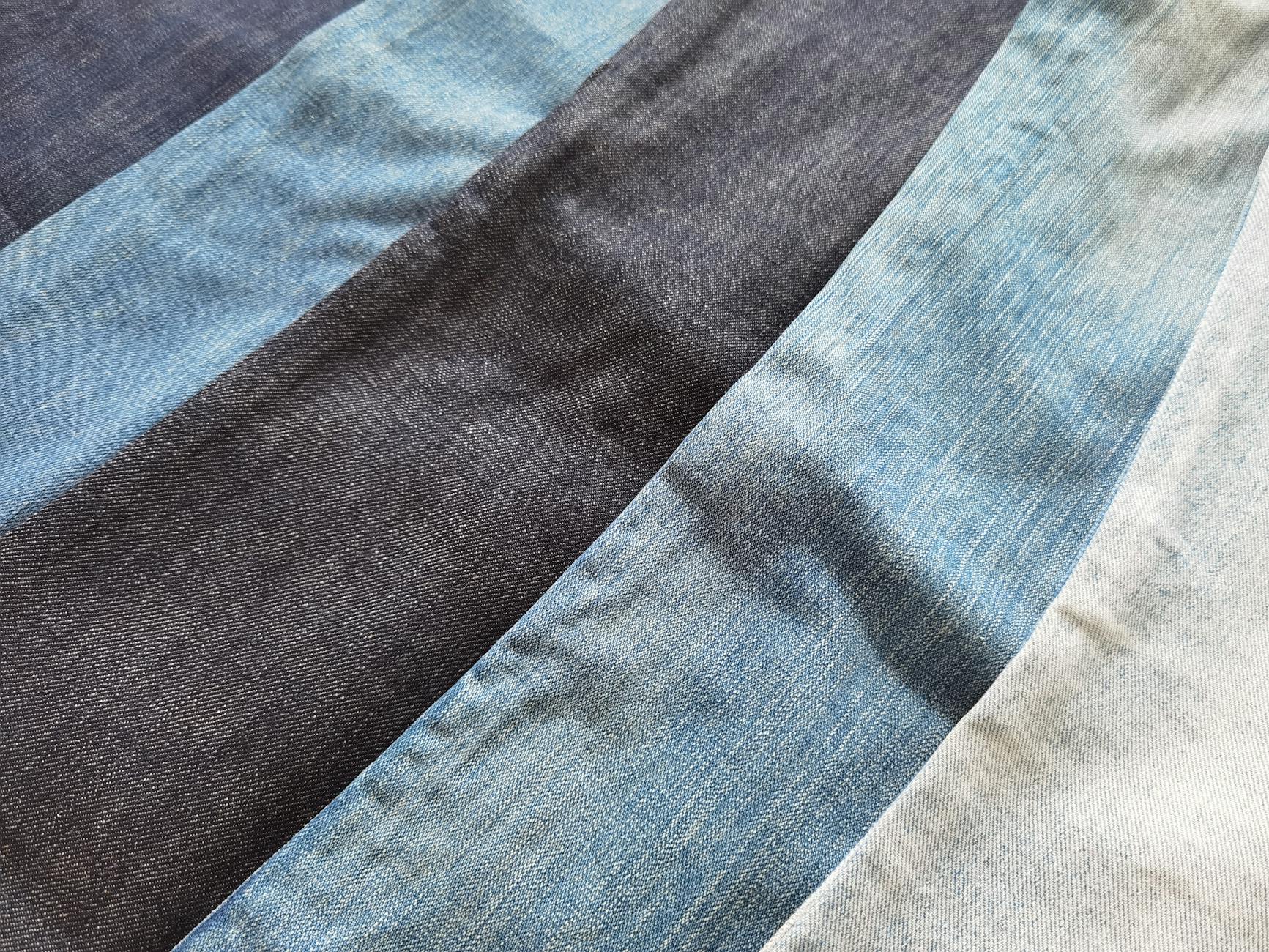
Cotton and silk are the standout performers when it comes to reducing stress responses in people with dementia. The 2025 study in the Journal of Engineering Technology and Natural Resources measured physiological stress indicators and found a clear advantage for these natural fibers over synthetic and rough-textured alternatives. Cotton is soft, breathable, and familiar — most people have spent a lifetime wearing and touching cotton, which gives it an implicit comfort association. Silk has similar calming tactile properties, though it is less commonly used in institutional settings due to cost and durability concerns. For practical purposes in a care setting, a high-quality cotton blend or a cotton-faced upholstery fabric offers the best balance of comfort, familiarity, and longevity. Vinyl, by contrast, presents several problems. It is non-breathable, which means it traps heat and moisture against the skin, creating physical discomfort that a person with dementia may not be able to articulate but will certainly feel.
It can feel cold when first sat upon and then uncomfortably warm after prolonged contact. The Design for Health (2018) research explicitly recommends against vinyl for dementia seating in favor of soft, tactile covering fabrics. However, there is an important caveat: in settings where incontinence is a frequent concern, caregivers may feel pressure to choose vinyl for its easy-clean properties. In these cases, breathable, vapor-permeable clinical fabrics such as Dartex offer a middle ground. Dartex and similar materials are recommended as standard in clinical dementia chairs because they absorb moisture and reduce the risk of pressure wounds while still being wipeable. They are not as soft as cotton, but they are significantly less aggravating than standard vinyl. The key takeaway is that ease of cleaning should not automatically override sensory comfort — there are materials that address both needs.
How Color and Pattern Choices Affect Visual Overstimulation
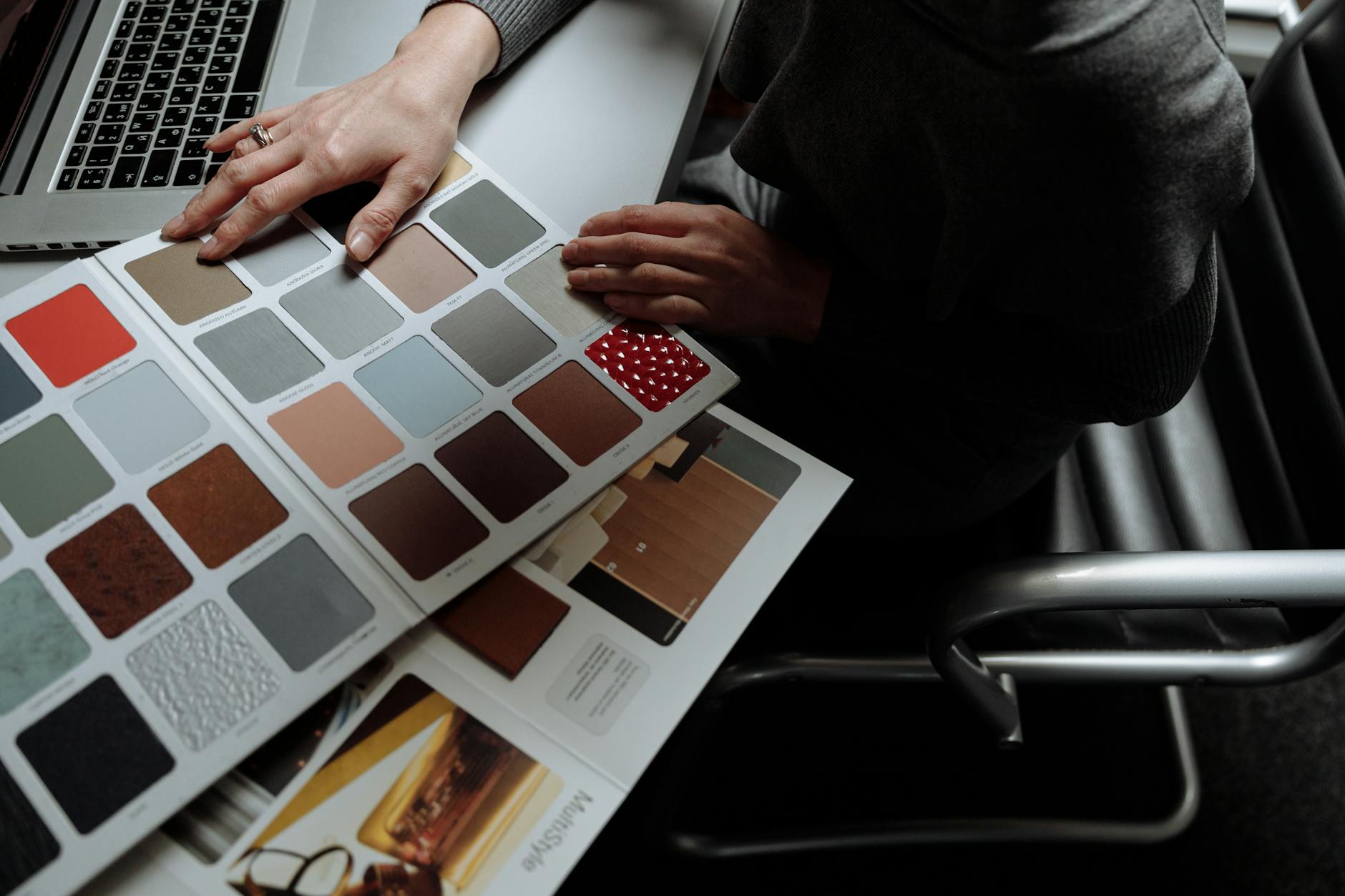
Color and pattern selection is one of the most overlooked aspects of dementia seating, yet it has an outsized impact on whether a chair contributes to calm or confusion. Soft, muted colors — pastel blues, greens, and warm beiges — reduce visual overstimulation. Blue specifically has been linked to lower blood pressure and anxiety in research on interior environments. This does not mean every chair in a care facility needs to be pale blue, but it does mean that high-contrast, saturated, or visually “loud” upholstery is working against the goal of reducing agitation. Pattern matters even more than many caregivers realize. Panaz, working in collaboration with the Dementia Services Development Centre (DSDC) at the University of Stirling, developed detailed fabric guidelines for dementia care that identify specific patterns to avoid. Boldly defined stripes or vertical-bias designs may be interpreted as bars or grills by a person with dementia, potentially triggering fear or a sense of confinement. Swirling or sinuous patterns may cause queasiness, particularly in patients on anti-psychotic medication.
Realistic flower or leaf patterns may be mistaken for real items, prompting a person to pick at the fabric or become confused about what they are seeing. Abstract or stylized organic designs generally work better because they provide gentle visual interest without creating false perceptions. The safest choice is a solid color or a simple, subtle geometric pattern. Busy, intricate patterns cause confusion and visual discomfort and should be avoided entirely. One additional consideration that is often missed: the NHS dementia-friendly environment guidance under the PLACE programme states that good color contrast between the chair and the surrounding environment is critical. A beige chair against a beige carpet blends into the background, making it difficult for someone with dementia to identify and use independently. The chair itself should be calm in color, but it should stand out from the floor, walls, and surrounding furniture so the person can clearly see where to sit. This means material color must be chosen in context, not in isolation.
What Role Does Cushioning and Pressure Management Play in Comfort?
As dementia progresses, mobility typically declines, and people spend increasing amounts of time seated. This makes cushioning not just a comfort issue but a medical one. Prolonged sitting on inadequate cushioning leads to pressure ulcers, pain, and restlessness — all of which increase agitation and overstimulation. Memory foam with cooling gel layers is recommended for prolonged seating comfort because it conforms to the body, distributes weight evenly, and reduces hot spots that cause fidgeting and discomfort. For individuals who are seated for extended periods throughout the day, cool-gel or alternating air cushion systems offer a higher level of pressure management.
These systems actively redistribute pressure and are recommended alongside tilt-in-space repositioning as part of a comprehensive pressure care strategy. The tradeoff is complexity and cost: a standard memory foam cushion is affordable and requires no maintenance, while an alternating air cushion system needs power, monitoring, and occasional servicing. For someone in the early-to-middle stages of dementia who still repositions themselves periodically, a quality memory foam cushion with a cooling gel layer is usually sufficient. For someone in later stages who is largely immobile and seated for many hours, the investment in an alternating pressure system is often justified by the reduction in pressure injuries, hospital visits, and — critically — the agitation and distress that comes with wound care in a person who cannot understand why they are in pain. The cushioning material beneath the upholstery fabric matters just as much as the fabric on top.
How Chair Shape and Design Provide Calming Sensory Feedback
Material is not limited to what covers the chair — the physical design of the chair itself creates sensory feedback that can either calm or unsettle a person with dementia. The Seating Matters Atlanta 2 and Sorrento 2 are the only dementia chairs in the world to receive DSDC Dementia Product Accreditation (Class 1A) from the University of Stirling, which is the leading authority on dementia-friendly design. The Atlanta 2 uses a cocoon-like shape that provides proprioceptive sensory feedback — a gentle, enveloping pressure against the body that mimics the calming sensation of being held. This type of deep-pressure input is well established in occupational therapy as a method for reducing agitation and anxiety. An international clinical study conducted by Seating Matters reported significant reductions in agitation, pressure injuries, falls, and the need for staff supervision when their therapeutic dementia chairs were used.
These are meaningful outcomes, but it is important to note a limitation: accredited therapeutic chairs are a significant investment, and not every care setting or family caregiver can access them. The principles behind their design, however — supportive side panels, appropriate seat depth, gentle containment without restraint — can inform choices even when purchasing a less specialized chair. A standard wingback armchair, for instance, provides some degree of lateral support and proprioceptive input through its high sides, and for many people with mild-to-moderate dementia, this may be sufficient alongside appropriate fabric and cushioning choices. One feature worth highlighting from the Design for Health (2018) research is the use of sensory armchair accessories — covers fitted with pockets, zippers, ribbons, and buttons designed for “fiddling.” These allow people with dementia to self-soothe through repetitive tactile activity, which reduces agitation without drawing attention or requiring staff intervention. These accessories are inexpensive and can be added to almost any chair, making them one of the most accessible interventions available.

Why the Room Matters as Much as the Chair
Even the best-chosen seating material will underperform if the chair is placed in a poorly designed environment. Research published in PMC (2019) found that when chairs were arranged in small groups rather than lined up around the perimeter of a room — as is common in many institutional settings — residents showed more communication, engagement, and happiness. The arrangement of seating directly influenced social interaction and emotional state, independent of the chair’s material properties.
The household model of dementia care, which emphasizes smaller-scale, homelike environments with familiar domestic-style seating, reduces the overwhelm that comes with large, institutional spaces. A cotton-upholstered armchair in a muted green placed in a small, quiet sitting room with natural light and two or three other chairs will produce a very different experience than the same chair positioned in a large, echoing dayroom with thirty other residents and a television blaring overhead. Material selection and environmental design are not separate concerns — they are two parts of the same strategy. The National Council of Certified Dementia Practitioners recommends this homelike approach specifically because it has a calming effect on people with dementia, reducing the sensory overload that institutional environments often create.
When to Seek Professional Guidance on Dementia Seating
No article can replace an individualized assessment. Dementia presents differently in every person, and seating needs change as the condition progresses. Someone with Lewy body dementia may have very different sensory sensitivities than someone with frontotemporal dementia. A person in the early stages may benefit most from a comfortable domestic armchair in a calming fabric, while someone in the later stages may need a fully accredited therapeutic chair with pressure management and tilt-in-space functionality.
Seating Matters and other specialist providers recommend consulting an Occupational Therapist for a personalized seating assessment, as individual needs vary significantly with dementia type and progression. Looking ahead, the intersection of sensory design and dementia care is an area of growing research and product development. The collaboration between textile manufacturers like Panaz and academic institutions like the University of Stirling’s DSDC represents a model that is likely to expand, producing more evidence-based guidance on specific materials, colors, and textures. As the global population ages and dementia prevalence increases, the demand for seating that is both clinically effective and sensorily appropriate will only grow. For now, the evidence already available provides a clear and actionable framework: choose soft, natural-fiber fabrics in muted colors with minimal pattern, ensure adequate cushioning for pressure management, consider the proprioceptive benefits of chair shape, and always evaluate the chair in the context of the room where it will be used.
Conclusion
The best seating material to reduce overstimulation in dementia is a soft, breathable, natural-fiber fabric — cotton being the most practical choice — in a muted, calming color with minimal or no pattern. Vinyl should be avoided where possible, with breathable clinical alternatives like Dartex used when easy cleaning is essential. Cushioning should include memory foam with cooling gel for comfort, or alternating air systems for those with reduced mobility. Chair shape matters too: cocoon-like designs with supportive sides provide calming proprioceptive feedback, and simple sensory accessories like fiddle covers can help with self-soothing.
Color contrast between the chair and its surroundings helps the person identify and use their seat independently. Material selection is only one part of a larger picture that includes environmental design, chair arrangement, and individualized assessment. The research consistently points toward person-centered approaches that consider the whole sensory experience, not just one element in isolation. For caregivers and facility managers making these decisions, the most important next step is to consult an Occupational Therapist who can evaluate the specific needs of the person with dementia and recommend seating that addresses their stage of the condition, their particular sensitivities, and the physical environment where the chair will be placed. The evidence base for dementia-friendly seating design is stronger than ever, and even modest changes — swapping a vinyl cover for cotton, replacing a busy pattern with a solid color, adding a fiddle cushion to an armrest — can meaningfully reduce daily overstimulation and improve quality of life.
You Might Also Like
- What’s the Best Way to Prevent Sliding Out of Chairs in Dementia?
- What’s the Best Way to Improve Sitting Comfort for Dementia Patients?
- What’s the Best Way to Adapt Furniture for Dementia Safety?
For more, see Alzheimer’s Association — caregiving.