Best chair sits at the center of this dementia and brain health question.
For dementia sensory comfort, soft cotton velvet and microfiber fabrics tend to be the best chair cushion materials, offering a gentle, consistent texture that reduces agitation and provides tactile reassurance without overwhelming sensitive skin. These fabrics strike a balance between warmth, softness, and practicality that many caregivers and occupational therapists have found effective in both home and residential care settings. For example, a person with mid-stage Alzheimer’s who repeatedly picks at rough upholstery may calm noticeably when seated on a cushion covered in brushed cotton or plush microfiber, because the smooth, uniform texture reduces the sensory irritation that can trigger restless behavior.
Choosing the right cushion fabric is not simply a matter of comfort preference. For people living with dementia, tactile input from furniture can either soothe or agitate, and the wrong material can contribute to skin breakdown, increased anxiety, or behavioral disturbances that caregivers struggle to manage. This article covers why fabric choice matters so much in dementia care, compares the most commonly recommended materials, addresses practical concerns like cleaning and durability, and offers guidance on how to test fabrics with someone who may not be able to articulate what feels good or bad.
Table of Contents
- Why Does Chair Cushion Fabric Matter So Much for Dementia Sensory Comfort?
- Comparing Common Cushion Fabrics for Sensory-Friendly Dementia Care
- How Texture and Temperature Affect Calming and Agitation in Dementia
- Practical Tips for Choosing and Testing Cushion Fabrics with a Person Who Has Dementia
- Common Problems with Cushion Fabrics in Dementia Care Settings
- The Role of Familiar Textures and Personal History in Fabric Selection
- Looking Ahead at Fabric Innovation for Dementia-Friendly Environments
- Conclusion
- Frequently Asked Questions
Why Does Chair Cushion Fabric Matter So Much for Dementia Sensory Comfort?
As dementia progresses, the brain’s ability to filter and interpret sensory input changes significantly. Textures that a person once ignored, such as a slightly scratchy polyester blend or a cool leather surface, can become sources of confusion, discomfort, or distress. Research in dementia care environments has consistently shown that the tactile qualities of furniture and textiles play a direct role in behavioral symptoms like agitation, repetitive movements, and attempts to stand or leave a seated position. A cushion that feels unpleasant against the skin may cause a person to shift constantly, pick at the fabric, or become verbally upset without being able to explain why. The sensory processing difficulties in dementia are not uniform. Some individuals become hypersensitive to touch, finding ordinary textures unbearable, while others become hyposensitive and seek out strong tactile input for grounding.
This means there is no single perfect fabric for every person with dementia, but there are categories of materials that tend to work well across a broad range of sensory profiles. Fabrics that are soft, warm to the touch, non-slippery, and free of rough seams or raised patterns generally perform best. By contrast, materials that are cold on contact, crinkly, or have an inconsistent surface texture tend to cause the most problems. It is also worth noting that fabric choice intersects with skin integrity concerns. Many people with advanced dementia spend long hours seated, and friction or moisture-trapping properties of certain fabrics can contribute to pressure injuries. A cushion fabric that feels comfortable but holds heat and moisture against the skin may actually cause harm over extended sitting periods, making breathability an essential consideration alongside softness.

Comparing Common Cushion Fabrics for Sensory-Friendly Dementia Care
Cotton velvet ranks among the most recommended fabrics for dementia sensory comfort because of its consistent nap, warmth on contact, and soft hand feel. It provides gentle tactile feedback without being slippery or cold, and many people find the experience of resting their hands on velvet inherently calming. However, traditional cotton velvet has notable drawbacks: it stains easily, can be difficult to clean, and wears unevenly with heavy use. For someone who is incontinent or prone to spilling food and drinks, pure cotton velvet may not be practical unless the cushion cover is removable and machine washable, or treated with a stain-resistant finish. Microfiber, typically made from densely woven polyester, offers many of the same tactile benefits as velvet with significantly better durability and stain resistance. High-quality microfiber feels plush and uniform, resists pilling, and can usually be wiped clean or machine washed.
It has become a popular choice in memory care facilities for these reasons. However, if the specific microfiber blend is too synthetic-feeling or generates static, it can be off-putting for individuals who are tactile-sensitive. Testing before committing to a full cushion set is advisable, because microfiber quality varies enormously across manufacturers and price points. Other fabrics worth considering include brushed cotton jersey, which has a t-shirt-like softness that many people find familiar and comforting, and bamboo-blend fabrics, which are naturally moisture-wicking and hypoallergenic. Leather and vinyl, while easy to clean, are generally poor choices for dementia sensory comfort because they feel cold on initial contact, can become sticky with body heat, and offer no tactile warmth. Similarly, coarse linen and loosely woven fabrics with visible texture can provoke picking behavior in individuals who are drawn to pulling at threads or uneven surfaces.
How Texture and Temperature Affect Calming and Agitation in Dementia
The relationship between fabric texture and emotional regulation in dementia is more significant than many caregivers initially realize. Occupational therapists working in dementia care have long used textured objects, soft blankets, and tactile boards as calming interventions, and the same principles apply to the surfaces where a person spends most of their seated hours. A fabric that provides consistent, gentle sensory input can serve as a passive calming tool throughout the day, while a fabric that creates irritation functions as a constant low-level stressor. Temperature perception is another critical factor. Many people with dementia experience altered thermoregulation, and a cushion fabric that feels cold to the touch can cause startling or discomfort when a person first sits down.
Fabrics with thermal neutrality or slight warmth, such as cotton blends and brushed synthetics, avoid this problem. For example, a care home that switched from vinyl-covered cushions to fleece-topped alternatives reported a noticeable reduction in residents resisting being seated for meals, likely because the seating no longer produced that initial unpleasant cold shock. While anecdotal, this pattern has been observed repeatedly in dementia care practice. It is important to recognize that sensory preferences can change as dementia progresses. A fabric that worked well during earlier stages may become intolerable later, or a person who was previously indifferent to texture may develop strong reactions. Caregivers should be prepared to reassess cushion materials periodically rather than assuming a one-time selection will remain appropriate indefinitely.
Practical Tips for Choosing and Testing Cushion Fabrics with a Person Who Has Dementia
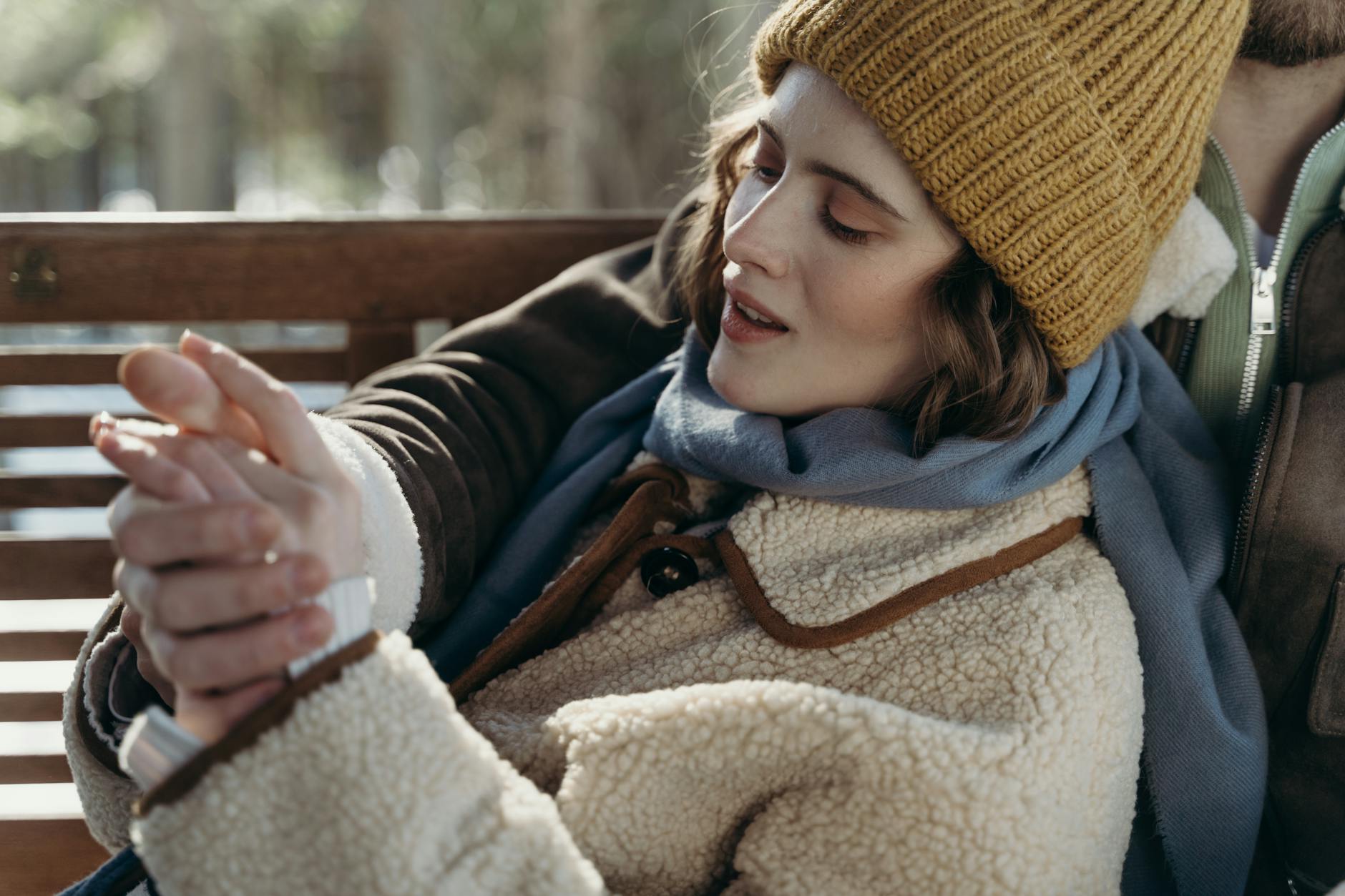
When selecting a cushion fabric for someone with dementia, the most reliable approach is direct observation rather than verbal questioning. Place fabric swatches or sample cushion covers on a chair and watch how the person responds over a period of time. Do they settle comfortably, or do they shift, pick at the surface, or try to push the fabric away? Do they rest their hands on it calmly, or do they avoid touching it? These behavioral cues are far more informative than asking someone with cognitive impairment whether they like a particular texture. There is a practical tradeoff between maximum softness and functional durability that every caregiver must navigate. The softest, most luxurious fabrics, such as high-pile velvet or chenille, may provide the best immediate sensory experience but can be difficult to keep clean and may wear out quickly under daily use.
Conversely, the most durable and easy-care fabrics, such as commercial-grade vinyl or tightly woven nylon, tend to score poorly on sensory comfort. The middle ground for most situations is a high-quality microfiber or cotton-poly blend with a soft brushed finish, paired with a removable, washable cover. This combination allows regular laundering without sacrificing the tactile qualities that matter most. It is also worth considering the color and visual appearance of the fabric. High-contrast patterns can be visually confusing for people with dementia, sometimes appearing as holes, obstacles, or moving shapes. Solid colors or very subtle patterns in warm, muted tones tend to be the safest visual choice alongside the tactile considerations.
Common Problems with Cushion Fabrics in Dementia Care Settings
One of the most frequent issues caregivers encounter is fabric-related skin irritation that goes unrecognized because the person with dementia cannot report it. Redness, friction marks, or moisture-related skin breakdown on the backs of thighs or the buttocks may be partly caused by a cushion fabric that traps heat, creates friction during repositioning, or does not breathe adequately. This is particularly concerning for individuals who sit for extended periods and may not shift their weight independently. Any cushion fabric should be evaluated not just for initial comfort but for how it performs over several continuous hours of contact with skin. Another common problem is the interaction between incontinence products and cushion fabrics. Many people with dementia wear absorbent undergarments, and the outer layer of these products can create friction or noise against certain fabrics.
Crinkly or slippery surfaces may amplify the sound and sensation of incontinence pads, which some individuals find distressing. Fabrics with a slight grip or nap, like microfiber or brushed cotton, tend to minimize this issue compared to smooth synthetics or treated surfaces. Caregivers should also be cautious about fabric treatments marketed as antimicrobial or stain-proof. While these treatments can be genuinely useful for hygiene purposes, some chemical finishes have a detectable odor or alter the hand feel of the fabric in ways that may bother a sensory-sensitive individual. Washing treated fabrics several times before use can help reduce chemical residues, but it may also diminish the effectiveness of the treatment. This is a compromise that must be weighed on a case-by-case basis.

The Role of Familiar Textures and Personal History in Fabric Selection
One often-overlooked strategy in choosing cushion fabrics for dementia care is drawing on the person’s life history and long-standing preferences. Someone who spent decades wearing cotton flannel shirts may find a flannel-textured cushion cover deeply comforting on a level that bypasses cognitive decline and connects to procedural or emotional memory. A person who always favored silk or satin might respond positively to a smooth, cool fabric that others with dementia would dislike.
Caregivers and family members who can identify these historical preferences have a significant advantage in selecting materials that resonate on a personal level. This approach does have limits. As dementia advances, sensory processing can change enough that old preferences no longer hold. But especially in the early and middle stages, leveraging familiar textures is a low-cost, low-risk strategy that can meaningfully improve daily comfort and reduce the trial-and-error process of finding the right fabric.
Looking Ahead at Fabric Innovation for Dementia-Friendly Environments
The intersection of textile technology and dementia care design is an area of growing interest, though progress has historically been slow compared to other assistive technology fields. Some manufacturers have begun developing fabrics specifically intended for care environments that combine soft hand feel with antimicrobial properties, moisture management, and easy laundering.
Advances in phase-change materials, which regulate temperature by absorbing and releasing heat, could eventually produce cushion fabrics that maintain a consistent, comfortable skin temperature regardless of how long a person remains seated. As awareness of sensory-friendly design grows within the dementia care community, there is reason to expect that more products will be developed and tested with the specific needs of people with cognitive impairment in mind. In the meantime, caregivers working with currently available materials can still achieve meaningful improvements in comfort and behavioral calm by applying the principles of softness, warmth, breathability, and visual simplicity to their cushion fabric choices.
Conclusion
Selecting the right chair cushion fabric for someone with dementia is a decision that touches on sensory processing, skin health, behavioral management, and practical caregiving realities. Soft, breathable fabrics like cotton velvet, high-quality microfiber, and brushed cotton blends consistently emerge as the strongest options for sensory comfort, while cold, slippery, or rough materials tend to increase agitation and discomfort. The best approach combines knowledge of the individual’s sensory profile and personal history with practical testing through observation rather than verbal feedback alone.
Caregivers should treat fabric selection as an ongoing process rather than a one-time decision, remaining alert to changes in the person’s sensory responses as their condition evolves. Prioritizing removable, washable covers allows for both hygiene management and the flexibility to swap fabrics if preferences shift. Even small improvements in the tactile environment can contribute to reduced agitation, better skin integrity, and a calmer daily experience for both the person with dementia and those providing their care.
Frequently Asked Questions
What is the softest fabric for a dementia patient’s chair cushion?
Cotton velvet and high-pile microfiber are generally considered the softest practical options. Pure silk or satin may feel softer to the touch but are not durable enough for daily use in most care situations and can be slippery, which creates a fall risk for someone who may have difficulty repositioning themselves.
Can you use memory foam cushions with sensitive fabrics for dementia care?
Yes, and this is often a good combination. Memory foam provides pressure relief while the fabric cover addresses sensory comfort. The key is ensuring the cover is breathable enough to offset memory foam’s tendency to trap heat. A cotton or bamboo blend cover over memory foam is a combination that many caregivers find works well.
How often should cushion covers be washed in a dementia care setting?
Cushion covers should generally be washed at least weekly, or immediately after any incontinence episode or food spill. Choosing a fabric that withstands frequent machine washing at warm temperatures without losing its softness is essential. Some microfiber and cotton-poly blends hold up well over dozens of wash cycles, while pure cotton velvet may degrade more quickly.
Are weighted cushion covers helpful for dementia sensory comfort?
Some individuals with dementia respond well to gentle pressure input, similar to the concept behind weighted blankets. A cushion cover with a slight weight or a weighted lap pad used in conjunction with a soft cushion can provide calming proprioceptive input. However, this should be introduced carefully and monitored, as not everyone finds added weight comforting, and it could contribute to overheating or restricted circulation in some cases.
Should you avoid patterned fabrics on cushions for people with dementia?
Bold, high-contrast patterns are generally best avoided because they can cause visual confusion or perceptual disturbances in people with dementia. Some individuals may perceive dark spots as holes or sharp contrasts as edges, leading to anxiety or reluctance to sit. Solid colors or very subtle tone-on-tone patterns are usually the safest choices.
You Might Also Like
- What’s the Best Chair Cushion for Dementia Patients With Muscle Weakness?
- What’s the Best Chair Cushion for Dementia Patients With Fragile Skin?
- What’s the Best Chair Cushion for Dementia Patients Who Fidget Constantly?
For more, see Alzheimer’s Association — medical tests.