Best chair sits at the center of this dementia and brain health question.
The best chair cushion for most dementia patients during family visits is the ComfiLife Gel Enhanced Seat Cushion, priced around $35 to $45, which combines high-density memory foam with a cooling gel layer and a coccyx cutout that relieves tailbone pressure during extended sitting. For families gathering in the living room for a holiday meal or a Sunday afternoon together, this cushion offers a practical, affordable way to keep a loved one comfortable for the duration of the visit without the complexity or cost of medical-grade equipment. If the patient is at higher risk for pressure ulcers or spends significant time seated, stepping up to the Cushion Lab Pressure Relief Seat Cushion at $60 to $70 or a clinical ROHO air cushion system is worth serious consideration. This matters far more than most families realize.
Research shows that almost 40 percent of advanced dementia patients developed pressure ulcers before death, and pressure ulcers can begin forming in as little as 30 minutes to 4 to 6 hours of sustained pressure without repositioning. A family visit that stretches over a few hours — exactly the kind of occasion you want to encourage — is precisely the window where discomfort and skin breakdown risks quietly escalate. The right cushion is not a luxury purchase. It is a basic piece of protective equipment. This article covers how to choose between budget and clinical-grade cushions, what features to prioritize for dementia-specific needs, how to set up seating for better family engagement, and what warning signs to watch for when a cushion is no longer doing its job.
Table of Contents
- Why Do Dementia Patients Need a Specialized Chair Cushion During Family Visits?
- How Budget and Clinical-Grade Cushions Compare for Dementia Seating
- What Cushion Features Matter Most for Patients Who Cannot Report Discomfort?
- How to Set Up the Seating Area for Better Family Engagement
- Warning Signs That a Cushion Is Failing or No Longer Appropriate
- Repositioning and Cushion Use During Longer Family Gatherings
- Planning Ahead as Dementia Progresses
- Conclusion
Why Do Dementia Patients Need a Specialized Chair Cushion During Family Visits?
Dementia changes a person’s relationship with their own body. As Seating Matters, a clinical seating specialist, puts it: “A person with dementia may not be aware if they are positioned uncomfortably in the chair or have the presence of mind to change their posture.” During a family visit, the patient may be engaged in conversation, watching children play, or simply enjoying the presence of loved ones — and they will not shift their weight, ask to stand, or mention that something hurts. A standard throw pillow or flat foam pad does almost nothing to address this problem. A cushion designed for pressure redistribution actively works to prevent tissue damage while the patient sits still. The clinical stakes back this up. A study published in PubMed found that 67 percent of geriatric patients with pressure ulcers had dementia, compared to only 23 percent among those without pressure ulcers. The connection between cognitive decline and skin breakdown is not coincidental — reduced mobility, impaired sensation, and the inability to communicate discomfort create a perfect storm.
Median survival of advanced dementia patients with pressure ulcers was just 96 days, versus 863 days without them. That is roughly a nine-fold difference in survival. A proper cushion during any seated period, including family visits, is a straightforward intervention against a serious and measurable risk. Compare the experience directly. A patient seated on a standard dining chair cushion during a two-hour visit will likely develop redness on the sacrum and ischial tuberosities — the bony prominences that bear the most weight when sitting. The same patient on a gel-infused memory foam cushion with a coccyx cutout will have distributed pressure across a larger surface area, reduced peak pressure points, and better airflow to the skin. The visit itself does not change. The outcome underneath does.

How Budget and Clinical-Grade Cushions Compare for Dementia Seating
The gap between a $40 consumer cushion and a $400-plus medical cushion is real, but the right choice depends on the patient’s specific risk level. The ComfiLife Gel Enhanced seat Cushion provides meaningful pressure relief for patients who are mobile enough to stand and reposition with assistance, who do not have existing skin breakdown, and who sit for moderate periods. Its cooling gel layer helps manage heat buildup, which is relevant because moisture and heat accelerate skin damage. The Cushion Lab Pressure Relief Seat Cushion, at $60 to $70, uses a patented multi-region design that physical therapists frequently recommend, offering more targeted support under the sit bones and thighs. However, if the patient is at stage 3 or 4 on a Braden Scale assessment, has a history of pressure ulcers, or spends more than a few hours seated at a time, consumer-grade cushions may not be sufficient. The ROHO High Profile Air Cushion, with its 4-inch interconnected air cells made of neoprene rubber, provides a fundamentally different mechanism of support. Rather than compressing foam, it distributes weight across individual air cells that conform and adjust to the patient’s body.
It weighs 3.8 pounds, supports up to 300 pounds, includes a hand inflation pump and repair kit, and is latex-free. The sale price starts around $417 against a list price of roughly $594. The ROHO is available in High Profile at 4 inches, Mid Profile at 3 inches, and Low Profile at 2.5 inches, so the height can be matched to the chair and the patient’s needs. The limitation of clinical cushions like the ROHO is complexity. They require proper inflation — too much air and the patient perches on top without pressure relief, too little and they bottom out against the chair surface. For families managing this at home, the ROHO Smart Check Cushion, starting at $563 against a list price of $721 to $773, includes an inflation-monitoring device that helps caregivers verify the cushion is properly inflated. This is especially valuable when the patient cannot communicate whether the cushion feels right. Purple and Supracor honeycomb cushions offer a middle ground with ventilation and shock absorption, though they lack the clinical pressure-mapping data behind the ROHO systems.
What Cushion Features Matter Most for Patients Who Cannot Report Discomfort?
The core challenge with dementia patients is that the cushion must work without feedback from the person sitting on it. An occupational therapist assessment is recommended from the initial stage of dementia to choose seating tailored to the patient’s postural needs, pressure care requirements, and comfort preferences while the patient can still participate in that evaluation. As the disease progresses, the cushion selection increasingly falls to caregivers who must anticipate rather than respond to problems. Waterproof or water-resistant covers with sealed seams or waterfall flap zippers are essential for incontinence management, which affects a large proportion of dementia patients. However, waterproofing creates a tradeoff: sealed covers trap heat and moisture against the skin, which itself increases pressure ulcer risk. The solution is breathable, vapor-permeable fabric such as Dartex, which blocks liquid penetration while allowing moisture vapor to escape.
This distinction matters — a cheap waterproof cover from a general retailer may protect the cushion but worsen conditions for the patient’s skin. Non-slip bottoms are another feature that moves from nice-to-have to critical in dementia care. Patients may experience agitation, restlessness, or involuntary movements during a visit, and a cushion that slides forward on a chair seat creates both a fall risk and an ineffective pressure surface. For a specific example, consider a patient seated in a wooden dining chair during a family dinner. A memory foam cushion without a non-slip base will migrate forward over 30 to 45 minutes of subtle shifting, leaving the patient’s weight concentrated on the chair’s hard front edge rather than distributed across the cushion. A grippy silicone or rubber base eliminates this problem silently, without requiring anyone to interrupt the meal to adjust seating.
How to Set Up the Seating Area for Better Family Engagement
The cushion is the foundation, but the seating arrangement around it determines whether a family visit actually works. The BrightFocus Foundation recommends seating at an appropriate height for ease of sitting and standing, which means the cushion thickness must be factored into the total seat height. A 3-inch cushion on a standard 18-inch dining chair puts the seat surface at 21 inches — potentially too high for a shorter patient to plant their feet flat on the floor, which creates instability and discomfort. Conversely, a deep, low sofa with a cushion may make it nearly impossible for the patient to stand without significant assistance, discouraging the natural breaks that help prevent prolonged pressure. The BrightFocus Foundation also recommends placing memorabilia that trigger positive memories near seating areas — photographs of family events, familiar objects, or items connected to the patient’s life history. This is directly relevant to family visits.
Positioning the patient’s chair where they can see and interact with family members, near photos or objects that prompt conversation, and at a height where eye contact feels natural, transforms a passive sitting experience into an engaged one. The Alzheimer’s Association Dementia Care Practice Recommendations emphasize person-centered care built around the individual’s unique needs, including supportive therapeutic environments. The physical setup of a chair and cushion is part of that environment. The tradeoff here is between clinical optimization and home atmosphere. A perfectly positioned therapeutic chair with tilt-in-space capability, adjustable lumbar support, cushioned armrests, and a headrest provides superior pressure redistribution and postural support. But it also looks and feels institutional, which can be distressing for some patients and uncomfortable for family members. Many families find the best compromise is a familiar, well-liked chair fitted with an appropriate cushion, positioned thoughtfully in the room, rather than introducing unfamiliar medical equipment for visits.
Warning Signs That a Cushion Is Failing or No Longer Appropriate
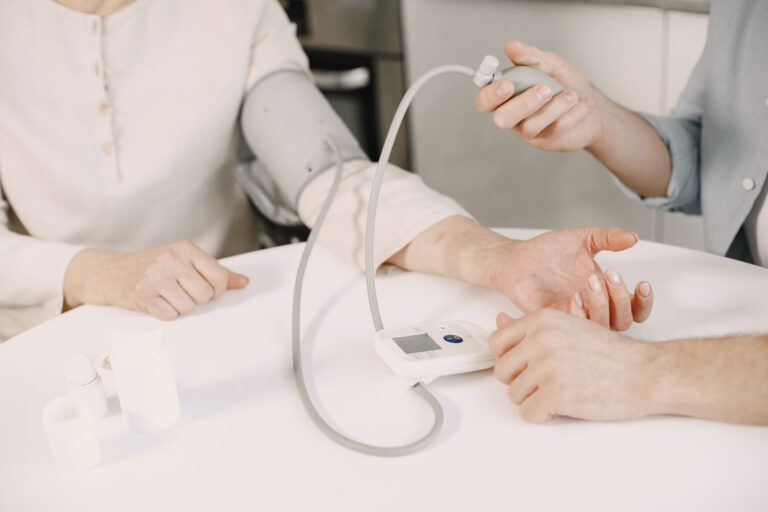
Even the right cushion has limits, and families should know what to watch for. The most immediate sign of cushion failure is bottoming out — when the patient’s weight compresses the foam or deflates the air cells to the point where bony prominences contact the hard chair surface through the cushion. You can check for this by sliding a hand, palm up, under the patient while they are seated. If you can feel the sit bones pressing firmly against your hand with less than an inch of cushion material between, the cushion is not providing adequate support. This is the specific problem the ROHO Smart Check monitoring device addresses — it alerts caregivers to insufficient inflation before tissue damage begins. Skin checks after seated periods are non-negotiable.
Any redness on the sacrum, coccyx, or ischial tuberosities that does not fade within 30 minutes of pressure being removed is a stage 1 pressure injury. In care facilities, despite 2-hourly repositioning protocols followed for 91 percent of at-risk residents, 34 percent still died with one or more pressure ulcers. This is not a failure of repositioning alone — it indicates that the combination of seating surface, repositioning frequency, and patient-specific risk factors must all be addressed together. A cushion that worked six months ago may no longer be adequate as the patient’s weight changes, skin integrity declines, or mobility decreases further. A critical warning applies to alternating-pressure cushions and air systems used at home without professional guidance. These devices require regular maintenance, correct inflation settings, and periodic reassessment by a clinician. A family that purchases a ROHO cushion without an occupational therapist fitting it to the patient may inadvertently create worse pressure distribution than a simpler foam alternative properly matched to the individual.
Repositioning and Cushion Use During Longer Family Gatherings
For family events that run longer than two hours — holiday dinners, birthday parties, afternoon gatherings — no cushion eliminates the need for repositioning. Building natural movement breaks into the visit is the most effective strategy. Invite the patient to walk to the window to look at something outside, help them stand to greet a family member who just arrived, or simply encourage a brief standing stretch between courses of a meal. These do not need to feel clinical.
They can be woven into the rhythm of the gathering. When repositioning is not possible because the patient resists standing or becomes agitated with disruption, a tilt-in-space feature becomes valuable. Tilting the entire seat backward by even 15 to 20 degrees shifts weight from the ischial tuberosities toward the back, redistributing pressure without requiring the patient to stand. Not all home chairs offer this, but some recliner-style chairs can achieve a similar effect. Combined with a pressure-relieving cushion, periodic tilting can extend safe seated time meaningfully, though it does not replace the need for full weight relief through standing.
Planning Ahead as Dementia Progresses
Cushion needs change as dementia advances, and families benefit from planning a progression rather than reacting to crises. In early stages, a consumer-grade gel memory foam cushion like the ComfiLife paired with regular movement may be entirely sufficient. As mobility declines and seated time increases, stepping up to a Cushion Lab or similar therapist-recommended option provides more targeted pressure management. In later stages, when the patient is chair-bound for extended periods and skin integrity is compromised, clinical air cushion systems like the ROHO become appropriate — ideally fitted by an occupational therapist and monitored with tools like the Smart Check device.
The broader principle, drawn from the Alzheimer’s Association’s Dementia Care Practice Recommendations, is that the seating solution should evolve with the person. What works during early-stage family visits in a dining room will not serve the same patient two years later when they spend most of the day in a recliner. Building a relationship with an occupational therapist early — when the patient can still participate in assessments and express preferences — makes later transitions smoother and more accurate. The cushion is a small piece of a larger care picture, but it is one of the most tangible, immediately actionable steps a family can take to protect comfort and dignity during the time they spend together.
Conclusion
Choosing the right chair cushion for a dementia patient during family visits comes down to matching the product to the patient’s current risk level. For most families, the ComfiLife Gel Enhanced Seat Cushion at $35 to $45 provides effective pressure relief for moderate seated periods, while the Cushion Lab at $60 to $70 offers a step up with therapist-endorsed multi-region support. Patients at higher risk for pressure ulcers or with limited ability to reposition should be evaluated for clinical options like the ROHO air cushion systems, ideally with guidance from an occupational therapist. Every cushion should have a non-slip base, a breathable and waterproof cover, and should be checked regularly for bottoming out.
The next step is practical: assess the chair your loved one typically sits in during family visits, measure the seat height with and without a cushion, and determine whether the patient can still plant both feet on the floor and stand with minimal assistance. If existing skin redness, a history of pressure ulcers, or extended seated time beyond two hours without repositioning are factors, consult an occupational therapist before purchasing. The statistics on pressure ulcers in dementia patients — particularly the difference between 96-day and 863-day median survival — make clear that this is not an optional comfort upgrade. It is a basic protective measure that belongs in every family’s care plan.
You Might Also Like
- What’s the Best Chair Cushion for Dementia Patients During Mealtimes?
- What’s the Best Chair Cushion for Dementia Patients During Group Activities?
- What’s the Best Chair Cushion for Dementia Patients Who Fidget Constantly?
For more, see Alzheimer’s Association.