The best fidget tools for dementia anxiety relief combine tactile stimulation with simplicity and safety. Based on years of research and clinical testing, fidget blankets, Twiddles therapeutic aids, and busy cubes consistently rank among the most effective options. These tools work because they engage multiple senses simultaneously—touch, sight, and sometimes sound—which studies show can improve cognitive, communicative, and emotional functioning even in individuals with limited manual dexterity. For someone in the early stages of dementia who paces restlessly in the evenings, a simple fidget blanket with buttons and zippers can redirect that anxious energy into purposeful hand movements, often reducing agitation within minutes.
The key is matching the right tool to the individual’s abilities and preferences. A person who spent decades sewing might find comfort in a fidget blanket with fabric textures, while a former mechanic might prefer a busy cube with locks and knobs. Multi-sensory stimulation has proven effective not just for calming anxiety but also for improving communication between caregivers and those in their care. This article examines the most effective fidget tools available, their price ranges, how to choose based on vision and dexterity limitations, and what the research actually says about why these simple objects can make such a meaningful difference in dementia care.
Table of Contents
- Why Do Fidget Tools Help With Dementia-Related Anxiety?
- Types of Fidget Tools and What They Offer
- Choosing Fidget Tools for Those With Vision Impairment
- Understanding Price Ranges and Value
- When Fidget Tools May Not Be Enough
- The Role of Familiar Activities in Fidget Selection
- Looking Ahead: Evolving Approaches to Sensory Support
Why Do Fidget Tools Help With Dementia-Related Anxiety?
The science behind fidget tools relates to how dementia affects the brain’s ability to process stimulation and self-regulate. When someone with dementia feels anxious, their hands often seek something to do—picking at clothing, rubbing surfaces, or repetitive motions that can become distressing for both them and their caregivers. Fidget tools provide a safe, purposeful outlet for this natural impulse. Research confirms that multi-sensory stimulation leads to measurable improvements in emotional functioning.
The Fidget Widget Toolkit, developed over eight years of research and testing in homes, day centers, and care facilities, demonstrated that users felt more occupied and engaged. Caregivers in those studies reported lasting well-being effects that extended beyond the moments of active use. However, fidget tools are not a universal solution. They work best for individuals who still have some hand mobility and who respond positively to tactile input. Someone experiencing severe sensory processing issues or who becomes frustrated with unfamiliar objects may not benefit, and caregivers should observe reactions carefully during initial use.
Types of Fidget Tools and What They Offer
Fidget blankets remain among the most popular options because they combine familiarity with functionality. These contain buttons, zippers, and laces firmly sewn onto fabric, helping maintain fine motor skills while providing sensory stimulation. A person can sit with a fidget blanket across their lap during television time or while visiting with family, keeping hands busy without requiring full attention or instruction. Twiddles represent a more specialized category—soft, therapeutic comfort aids designed specifically for people with cognitive impairment, Alzheimer’s, and other forms of dementia.
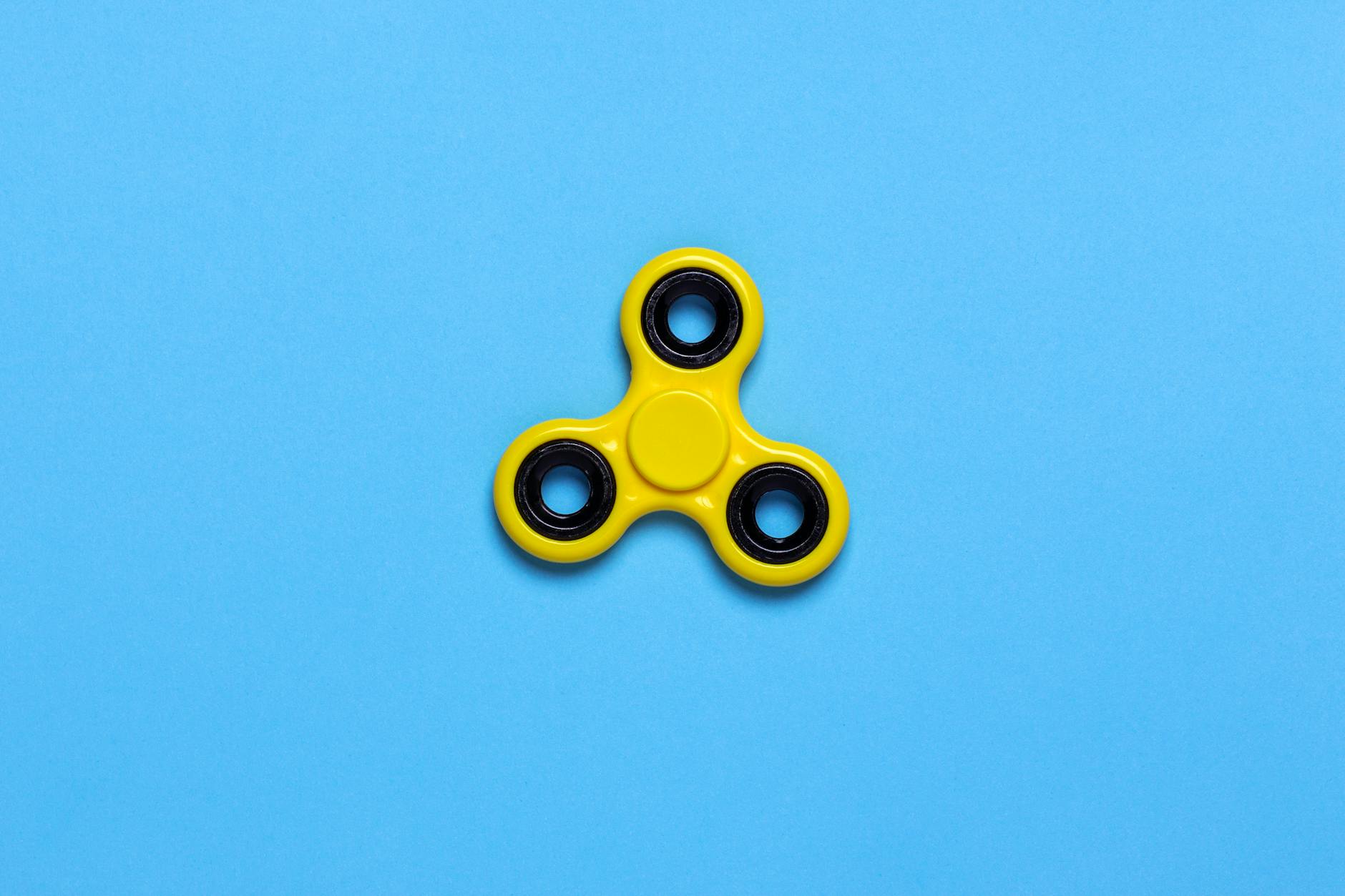
These increase flexibility and provide mental stimulation through varied textures and attachments. Their advantage over generic fidget toys lies in their design considerations for aging hands and cognitive limitations. Busy cubes and activity boards take a different approach, featuring fidget spinners, keys and locks, wheels, and knobs on different sides. These work particularly well for individuals who respond to problem-solving activities, though they require more cognitive engagement than passive tactile tools. For someone who becomes frustrated when they cannot “complete” a task, simpler options like stress balls might prove less agitating.
Choosing Fidget Tools for Those With Vision Impairment
Visual changes accompany many cases of dementia, creating an often-overlooked consideration when selecting fidget tools. People with Alzheimer’s commonly experience visuoperceptual difficulties and may struggle with white, opaque, shiny, or reflective items. A beautiful fidget blanket in pale colors might be nearly invisible to someone with these challenges. Color selection matters significantly. Reds, oranges, and yellows are recommended for those with visual impairments like macular degeneration—conditions that frequently co-occur with dementia in older adults.
A fidget tool in bright orange will be easier to locate, more engaging to use, and less likely to cause the frustration that comes from losing track of an object. Size presents another consideration. Fidgets should be small and manageable rather than oversized. While a large activity board might seem to offer more stimulation, it can become overwhelming or physically awkward for someone with limited mobility. A compact stress ball or tactile turn ring—a fabric ring that can be turned inside out repeatedly—often proves more practical for daily use.
Understanding Price Ranges and Value
Budget options exist for families testing whether fidget tools will benefit their loved one. Sensory balls and basic fidget items start at approximately $4.99 to $11.89, making initial experimentation affordable. These entry-level products can reveal whether tactile stimulation helps before investing in specialized equipment. Mid-range products between $10.99 and $14.99 include fidget wrist cuffs and sensory pillows with more thoughtful design features.
The tradeoff at this level involves durability and safety considerations—items designed specifically for dementia care typically use more secure attachments and safer materials than generic fidget toys marketed to children or office workers. Premium fidget blankets and busy boards range from $37.99 to over $100. The higher cost reflects specialized construction, washable materials, and designs tested with actual dementia patients. For a tool that will see daily use over months or years, the investment often proves worthwhile. However, an expensive fidget blanket provides no benefit if the individual simply does not respond to that type of stimulation—starting with lower-cost items to assess preferences makes practical sense.
When Fidget Tools May Not Be Enough
Fidget tools address one aspect of dementia-related anxiety, but they cannot replace comprehensive care approaches. Someone experiencing severe agitation may need additional interventions, and fidget tools work best as part of a broader strategy rather than a standalone solution. Weighted blankets offer a complementary approach worth considering. A 2021 study published in the International Journal of Qualitative Studies in Health and Well-being found that weighted blankets helped patients with dementia fall asleep and increase energy levels.
The deep pressure stimulation provides a different type of sensory input than hand-held fidgets, and some individuals respond better to one approach than the other. Sound therapy represents another avenue for calming agitation. Research has found that high-intensity sounds can actually decrease sleep quality, while music mitigates agitation. Combining appropriate background music with fidget tool availability creates a multi-modal approach to anxiety management that addresses different sensory pathways simultaneously.
The Role of Familiar Activities in Fidget Selection
The most effective fidget tools often connect to a person’s life history. Someone who knitted for decades may find comfort in yarn-based textures, while a person who worked with their hands professionally might prefer mechanical elements like locks and latches. This biographical connection can transform a simple fidget tool into something emotionally meaningful.
Stress balls deserve particular mention for individuals with limited energy. These help increase finger and joint dexterity and strength while also relieving stress and anxiety. For an older adult who tires easily, the simplicity of squeezing a soft ball requires less cognitive and physical investment than navigating a complex activity board.
Looking Ahead: Evolving Approaches to Sensory Support
The development of dementia-specific fidget tools continues to advance, with products like the Fidget Widget Toolkit representing what sustained research and real-world testing can produce. Eight years of development resulted in tools that support psychological needs in ways that generic products cannot match, suggesting that the market will continue moving toward more specialized, evidence-based options.
Caregivers increasingly recognize that keeping hands busy serves more than distraction—it maintains neural connections, preserves fine motor skills, and provides genuine comfort during a confusing and often frightening experience. The best fidget tool for any individual remains the one they will actually use, which requires patience, observation, and willingness to experiment with different options until the right match emerges.