Understanding what’s the best pantry organization for dementia homes? is essential for anyone interested in dementia care and brain health. This comprehensive guide covers everything you need to know, from basic concepts to advanced strategies. By the end of this article, you’ll have the knowledge to make informed decisions and take effective action.
Table of Contents
- Why Does Pantry Visibility Matter for People With Dementia?
- How Should You Label a Pantry for Someone With Dementia?
- What Role Does Color Coding Play in Dementia-Friendly Kitchens?
- How Do You Balance Accessibility and Safety in Pantry Design?
- What Are Common Mistakes When Organizing a Dementia-Friendly Pantry?
- Why Decluttering Matters More Than Organization Systems
- Looking Ahead: Adapting Organization as Dementia Progresses
Why Does Pantry Visibility Matter for People With Dementia?
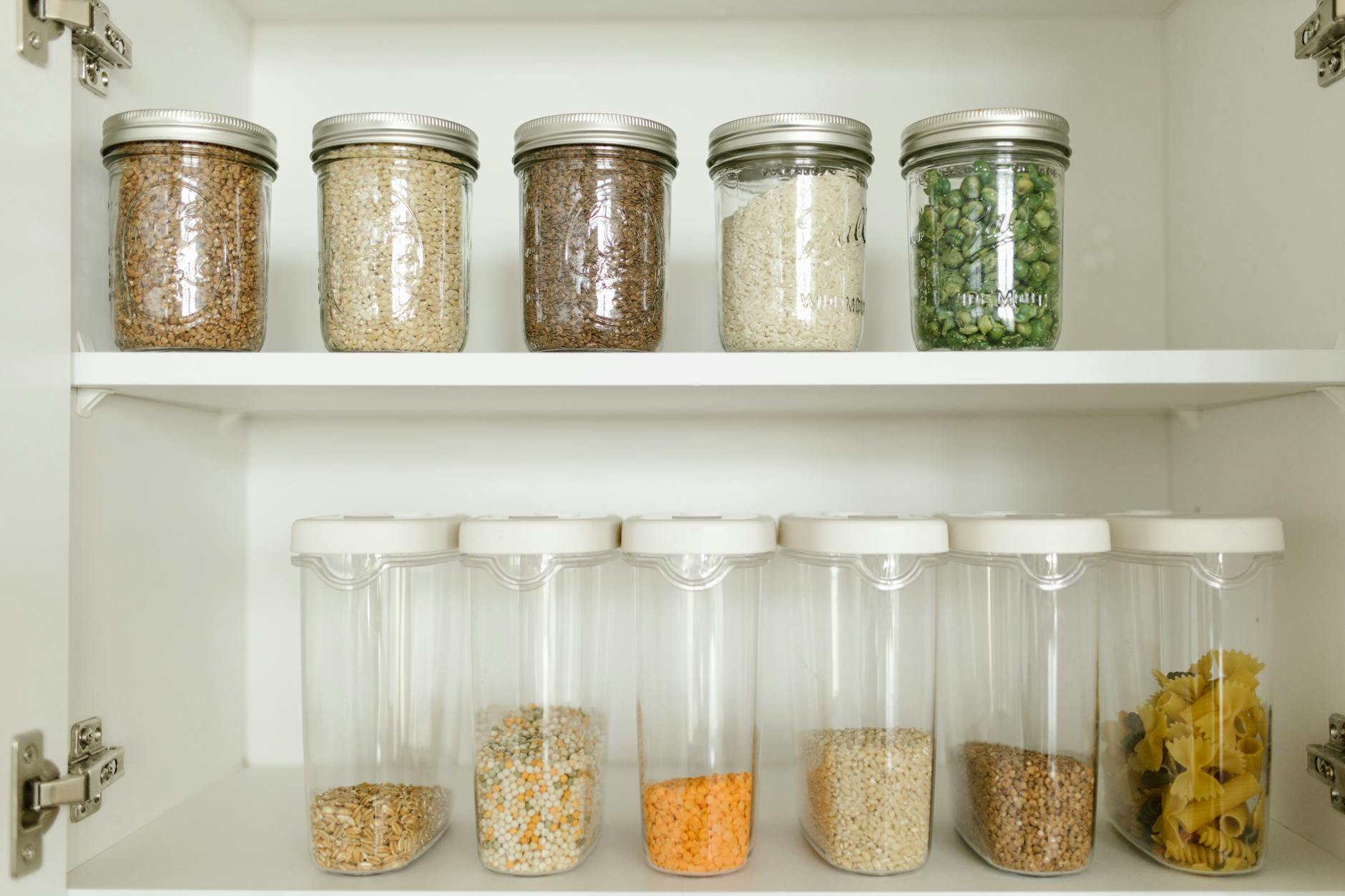
Dementia affects the brain’s ability to process visual information and recall what objects look like or where they’re stored. When items are hidden in opaque containers or pushed to the back of deep shelves, they essentially stop existing for someone with dementia. Clear containers solve this problem by making contents immediately recognizable without requiring the person to remember what’s inside, open the container, or interpret a label. Clear, deep bins that allow items to be pushed and pulled from back to front address another common issue: items getting lost in cabinet depths.
Standard pantry organization advice often focuses on maximizing storage space, but for dementia homes, the priority shifts to maximizing visibility. This sometimes means storing fewer items or using only the front half of deep shelves. The tradeoff—less storage capacity—is worth the gain in independence and reduced frustration. One limitation to consider: clear containers work well for dry goods with distinctive appearances (pasta, cereal, rice), but less well for items that look similar (different types of flour or sugar). In these cases, combining clear containers with prominent photo labels provides both visual recognition and explicit identification.
How Should You Label a Pantry for Someone With Dementia?
Effective labeling for dementia goes beyond simple text tags. The most successful approach uses large, clear labels with bold lettering combined with colorful photo images of the contents. Place these labels at eye level—not at the top of tall cabinets where they’re hard to see—and use them consistently throughout the kitchen, not just in the pantry. Label printers can create durable, consistent labels, though sticky notes reinforced with tape work as a more immediate solution. The key principle is redundancy: multiple cues pointing to the same information.
A container might have a text label saying “RICE,” a photo of rice, and contain visibly recognizable rice through clear walls. Each of these cues can work independently, so even as cognitive abilities change, at least one identification method remains accessible. However, labeling systems can backfire if implemented inconsistently or changed frequently. Someone with dementia may have learned that “the blue label means cereal” over months of repetition—changing to a new labeling system, even a theoretically better one, can cause significant confusion. Any labeling approach should be implemented once and maintained consistently. If you’re starting fresh, plan the system thoroughly before applying any labels.
What Role Does Color Coding Play in Dementia-Friendly Kitchens?
color coding creates an additional layer of organization that doesn’t rely on reading or memory. Implementing color-coded systems for different item categories—red for cooking utensils, blue for cleaning supplies, green for food storage—helps someone with dementia navigate the kitchen through visual patterns rather than explicit recall. Using differently colored items helps the person remember what each is used for, even when the specific name or purpose becomes difficult to retrieve. This approach extends naturally to pantry organization.
Colored bins or shelf liners can designate zones: breakfast items in yellow containers, baking supplies in white, snacks in green. The specific colors matter less than consistency—once established, these associations can persist even as other memory functions decline. A practical example: one caregiver reported success using red tape on all items that shouldn’t be used without assistance (sharp knives, the food processor) while keeping everyday items in their normal colors. This created an immediate visual warning without requiring the person with dementia to read or remember specific rules. The limitation here is that color-based systems work best for people without significant color vision deficiency, which becomes more common with age.
How Do You Balance Accessibility and Safety in Pantry Design?
Organizing cabinets by frequency of use, with most-used items at eye level or lower, addresses both accessibility and safety. This eliminates the need for step stools or reaching overhead—common sources of falls for seniors, especially those with the balance and coordination issues that often accompany dementia. Keeping countertops and surfaces clear of unnecessary items serves the same dual purpose: reducing clutter that overwhelms people with dementia while removing objects that could be knocked over or cause accidents. The tradeoff between accessibility and safety becomes more pronounced with items like knives, heavy appliances, and cleaning supplies. These need to be accessible enough for caregivers to use easily but secured against unsafe use by someone whose judgment may be impaired.
Drawer locks that caregivers can quickly open but that present a barrier to confused fumbling represent one compromise. Moving dangerous items to a separate, locked cabinet works but creates inconvenience during meal preparation. Beyond the pantry itself, the oven and stove pose the greatest threat to individuals with dementia. Automatic stove control devices with timers that shut off after 5, 10, or 15 minutes can prevent forgotten burners from causing fires. Stove knob covers or removing knobs entirely prevents someone from turning on the stove when a caregiver isn’t present. These safety modifications should be part of any comprehensive kitchen organization plan.
What Are Common Mistakes When Organizing a Dementia-Friendly Pantry?
The most damaging mistake is reorganizing everything at once without considering the adjustment period. Someone with dementia has often developed compensatory habits over years—moving things suddenly eliminates those adaptations while the person lacks the cognitive flexibility to develop new ones. A complete pantry reorganization, however well-intentioned, can trigger significant confusion, anxiety, and loss of independence. A better approach is gradual, targeted changes. Start with the highest-impact modifications: adding lighting, installing one set of sliding shelves, or replacing a few key opaque containers with clear ones.
Give the person time to adapt before making additional changes. Watch for signs of confusion and be prepared to reverse changes that aren’t working. Another common mistake is creating a “perfect” organization system that only the caregiver understands. If the system requires remembering that “Category A goes on shelf 3” or “items are organized alphabetically,” it’s designed for neurotypical brains. Effective dementia organization should be self-evident: everything visible, everything labeled with photos, everything in consistent locations. The test is whether someone encountering the pantry for the first time could find what they need without instructions.

Why Decluttering Matters More Than Organization Systems
Decluttering allows easy access to needed items without reaching or searching—and this matters more than any organizational system. A perfectly organized pantry with 200 items is harder to navigate than a simplified pantry with 40 items arranged with basic common sense. Donating or disposing of items no longer used, including expired food, removes visual noise and decision points.
For many families, this means honest assessment of eating habits. If the person with dementia no longer bakes, the collection of specialty flours and decorating supplies creates clutter without benefit. If they’ve narrowed their diet to familiar comfort foods, the adventurous ingredients purchased years ago are now obstacles. This process can be emotionally difficult—those specialty items may represent lost abilities—but the practical benefit of a simplified pantry is substantial.
Looking Ahead: Adapting Organization as Dementia Progresses
Pantry organization needs will change as dementia progresses. Early-stage approaches that emphasize independence may need to shift toward caregiver convenience in later stages. The clear containers and labels that supported someone in finding their own snacks may eventually matter more for helping rotating caregivers maintain consistency.
Building flexibility into the system from the beginning—using removable labels rather than permanent ones, choosing modular storage that can be reconfigured—makes these transitions easier. The goal throughout remains the same: increasing independence, safety, and dignity for the person with dementia while reducing caregiver burden. A well-organized pantry won’t stop dementia’s progression, but it can remove one source of daily frustration and maintain normalcy in a life that increasingly lacks it.