The best headphones for Alzheimer’s music therapy are lightweight, wireless models with soft ear cups and simple controls—with the Alive Inside Foundation headphones standing out as an exceptional option because they’re available free through certain programs and come pre-loaded with personalized music. For families paying out of pocket, the Simple/Vivitar headphones designed specifically for seniors with dementia offer an affordable purpose-built solution, while the Forbrain bone conduction headphones at $299 represent a clinical-grade option for those seeking technology backed by scientific studies. The right choice depends on your loved one’s specific needs, budget, and whether they’re in a facility that partners with donation programs.
Consider Margaret, an 82-year-old with moderate Alzheimer’s who became agitated during evening hours until her daughter obtained a free Alive Inside headset loaded with big band music from the 1950s. Within weeks, the sundowning episodes decreased significantly, and Margaret began humming along to Glenn Miller tunes she hadn’t consciously remembered in years. This transformation illustrates why headphone selection matters—the wrong pair might be rejected due to discomfort or confusion, while the right pair becomes a gateway to meaningful moments. This article covers the research supporting music therapy headphones, detailed comparisons of the top options available, key features to prioritize, programs that provide free equipment, and practical guidance for caregivers navigating this decision.
Table of Contents
- Why Do Headphones Matter for Alzheimer’s Music Therapy?
- Which Headphones Work Best for Seniors with Dementia?
- What Features Should Alzheimer’s Caregivers Prioritize?
- How Does Music Therapy Reduce Medication Use in Dementia Care?
- What Programs Provide Free Headphones for Dementia Patients?
- How Should Caregivers Introduce Headphones to Someone with Alzheimer’s?
- What Does the Future Hold for Music Therapy Technology?
Why Do Headphones Matter for Alzheimer’s Music Therapy?
music therapy for Alzheimer’s patients works best when the listening experience is immersive and free from environmental distractions. A 2024 Brown University study of over 3,500 nursing home residents found that personalized music programs led to improved mood, social engagement, and cognitive awareness while reducing agitation, distress, and reliance on psychotropic medications. Headphones create the focused acoustic environment necessary for these benefits to emerge—background noise in care facilities or homes can otherwise dilute the therapeutic impact. The distinction between playing music through speakers versus headphones is significant. When sound enters through headphones, it bypasses competing stimuli and creates a direct pathway to memory centers in the brain.
For someone with Alzheimer’s, who may struggle to filter sensory input, this focused delivery can mean the difference between passive hearing and active engagement. The same song that gets lost in ambient room noise might trigger recognition, emotional response, and even verbal participation when delivered through quality headphones. However, not all headphones work equally well for this population. Standard audiophile headphones often feature complex controls, heavy builds, or tight clamping pressure that causes discomfort. A person with cognitive impairment may remove uncomfortable headphones within minutes or become frustrated by buttons they can’t understand. Purpose-designed options address these challenges directly.
Which Headphones Work Best for Seniors with Dementia?
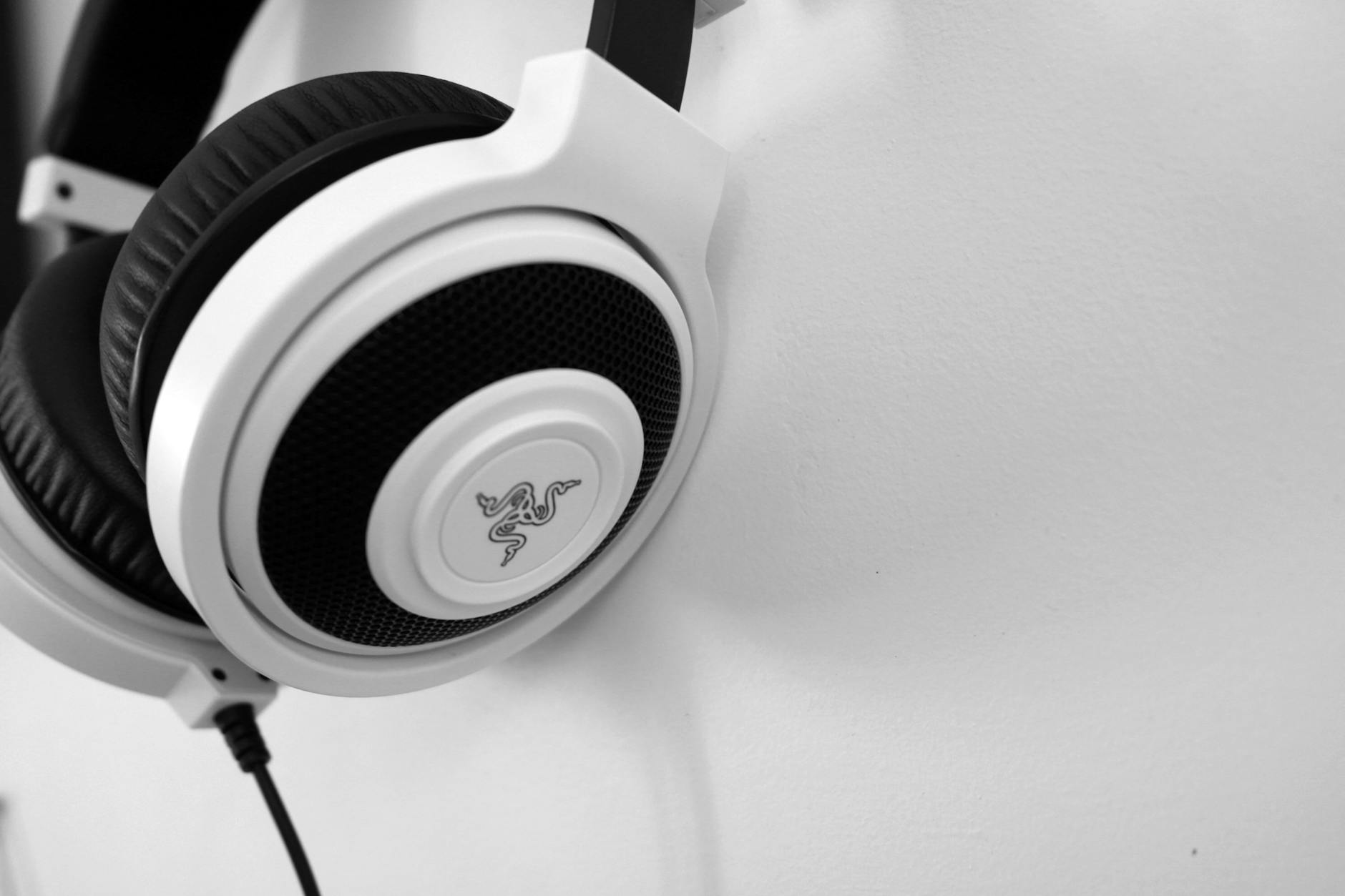
Four headphone options have emerged as particularly well-suited for Alzheimer’s music therapy, each serving different needs and budgets. The Simple/Vivitar headphones, available through specialty retailers like MindCare Store and Alzstore, were designed specifically for people with Alzheimer’s and dementia. They feature soft ear cups, lightweight construction, and availability in four colors—a detail that matters because allowing a person to choose their preferred color can increase acceptance and use. The Alive Inside Foundation headphones represent the most comprehensive solution for those who qualify. These all-in-one Bluetooth and MP3 player headsets are rechargeable with no wires or batteries to replace, and they include an SD card pre-loaded with 90 to 100 personalized songs. The foundation provides these free with no shipping fees through partnerships with care facilities and community organizations.
The limitation is availability—not everyone can access these programs, and wait times may apply. For those seeking clinical-grade technology, Forbrain bone conduction headphones at $299 offer a different approach entirely. Rather than covering the ears, bone conduction transmits sound through the skull behind the ears, leaving the ear canal open. This technology has been clinically evaluated with scientific studies supporting its effectiveness for auditory processing, speech, and attention. The drawback is cost, and the technology may feel unfamiliar to some users initially. Sound Off Silver headphones provide noise-isolating capabilities designed for immersive experiences, with high-quality sound calibrated for aging ears. These work well for facility-based programs where multiple residents participate in guided music sessions.
What Features Should Alzheimer’s Caregivers Prioritize?
Lightweight design ranks as the most critical feature for dementia-friendly headphones. Extended wear during therapy sessions—research suggests two 30-minute sessions per week as beneficial—requires headphones that don’t cause neck strain or pressure headaches. Many standard headphones weigh 250 grams or more, while senior-focused models typically stay under 200 grams. Soft ear cups reduce pressure points that can cause discomfort or skin irritation, particularly important for elderly users with thinner skin or who wear hearing aids. The padding material matters too—memory foam covered in breathable fabric works better than leather or vinyl, which can cause sweating and become slippery.
Simple controls cannot be overstated as a priority. A person with Alzheimer’s may not remember how to adjust volume or switch tracks, and complex button arrangements can cause frustration. The best options feature either no controls at all (with volume preset by a caregiver), a single large button, or controls that a caregiver manages remotely. Wireless designs eliminate tangling hazards—cords can confuse users or create safety concerns if wrapped around hands or furniture. However, if your loved one has severe hearing loss in addition to dementia, standard headphones may not deliver adequate volume. In these cases, bone conduction options like Forbrain or amplified headphones designed for hearing impairment become necessary despite their higher cost.

How Does Music Therapy Reduce Medication Use in Dementia Care?
A three-year California nursing home study tracking 4,107 residents across 265 facilities documented remarkable outcomes from personalized music programs. Antipsychotic drug use declined by 13 percent and anti-anxiety medications decreased by 17 percent each quarter among participants. Depressive symptoms dropped 16 percent per quarter, reported pain decreased 17 percent per quarter, and aggressive behaviors reduced by 20 percent. These numbers represent more than statistics—they translate to real quality of life improvements. Consider that antipsychotic medications carry FDA black box warnings about increased mortality risk in elderly dementia patients.
Every percentage point reduction in their use represents lives potentially extended and suffering avoided. The headphones enabling these music programs become medical devices in all but regulatory classification. The economic case proves equally compelling. A 2025 analysis published in Frontiers in Dementia found that regular music engagement—specifically two 30-minute sessions weekly—provides a return of $2.40 for every $1 invested. This calculation factors in reduced medication costs, decreased staff time managing behavioral symptoms, and lower rates of emergency interventions. For families managing care costs, quality headphones represent one of the highest-yield investments available.
What Programs Provide Free Headphones for Dementia Patients?
Two major organizations distribute headphones and music equipment to those who qualify. Music & Memory, the nonprofit featured in the documentary “Alive Inside,” provides iPods, headphones, and speakers along with personalized playlists to care facilities and individuals. Their certification program trains staff at nursing homes and assisted living communities to implement music therapy protocols. The Alive Inside Foundation operates a separate headphone project donating complete headsets to individuals, assisted living facilities, and memory care organizations. Their equipment eliminates common barriers—the all-in-one design means no separate music player needed, rechargeable batteries remove ongoing costs, and pre-loaded personalized playlists mean families don’t need technical expertise to get started.
The limitation with free programs involves eligibility and availability. Many operate through partnerships with specific care facilities or geographic regions. Families caring for loved ones at home may find it harder to access these resources than those in participating nursing homes. Contact both organizations directly to inquire about current availability—program capacity fluctuates based on funding and donations. For those who don’t qualify for free equipment, the Simple/Vivitar headphones through MindCare Store or Alzstore offer the most affordable purpose-built option, though exact pricing isn’t publicly listed and requires contacting the retailers.

How Should Caregivers Introduce Headphones to Someone with Alzheimer’s?
The introduction process matters as much as the equipment selection. Many people with Alzheimer’s resist unfamiliar objects, and headphones placed on someone’s head without preparation can trigger anxiety or removal. Start by placing the headphones near the person during calm moments, allowing them to see and touch the equipment without pressure. Play familiar music at low volume through speakers first, then transition to headphones during a song they’re visibly enjoying.
Have a trusted caregiver—ideally a family member the person recognizes—model wearing headphones briefly before placing them on the person with dementia. Watch for signs of discomfort including reaching for the headphones, facial grimacing, or increased agitation. Some individuals need multiple introduction sessions before accepting headphones, while others adapt immediately. If rejection persists, bone conduction headphones that don’t cover the ears may prove more acceptable, or over-ear speakers positioned near the person rather than on them offer an alternative approach.
What Does the Future Hold for Music Therapy Technology?
Research investment in music therapy for dementia continues accelerating as the evidence base strengthens. The 2024 Brown University study and economic analyses from 2025 have attracted attention from healthcare systems seeking non-pharmacological interventions for an aging population.
Technology companies are beginning to develop dementia-specific audio devices with features like automatic volume limiting, caregiver monitoring apps, and AI-powered playlist personalization based on era and genre preferences. The convergence of research validation, economic justification, and technological advancement suggests that music therapy headphones may eventually become standard equipment in dementia care—prescribed and potentially covered by insurance rather than sourced through charitable programs or out-of-pocket purchases. For families navigating current options, the best approach remains matching available products to individual needs while remaining aware that better solutions continue emerging.