Best laundry sits at the center of this dementia and brain health question.
The best laundry detergent for someone with Alzheimer’s and sensitive skin is **All Free Clear**, which holds the distinction of being the number one detergent brand recommended by dermatologists, allergists, and pediatricians. It’s completely free of perfumes and dyes, removes 99% of top everyday and seasonal allergens, and has earned the National Psoriasis Foundation Seal of Recognition. Close alternatives include ARM & HAMMER Sensitive Skin Plus, which earned a perfect SkinSAFE score of 100, and Seventh Generation Free & Clear, a dermatologist-recommended option that rinses clean without residue.
Why does this matter so much for dementia care? A multicenter survey in Japan found that pruritus—chronic itching—affects over 50% of residents in dementia care homes. That’s a striking figure, and it means more than half of people in memory care are dealing with skin discomfort that can worsen agitation, disrupt sleep, and diminish quality of life. Something as seemingly minor as switching laundry detergent can make a meaningful difference in daily comfort. This article covers why Alzheimer’s patients are particularly vulnerable to skin irritation, breaks down the top detergent options with their pros and cons, explains what ingredients to avoid, and offers practical guidance for caregivers managing laundry for someone with dementia.
Table of Contents
- Why Do People With Alzheimer’s Have Such Sensitive Skin?
- What Makes a Laundry Detergent Safe for Sensitive Dementia Patients?
- Comparing the Top Five Detergent Options
- How to Transition to a New Detergent Without Causing Confusion
- Warning Signs That Detergent May Be Causing Problems
- Special Considerations for Incontinence Care
- Building a Skin-Friendly Laundry Routine for Long-Term Care
Why Do People With Alzheimer’s Have Such Sensitive Skin?
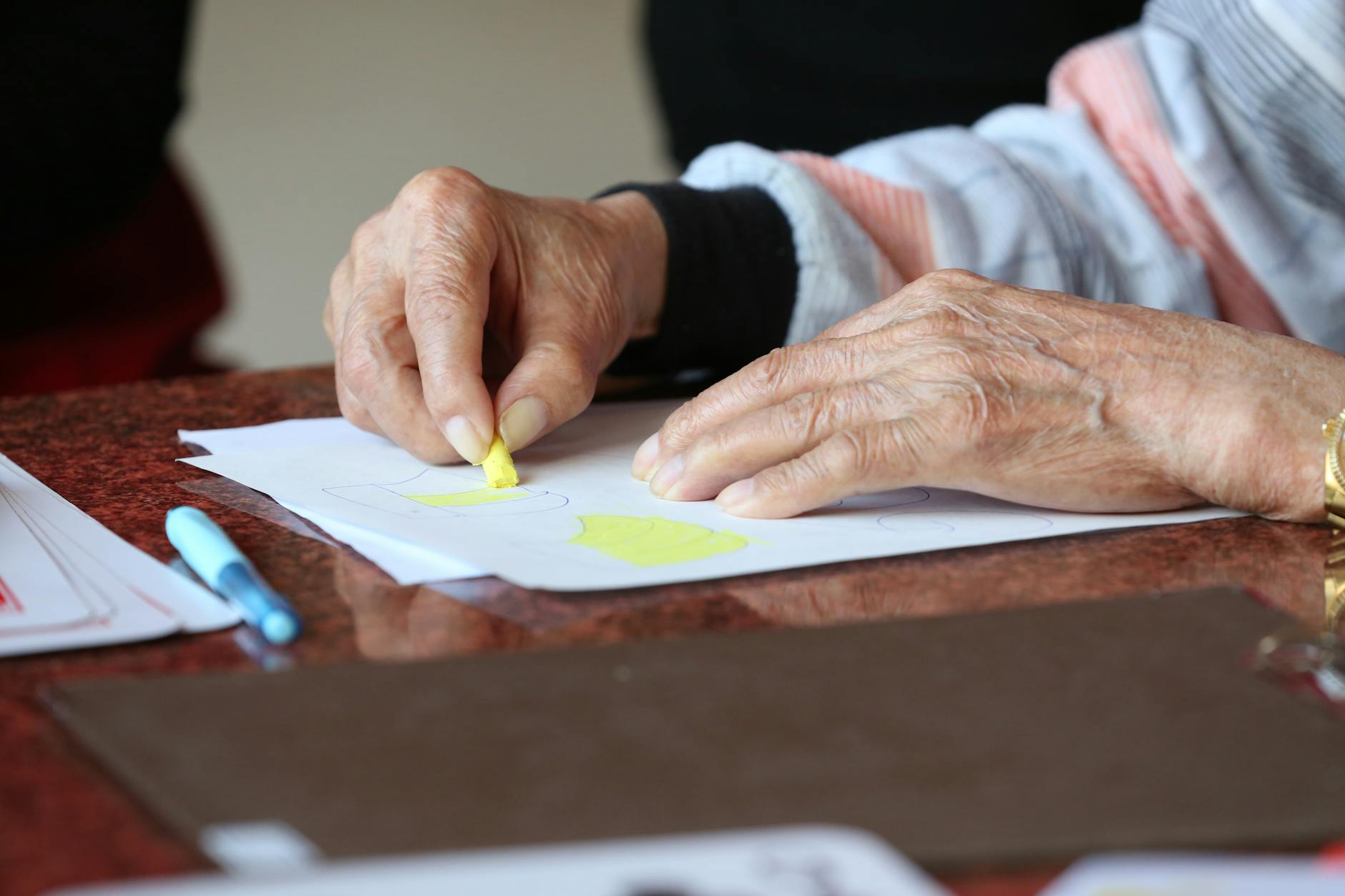
The connection between Alzheimer’s disease and skin sensitivity runs deeper than most caregivers realize. Multiple factors converge to make elderly individuals with dementia especially prone to irritation, dryness, and itching. First, aging itself changes the skin’s structure. Elderly skin becomes thinner, loses fat beneath the surface, and doesn’t retain moisture as effectively as younger skin. These changes leave the skin more vulnerable to irritants that might not have caused problems decades earlier.
A detergent that worked fine for years can suddenly trigger rashes or persistent itching. Second, many medications used to manage behavioral symptoms of dementia—particularly anticholinergic drugs—inhibit sweat gland function, which leads to dry skin. This medication-induced dryness compounds the age-related changes already occurring. Perhaps most significantly, dementia itself alters how the brain processes sensory information. Research suggests that people with Alzheimer’s may perceive itching and discomfort more intensely due to changes in neural pathways. They also often cannot communicate their discomfort effectively or identify its source, leading to behavioral symptoms like scratching, agitation, or sleep disturbances that caregivers may not immediately connect to something as simple as irritating fabric against the skin.
What Makes a Laundry Detergent Safe for Sensitive Dementia Patients?
The key characteristics of a safe laundry detergent for Alzheimer’s patients are fragrance-free and dye-free formulations that rinse completely clean. These two factors—artificial fragrances and dyes—are among the most common triggers for contact dermatitis and skin irritation in sensitive individuals. However, the label “hypoallergenic” deserves a word of caution. Unlike terms such as “organic” in food, “hypoallergenic” has no strict legal definition or regulatory standard. A manufacturer can apply this label without meeting any specific criteria. This means caregivers should look beyond marketing claims and examine the actual ingredient list.
Specifically, avoid products containing sodium lauryl sulfate (SLS), a harsh surfactant that strips natural oils from skin and can cause dryness and irritation. Many conventional detergents rely on SLS for its cleaning power, but gentler alternatives exist. The ability of a detergent to rinse clean is equally important. Residue left in fabric continues to contact skin throughout the day and night. Products like Seventh Generation Free & Clear are specifically formulated to rinse thoroughly without leaving behind irritating compounds. If someone with dementia is experiencing unexplained skin irritation, adding an extra rinse cycle to the laundry routine—regardless of detergent choice—can sometimes help.
Comparing the Top Five Detergent Options
.
- *All Free Clear** leads the pack with its triple endorsement from dermatologists, allergists, and pediatricians. Its 100% fragrance-free and dye-free formula makes it a safe baseline choice for most sensitive individuals. The National Psoriasis Foundation recognition adds credibility for those dealing with inflammatory skin conditions alongside dementia. However, it is a conventional detergent with synthetic ingredients, which may matter to caregivers seeking more natural options.
- *ARM & HAMMER Sensitive Skin Plus** earned the highest possible SkinSAFE score of 100, indicating it’s free from the most common skin allergens. This third-party verification provides reassurance beyond manufacturer claims. The brand is also widely available and affordable, making it practical for the large volumes of laundry that dementia care often requires—bedding, clothing, and towels may need frequent washing due to incontinence or spills.
- *Puracy** takes a different approach, formulating from over 99% natural ingredients. Developed by doctors specifically for sensitive skin, it’s hypoallergenic and free from sulfates, phosphates, dyes, and optical brighteners. For caregivers concerned about synthetic chemicals or those whose loved ones have responded poorly to conventional detergents, Puracy represents a more natural alternative. The tradeoff is typically higher cost per load.
How to Transition to a New Detergent Without Causing Confusion
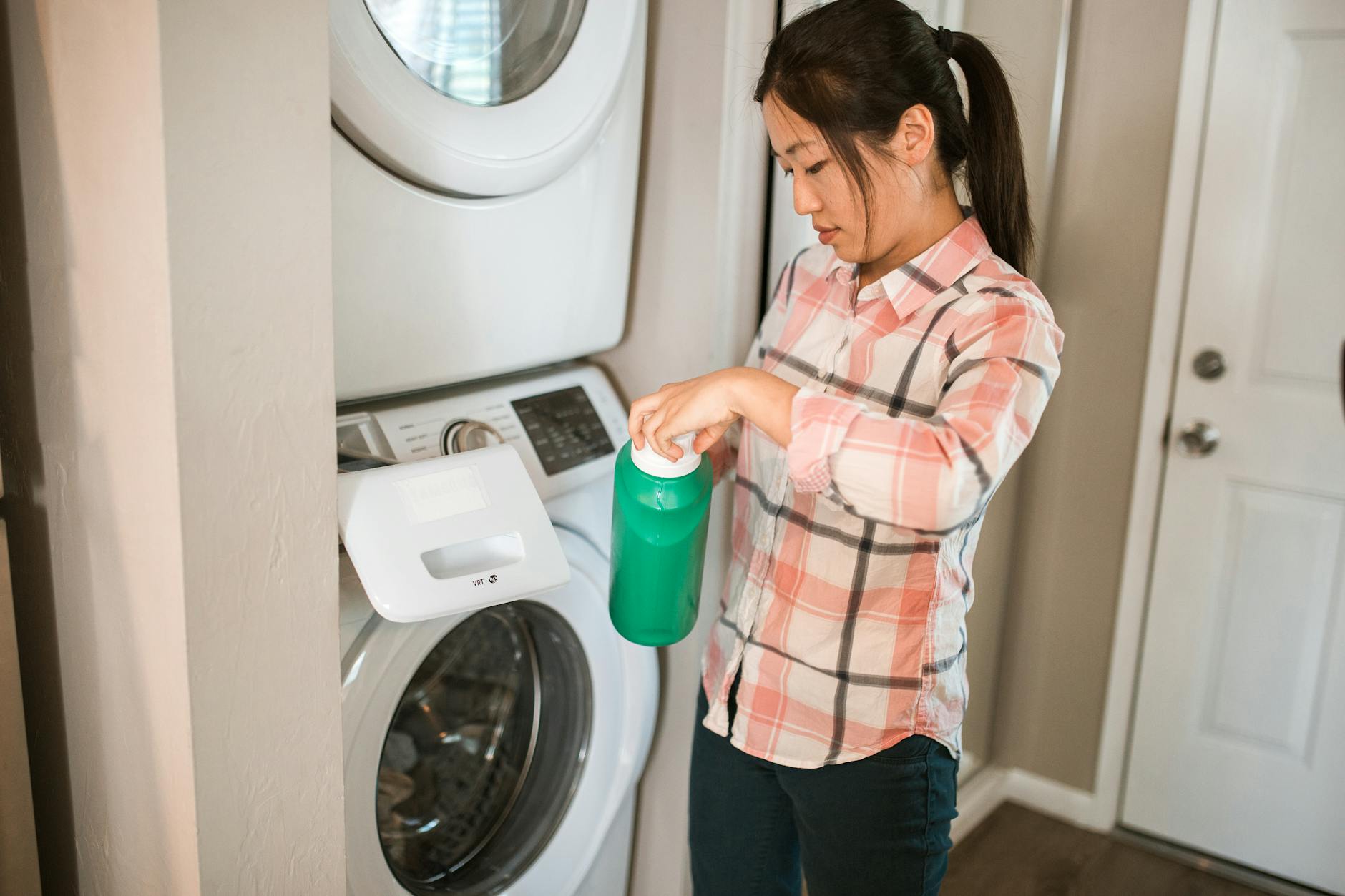
Changing household products for someone with dementia requires more consideration than simply buying a different brand. People with Alzheimer’s often rely on routine and familiar sensory cues. The smell of freshly laundered clothes—even if that smell comes from irritating fragrances—may be comforting and associated with cleanliness in their mind. When switching to a fragrance-free detergent, the absence of scent can sometimes cause confusion. A person with dementia might not perceive their clothes as “clean” because they don’t smell the way they used to.
This can lead to resistance to wearing freshly laundered items or repeated requests to wash already-clean clothing. Caregivers can ease this transition by making the change gradually—perhaps mixing the old and new detergents for a few loads before switching entirely—and by providing verbal reassurance that clothes are clean. The practical tradeoff is this: some fragrance-free detergents may be slightly less effective at eliminating odors from heavily soiled items, particularly those affected by incontinence. Tide Free & Gentle attempts to address this by maintaining strong stain and odor removal despite being fragrance-free. For caregivers dealing with frequent incontinence-related laundry, this cleaning power matters. Testing a few options to find the right balance between gentleness and effectiveness for your specific situation is worthwhile.
Warning Signs That Detergent May Be Causing Problems
Identifying detergent-related skin irritation in someone with Alzheimer’s presents unique challenges because they may not be able to articulate what’s wrong. Watch for these indicators: increased scratching or rubbing of skin, redness in areas where clothing fits closely (waistbands, collar lines, sock lines), disturbed sleep without obvious cause, or heightened agitation during and after dressing. A critical limitation caregivers should understand is that skin reactions don’t always appear immediately. Contact dermatitis from detergent can develop over days or even weeks of cumulative exposure. This delayed reaction makes it difficult to identify the cause, especially in individuals with multiple potential irritants in their environment.
If you suspect detergent is the issue, you’ll need to allow two to three weeks after switching products before concluding whether the new option is helping. Be aware that fabric softeners and dryer sheets often contain more concentrated fragrances and chemicals than detergents themselves. Even when using a gentle detergent, these additional products can undermine your efforts. Consider eliminating fabric softeners entirely or switching to wool dryer balls, which soften clothes mechanically without chemical additives. For someone with severe skin sensitivity, this combination approach—gentle detergent plus no fabric softener—typically produces the best results.

Special Considerations for Incontinence Care
Incontinence is common in later-stage Alzheimer’s, and it creates specific laundry challenges that intersect with skin sensitivity concerns. Urine and feces contain compounds that can irritate skin, and incomplete removal during washing compounds this problem. Meanwhile, the frequent laundering required means more detergent exposure overall.
Puracy and Seventh Generation Free & Clear both work effectively in cold water, which is gentler on elastic components in incontinence products and protective bedding. However, for heavily soiled items, a warm water wash may be necessary for proper sanitization—consult care guidelines for specific incontinence products. Pre-treating stained areas with the same gentle detergent (rather than a separate stain remover that might introduce new irritants) helps maintain consistency in what contacts the skin.
Building a Skin-Friendly Laundry Routine for Long-Term Care
Managing skin health in Alzheimer’s care is a long-term commitment that extends well beyond detergent selection. The most effective approach treats laundry as one component of a comprehensive skin care strategy that includes proper hydration, gentle bathing products, and attention to fabric choices.
Looking ahead, awareness of skin sensitivity in dementia care is growing among healthcare providers. The research from Japan highlighting the prevalence of pruritus in dementia care homes has prompted increased attention to this often-overlooked quality-of-life issue. Caregivers who proactively address skin comfort through choices like appropriate laundry detergent are aligning with emerging best practices in dementia care—and often see benefits in reduced agitation, better sleep, and improved overall wellbeing for their loved ones.
You Might Also Like
- What’s the Best Weighted Blanket for Alzheimer’s Patients?
- What’s the Best Wandering Alert Device for Alzheimer’s Care?
- What’s the Best Toilet Safety Frame for Alzheimer’s Patients?
For more, see National Institute on Aging.