
The best shower hose for dementia care is one that measures at least 72 to 80 inches long, includes a pause button to stop water flow mid-shower, and connects to a handheld showerhead with a lightweight, easy-grip handle. Among the top options, the **Moen Home Care Chrome Multi-Function Handheld Shower (DN8001CH)** stands out with its 7-foot hose and lightweight grip designed specifically for seated showering—a common necessity for people with dementia who may have balance issues or fatigue easily. The **YOO.MEE ADA Handheld Shower Head** is another strong contender, featuring an ADA-recommended design with a silicone-wrapped grip and an oversized swivel switch for the pause function, making it particularly suitable for users with Parkinson’s, arthritis, or cognitive impairments. These specifications matter because bathing is often one of the most distressing daily activities for people living with dementia.
A caregiver helping someone shower while seated on a bath chair needs enough hose length to reach all parts of the body without awkward stretching or repositioning. For example, a standard 60-inch hose might reach the shoulders but leave caregivers struggling to rinse feet and lower legs, creating frustration for everyone involved. The pause feature proves equally critical—it allows caregivers to stop water flow while applying soap or shampoo, reducing sensory overload and the disorientation that running water can cause for someone with cognitive decline. This article covers the key specifications to look for in a dementia-friendly shower hose, compares several recommended products at different price points, addresses safety considerations including water temperature and bathroom design, and provides practical guidance for making bathing a calmer experience for both caregivers and the people they support.
Table of Contents
- Why Does Hose Length Matter for Dementia-Friendly Showering?
- Essential Features Beyond Length: Pause Buttons and Water Pressure Settings
- Water Temperature Safety: Preventing Scalding and Burns
- Comparing Products at Different Price Points
- Bathroom Design and Visual Contrast: The Overlooked Factor
- Establishing Bathing Routines to Reduce Anxiety
- Looking Ahead: Evolving Approaches to Dementia Bathing Care
Why Does Hose Length Matter for Dementia-Friendly Showering?
Hose length is perhaps the single most important specification when selecting a shower setup for dementia care. The minimum recommended length is 60 inches, but experts suggest 72 to 80 inches as the optimal range for reaching the entire body while the person remains seated. Most people with moderate to advanced dementia shower while sitting on a bath chair or transfer bench for safety reasons, which means the showerhead needs to travel significantly farther than in a typical standing shower. Consider the practical difference: a person seated on a standard shower chair sits approximately 17 to 19 inches off the floor. A wall-mounted showerhead holder is typically positioned around 72 to 80 inches high.
When a caregiver needs to rinse someone’s feet while they remain seated, a short hose creates a tug-of-war between the water source and where it needs to go. The **Deliao Elderly Handheld Shower Head** addresses this with a 79-inch hose plus a suction cup holder bracket, allowing the showerhead to be repositioned at various heights as needed. The **Vive Health Handheld Shower Head** offers a 6.5-foot (78-inch) tangle-free hose specifically designed to reduce tripping hazards—a genuine risk when excess hose coils on a wet floor. However, longer is not always better without qualification. An 84-inch or longer hose can create its own problems, pooling on the shower floor where it becomes a slip hazard or getting caught under chair legs. The sweet spot for most bathroom configurations falls between 72 and 80 inches, providing reach without excess.

Essential Features Beyond Length: Pause Buttons and Water Pressure Settings
The pause feature—sometimes called a trickle or stop button—may be the most underappreciated specification for dementia care bathing. This control allows caregivers to temporarily halt water flow without adjusting temperature settings, which accomplishes two important goals: it prevents cold water shock when resuming flow, and it reduces the continuous sensory stimulation that can overwhelm someone with cognitive impairment. The **YOO.MEE ADA Handheld shower Head** incorporates an extra-large swivel switch for this function, designed to be operated even by users with limited hand dexterity or strength. Water pressure settings deserve equal attention.
Some people with dementia perceive strong water streams as painful or even threatening, triggering fear responses that make bathing traumatic. Gentle flow settings help prevent this reaction, and a flow rate of approximately 1.75 gallons per minute provides adequate pressure for thorough rinsing while remaining comfortable. Many handheld showerheads offer multiple spray patterns, but for dementia care, the gentlest setting matters most—fancy massage jets or pulsing options often go unused or cause distress. One important limitation: budget showerheads under $25 often claim to have pause buttons, but these may be stiff, poorly positioned, or prone to failure. Testing the pause mechanism in-store (if possible) or checking reviews specifically mentioning ease of use can prevent purchasing a feature that proves too difficult to operate under real-world conditions.
Water Temperature Safety: Preventing Scalding and Burns
scalding represents one of the most serious bathing risks for people with dementia, who may not recognize water that is dangerously hot or may not respond quickly enough to move away from it. The Alzheimer’s Association and other care organizations recommend setting water heaters to a maximum of 120°F (49°C) throughout the home. This temperature is warm enough for comfortable bathing but reduces the risk of severe burns even with prolonged exposure. Beyond the water heater setting, some families install anti-scald devices or thermostatic mixing valves directly at the shower fixture.
These devices automatically shut off or reduce water flow if temperature exceeds a preset limit, providing a backup safety measure. For example, a caregiver might adjust water temperature before a shower, step away to help the person undress, and return to find the water has shifted due to pressure changes elsewhere in the plumbing system—a common occurrence in older homes. An anti-scald valve prevents this scenario from resulting in injury. Testing water temperature before it contacts the person’s skin should become an automatic part of every bathing routine. Even with proper water heater settings, hot water can stratify in pipes, delivering an initial burst that is significantly warmer than expected.

Comparing Products at Different Price Points
Budget-friendly options starting around $20 to $30 can serve adequately for basic needs. At this price point, expect a functional hose of appropriate length and a simple handheld head, but potentially compromised durability and less refined ergonomics. The **Vive Health Handheld Shower Head**, falling into a slightly higher budget tier, offers the tangle-free hose design that addresses a genuine problem—kinked and twisted hoses create hassle during every single shower. Mid-range products between $50 and $150 typically include additional mounting hardware, slide bars that allow height adjustment, or more sophisticated spray pattern controls. The **Moen Home Care** model represents this category, combining brand reliability with features specifically designed for accessibility.
The extra investment often pays off in durability; a showerhead used for dementia care may see multiple uses daily and experiences more handling than a typical household fixture. Premium options can reach $750 or higher, incorporating digital temperature controls, integrated grab bars, or comprehensive shower system replacements. These make sense in specific circumstances—a major bathroom renovation, very long-term care situations, or when the person with dementia also has significant physical disabilities requiring specialized equipment. For most families, however, the mid-range category offers the best balance between functionality and cost. The key tradeoff is often between immediate affordability and long-term replacement costs; a $30 showerhead that needs replacing every eight months costs more over three years than a $75 model that lasts the duration.
Bathroom Design and Visual Contrast: The Overlooked Factor
The shower hose itself is only one component of a safe bathing environment. The Alzheimer’s Association recommends high-contrast bathroom designs to reduce visual confusion and prevent falls—for instance, a blue floor paired with white walls helps someone with dementia distinguish where the floor ends and walls begin. This spatial awareness becomes compromised as dementia progresses, and what seems like obvious visual information to caregivers may not register for the person they are helping. Applying this principle to the shower area specifically, consider how the hose and showerhead appear against their background.
A white hose against white tile may be nearly invisible to someone with impaired visual processing, potentially leading them to grab at it thinking it is a support bar. A contrasting color—even something as simple as a dark gray hose—improves visibility. Similarly, brightly colored or contrasting grab bars installed near the shower help the person understand what they can safely hold onto. The suction cup holder bracket included with products like the **Deliao Elderly Handheld Shower Head** allows positioning the showerhead where it is most visible and accessible for each individual. However, suction cups require smooth, non-porous surfaces to maintain grip and should never be relied upon as grab bars—they are designed only to hold the lightweight showerhead, not to support body weight.
Establishing Bathing Routines to Reduce Anxiety
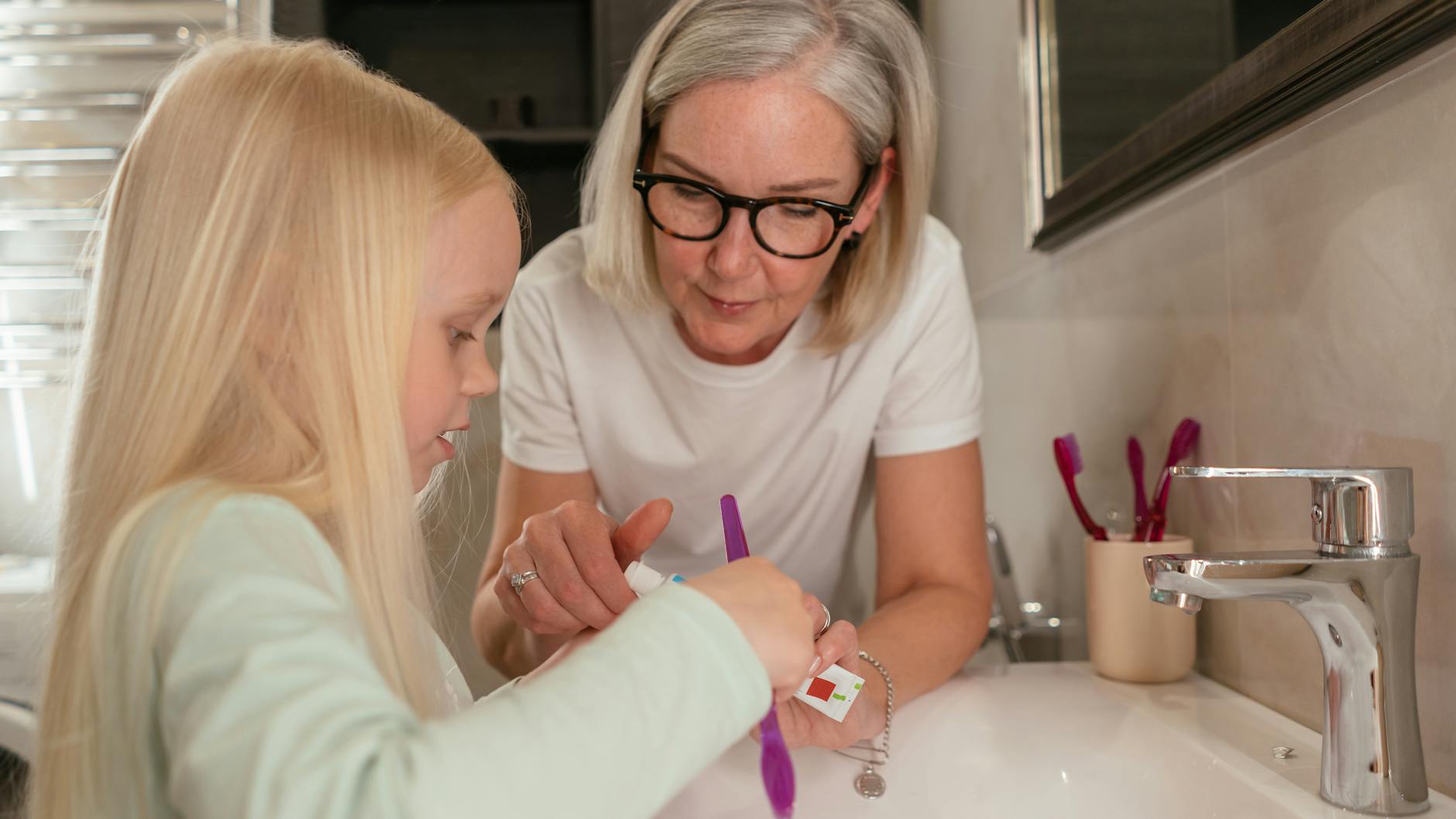
Beyond equipment selection, the Alzheimer’s Association emphasizes that consistent bathing routines at the same time each day help reduce anxiety for people with dementia. The familiarity of repetition provides comfort when cognitive abilities no longer allow someone to understand why bathing is happening or what comes next. Scheduling baths during the person’s most relaxed time of day—which varies by individual—further decreases resistance.
A practical example: one caregiver found that her mother, who had always been a morning person, became combative during afternoon showers but relatively cooperative with a 9 AM routine that followed breakfast. The timing mattered more than any equipment change. This illustrates an important reality—the best shower hose in the world cannot overcome a bathing approach that triggers fear or agitation in the specific person being cared for.
Looking Ahead: Evolving Approaches to Dementia Bathing Care
The caregiving products industry has increasingly recognized dementia-specific needs over the past decade, resulting in more thoughtfully designed equipment. ADA-recommended products like the **YOO.MEE** showerhead, explicitly designed for elderly users and those with Parkinson’s, arthritis, or disabilities, represent this trend. Silicone-wrapped grips, oversized controls, and push-button operation all emerge from understanding that traditional bathroom fixtures assume capabilities that many users no longer possess.
Looking forward, expect continued innovation in this space as the population ages and dementia prevalence grows. Smart home integration may eventually allow caregivers to preset and control water temperature remotely, while sensors could potentially detect falls or unusual patterns that indicate distress. For now, the most practical path forward combines the right equipment—an appropriately long hose with pause functionality and gentle flow settings—with attention to the broader environment and routine that makes bathing as calm and safe as possible.





